Joining a kayaking club can change your experience with water sports forever. For many people, kayaking starts as a solo adventure or a casual hobby. But when you become part of a club, it grows into something much bigger. You connect with people who share your passion, learn new skills, and find opportunities you might never discover alone.
If you’re thinking, “How do I join a kayaking club? ”—you’re in the right place. This guide walks you through everything, from finding your first club to making the most of your membership.

Today's Exclusive Deals
Limited-time Exclusive Deals. Check current discount on Amazon.
Check Price on Amazon As an Amazon Associate I earn from qualifying purchases.Why Join A Kayaking Club?
Kayaking clubs are more than just groups who paddle together. They offer strong benefits that can make your time on the water safer, more enjoyable, and even more affordable.
First, you get access to shared knowledge. Clubs are full of experienced paddlers who can help you improve quickly. They offer coaching, safety tips, and advice on gear. Second, clubs organize trips and events, which means you always have something to look forward to. You’ll also meet people who can become lifelong friends.
Safety is another big reason. Paddling with a group reduces risk, especially for beginners. Clubs often have safety rules and trained leaders who watch out for everyone. Many clubs also get discounts on equipment, lessons, and insurance. Over time, this can save you a lot of money.
Finally, joining a club opens the door to racing events, environmental work, and even leadership opportunities. It’s a step into a bigger world, and it’s one you won’t regret.
Finding The Right Kayaking Club For You
Not every club is the same. Some focus on whitewater adventure, while others enjoy calm lake paddling. Before you join, take time to think about what you want from your experience.
Types Of Kayaking Clubs
You’ll find different clubs based on their main activities:
- Recreational clubs: For those who love gentle paddling and nature.
- Racing clubs: Focused on competition and fitness.
- Sea kayaking clubs: Explore coastal waters and open seas.
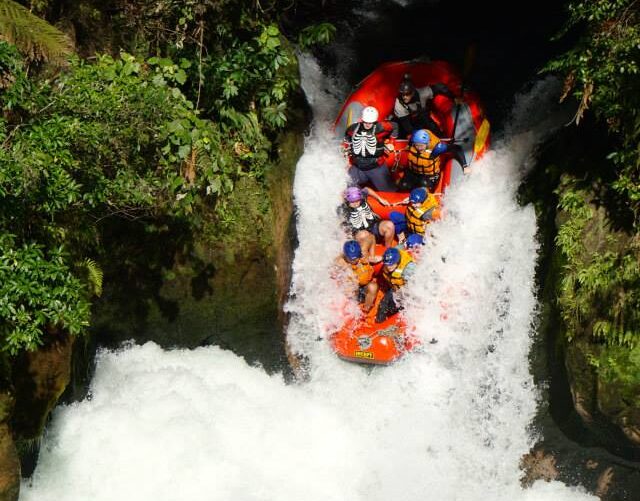
- Whitewater clubs: For thrill seekers and rapid riders.
- Youth and family clubs: Welcome all ages and skill levels.
How To Search For Clubs
Start your search online. Look for local clubs through Google, Facebook groups, or specialized sites like the American Canoe Association. Local sports centers and outdoor shops often have bulletin boards with club info. Ask friends or colleagues if they know any clubs—they might even invite you to a meeting.
When searching, note the club’s location, meeting times, and activities. Check if the club is beginner-friendly or more advanced. Don’t be afraid to reach out and ask questions. Most clubs welcome newcomers and will explain what to expect.
Consider Club Size And Culture
Some clubs have a small, close-knit feel, while others are large with hundreds of members. Think about what suits you. A smaller club might offer more personal attention, while a larger club may run more trips and events.
Also, check the club’s values and culture. Do they focus on fun, fitness, or competition? Is the group diverse and welcoming? Many clubs have websites or social media pages where you can get a sense of their vibe.

Steps To Join A Kayaking Club
Joining a club is usually simple, but each one has its own process. Here’s what you can expect.
1. Attend A Club Meeting Or Intro Paddle
Most clubs let you join a meeting or beginner session before becoming a member. This is your chance to meet people, ask questions, and see if the club matches your style. Some clubs call this a “taster session. ”
Bring your own gear if you have it, but many clubs offer loaner kayaks and paddles for new visitors. Pay attention to how the leaders and members treat newcomers—this tells you a lot about the club.
2. Ask About Membership Types And Fees
Clubs often have different membership levels:
- Individual membership: For one person.
- Family membership: Covers your whole family.
- Student or youth membership: Discounted for younger paddlers.
- Day or trial membership: For short-term visitors.
Fees can range from $30 to $200 per year, depending on location, facilities, and services. Some clubs offer monthly payment plans. Ask if there are extra costs for trips, lessons, or equipment hire.
Here’s a quick comparison of typical membership types:
| Membership Type | Who Can Join | Average Cost (Year) | Key Benefits |
|---|---|---|---|
| Individual | One adult | $50–$100 | Full club access |
| Family | Adults + children | $100–$200 | All family events |
| Student/Youth | Under 25 | $30–$60 | Discounted rates |
| Trial/Day | Anyone | $5–$15 | One-time experience |
3. Complete An Application Form
Once you decide to join, you’ll fill out a membership form. This usually asks for:
- Your contact info
- Emergency contact details
- Basic health questions
- Any previous kayaking experience
Some clubs let you apply online, others use paper forms. Clubs may ask you to sign a liability waiver, which is standard for outdoor sports.
4. Pay Your Membership Fee
You’ll pay your fee by cash, check, or online transfer. Keep your receipt or confirmation email. Some clubs issue membership cards, while others keep your details on file.
5. Attend A Safety Briefing Or Orientation
Most clubs require new members to attend a safety talk. This covers club rules, water safety, and emergency procedures. Some clubs include a short skills assessment to see what level you’re at.
If you’re a beginner, don’t worry—clubs want everyone to feel safe and welcome. Ask questions if you’re unsure about anything.
6. Join Your First Club Paddle
Once you’re a member, you can join regular club trips, training sessions, or social events. Start with beginner-friendly outings if you’re new. You’ll soon get to know the group and find your place.
What To Expect As A New Club Member
When you first join, everything can feel new and a little overwhelming. Here’s what you’ll experience in your first few months.
Friendly Guidance And Support
Most clubs have a welcoming team or “buddy” system for new members. Experienced paddlers are happy to help you get started, explain club rules, and share tips. Don’t be shy about asking for advice.
Access To Training And Courses
You may get the chance to join coaching sessions or skills workshops. These often cover:
- Basic paddling technique
- Safety and rescue skills
- How to use club equipment
- Route planning and navigation
Some clubs invite certified instructors for special lessons. This is a great way to improve quickly and learn best practices.
Invitations To Social Events
Kayaking clubs often host barbecues, film nights, or guest talks. These events help you bond with other members. You’ll also hear about upcoming trips, races, or volunteering opportunities.
Use Of Club Equipment
If you don’t own a kayak yet, most clubs have a fleet of boats and safety gear for members. This is a big advantage, as it lets you try different kayaks before buying your own. Many beginners make the mistake of buying gear too soon—take your time and learn what you really need.
Opportunities For Progression
As you gain experience, you might join advanced trips or try racing. Some clubs encourage members to train as trip leaders or coaches. Volunteering for club events can also build your skills and confidence.
Essential Gear And Skills For Club Kayaking
While you don’t need to own expensive gear to start, there are some basics you should bring or borrow.
- Personal flotation device (PFD): A must for safety.
- Paddle: Most clubs provide paddles, but you can use your own if you prefer.
- Water-appropriate clothing: Synthetic layers, not cotton. Bring a windproof or waterproof jacket.
- Water shoes or sandals: Protect your feet on shore and in the water.
- Dry bag: To keep valuables safe and dry.
- Sun protection: Hat, sunglasses, and sunscreen.
Skills you should focus on include:
- Paddling technique: Learn how to hold the paddle and move efficiently.
- Self-rescue and assisted rescue: Know what to do if you capsize.
- Basic navigation: Understanding maps, weather, and water conditions.
- Communication: Using signals and staying with your group.
Don’t worry if you’re still learning. Clubs exist to help you develop these skills in a safe, supportive setting.
Making The Most Of Your Kayaking Club Membership
Getting the most from your club isn’t just about joining trips. Here are ways to deepen your experience and contribution.
1. Take Part In Club Events
Say yes to events—even if you’re nervous. Socials, training days, and trips are where you’ll build confidence and friendships.
2. Volunteer When You Can
Clubs run on member help. Offer to set up a trip, help with equipment, or lead a beginner session. This is a great way to get noticed and learn from others.
3. Try Different Types Of Kayaking
Don’t stick to one type of paddling. Try touring, whitewater, or sea kayaking if your club offers it. Variety keeps things exciting and builds your skills.
4. Respect Club Rules And Etiquette
Every club has its own code. Follow safety guidelines, help clean equipment, and be on time for trips. This shows respect and helps the club run smoothly.
5. Network With Other Members
Chat with people after paddling, join the club’s social media, and share your progress. You’ll find mentors, trip partners, and maybe even future friends.
6. Share Your Ideas
If you have a suggestion for a new trip or event, speak up! Clubs value fresh ideas and want members to get involved.

Common Mistakes When Joining A Kayaking Club
Even experienced paddlers can make errors when joining a new club. Here are a few to avoid:
- Not asking questions: If you don’t understand something, ask. Clubs expect new members to be curious.
- Buying gear too early: Use club equipment first. This helps you choose the right gear later.
- Skipping safety briefings: These are essential, especially for new locations.
- Ignoring club culture: Not every club suits every person. If you don’t feel comfortable, try another club.
- Sticking to the same group: Mix with different members. You’ll learn more and have better experiences.
How Kayaking Clubs Compare To Going Solo
For some, kayaking is about peace and independence. But clubs offer extra benefits that solo paddling cannot.
| Kayaking Solo | Kayaking with a Club |
|---|---|
| Flexible schedule | Organized trips and events |
| Limited safety support | Group safety and rescue |
| Self-learning only | Coaching and skill development |
| Buy all your own gear | Access to club equipment |
| Solo adventure | Community and friendship |
How To Find The Best Club For Beginners
If you’re just starting out, look for clubs that:
- Welcome all skill levels
- Offer beginner sessions
- Provide training and safety support
- Have a friendly, inclusive culture
- Lend equipment to new members
Check reviews, talk to current members, or visit a few clubs before joining. A good fit makes all the difference.
Frequently Asked Questions
How Do I Find Kayaking Clubs Near Me?
Start by searching online using your city or region plus “kayak club.” Check the American Canoe Association or your national paddling body for local listings. Community centers and outdoor shops are also good sources.
Do I Need My Own Kayak To Join A Club?
No. Most clubs have kayaks and gear for new members to borrow. This lets you try the sport before buying equipment.
What If I Can’t Swim Well?
Basic swimming skills are helpful, but not always required. You must wear a personal flotation device (PFD) at all times. Many clubs offer water safety training for beginners.
Are Kayaking Clubs Safe For Families And Kids?
Yes, many clubs have family memberships and youth programs. Check that the club is certified and has safety policies for children. Family events are often held on calm water.
Where Can I Learn More About Kayaking Clubs Worldwide?
You can find more information from the Wikipedia Kayaking page, which covers club activities, history, and tips for new paddlers.
Joining a kayaking club is one of the best ways to turn a simple hobby into a lifelong adventure. With the right group, you’ll not only improve your skills—you’ll discover a welcoming community and a whole new world of paddling opportunities.
Take your time, ask questions, and enjoy the journey. The river is waiting!