
Kayaking is growing in popularity around the world as people look for new ways to enjoy the outdoors. Whether you want to paddle on a calm lake, explore winding rivers, or just relax on the water, recreational kayaking offers an easy entry point. But what exactly is a recreational kayak? Many people have seen these colorful boats at the beach or on a car roof rack, but few understand their unique features and why they are so popular with beginners and casual paddlers. This article will guide you through everything you need to know about recreational kayaks—from their design and uses to how they compare with other types, what to look for when buying one, and practical tips to make your kayaking experience safe and enjoyable.
What Is A Recreational Kayak?
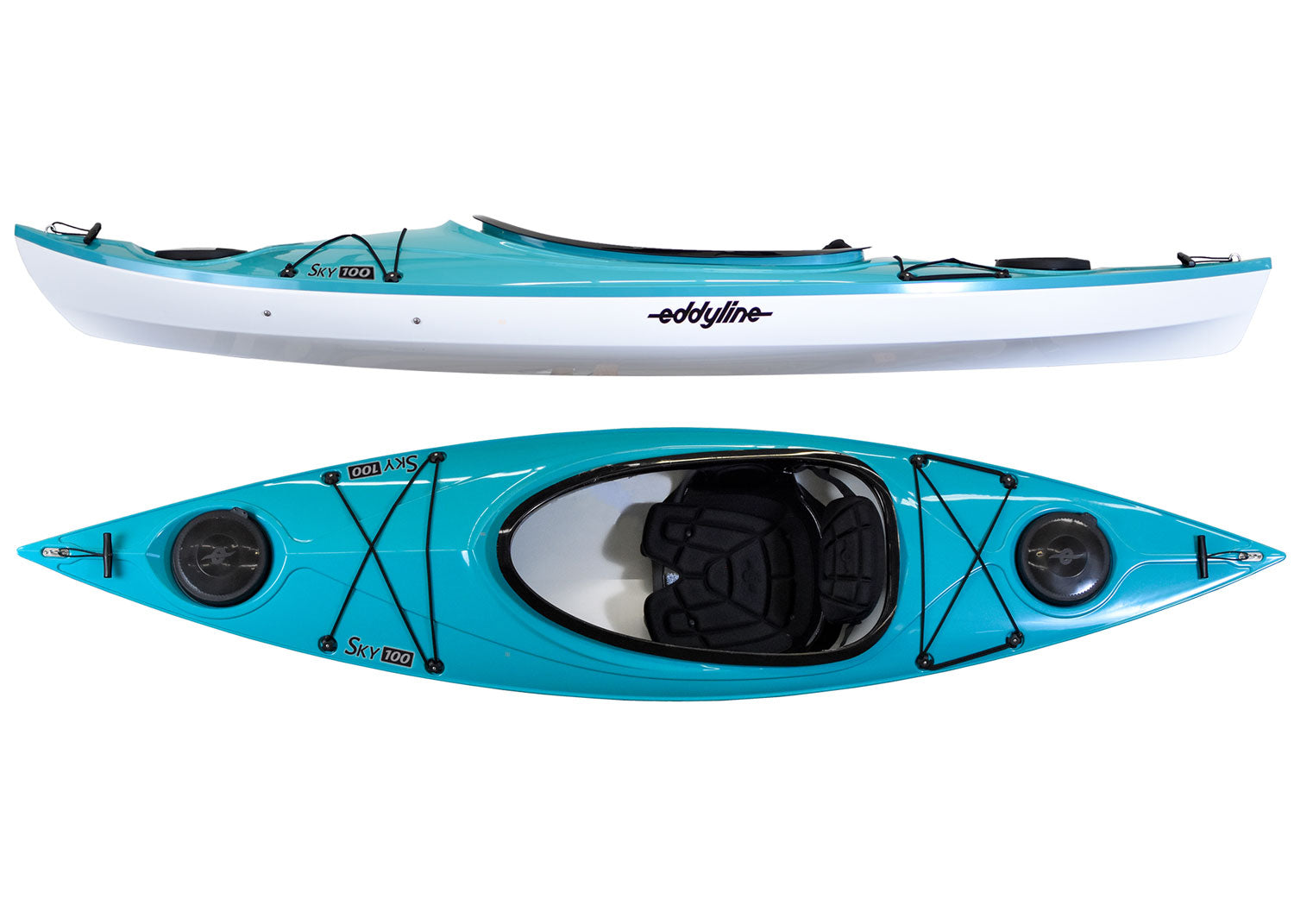
A recreational kayak is a type of kayak designed for casual use on calm or slow-moving water. These kayaks are built for stability, comfort, and easy handling rather than speed or advanced maneuvers. Most recreational kayaks are between 9 and 12 feet long and have a wide hull to help prevent tipping. They usually feature a large cockpit, making it easy to get in and out, and often have comfortable seating and simple controls.

Today's Exclusive Deals
Limited-time Exclusive Deals. Check current discount on Amazon.
Check Price on Amazon As an Amazon Associate I earn from qualifying purchases.People choose recreational kayaks for many reasons:
- They are easy to use, even for complete beginners.
- They are affordable compared to specialized kayaks.
- They require minimal maintenance.
- They are lightweight and portable.
Unlike whitewater or sea kayaks, recreational kayaks are not made for rough conditions or long trips. They are perfect for a day out on a lake, pond, or slow river.
Key Features Of Recreational Kayaks
Recreational kayaks stand out because of their user-friendly design. Here are the main features that set them apart:
Today's Exclusive Deals
Limited-time Exclusive Deals. Check current discount on Amazon.
Check Price on Amazon As an Amazon Associate I earn from qualifying purchases.1. Hull Shape
The hull is the bottom part of the kayak. Recreational kayaks have a flat or slightly rounded hull, which makes them very stable on calm water. This design helps prevent the kayak from tipping over easily.
2. Length And Width
Most recreational kayaks are short (9–12 feet) and wide (28–34 inches). The shorter length makes turning and carrying the kayak simple. The extra width adds more stability, which is important for new paddlers.
3. Cockpit Size
A large cockpit is another hallmark of recreational kayaks. This open area allows you to enter and exit the kayak easily, which is especially helpful for people with limited mobility or those who want to bring a pet or child along.
4. Weight
Recreational kayaks are often made from lightweight materials like plastic (polyethylene). Most models weigh between 35 and 50 pounds, making them easy to transport and lift onto a car roof.
Today's Exclusive Deals
Limited-time Exclusive Deals. Check current discount on Amazon.
Check Price on Amazon As an Amazon Associate I earn from qualifying purchases.5. Storage
While recreational kayaks don’t have as much storage as touring kayaks, many have a small dry storage area or bungee cords on the deck for securing items like water bottles or a small bag.
6. Seat And Footrests
Comfort is a priority. Recreational kayaks usually have padded seats and adjustable footrests. This helps you paddle for hours without discomfort.
7. Skeg Or Rudder
Most recreational kayaks do not have a skeg or rudder, as they are not designed for challenging waters. However, a few models may include a simple tracking fin to help keep the kayak straight.
Types Of Recreational Kayaks
Although all recreational kayaks share basic qualities, there are different types to suit various needs and preferences.
Sit-inside Vs. Sit-on-top
- Sit-inside recreational kayaks have an enclosed cockpit where you sit inside the hull. They offer better protection from the wind and water but may be less comfortable for some people.
- Sit-on-top recreational kayaks have an open deck. These are easier to get on and off, and are ideal for warm weather and people who want to swim or fish from their kayak.
Single Vs. Tandem
- Single recreational kayaks are designed for one person.
- Tandem recreational kayaks can hold two people (sometimes even a small child or pet). They are a great option for couples or families who want to paddle together.
Inflatable Recreational Kayaks
Inflatable kayaks are made of strong PVC or similar materials and can be packed down for easy transport. They are lightweight and simple to store, though not as durable as hard-shell models.
How Recreational Kayaks Differ From Other Kayaks
It’s helpful to see how recreational kayaks compare to other common types.
| Type | Length | Stability | Intended Use | Speed |
|---|---|---|---|---|
| Recreational | 9–12 ft | High | Calm water | Low |
| Touring | 12–18 ft | Moderate | Long distances | High |
| Whitewater | 7–9 ft | Low | Rivers/rapids | Medium |
| Fishing | 10–14 ft | High | Angling | Low |
As you can see, recreational kayaks are made for stability and casual paddling, not speed or technical skills.

Benefits Of Recreational Kayaks
Choosing a recreational kayak comes with several advantages, especially for beginners:
- Stability: The wide, flat bottom means you won’t tip easily.
- Comfort: Large cockpits and padded seats make paddling comfortable.
- Simplicity: Few controls and features, so you can focus on having fun.
- Affordability: Prices are reasonable. Most new models cost between $300 and $800.
- Accessibility: Easy to transport, store, and launch—even by yourself.
A not-so-obvious benefit: recreational kayaks are less intimidating for people who may be nervous about being on the water. They lower the barrier to entry, helping more people experience kayaking.
Common Uses For Recreational Kayaks
Recreational kayaks are versatile and can be used in many ways:
- Leisure paddling: Enjoy a peaceful day on a lake or pond.
- Short trips: Paddle for an hour or two on a gentle river.
- Photography: Their stability makes it easy to take photos or use binoculars.
- Fishing: Some models have rod holders or space for a small tackle box.
- Family fun: Bring a child or pet along for the ride.
While they are not made for ocean waves or whitewater, recreational kayaks handle most calm water adventures with ease.
How To Choose The Right Recreational Kayak
Picking the right kayak can feel overwhelming at first. Here’s what really matters:
1. Where Will You Paddle?
If you plan to paddle on small lakes or slow rivers, almost any recreational kayak will work. For shallow creeks, a shorter kayak (9–10 ft) is easier to maneuver. On larger lakes, a slightly longer kayak (11–12 ft) will track better (go straighter).
2. Weight And Portability
Consider how you’ll transport and store the kayak. If you need to carry it alone or store it in a small space, look for lightweight or inflatable models.
3. Comfort
Test the seat and footrests if possible. Adjustable features make a big difference, especially for taller or shorter people.
4. Capacity
Check the weight limit. Most recreational kayaks can hold 250–350 pounds, but if you plan to bring gear, a child, or a pet, make sure to choose a higher-capacity model.
5. Price
Set a budget and compare options. Remember that extras like paddles and life jackets may not be included.
6. Material
Most recreational kayaks are made from polyethylene plastic—durable and affordable. Composite materials like fiberglass are lighter but more expensive.
7. Extra Features
Decide if you want extras such as cup holders, dry storage, or fishing mounts. Don’t pay for features you won’t use.
Comparison: Sit-inside Vs. Sit-on-top
The choice between sit-inside and sit-on-top is important. Here’s a quick comparison:
| Feature | Sit-Inside | Sit-On-Top |
|---|---|---|
| Entry/Exit | More difficult | Very easy |
| Staying Dry | Better | Get wet easily |
| Comfort | Warmer, more protection | Better for hot weather |
| Storage | Inside hull | Deck bungees |
Safety Tips For Recreational Kayaking
Kayaking is fun, but safety always comes first. Here are essential tips:
- Wear a life jacket: Always wear a properly fitted personal flotation device (PFD).
- Check the weather: Avoid paddling in storms, high winds, or fast currents.
- Tell someone your plan: Let a friend or family member know where you’re going and when you’ll be back.
- Bring essentials: Water, snacks, sunscreen, and a whistle.
- Stay near shore: Especially if you’re new or the water is cold.
- Dress for the water: Wear clothing that can get wet and dries quickly.
- Practice re-entering: Learn how to get back in your kayak from the water before you need to.
A beginner mistake: Many people overestimate their skills and paddle too far from shore or into challenging conditions. Stay within your comfort zone until you gain more experience.

Maintenance And Care
Recreational kayaks are easy to maintain:
- Rinse with fresh water after use, especially if you’ve paddled in saltwater.
- Store in a cool, dry place, out of direct sunlight to avoid UV damage.
- Check for leaks or cracks regularly.
- Tighten loose screws and clean the seat and footrests.
If you use an inflatable kayak, make sure it’s dry before storing to prevent mold.
Environmental Impact And Responsible Paddling
Kayaking is a low-impact activity, but it’s important to protect waterways:
- Don’t litter—bring trash back with you.
- Avoid disturbing wildlife.
- Use launch sites to prevent shoreline erosion.
- Clean your kayak if you paddle in different bodies of water to prevent spreading invasive species.
For more on responsible outdoor practices, visit the National Park Service Watershed Protection page.
Frequently Asked Questions
What Is The Difference Between A Recreational Kayak And A Touring Kayak?
A recreational kayak is shorter, wider, and more stable, making it ideal for calm water and beginners. A touring kayak is longer and narrower, built for speed and efficiency over long distances. Touring kayaks often have more storage and are suited for experienced paddlers.
How Much Does A Recreational Kayak Cost?
Most recreational kayaks cost between $300 and $800. Prices vary based on materials, size, brand, and extra features. Inflatable models and used kayaks can be cheaper.
Can You Use A Recreational Kayak For Fishing?
Yes, many people use recreational kayaks for fishing. Some models have rod holders and space for gear. However, if fishing is your main activity, you might prefer a dedicated fishing kayak with more specialized features.
Are Recreational Kayaks Safe For Beginners?
Yes, recreational kayaks are designed to be safe and stable for people with little or no experience. Always wear a life jacket and stay close to shore, especially when starting out.
How Do I Transport And Store A Recreational Kayak?
Most recreational kayaks can be carried by one person and fit on a standard car roof rack. For storage, keep the kayak indoors or in a shaded spot outside. Inflatable models can be packed into a closet or trunk.
Kayaking opens the door to new adventures, peaceful escapes, and time with family and friends. With the right recreational kayak, you can enjoy the water safely and comfortably—no special skills required. Take your time choosing, follow safety tips, and you’ll soon discover why so many people love this simple but rewarding sport.

