
Planning a kayaking trip is more than just picking up a paddle and heading for the water. It’s about understanding the location, preparing the right gear, considering safety, and shaping an adventure that matches your skills and expectations. Many first-time kayakers rush through the planning stage and end up missing important details.
Let’s break down every step so you can create a kayaking experience that’s smooth, fun, and safe.

Today's Exclusive Deals
Limited-time Exclusive Deals. Check current discount on Amazon.
Check Price on Amazon As an Amazon Associate I earn from qualifying purchases.Deciding Where To Go
Your destination sets the stage for your entire kayaking trip. Start by thinking about the type of water you want to paddle: calm lakes, slow rivers, or challenging sea coasts. Research nearby options if you’re a beginner. Look for locations with easy water access, safe conditions, and facilities like parking or restrooms.
For longer or unique adventures, national parks and famous rivers often offer guided routes and maps. Check online forums or websites for recent reviews. Some areas require permits or have seasonal restrictions, so always check the official park website.
Non-obvious tip: Study the wind and water current patterns of your chosen spot. Wind direction can make paddling much harder, especially in open water. Also, check the average water temperature—cold water may require extra gear.
Choosing The Right Kayak
Not all kayaks are the same. The best kayak depends on your trip’s location, your skill level, and how much gear you need to carry.
| Kayak Type | Best For | Key Features |
|---|---|---|
| Recreational | Lakes, calm rivers | Stable, easy to use, wider body |
| Touring/Sea | Long distances, open water | Narrower, tracks straight, storage space |
| Inflatable | Travel, easy storage | Lightweight, portable, less durable |
| Tandem | Two people, families | Longer, heavier, cooperative paddling |
If you don’t own a kayak, check if local shops rent or offer demos. Renting allows you to test different styles before making a purchase. Remember, a kayak that’s great for whitewater is not suited for calm lakes and vice versa.
Planning Your Route
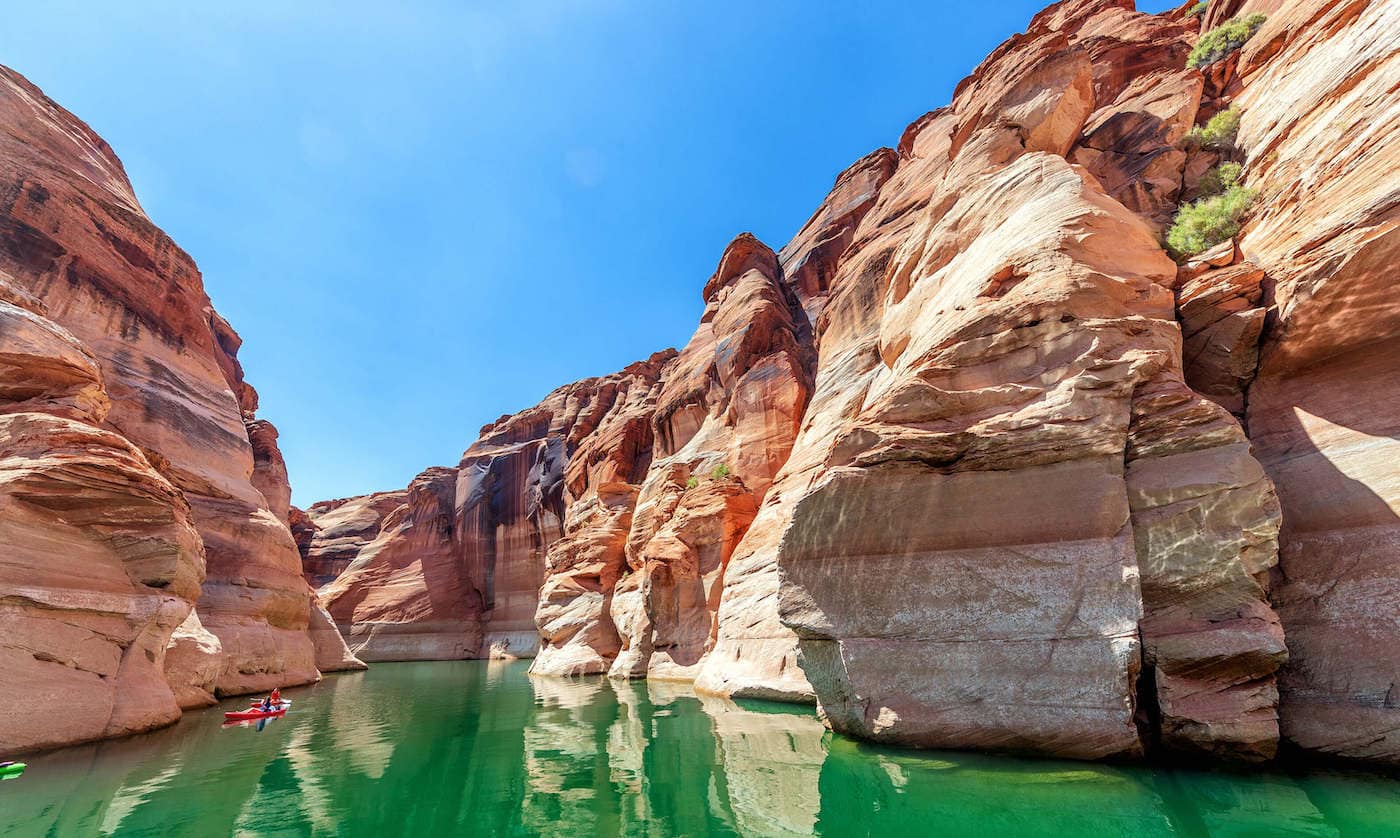
A good route is the heart of a successful kayaking trip. Start with a realistic distance—most beginners cover 3-5 miles in a day, while experienced paddlers might handle 10 miles or more. Consider these factors:
- Access points: Where will you launch and land? Make sure these are public and have parking.
- Current and wind: Rivers may have strong currents. Plan downstream if possible.
- Rest stops: Mark spots for breaks, snacks, or bathroom visits.
- Emergency exits: Identify places where you can leave the water if needed.
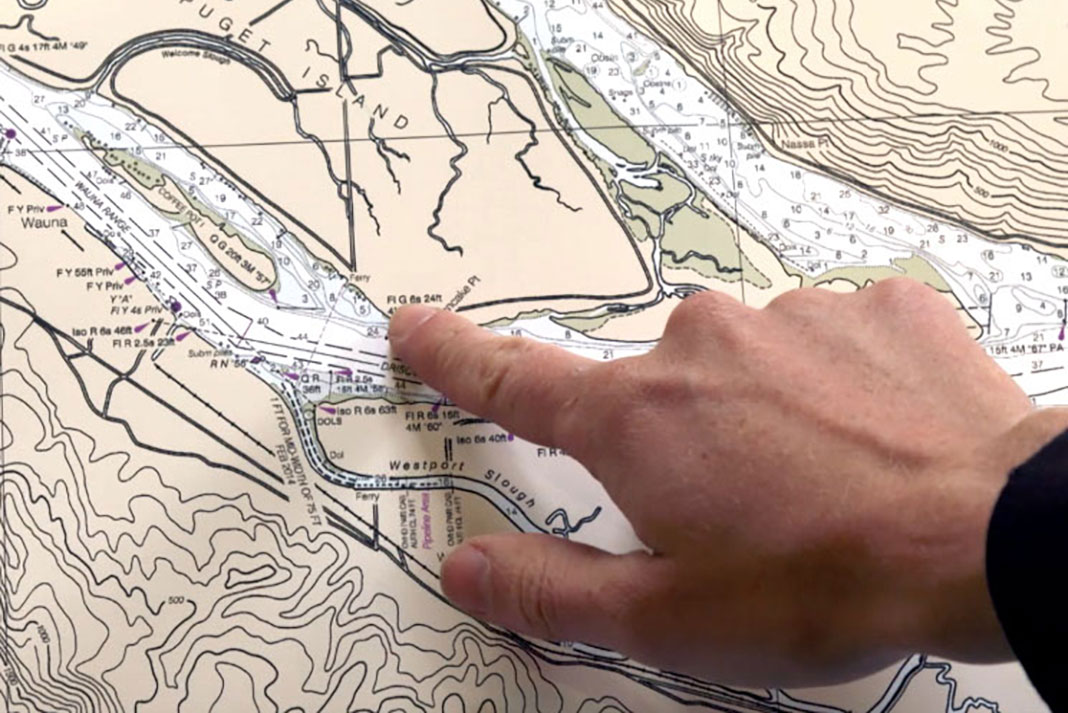
Use GPS apps, physical maps, or printed guides. It’s smart to share your route and estimated return time with a friend or family member.
Extra insight: Always plan for “what if” scenarios. Ask yourself, “If I get tired halfway, is there a safe place to stop?” This simple question can prevent a lot of stress.
Gathering Essential Gear
Kayaking requires more than just a boat and paddle. Here’s a detailed checklist:
- Personal Flotation Device (PFD): Always wear a well-fitting life jacket.
- Paddle: Choose the right length for your height and kayak width.
- Spray skirt: Keeps water out, especially in rough or cold conditions.
- Dry bags: Protect your phone, keys, and spare clothing.
- Water bottle and snacks: Hydration is crucial.
- First aid kit: Include bandages, antiseptic, and allergy medication.
- Weather-appropriate clothing: Quick-dry, UV-protective, and layerable.
- Sun protection: Hat, sunglasses with strap, and sunscreen.
- Navigation tools: Map, compass, or GPS device.
- Whistle or signaling device: For emergencies.
Pack light but don’t skip safety. Secure everything in your kayak so nothing floats away if you capsize.
Checking Weather And Water Conditions
Weather is a major factor in kayaking safety. Before your trip, check the forecast for rain, wind, and temperature. Avoid high winds, thunderstorms, and extreme cold. Rivers may rise quickly after rain, making conditions dangerous.
Use official sources like the National Weather Service or local park websites. For tides and currents, coastal areas often have online charts.
Beginner mistake: Ignoring water temperature. Even if air is warm, cold water can lead to hypothermia. Dress for water temperature, not air temperature.
Learning Basic Skills And Safety
You don’t need to be an expert, but basic kayaking skills are a must. Learn how to:
- Hold the paddle correctly and use efficient strokes.
- Enter and exit the kayak safely, especially from docks or uneven banks.
- Perform a wet exit: Practice how to get out if you capsize.
- Re-enter the kayak in deep water: Know how to get back in with help or alone.
- Read water: Recognize obstacles like submerged rocks, strong currents, or overhanging branches.
Many outdoor centers offer short classes or guided trips. Even watching a few instructional videos can help you avoid common problems.
Non-obvious insight: Practice flipping your kayak and getting back in before your trip. This gives you confidence and reduces panic if it happens on the water.
Deciding Who To Paddle With
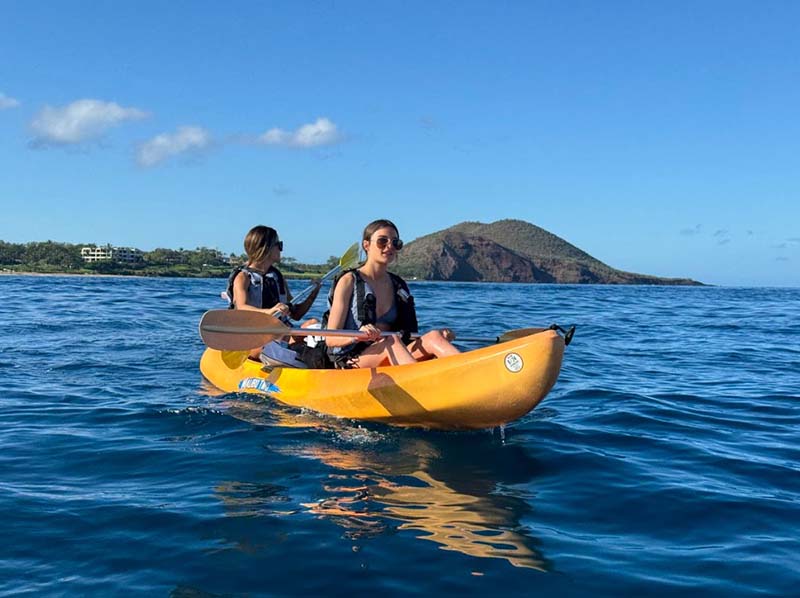
Kayaking is safer and often more fun with others. If you’re new, go with an experienced paddler. For group trips, talk openly about everyone’s skill level and expectations.
Choose a group size where you can stay together easily. Large groups may split up, which can lead to safety issues. Make sure everyone knows basic signals or hand gestures for communication.
If solo kayaking, leave a detailed float plan with someone on land. Include your route, start/finish times, and emergency contacts.
Packing Food And Water
Kayaking burns energy, so pack snacks that are easy to eat on the water. Good options include trail mix, energy bars, fruit, and sandwiches. Avoid messy or heavy foods.
Bring at least 2 liters of water per person for a full day. It’s easy to forget to drink when you’re busy paddling. Use a water bottle with a strap so it won’t fall overboard.
Extra tip: Pack a small “treat” for motivation—a favorite snack or candy for the halfway point can lift your mood.
Camping By Kayak
If your trip lasts more than a day, you’ll need to plan for camping. Find campsites that are accessible by water and legal for overnight stays. Some parks require reservations or permits.
Pack a compact tent, sleeping bag, and pad that fit in your kayak. Bring food that doesn’t spoil easily. Always store food in animal-proof containers if camping in wildlife areas.
Leave no trace: pack out all trash, even small items like wrappers or used matches. Respect nature and other campers.
Dealing With Emergencies
Preparation is key to handling problems on the water. Here’s a quick guide:
| Emergency | What to Do | Prevention |
|---|---|---|
| Capsize | Stay calm, hold onto your kayak, signal for help | Practice wet exits, wear PFD |
| Sudden storm | Head to shore, avoid open water | Check forecast, bring rain gear |
| Injury | Use first aid kit, call for help if needed | Paddle within your limits, wear proper gear |
| Lost or disoriented | Use map/GPS, stay put if possible | Plan route, carry navigation tools |
Always carry a fully charged phone in a waterproof case. In remote areas, a satellite messenger or personal locator beacon is wise.
Pro tip: Learn basic rescue techniques, like T-rescues, before your trip. These are simple maneuvers that help you or a friend get back into the kayak in deep water.
Understanding Local Rules And Permits
Every location has its own rules. Some waters require permits or registration for kayaks. Others have limits on group size, camping, or fishing. Check official park or government sites for the latest info.
Respect wildlife and private land. Some rivers cross through private property where stopping is not allowed. Always follow “leave no trace” ethics.
If you’re traveling abroad, research customs and import rules for gear. Some countries have strict regulations for watercraft.
Budgeting Your Trip
Kayaking can be affordable or expensive, depending on choices. Here’s a simple cost comparison:
| Expense | Budget Trip | Premium Trip |
|---|---|---|
| Kayak Rental (per day) | $30-50 | $90-150 |
| Gear Rental | $10-20 | $30-60 |
| Camping Fee | $0-20 | $40-60 |
| Permits | $5-15 | $20-50 |
| Food & Water | $10-20 | $30-50 |
You can lower costs by sharing gear, choosing free campsites, or joining group trips. Renting gear for your first trip is smart—buy only after you know what you like.
Environmentally Friendly Kayaking
A good kayaker cares for the environment. Always pack out trash, use eco-friendly soaps, and avoid disturbing wildlife. Some sensitive areas ban single-use plastics.
Stay on marked routes and avoid dragging kayaks over fragile shorelines. If you see litter, pick it up—even if it’s not yours.
For more tips on responsible paddling, see the American Whitewater Leave No Trace guidelines.
Setting Realistic Expectations
Not every trip goes perfectly. Wind, weather, or unexpected obstacles can change your plan. Be flexible and patient. If you need to cut the route short or take extra breaks, that’s okay.
Kayaking is about enjoying nature, not just reaching a finish line. Take time to look around, listen to the water, and appreciate the adventure.
Frequently Asked Questions
How Long Does It Take To Plan A Kayaking Trip?
Planning can take a few hours for a simple day trip, or several weeks for multi-day adventures. Give yourself time to research, check gear, and review safety.
Can Beginners Join A Kayaking Trip?
Yes, but start with short distances on calm water. Go with experienced friends or hire a guide for your first trip.
What Should I Wear While Kayaking?
Wear quick-dry, comfortable layers. Avoid cotton, as it stays wet and cold. Always use a life jacket. In colder water, wear a wetsuit or drysuit.
Is It Safe To Kayak Alone?
Solo kayaking is possible, but beginners should paddle with others. Always tell someone your plan and carry safety gear.
Do I Need A Permit For Kayaking?
Some locations require permits or registration, especially for overnight or group trips. Always check local regulations before you go.
A well-planned kayaking trip brings confidence, fun, and memories that last. With careful preparation, you can explore rivers, lakes, or coasts safely and enjoy every paddle stroke along the way.

