
Kayaking is an adventure that attracts people of all ages. The idea of gliding over rivers, lakes, or even the sea can be exciting and peaceful. But before you launch your kayak, there is one big question: Do I need a life jacket for kayaking? Many new kayakers wonder if a life jacket is optional, only for beginners, or always required. In this article, you will learn why a life jacket is important, what the law says, how to choose the right one, and common mistakes to avoid. You will also discover tips that even some experienced paddlers forget.
Why Safety Comes First In Kayaking
Kayaking looks simple, but the water can be unpredictable. Even calm lakes can become dangerous if the weather changes or your kayak tips over. Drowning is a real risk, even for strong swimmers. According to the U.S. Coast Guard, nearly 80% of all boating deaths are from drowning, and most victims were not wearing a life jacket. For kayakers, a life jacket is not just a piece of equipment—it’s your best protection.

Today's Exclusive Deals
Limited-time Exclusive Deals. Check current discount on Amazon.
Check Price on Amazon As an Amazon Associate I earn from qualifying purchases.Some people think they do not need a life jacket because they are good swimmers. This is a risky idea. Cold water, sudden waves, or strong currents can quickly tire you out. If you hit your head or get trapped, swimming skills may not save you.
A life jacket keeps you afloat and makes it easier to be rescued.
Legal Requirements: What The Law Says
The rules for life jackets, also called personal flotation devices (PFDs), vary by country and even by state or region. In most places, the law is clear: you must have a life jacket with you when kayaking.
General Laws In The United States
In the United States, the Coast Guard requires that every kayak must have one U.S. Coast Guard-approved life jacket for each person on board. For children, wearing it is usually mandatory. Adults may not have to wear it at all times, but it must be easily accessible.
International Laws
Laws may differ in other countries. For example, in Canada, you must have a Canadian-approved life jacket in your kayak. In the UK, there is no national law, but many clubs and rental companies require life jackets. Always check local rules before you go out.
Local And Park Rules
Some lakes, parks, or kayak tour operators have their own rules. Even if national law does not require you to wear a life jacket, local rules may be stricter. Breaking these rules can lead to fines or being asked to leave the water.
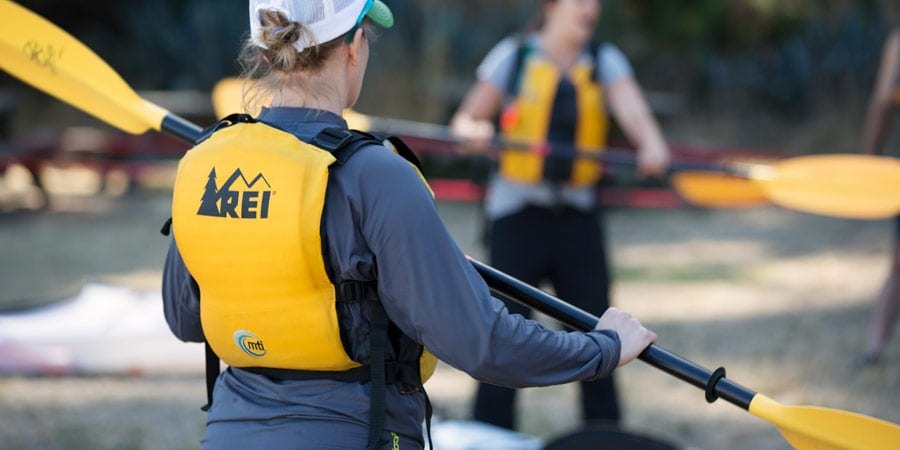
Reasons Why You Should Always Wear A Life Jacket
Many beginners believe that having a life jacket in the kayak is enough. In reality, the safest option is to wear it at all times. Here’s why:
- Accidents happen fast. If your kayak flips, you may not have time to grab your life jacket.
- Cold water shock can stop your muscles from working, making it hard to swim.
- Strong currents can pull you away from your kayak or shore quickly.
- Hidden dangers like rocks, branches, or boats can injure you.
- Rescue teams can spot you more easily if you’re wearing a bright life jacket.
Wearing a life jacket is a small habit that can save your life. Even professional kayakers wear them every time.
Types Of Life Jackets For Kayaking
Choosing the right life jacket is important for comfort and safety. Not all PFDs are the same. Some are made for sailing or fishing, but for kayaking, you need a type that allows you to paddle freely.
Main Types Of Pfds
| Type | Best For | Pros | Cons |
|---|---|---|---|
| Type I (Offshore) | Open, rough water | High buoyancy, turns wearer face up | Bulky, less comfortable |
| Type II (Near-shore) | Calm, inland water | Less bulky than Type I | Not as reliable in rough water |
| Type III (Flotation Aid) | Kayaking, canoeing | Comfortable, good for active use | Will not turn all wearers face up |
| Type V (Special Use) | Specific activities | Tailored features, high comfort | Use only as labeled |
For kayaking, Type III is usually the best choice. It is designed for movement and will not get in the way as you paddle.
Inflatable Vs. Foam Life Jackets
There are two main materials:
- Foam life jackets are always ready to use. Just put them on and go.
- Inflatable life jackets are lighter and less bulky. They inflate when you pull a cord or hit the water.
For beginners, foam is recommended because it works immediately, even if you panic or forget to activate an inflatable one.
How To Choose The Right Life Jacket
Picking the right life jacket is not just about safety—it’s about comfort, too. If your life jacket is uncomfortable, you might be tempted not to wear it. Here’s what to look for:
- Fit: The life jacket should be snug but not tight. It should not ride up over your head when you float.
- Mobility: Choose a style with open arms and a low-profile front. This makes paddling easier.
- Visibility: Bright colors like orange or yellow make you easier to see.
- Adjustable straps: These let you get the perfect fit, even with layers of clothing.
- Pockets and features: Some jackets have pockets for snacks, whistles, or small gear.
A good test is to put on the life jacket, tighten the straps, and lift your arms. If you can move freely, it’s a good fit.
When Can You Kayak Without A Life Jacket?
Some people ask if there are times when you do not need a life jacket. The answer is almost always no. Even in warm, shallow water, accidents can happen. The only time you might remove your life jacket is when you are on land, far from the water.
It’s better to be safe every time, even if you are just practicing close to shore.
There are rare exceptions, such as in organized races where rules allow skilled paddlers to remove their PFDs for a short time. But for most kayakers, this is not recommended.
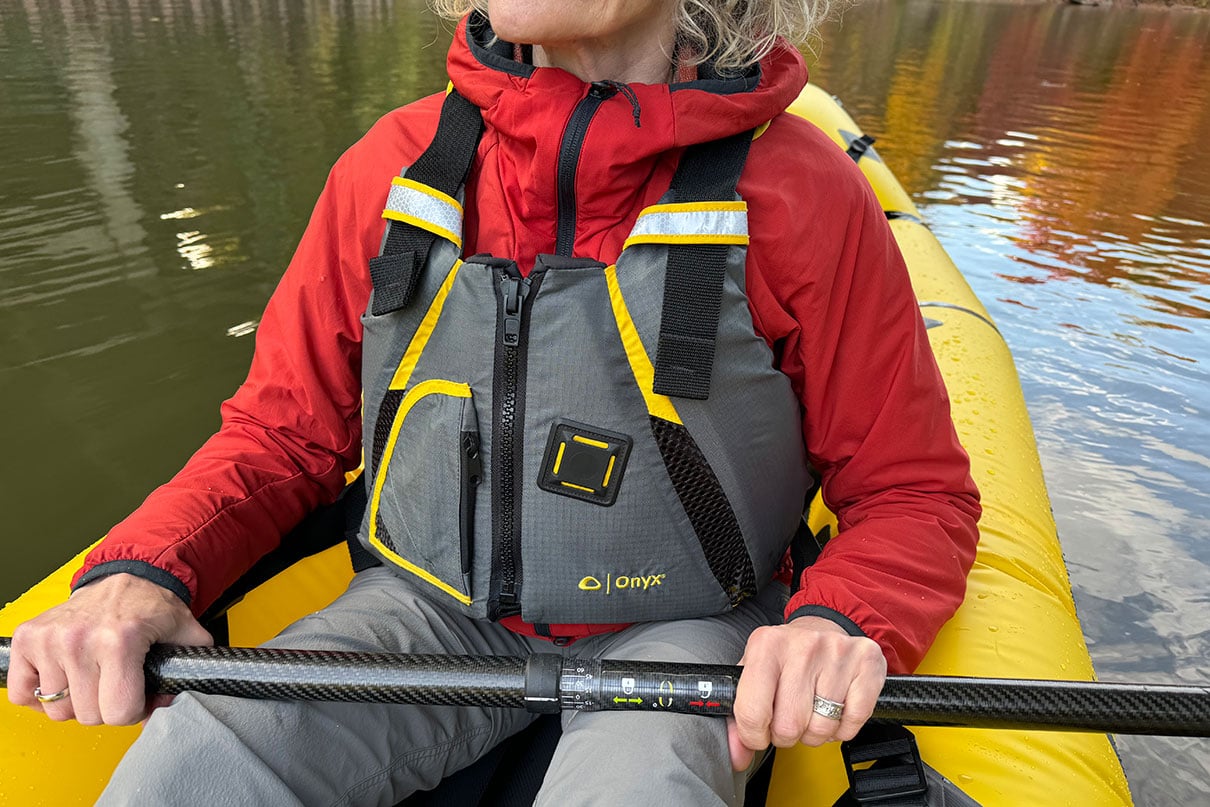
Common Mistakes People Make With Life Jackets
Even with good intentions, many paddlers make mistakes that reduce the safety of their life jackets. Here are some to avoid:
- Wearing the wrong size. A loose jacket can slip off; a tight one is uncomfortable.
- Not fastening straps. Unbuckled straps mean the jacket can come off in the water.
- Using old or damaged jackets. Sunlight and saltwater can weaken the material.
- Relying only on swimming skills. Even strong swimmers can get tired or injured.
- Storing the life jacket under gear. In an emergency, you won’t have time to find it.
What Happens If You Don’t Wear A Life Jacket?
Not wearing a life jacket can have serious consequences. Here’s what can go wrong:
- Fines and penalties: You may be ticketed by the police or park rangers if you break the law.
- Increased risk of drowning: If you capsize, you may not be able to get back in your kayak or swim to safety.
- Delayed rescue: Without a life jacket, rescuers may have trouble spotting you.
- Reduced chance of survival: Cold water and exhaustion set in quickly.
One real-life example: In 2022, a kayaker on Lake Michigan drowned after his boat flipped. He was not wearing a life jacket. If he had worn one, his chances of survival would have been much higher.
Extra Tips For Staying Safe On The Water
It’s not just about the life jacket. Here are a few more tips to keep you safe:
- Check the weather before you go. Avoid kayaking in storms or strong winds.
- Paddle with a friend. Solo kayaking is riskier.
- Tell someone your plan. Let people know where you are going and when you expect to return.
- Carry a whistle or waterproof phone. This helps you call for help.
- Practice capsize drills. Learn how to get back in your kayak if you fall out.
These small steps, along with a good life jacket, make kayaking much safer.
Comparing Kayaking Life Jackets: Comfort And Safety
Choosing a life jacket often comes down to comfort and features. Here’s a quick comparison of two popular types for kayakers.
| Feature | Foam Life Jacket | Inflatable Life Jacket |
|---|---|---|
| Ready to use | Yes | No (needs activation) |
| Weight | Heavier | Lighter |
| Maintenance | Low | High (check CO2 cylinder) |
| Cost | Lower | Higher |
| For beginners | Best choice | Not recommended |
For most kayakers, especially beginners, foam life jackets are the safest and easiest option.
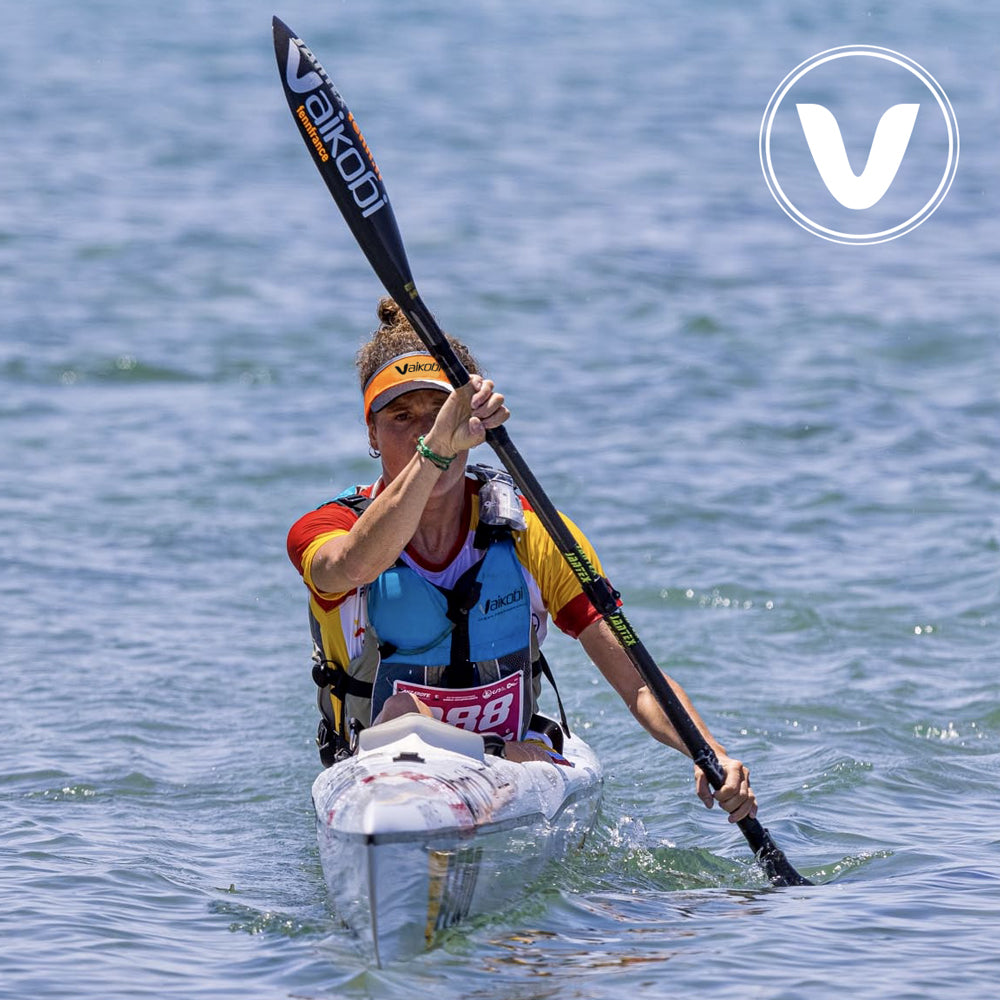
Life Jacket Maintenance: How To Keep It Safe
A life jacket can only protect you if it is in good condition. Here’s how to care for your PFD:
- Rinse with fresh water after use, especially in salt water.
- Dry in the shade. Sunlight can damage the fabric.
- Check for rips, broken straps, or faded material. Replace if damaged.
- Test the buoyancy every year. Put it on and float in shallow water.
- Store in a cool, dry place. Do not crush under heavy gear.
Good care extends the life of your life jacket and keeps you safe every trip.
Life Jackets For Children And Pets
If you take children or pets kayaking, they need life jackets too. Children’s life jackets are sized by weight, not age. Make sure the jacket is Coast Guard-approved and fits snugly.
For dogs, special pet life jackets are available. These have handles to help you lift your pet out of the water.
Never use adult life jackets for children or pets. They will not fit correctly or provide enough safety.
Real-world Statistics: Life Jackets Save Lives
Many studies show how important life jackets are. The U. S. Coast Guard reports that in 2021, 81% of boating deaths were by drowning, and 83% of those victims were not wearing a life jacket. The risk is even higher in small boats like kayaks and canoes.
Other research from Centers for Disease Control and Prevention (CDC) shows that wearing a life jacket reduces the risk of death in boating accidents by more than half.
These numbers are clear: putting on a life jacket is the single most effective way to protect yourself while kayaking.
Frequently Asked Questions
Do I Need A Life Jacket For Kayaking In Calm Water?
Yes, you should always wear a life jacket, even in calm water. Dangers can appear suddenly, such as a boat wake, strong wind, or cold water shock. Calm water can turn dangerous quickly.
Are There Age Rules For Children Wearing Life Jackets While Kayaking?
Yes. In most places, children under a certain age must wear a life jacket at all times when on the water. The age limit varies by country or state. Always check local laws before you go.
Can I Use A Boating Or Fishing Life Jacket For Kayaking?
You can, but it is not ideal. Kayaking life jackets are designed for movement and comfort while paddling. Other types may feel bulky or restrict your arms.
How Do I Know If My Life Jacket Is Approved?
Look for a label inside the life jacket that says “U. S. Coast Guard-approved” or the approval of your country’s authority. Avoid jackets without this mark, as they may not provide proper safety.
What Should I Do If My Life Jacket Gets Damaged?
Replace it immediately. Even small tears or worn straps can make the jacket unsafe. Regularly inspect your life jacket to make sure it will work when you need it.
Kayaking is more fun when you are confident and safe. Wearing a life jacket is one of the simplest, most effective choices you can make. Every time you paddle, remember: your life is worth protecting.

