Choosing the right kayak paddle makes a huge difference in your paddling experience. Whether you are a beginner or an experienced kayaker, the right paddle can help you move faster, feel less tired, and enjoy your time on the water.
But with so many options, shapes, and materials, it’s easy to get confused or overwhelmed. This guide will help you cut through the noise and pick the best kayak paddle for your needs. We’ll look at all the details, compare options, and highlight the common mistakes many buyers make.
Today's Exclusive Deals
Limited-time Exclusive Deals. Check current discount on Amazon.
Check Price on Amazon As an Amazon Associate I earn from qualifying purchases.Why Your Kayak Paddle Choice Matters
Many people focus only on the kayak itself, but the paddle is just as important. The wrong paddle can lead to sore wrists, slow speed, and even injury. The right paddle, on the other hand, feels comfortable in your hands and lets you paddle for hours with less effort. A good paddle fits your body, your kayak, and your style of kayaking.
Paddle Length: Finding Your Fit
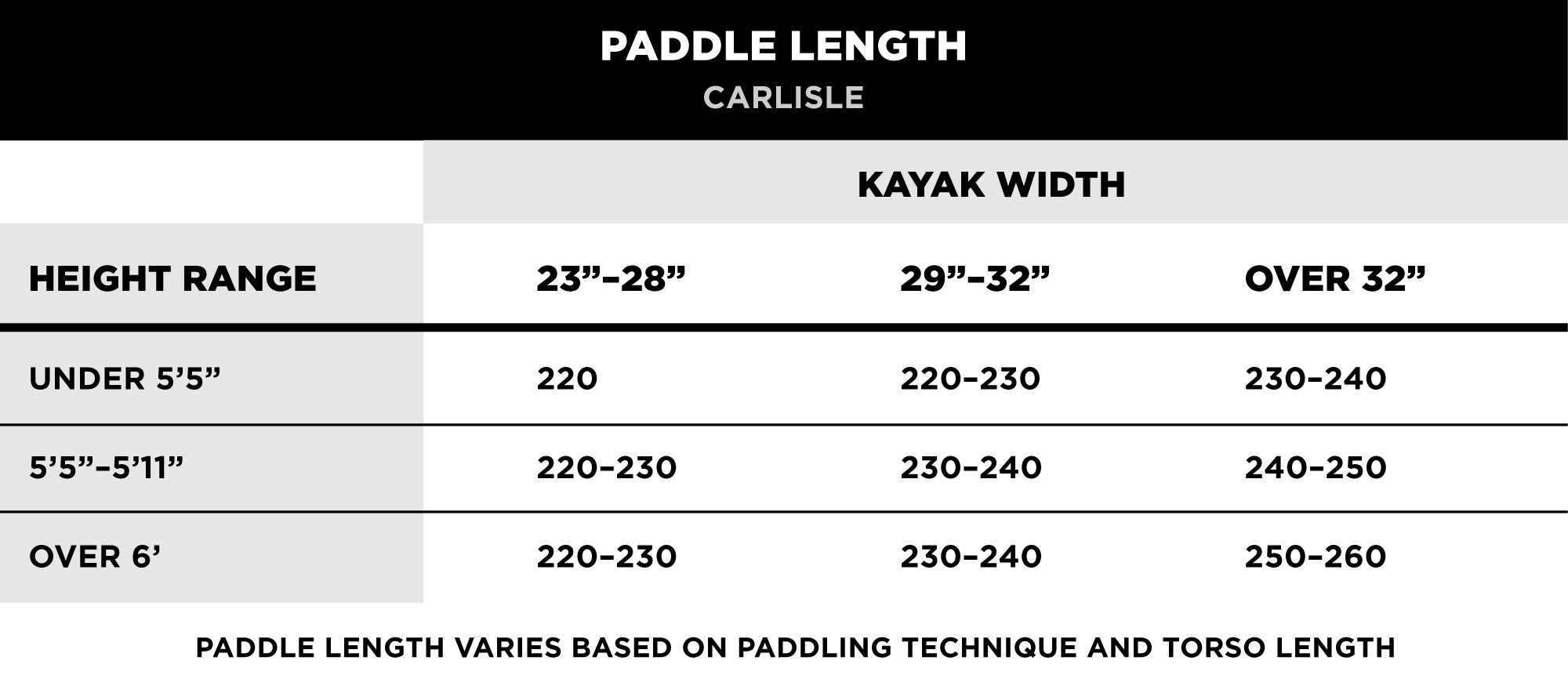
The length of your paddle affects how easy it is to move the kayak and how much energy you use. Here’s what you need to know:
- Kayak width: Wider kayaks need longer paddles so you can reach the water easily.
- Paddler height: Taller paddlers usually need longer paddles.
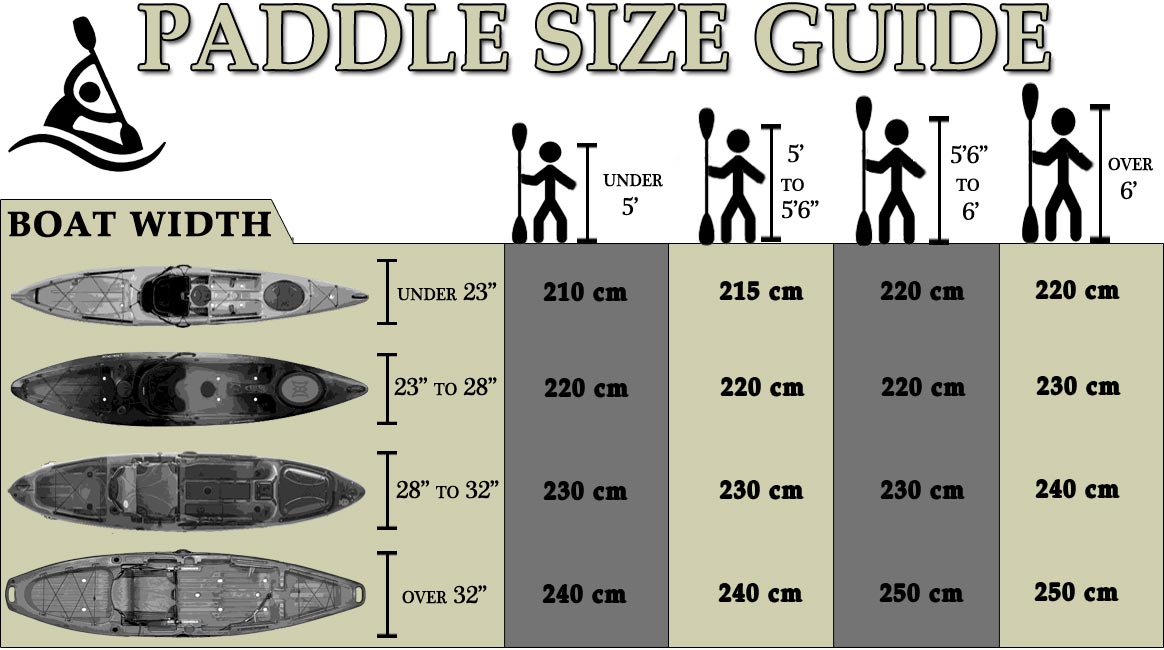
Most people make the mistake of choosing a paddle that is too short or too long. This leads to poor control and more work for your arms and shoulders. Here’s a simple size guide:
| Paddler Height | Kyak Width: Under 24″ | Kyak Width: 24″-28″ | Kyak Width: Over 28″ |
|---|---|---|---|
| Under 5’0″ (152 cm) | 210 cm | 220 cm | 230 cm |
| 5’0″–5’6″ (152–168 cm) | 215 cm | 220 cm | 230 cm |
| 5’6″–6’0″ (168–183 cm) | 220 cm | 230 cm | 240 cm |
| Over 6’0″ (183 cm) | 220 cm | 230 cm | 250 cm |
Quick Tip
If you’re between sizes, choose the shorter paddle for high-angle (aggressive) paddling or the longer one for low-angle (relaxed) paddling.
Paddle Material: Weight, Price, And Durability
Paddle material has a big impact on weight and price. Lighter paddles are easier to use but usually cost more. Here’s a breakdown of the most common materials:
- Aluminum: Strong, affordable, but heavy. Good for beginners or as a spare paddle.
- Fiberglass: Lighter than aluminum, strong, and not too expensive. Great for regular use.
- Carbon Fiber: Very light and stiff, but expensive. Ideal for long trips or those who want the best.
- Plastic/Polypropylene: Cheap and durable, but heavier and less efficient. Often used for paddle blades.
Many new kayakers think all paddles are the same, but the material affects how tired you get, especially on long trips.
Material Comparison
| Material | Weight | Durability | Price |
|---|---|---|---|
| Aluminum | Heavy | High | Low |
| Fiberglass | Medium | Medium-High | Medium |
| Carbon Fiber | Very Light | Medium | High |
| Plastic | Heavy | Very High | Low |
Blade Shape And Size: Power Vs. Efficiency
Kayak paddle blades come in different shapes and sizes. This affects how much power you get with each stroke and how fast you can paddle.
- Wide blades: More power, great for quick turns or moving fast. Used by whitewater kayakers.
- Narrow blades: Less resistance, better for long distances and less tiring.
- Asymmetrical blades: Angled design helps with smooth strokes and reduces flutter.
- Symmetrical blades: Same shape on both sides, simple and easy to use for beginners.
High-angle Vs. Low-angle Blades
- High-angle paddles: Shorter, wider blades for aggressive paddling. Used in fast-moving water or racing.
- Low-angle paddles: Longer, thinner blades for relaxed paddling on flat water.
Many new paddlers don’t realize that blade shape changes how your arms and shoulders move. The wrong blade can make you feel tired much faster.
Paddle Shaft: Shape, Material, And Features
The paddle shaft is what you hold, and its design makes a big difference in comfort and control.
Shaft Shape
- Straight shaft: Simple, common, and works for most people.
- Bent shaft: Has bends that reduce stress on your wrists, good for those with joint pain.
Shaft Material
Similar to blade material, shafts can be aluminum, fiberglass, or carbon. Lighter is usually better, but also more expensive.
Shaft Diameter
Paddle shafts come in standard and small diameters. People with small hands may find a small-diameter shaft more comfortable.
Two-piece Or Four-piece
- Two-piece paddles: Easy to store and transport. Most common.
- Four-piece paddles: Even more compact. Useful for travel or as a spare.
Feathering
Some paddles let you twist the blades so they are at different angles. This is called feathering. Feathered blades cut better through wind and reduce resistance. Most paddles have a push-button to adjust the angle.
| Shaft Feature | Benefit | Drawback |
|---|---|---|
| Bent Shaft | Reduces wrist strain | More expensive |
| Small Diameter | Better for small hands | Not for all users |
| Feathering | Less wind resistance | Can be harder for beginners |
Types Of Kayak Paddles
Not all kayak paddles are the same. The best paddle depends on the type of kayaking you do:
- Recreational paddles: Good for short trips on calm water. Durable and affordable.
- Touring paddles: Designed for long-distance paddling. Lighter, more efficient, and often more expensive.
- Whitewater paddles: Short, strong, with wide blades for quick movements.
- Fishing paddles: May include features like measuring tape, hooks, or a special grip.
Example
A touring paddle would feel awkward and heavy in whitewater, while a whitewater paddle would tire you out quickly on a long lake trip.
Weight And Balance: Don’t Ignore These
New kayakers often overlook paddle weight. After many strokes, a heavy paddle feels much heavier. A lighter paddle, even if it costs more, can reduce fatigue and joint pain. Balance is also important—a paddle that feels “even” in your hands is easier to control.
Cost Vs. Value: What Should You Spend?
Paddle prices range from $30 for basic models to $500+ for high-end carbon paddles. Don’t just buy the cheapest. The extra money for a lighter, well-built paddle is often worth it, especially if you paddle often or go on long trips.
Two non-obvious insights:
- A mid-range fiberglass paddle often gives the best balance of price, weight, and durability for most people.
- Some paddles allow you to swap blades or shafts, letting you upgrade parts over time instead of buying a whole new paddle.
How To Test And Choose Before Buying
If you can, try a paddle before you buy. Here’s how to test:
- Grip the shaft: It should feel comfortable. Your fingers should wrap around easily.
- Swing the paddle: It should feel light and balanced, not tip-heavy.
- Simulate paddling: Move the blades in the air. Any awkwardness will get worse on the water.
If buying online, check return policies and reviews. Look for brands known for quality and customer service.
Common Mistakes To Avoid
- Buying by price alone: Cheap paddles are heavy and tiring.
- Wrong length: Too long or too short makes paddling harder.
- Ignoring shaft diameter: Small hands need small-diameter shafts.
- Overlooking feathering: Adjustable blades are helpful in wind.
- Not considering your main activity: Different styles need different paddles.
Accessories And Extras
Some paddles come with helpful extras:
- Drip rings: Keep water from running down the shaft onto your hands.
- Grip tape: Improves hold and comfort.
- Measuring tape: Built into fishing paddles for measuring your catch.
While not essential, these features can make your paddling more comfortable and enjoyable.
Caring For Your Kayak Paddle
A good paddle lasts longer if you care for it properly:
- Rinse with fresh water after use, especially in saltwater.
- Check for cracks or damage regularly.
- Store out of direct sunlight to prevent fading and warping.
- Take apart two-piece or four-piece paddles before storage.
A well-maintained paddle will serve you for years.

Making The Final Choice
Think about your paddling style, your kayak, and your body size. Choose a paddle that fits your main activity, feels good in your hands, and matches your budget. Remember, a better paddle means more fun and less fatigue on the water. For more in-depth technical details, visit Wikipedia.
Frequently Asked Questions
What Is The Best Kayak Paddle Length For Beginners?
Most beginners do well with a paddle between 220–230 cm, but the best length depends on your height and kayak width. Use a sizing chart and, if unsure, try before you buy.
How Does Blade Shape Affect Paddling?
Wide blades give more power and are better for quick, short strokes. Narrow blades are easier for long distances and reduce fatigue. Choose based on your activity.
Are Expensive Kayak Paddles Worth It?
If you paddle often or for long trips, a lighter, more expensive paddle (like fiberglass or carbon) reduces tiredness and is more comfortable. For casual use, a mid-range paddle is fine.
What Is Feathering And Do I Need It?
Feathering is when the blades are set at different angles. It helps cut through wind and reduces resistance. Many paddles let you adjust the feather angle. It’s useful, but not required for beginners.
Can I Use The Same Paddle For All Types Of Kayaking?
You can, but a paddle designed for your main activity (like touring or whitewater) will perform better and feel more comfortable. Using the wrong paddle can make kayaking harder than it should be.
Choosing the right kayak paddle is about matching your needs, body, and style. Take your time, test if possible, and invest in a paddle that will make every moment on the water more enjoyable.