Kayaking gives people a unique way to explore water. Whether you’re gliding over a calm lake, paddling down a winding river, or facing ocean waves, the kayak you choose changes everything about the experience. One design stands out for its comfort, speed, and versatility: the sit-inside kayak. Many new paddlers ask, “What is a sit-inside kayak, and why would I choose it?” The answer is not as simple as it seems. While these kayaks have a classic look, their advantages and uses can surprise even experienced paddlers.
Let’s explore what makes a sit-inside kayak special, how it compares to other types, and what you need to know before getting on board.
Today's Exclusive Deals
Limited-time Exclusive Deals. Check current discount on Amazon.
Check Price on Amazon As an Amazon Associate I earn from qualifying purchases.Defining The Sit-inside Kayak
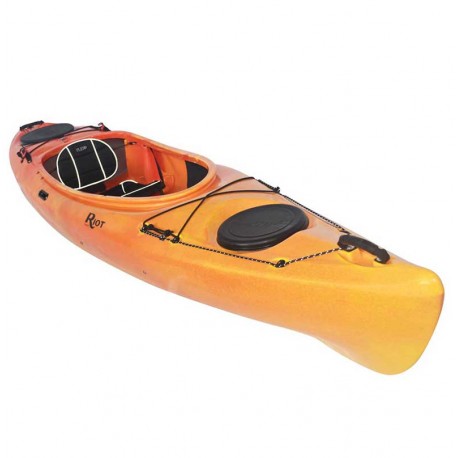
A sit-inside kayak is a type of kayak where the paddler sits inside the hull, with legs and lower body enclosed by the boat. The cockpit is an opening on the top surface. You slide in, usually feet first, and your lower body is protected from wind, water, and sun.
This design is different from a sit-on-top kayak, where you sit on a molded seat above the deck, exposed to the elements. The sit-inside style is what most people imagine when they think of classic kayaking.
Key Features Of Sit-inside Kayaks
Several design features set sit-inside kayaks apart from other types. Knowing these can help you decide if this style fits your paddling goals.
Today's Exclusive Deals
Limited-time Exclusive Deals. Check current discount on Amazon.
Check Price on Amazon As an Amazon Associate I earn from qualifying purchases.- Cockpit: The cockpit is a rounded or oval hole on top of the kayak. It’s large enough for you to enter and exit, but small enough to keep water out.
- Enclosed Hull: The hull surrounds your legs and hips, creating a snug fit. Many sit-inside kayaks also offer adjustable foot pegs and thigh braces for comfort and control.
- Spray Skirt Option: You can attach a spray skirt (a waterproof cover) around the cockpit rim, sealing out water and cold air. This is especially useful in rough or cold conditions.
- Lower Center of Gravity: Because you sit lower in the boat, you get better balance and more efficient paddling.
- Storage Compartments: Many sit-inside kayaks have dry storage areas inside the hull, usually sealed with hatches.
Types Of Sit-inside Kayaks
Not all sit-inside kayaks are the same. There are different models for specific activities. Here are the most popular types:
Recreational Sit-inside Kayaks
- Shorter (9-12 feet)
- Wide and stable
- Large cockpit for easy entry/exit
- Best for calm lakes, slow rivers, and beginners
Touring Sit-inside Kayaks
- Longer (12-18 feet)
- Sleek, narrow design
- Smaller cockpit, often with thigh braces
- Built for speed and long-distance paddling on big lakes or sea
Whitewater Sit-inside Kayaks
- Short (6-9 feet)
- Highly maneuverable
- Strong, impact-resistant hull
- Small cockpit for tight fit and control in rapids
Crossover Sit-inside Kayaks
- Mix features of touring and whitewater
- Medium length, moderate width
- Good for paddlers who want to try different environments
Sit-inside Vs. Sit-on-top: How Do They Compare?
Choosing between a sit-inside and a sit-on-top kayak is a big decision. The right choice depends on your comfort, skill, and paddling location. Here’s a side-by-side look:
| Feature | Sit-Inside Kayak | Sit-On-Top Kayak |
|---|---|---|
| Seating Position | Inside hull | On open deck |
| Stability | Lower center of gravity | Often wider, more stable for beginners |
| Water Protection | Better (especially with spray skirt) | Exposed to splashes and rain |
| Ease of Entry/Exit | May require practice | Very easy |
| Storage | More dry storage inside hull | Open storage, usually with bungees |
| Best For | Cooler climates, long trips | Warm weather, casual paddling |
Non-obvious insight: Many beginners believe sit-on-top is always safer because you can easily exit. But in cold water, a sit-inside kayak keeps you drier and warmer, which can be safer for long paddles.
Advantages Of Sit-inside Kayaks
Why do so many experienced paddlers choose sit-inside designs? Here are the main benefits:
Today's Exclusive Deals
Limited-time Exclusive Deals. Check current discount on Amazon.
Check Price on Amazon As an Amazon Associate I earn from qualifying purchases.1. Weather Protection
The enclosed cockpit shields your lower body from wind, cold, and splashing water. With a spray skirt, you can paddle in rain or snow without getting soaked. This makes sit-inside kayaks popular in cold climates.
2. Efficient Paddling
Sitting lower in the hull gives you a better center of gravity. This means more power and less effort with each stroke. Touring models glide quickly across water, making them a favorite for long trips.
3. Dry Storage
Most sit-inside kayaks offer sealed compartments inside the hull. You can store extra clothes, food, or camping gear and keep them dry. Some models even offer space big enough for overnight trips.
4. Advanced Control
The snug fit of the cockpit and adjustable foot pegs help you control the kayak with your body. You can edge, lean, and perform advanced maneuvers, which is harder on open-deck boats.
5. Versatility
From flat lakes to wild rivers, sit-inside kayaks come in models designed for every environment. Whether you want a relaxed paddle or an adrenaline rush, there’s a sit-inside kayak for you.
Drawbacks To Consider
No kayak is perfect for every situation. Sit-inside models have some downsides:
- Capsize Recovery: If you flip, getting back in is harder than with a sit-on-top. You may need to learn “wet exit” and “self-rescue” techniques.
- Less Accessible: The cockpit can feel tight, especially for larger paddlers or those with mobility issues.
- Not Ideal for Hot Weather: You may get warm inside the hull on hot days, especially with a spray skirt.
- Learning Curve: Some beginners feel nervous about being “trapped” inside, though this fear usually disappears with practice.
Non-obvious insight: Many people worry about getting stuck in a sit-inside kayak if it flips. In reality, the cockpit is designed for easy exit. Most paddlers naturally fall out during a capsize.
.webp?tx=f_auto,q_auto)
Who Should Choose A Sit-inside Kayak?
Sit-inside kayaks are not just for experts. Here’s who might benefit most:
- Cold-weather paddlers: You stay drier and warmer.
- Tourers and campers: Need to cover long distances or carry gear.
- Whitewater enthusiasts: Require more boat control.
- Fitness paddlers: Want speed and efficiency.
- Intermediate and advanced kayakers: Looking for more technique options.
But if you want to hop on and off easily, or mostly paddle in warm, shallow water, a sit-on-top might be better.
How To Choose The Right Sit-inside Kayak
Picking the best sit-inside kayak depends on several factors. Here’s what matters most:
1. Length And Width
- Shorter (9-12 feet): Easy to turn, good for rivers or beginners
- Longer (12-18 feet): Tracks better, faster, best for open water
Wider kayaks are more stable, but slower. Narrower models are faster, but less stable for beginners.
2. Cockpit Size
A large cockpit means easy entry and exit. A small cockpit offers better control but can feel snug. Try sitting in the kayak before buying.
3. Weight And Material
- Plastic (polyethylene): Affordable, tough, but heavier
- Composite (fiberglass, carbon): Light and fast, but expensive and less durable
If you need to carry your kayak often, weight matters.
4. Storage Needs
Consider how much gear you want to bring. Touring models have large hatches and bulkheads for dry storage.
5. Comfort Features
Look for adjustable foot pegs, padded seats, and thigh braces. These make long paddles more enjoyable.
6. Price
Sit-inside kayaks range from $300 for basic models to over $3,000 for high-end touring or racing kayaks.
| Kayak Type | Typical Length | Average Price Range (USD) | Best For |
|---|---|---|---|
| Recreational | 9-12 ft | $300-$800 | Calm water, beginners |
| Touring | 12-18 ft | $900-$2500 | Long trips, open water |
| Whitewater | 6-9 ft | $600-$1500 | Rivers, rapids |
| Crossover | 10-12 ft | $800-$1800 | Multi-environment |
Essential Skills For Sit-inside Kayak Owners
To get the most from a sit-inside kayak, you should learn a few important skills:
- Wet Exit: Practice how to quickly exit the kayak if you flip.
- Self-Rescue: Learn to get back inside your kayak while on the water.
- Spray Skirt Use: Know how to attach and remove a spray skirt safely.
- Bracing and Edging: Use your body to balance and turn the kayak.
- Packing Gear: Store your items in dry bags and balance weight for stability.
Many local paddling clubs or outfitters offer lessons for these skills. Learning them builds confidence and safety.
Maintenance And Care Tips
A sit-inside kayak can last many years with simple maintenance:
- Rinse with fresh water after use, especially after saltwater paddling.
- Store out of direct sunlight to prevent UV damage.
- Check for leaks around hatches and bulkheads.
- Lubricate metal parts (foot pegs, rudders) as needed.
- Dry the inside thoroughly to avoid mold and odors.
If storing outside, use a weatherproof cover.
Real-world Example: Sit-inside Kayak For Overnight Trip
Imagine you want to paddle across a large lake and camp on an island. You pack your tent, sleeping bag, food, and extra clothes in dry bags. With a touring sit-inside kayak, you load gear into two sealed hatches, keeping everything dry if waves splash over the deck.
The low seating and sleek hull let you paddle efficiently for hours. With a spray skirt, you stay warm even if the wind picks up. This is the kind of adventure where a sit-inside kayak shines.
Environmental Impact
Sit-inside kayaks, like all kayaks, are a low-impact way to explore nature. They don’t use fuel or make noise that disturbs wildlife. Many brands now use recycled materials and eco-friendly processes. Always follow local rules to protect sensitive waterways.
Where To Learn More
Many national parks, outdoor clubs, and kayak shops offer lessons and test paddles. For technical details and kayak history, the Wikipedia Kayak page is an excellent starting point.
Frequently Asked Questions
What Is The Main Difference Between A Sit-inside And Sit-on-top Kayak?
The biggest difference is where you sit. In a sit-inside kayak, your legs and lower body are inside the hull, protected from water and wind. In a sit-on-top kayak, you sit on an open seat above the deck, fully exposed.
Is A Sit-inside Kayak Good For Beginners?
Yes, especially recreational models. They are stable and easy to paddle on calm water. However, beginners should practice getting in and out, and learn basic safety skills like the wet exit.
Can I Use A Sit-inside Kayak In The Ocean?
You can, but choose a touring or sea kayak designed for open water. Use a spray skirt and be sure you know self-rescue techniques, as conditions can change quickly.
What Is A Spray Skirt And Do I Need One?
A spray skirt is a waterproof cover that seals the cockpit opening. It keeps water out, especially in rain or waves. You need one for cold or rough water, but it’s optional for calm, warm days.
How Should I Store A Sit-inside Kayak?
Store it indoors if possible, or under a weatherproof cover outdoors. Keep it out of direct sun and dry the inside to prevent mold. Store it on its side or upside down on padded supports.
Exploring with a sit-inside kayak opens up new adventures, from peaceful lakes to wild rivers. With the right knowledge and preparation, you’ll find this classic design offers both comfort and excitement on the water.