Choosing between an electric and a manual pump is a decision many new parents face. The right choice can make feeding routines smoother and less stressful. Both types of pumps have their own strengths and limitations, and what works for one person may not work for another.
Exclusive Deals
Limited-time Exclusive Deals. Check current discount on Amazon.
Check Price on Amazon As an Amazon Associate I earn from qualifying purchases.This article dives deep into the details, so you can pick the best option for your needs with confidence.
Understanding Breast Pumps
Before comparing electric and manual pumps, it helps to know how each works. Electric pumps use a motor to create suction and extract milk. They often have adjustable speed and suction levels, and can be single or double (pumping one or both breasts at a time). Manual pumps rely on hand power—squeezing a handle or lever to generate suction. They are usually simpler and lighter.
Core Differences: Electric Vs. Manual Pumps
Many parents ask, “Is it better to use an electric or manual pump?” To answer, let’s look at the main differences:
Exclusive Deals
Limited-time Exclusive Deals. Check current discount on Amazon.
Check Price on Amazon As an Amazon Associate I earn from qualifying purchases.| Feature | Electric Pump | Manual Pump |
|---|---|---|
| Power Source | Electricity/Batteries | Hand-operated |
| Pumping Speed | Faster, adjustable | Slower, depends on user |
| Noise Level | Some noise | Very quiet |
| Cost | Higher | Lower |
| Portability | Less portable | Highly portable |
| Maintenance | More parts to clean | Fewer parts |
When An Electric Pump Is Better
Electric pumps have become popular for good reasons. They offer speed and efficiency, especially for those who need to pump often or build a freezer stash.
Saving Time
If you plan to pump several times a day—such as returning to work—electric pumps are a time-saver. Double electric pumps can express milk from both breasts at the same time, cutting pumping time in half. For example, a typical session with an electric double pump takes about 15-20 minutes, while a manual pump may take twice as long.
More Milk Output
Studies show that electric pumps, especially hospital-grade or high-quality models, can help mothers produce more milk. The consistent, steady suction is hard to achieve manually. If you have low supply or need to increase production, electric pumps give you an edge.
Exclusive Deals
Limited-time Exclusive Deals. Check current discount on Amazon.
Check Price on Amazon As an Amazon Associate I earn from qualifying purchases.Hands-free Convenience
Some electric pumps work with hands-free bras. This lets you do other tasks while pumping—answer emails, read, or even eat. Manual pumps require both hands, so multitasking is not possible.
Useful For Medical Needs
If your baby is in the NICU, or cannot nurse directly, electric pumps are often recommended by hospitals. They are reliable for frequent, long-term use.
When A Manual Pump May Be Better
Manual pumps are not just for emergencies or travel. They have unique advantages, especially for occasional use or specific situations.
Portability
Manual pumps fit easily in a purse or diaper bag. They do not need batteries or a power outlet, making them perfect for travel, outings, or work breaks. If you need to pump discreetly in a bathroom or car, a manual pump is easy to carry and use.
Budget-friendly
For families on a budget, manual pumps are much less expensive. While a good electric pump can cost anywhere from $100 to $350, a manual pump is usually $20 to $50. Insurance may cover some electric pumps, but not always.
Quiet Operation
Manual pumps are nearly silent. If you want to pump at night without waking the baby or your partner, this is a big advantage. Electric pumps can be noisy—even the quietest models create a hum.
Simple To Clean
With fewer parts and no motor, manual pumps are quick to clean. This is useful if you have limited time or no access to a dishwasher.
Emergency Backup
Even if you use an electric pump daily, having a manual pump as backup is smart. Power outages, broken chargers, or a forgotten adapter can happen. A manual pump ensures you are never caught off guard.

Comparing Comfort And Ease Of Use
Comfort plays a big role in choosing a pump. Some people find electric pumps uncomfortable, especially if the suction is too strong. Others dislike the repetitive squeezing of a manual pump, which can tire the hands.
Suction Control
Most electric pumps offer adjustable suction and speed. You can find a setting that mimics your baby’s feeding pattern. This makes pumping more comfortable and can help stimulate let-down. Manual pumps also let you control suction, but it depends on how you squeeze.
Nipple Sensitivity
If you have sensitive nipples or are prone to soreness, a manual pump can feel gentler since you control the rhythm. However, some people find electric pumps with soft silicone flanges more comfortable. Trying both types, if possible, helps you decide.
Learning Curve
Manual pumps require practice to get the right motion and rhythm. Some users say the first few sessions feel awkward. Electric pumps are more “plug-and-play,” but reading the manual and proper flange sizing are still important.
Milk Expression Efficiency
The main goal of any breast pump is to express milk efficiently. How do the two types compare in real life?
| Pumping Scenario | Electric Pump | Manual Pump |
|---|---|---|
| Daily pumping (3+ times/day) | Highly effective | Can be tiring |
| Occasional use (once/day or less) | Effective, but may be less convenient | Very convenient |
| Expressing for freezer stash | Best choice | Possible, but slow |
| Relieving engorgement | Works well | Works well |
| On-the-go pumping | Needs battery or power | Very easy |
Maintenance And Cleaning
Electric pumps have more parts—tubing, valves, motor units, sometimes batteries. They need regular cleaning and occasional replacement of parts. Manual pumps are simpler, usually with just a few pieces.
Cleaning Time
Manual pumps can often be cleaned in under five minutes. Electric pumps may take longer, especially if you need to wash tubing or tiny valves. For busy parents, this difference adds up over weeks and months.
Reliability
Electric pumps have motors that can fail, batteries that die, or parts that wear out. Manual pumps rarely break and are easy to replace if they do.
Cost Analysis
Price is a big factor for many families. Here’s a simple cost breakdown:
| Pump Type | Initial Cost | Ongoing Costs | Typical Lifespan |
|---|---|---|---|
| Electric | $100 – $350 | Replacement parts, electricity/batteries | 1-3 years |
| Manual | $20 – $50 | Minimal | 1-2 years |
Insurance may cover part or all of an electric pump’s cost, but not always. Manual pumps are usually not covered.

Non-obvious Insights
Some parents believe that more expensive pumps are always better, but the most expensive electric pump is not always the most comfortable or effective for every person. Flange size and fit matter just as much as pump power. If you use the wrong flange, both electric and manual pumps can feel uncomfortable and reduce milk output.
Another detail: let-down reflex. Some people find that manual pumps, which allow you to control the rhythm, can trigger let-down more easily than electric pumps. Others do better with electric pumps that have “let-down” modes. The only way to know is to try both types if possible.
Common Mistakes When Choosing
- Ignoring comfort – Picking a pump just for speed or cost, without considering how it feels, can backfire. Uncomfortable pumps reduce milk output.
- Not checking insurance – Many do not know their insurance may cover a pump. Call your provider before buying.
- Using the wrong flange size – This applies to both types. Measure and choose carefully.
- Expecting one pump to do it all – Many parents end up with both types. Using a manual pump for travel and an electric at home is common.
- Not cleaning enough – Skipping cleaning steps can lead to mold or bacteria growth.
Which Pump Is Right For You?
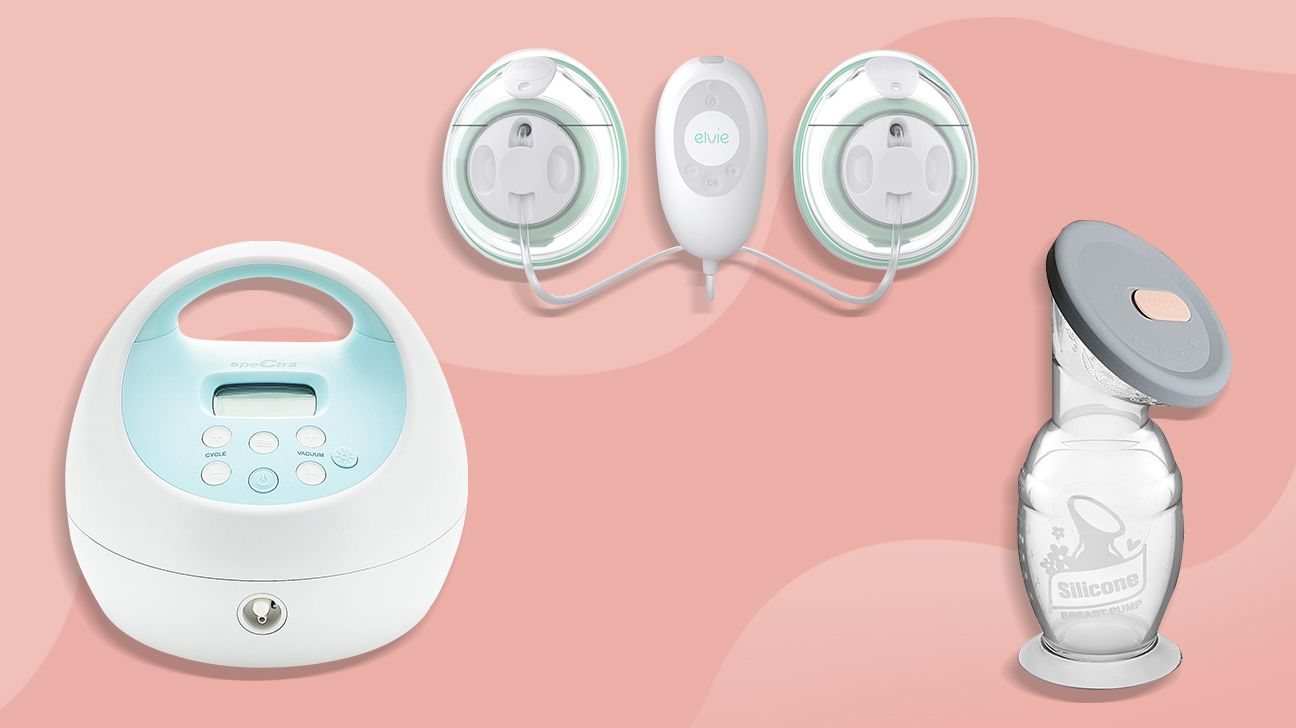
The best pump depends on your lifestyle, budget, and milk expression needs. Here’s a quick decision guide:
- Choose electric if: You pump often, need speed, want to build a stash, or have medical reasons.
- Choose manual if: You pump occasionally, need portability, or want a backup.
- Consider both: If you want maximum flexibility.
Personal experience and comfort matter more than features on a box. If possible, borrow or rent before buying.
Real-world Examples
Maria, a working mother, found an electric double pump essential for her daily routine. She could finish pumping in 15 minutes during lunch breaks. However, she always kept a manual pump in her bag in case of power outages or travel.
Jin, who pumped occasionally while at home, preferred a manual pump. It was quiet, easy to clean, and didn’t need any setup.
These stories show that the right choice depends on your own needs, not just what’s popular.
Expert Recommendations
Lactation consultants often suggest starting with a high-quality electric pump if you plan to pump more than once a day. For those who pump less often, a manual pump may be enough. Many parents end up using both, depending on the situation. For more on choosing the right breast pump, see this guide by the La Leche League International.
Frequently Asked Questions
How Often Should I Replace Breast Pump Parts?
Most electric pump parts should be replaced every few months, depending on use. Check manufacturer guidelines. Manual pumps usually need only occasional replacement of valves or seals.
Can I Use Both An Electric And A Manual Pump?
Yes, many parents use both. An electric pump can be used at home or work, while a manual is handy for travel or emergencies.
Is A Manual Pump Enough For Exclusive Pumping?
It can be, but manual pumping several times a day is tiring and time-consuming. Most exclusive pumpers prefer electric pumps for efficiency.
Do Manual Pumps Hurt Less Than Electric Pumps?
Some people find manual pumps gentler because they control the suction. Others prefer the consistent motion of an electric pump. Comfort depends on flange size, suction, and personal preference.
Are Hospital-grade Electric Pumps Better?
Hospital-grade pumps are designed for frequent, heavy use and often offer more powerful suction and better durability. They are usually rented, not bought, and are best for mothers with special medical needs or those with premature babies.
Making the right choice between an electric and manual pump depends on your routine, comfort, and goals. Try to test both if you can, listen to your body, and don’t hesitate to ask a lactation consultant for guidance. The most important thing is finding what helps you and your baby thrive.