
If you own a paddle board, you know how important the pump is. Without it, your inflatable paddle board stays flat, and your day on the water never begins. But after every trip, many people forget about their paddle board pump until the next outing.
Storing your pump the right way is not just about keeping things tidy. It helps your pump last longer, work better, and saves you money on repairs or replacements. Many beginners toss their pump in the garage or shed, but this simple mistake can damage your pump over time.

Today's Exclusive Deals
Limited-time Exclusive Deals. Check current discount on Amazon.
Check Price on Amazon As an Amazon Associate I earn from qualifying purchases.Let’s look at how to store your paddle board pump safely and keep it in top shape for every adventure.
Why Proper Storage Matters
A paddle board pump is more than plastic and metal. Inside, it has moving parts, seals, and sometimes electronics (if it’s electric). If you store it carelessly, dust, moisture, sunlight, and even pests can cause problems. Pumps that are left in bad conditions often develop issues like:
- Stuck pistons due to dust or rust
- Cracked hoses from sun or temperature changes
- Warped plastic from heat
- Broken seals from being squashed or bent
These problems are not just annoying—they can make your pump useless. A good storage habit protects your investment and ensures your paddle board is always ready to use.
Choosing The Best Place To Store Your Pump
Where you keep your paddle board pump matters a lot. The wrong environment can quickly shorten the life of your pump.
Ideal Storage Conditions
- Dry area: Moisture causes rust and mold, especially inside the pump.
- Cool temperature: High heat can warp plastic and damage rubber seals.
- Away from direct sunlight: UV rays make plastic and rubber brittle.
- Clean location: Dust and dirt can get inside the pump and wear out moving parts.
A closet, storage room, or a section of your garage (away from windows) works well. If you use a shed, make sure it stays dry and does not get too hot.
Avoid Problem Areas
Stay away from spots like:
- Damp basements
- Hot car trunks (especially in summer)
- Areas with strong chemicals (fumes can damage rubber parts)
- Outdoor locations without protection
If you have no choice but to use a less-than-ideal area, consider a sealed plastic container for extra protection.
Preparing Your Pump For Storage
Before you store your pump, a few simple steps make a big difference. Many people skip these, but they help your pump last years longer.
Clean It First
After each use, especially at the beach or river, sand and dirt stick to your pump. Always:
- Wipe down the outside with a damp cloth
- Clean the hose (blow through it or run water if needed)
- Let everything dry completely before putting it away
Check For Damage
Look for cracks, leaks, or worn-out seals. Fix small problems now—waiting makes them worse.
Disassemble When Needed
If your pump has removable parts (like the hose or handle), disconnect them before storing. This prevents stress on the fittings and makes everything fit better in small spaces.
Coil The Hose Properly
Never fold or sharply bend your hose. Instead, make loose coils and avoid tight loops. This keeps the hose flexible and stops it from cracking.
Storing Different Types Of Paddle Board Pumps
Not all pumps are the same. The way you store your pump depends on whether it’s manual or electric.
Manual Pumps
Manual pumps are simple, but they still need care.
- Always store upright if possible, especially double-action pumps. This keeps the internal piston in a neutral position.
- Keep the hose and any attachments in a small bag or box beside the pump.
- Avoid putting heavy objects on top of the pump or hose.
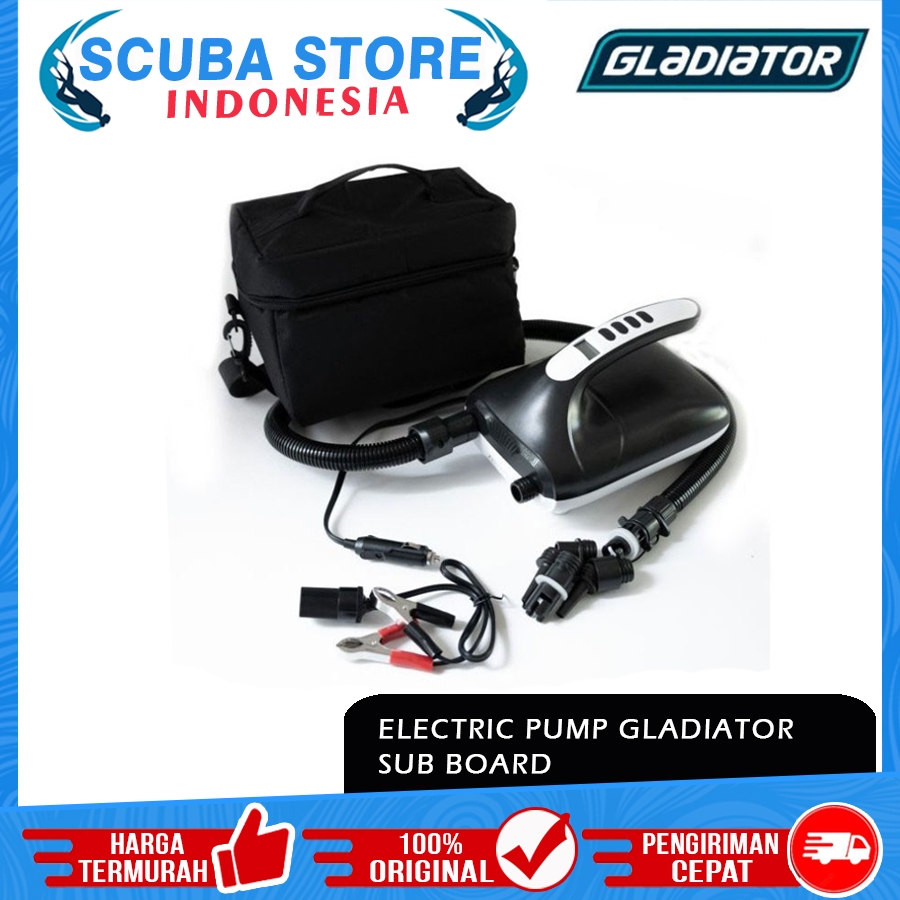
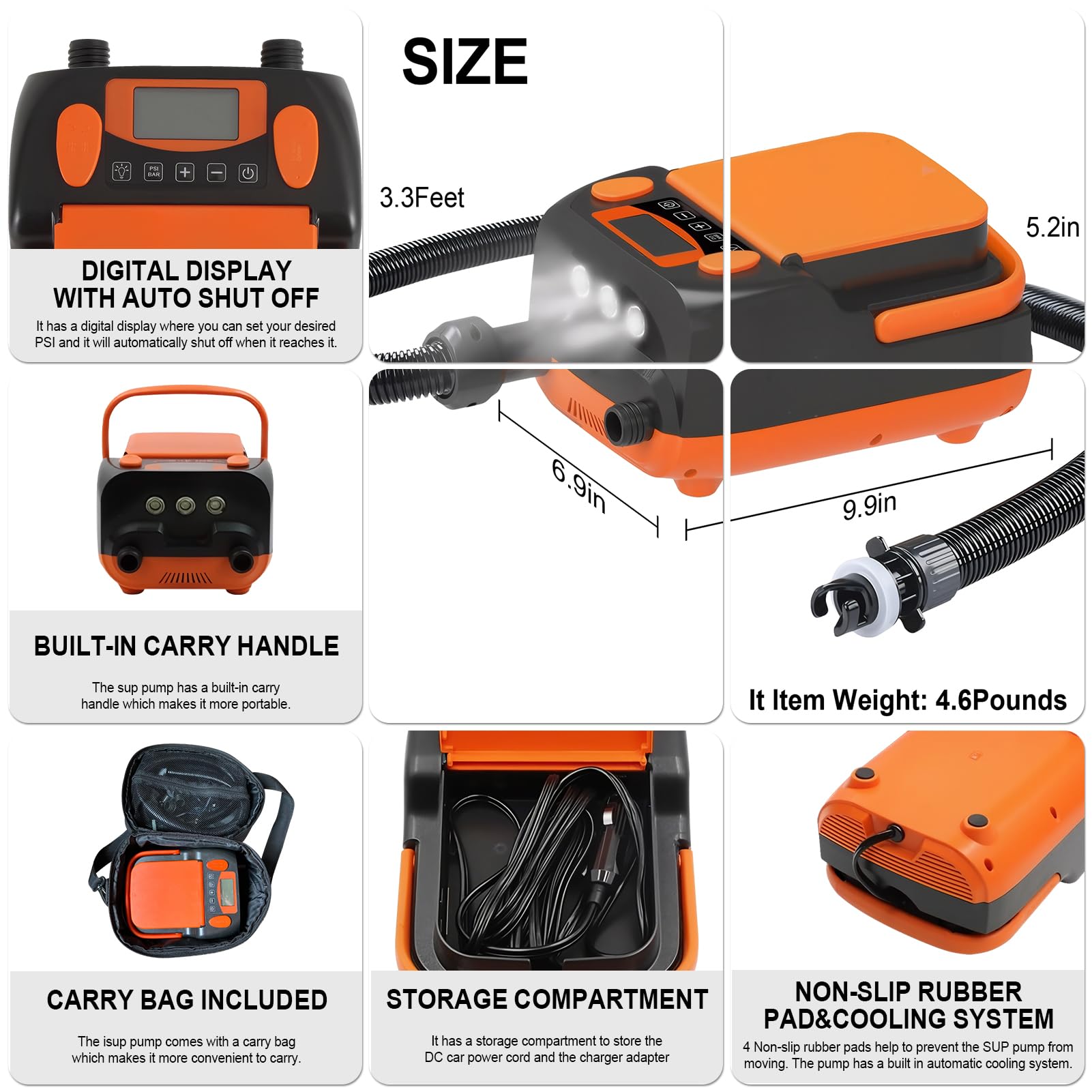
Electric Paddle Board Pumps
Electric pumps have extra parts and can be more delicate. Inside, they have fans, motors, and sometimes batteries.
- Store in a padded bag or box to protect the electronics.
- Remove the battery if possible, especially for long-term storage.
- Keep the charging cable and adapters in a separate pouch.
- Never leave an electric pump plugged in or with a battery installed for months.
- If you live in a humid place, include a small silica gel pack in the storage box to absorb moisture.

How Long Can You Store A Paddle Board Pump?
Many people only use their paddle board in summer. That means your pump spends months in storage. If stored well, a manual pump can last 5–10 years or more. Electric pumps are more sensitive and usually last 3–5 years with good care.
Here’s a quick comparison of storage times and care needs:
| Type of Pump | Average Lifespan (Stored Properly) | Key Storage Tips |
|---|---|---|
| Manual | 5–10 years | Keep dry, avoid weight on hose, store upright |
| Electric | 3–5 years | Remove battery, padded storage, avoid humidity |
Organizing Your Paddle Board Gear
Paddle boarders often have a lot of gear—board, pump, paddle, life jacket, and more. Storing your pump with the rest of your equipment saves time and keeps things tidy.
Storage Ideas
- Use a large plastic bin or waterproof gear bag.
- Hang the pump and hose on wall hooks in your garage or closet.
- Keep everything together so you never forget the pump on your way to the water.
Keeping your storage system simple makes it easy to grab everything and go.
Mistakes To Avoid When Storing A Paddle Board Pump
Even experienced paddle boarders make simple mistakes. Here are some to watch out for:
- Leaving sand or water inside: This can corrode parts or cause mold.
- Coiling the hose too tightly: Leads to cracks and leaks.
- Storing with the hose attached: This can stress the connection and make it loose.
- Placing heavy gear on top: Flattens hoses and can warp plastic parts.
- Ignoring battery care in electric pumps: Batteries left in for months can leak or lose charge.
These mistakes are easy to avoid if you follow the right steps.
Extra Tips For Long-term Storage
If you’re storing your paddle board pump for the winter or for several months, a bit of extra care goes a long way.
- Put a small packet of silica gel inside the storage box to absorb moisture.
- For electric pumps, charge the battery to about 50% before storage (not full or empty).
- Check the pump every 2–3 months to spot any early problems.
- Label your storage bin or area so you can find your pump quickly next season.
Paddle Board Pump Storage Vs. Other Sports Pumps
It’s easy to think a paddle board pump is like a bike or ball pump, but there are important differences. Paddle board pumps move a lot more air and often work at higher pressures.
Here’s a table to show the differences:
| Pump Type | Pressure Range | Common Storage Issues |
|---|---|---|
| Paddle Board Pump | 12–20 PSI | Hose cracks, piston sticking, seal drying |
| Bicycle Pump | 30–120 PSI | Valve wear, rust, hose leaks |
| Ball Pump | 4–12 PSI | Needle bending, rust, gasket drying |
Because paddle board pumps have larger hoses and more complex seals, they need better protection from temperature and sunlight than simple ball or bike pumps.
Two Insights Many Beginners Miss
Most beginners focus only on the paddle board itself and forget the pump is just as important for long-term enjoyment. Here are two insights that most people don’t realize:
- A damaged hose ruins the pump: Even a tiny crack in the hose means your pump loses pressure and becomes useless. It’s often hard to find replacement hoses for paddle board pumps, so protecting the hose is key.
- Electric pumps can lose calibration: If stored in very hot or cold places, electric pumps may show the wrong pressure or shut off at the wrong time. Keeping them in stable temperatures helps them stay accurate.
These two points often surprise new paddle boarders, but they make a big difference in practice.
What To Do Before Your Next Paddle Boarding Trip
When you’re ready to use your paddle board again, take a few minutes to check your pump:
- Inspect the hose for cracks or kinks.
- Reattach any removed parts and check for leaks.
- For electric pumps, charge the battery and test the pump before you leave home.
- If you use adapters or different nozzles, make sure they are all there.
Doing this before you pack up saves you from surprises at the beach or lake.
When To Replace Your Paddle Board Pump
Even with the best storage, pumps wear out. Here’s how to know it’s time for a new one:
- The pump takes much longer to inflate your board.
- The handle or piston feels rough or sticks.
- The pressure gauge no longer works or shows strange numbers.
- The hose leaks air, even after trying to seal it.
If you notice these signs and your pump is several years old, it may be time for an upgrade. Newer pumps can be much easier to use and more reliable.
Frequently Asked Questions
How Do I Store My Paddle Board Pump If I Have No Garage?
If you don’t have a garage, use a clean, dry closet or even a sturdy storage box under your bed. The key is to keep the pump away from moisture, heat, and direct sunlight. A sealed plastic bin works well in small apartments.
Can I Leave My Electric Pump In The Car?
It’s best not to leave your electric pump in the car for long periods, especially in hot or cold weather. High temperatures can damage electronic parts and the battery. Cold can reduce battery life and make plastic brittle.
Should I Clean The Pump After Every Use?
You don’t need to deep clean your pump every time, but always wipe off sand, salt, and dirt after use. This is especially important if you paddle in saltwater, as salt can corrode metal parts quickly.
How Do I Keep The Hose From Cracking?
Coil your hose loosely and avoid sharp bends. Store it out of the sun and do not put heavy objects on top. If your pump came with a storage bag or box, use it to protect the hose.
Where Can I Find Replacement Parts For My Paddle Board Pump?
Some brands sell replacement hoses, nozzles, or seals online. Check the pump manufacturer’s website or trusted retailers. For more details, visit Red Paddle Co for guidance on finding parts.
A paddle board pump may look simple, but with the right storage and care, it will serve you well for many seasons. Treat your pump with the same respect as your board, and you’ll always be ready for a great day on the water.

