Many paddle board owners worry about overinflating their boards, especially when using high-pressure pumps. It’s a common fear—after all, no one wants to damage their gear before hitting the water. But can a paddle board pump actually overinflate the board?
The answer isn’t as simple as yes or no. Understanding how paddle board pumps work, the design of inflatable boards, and the risks involved will help you keep your board safe and performing well.
Today's Exclusive Deals
Limited-time Exclusive Deals. Check current discount on Amazon.
Check Price on Amazon As an Amazon Associate I earn from qualifying purchases.This guide gives you clear answers, expert tips, and practical advice so you can inflate your board with confidence. We’ll explore pump types, how pressure affects your board, signs of overinflation, and what you should do if you think you’ve gone too far.
If you want to enjoy your time on the water without worry, keep reading.
How Paddle Board Pumps Work
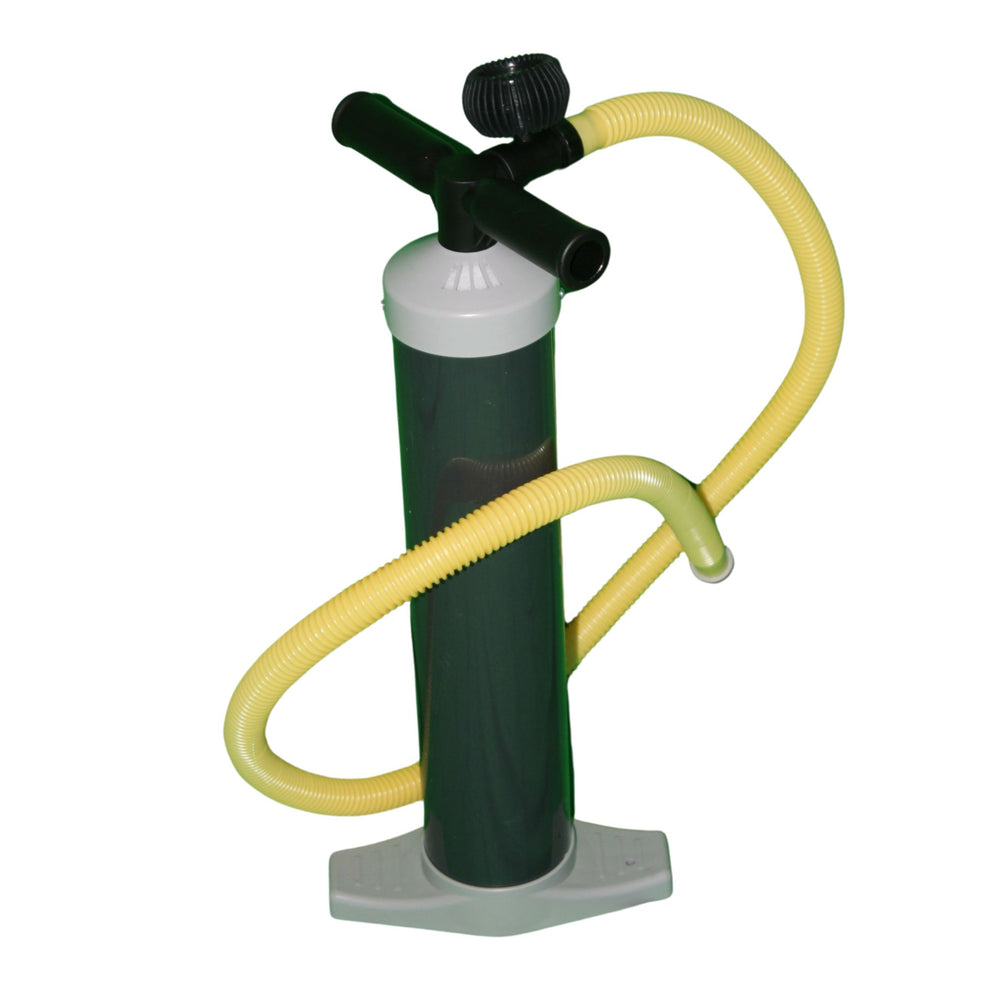
Paddle board pumps are designed to push air into your board’s internal chambers. Most inflatable paddle boards are made from drop-stitch material, which allows them to hold high pressure and stay rigid on the water.
There are two main types of pumps:
- Manual pumps: These include single or double action hand pumps. You operate them by moving a handle up and down, forcing air into the board.
- Electric pumps: These run on batteries or plug into your car. They inflate the board automatically and often have pressure gauges.
Both pump types can reach the pressure needed for most boards, which is usually between 12 and 18 PSI (pounds per square inch).
What Is Psi And Why Does It Matter?
PSI measures the pressure inside your board. Higher PSI means a firmer, more stable board. If the PSI is too low, your board feels soft and flexes too much. If it’s too high, you risk damaging the seams or even bursting the board.
Most paddle boards are labeled with a recommended PSI, often printed near the valve. For example, a typical all-around board might say “Inflate to 15 PSI. Max 20 PSI. ”
Can You Overinflate A Paddle Board With A Pump?
The short answer is yes, but it’s unlikely if you follow the manufacturer’s instructions and use the right equipment. However, there are some situations where overinflation can happen.
Manual Pumps: How Much Pressure Can You Add?
Most manual pumps require a lot of effort to reach high PSI levels. For many people, it’s difficult to go much higher than the recommended range. These pumps often include a pressure gauge, so you can see exactly how much air you’re adding.
A manual pump might be able to push past the safe limit, but you’d feel strong resistance before reaching dangerous levels. Still, it’s not impossible—especially for strong adults or if the gauge is broken or inaccurate.
Electric Pumps: More Power, More Risk?
Electric pumps can be set to a specific PSI. Many modern electric pumps automatically shut off when they reach the target pressure. However, not all pumps are accurate. If the gauge is faulty, or if you set the PSI too high, the pump could overinflate your board.
Some electric pumps don’t have an automatic shutoff. These are riskier, as they can keep running until the board is dangerously overinflated.
Is It Easy To Overinflate?
For most people using a working manual pump with a gauge, it’s hard to overinflate. With electric pumps, the risk is higher if you ignore the recommended PSI, use a faulty pump, or don’t monitor the process.
What Happens If You Overinflate A Paddle Board?
Overinflation can cause serious problems for your paddle board, including:
- Blown seams: The seams that hold the board together may split.
- Valve damage: Too much pressure can break or loosen the valve.
- Material stress: The drop-stitch fabric may stretch, weakening the board.
- Sudden rupture: In extreme cases, the board can pop or burst.
These issues often mean expensive repairs or even replacing your board.
Signs Of Overinflation
Watch for these warning signs:
- Loud hissing or popping sounds while pumping
- The board feels unusually hard or rigid
- The pressure gauge reads above the maximum recommended PSI
- The valve becomes difficult to close or remove
If you notice any of these, stop inflating immediately.
Comparing Different Pump Types
To better understand the risk of overinflation, compare different pump types:
| Pump Type | Control Over PSI | Overinflation Risk | Ease of Use |
|---|---|---|---|
| Manual Single Action | Moderate (with gauge) | Low | Requires effort |
| Manual Double Action | Moderate (with gauge) | Low | Faster, but tiring |
| Electric (with shut-off) | High | Very low | Very easy |
| Electric (no shut-off) | Low | High | Very easy |
Manual pumps are safer overall, but electric pumps with auto shut-off are both safe and convenient.
Understanding Paddle Board Construction
Inflatable paddle boards are tough, but they aren’t indestructible. Knowing what’s inside your board helps you understand why overinflation is risky.
- Drop-stitch core: Thousands of polyester threads connect the top and bottom layers, holding the shape when inflated.
- Outer PVC layers: These create a watertight, strong shell.
- Seams: High-pressure glue or heat welding holds the pieces together.
If you push the board beyond its designed PSI, the pressure stretches these materials. Over time, even small amounts of overinflation can weaken the board.
How Manufacturers Design For Safety
Most quality paddle boards are tested to handle more than their recommended PSI. For example, a board rated for 15 PSI might actually survive up to 25 PSI in factory tests. But this is a safety margin, not a target. Regularly going over the recommended PSI will shorten your board’s life.
Cheaper boards often use lower-quality materials. Their safety margin is smaller, so overinflation is more dangerous.
How To Inflate Your Board Safely
Inflating your board safely isn’t difficult if you follow a few basic steps:
- Check the recommended PSI: Always look at the label or manual.
- Use a reliable pump: Make sure the gauge works.
- Inflate slowly: Don’t rush the process.
- Monitor the gauge: Stop as soon as you reach the right pressure.
- Listen and feel: If you hear odd noises or the board feels too hard, stop.
Taking these steps helps prevent accidents and keeps your board in good shape.
Practical Tips For Accurate Inflation
Some practical advice:
- Check your gauge: Inexpensive gauges can be inaccurate. Consider a separate, high-quality pressure gauge.
- Don’t inflate in direct sun: Heat can increase pressure inside the board, so inflate in the shade when possible.
- Let air out if unsure: If you think you overinflated, release a small amount of air. It’s better to be slightly under than over.
Common Mistakes When Inflating Paddle Boards
Many beginners make the same errors:
- Ignoring the pressure gauge
- Using a broken or cheap pump
- Guessing the right pressure by feel alone
- Leaving the board in the sun after inflating (pressure rises with heat)
- Thinking “firmer is always better”
Remember, a board that’s too hard isn’t more durable—it’s at risk.
How Temperature Affects Board Pressure
Temperature has a big impact on the air inside your paddle board. On a cool morning, you might inflate to 15 PSI. If you leave the board in the hot sun, the internal pressure can rise several PSI more.
Here’s what can happen:
| Starting Temp | Starting PSI | Temp in Sun | Estimated PSI |
|---|---|---|---|
| 20°C (68°F) | 15 | 35°C (95°F) | 18-19 |
| 15°C (59°F) | 14 | 30°C (86°F) | 16-17 |
This increase is enough to push some boards over their safe limit, especially if you inflate to the max in cool conditions.
What To Do If You Overinflate Your Board
If you realize you’ve overinflated your board, act quickly:
- Let air out immediately: Open the valve carefully to release pressure.
- Check for damage: Look for bulges, stretched seams, or leaks.
- Do not use the board: If you see damage, don’t put the board in the water.
- Contact the manufacturer: If you notice serious damage, ask for advice or warranty support.
Never ignore signs of overinflation—problems can get worse over time.
Special Cases: High-pressure Racing Boards
Some racing and touring paddle boards are rated for higher PSI—up to 20 or even 25 PSI. These boards are built with stronger materials and more threads in the drop-stitch core. Still, it’s important to follow the recommended pressure. Don’t assume all boards can handle the same amount of air.
How To Choose A Safe Pump
Choosing the right pump can make inflation safer and easier. Here’s what to look for:
| Pump Feature | Benefit |
|---|---|
| Accurate gauge | Prevents overinflation |
| Auto shut-off (electric) | Stops at correct PSI |
| Dual action | Inflates faster with less effort |
| Durable hose and connections | Reduces leaks and breaks |
Always test your pump at home before heading out for a paddle session.

Non-obvious Insights Most Beginners Miss
- Pressure can change after you inflate. Even if you fill your board to 15 PSI at home, the sun or cool water can change the pressure by 1-2 PSI. Always check again before paddling.
- Not all gauges fit all boards. Some pumps use different valve connectors, which can leak air or give false readings. Make sure your pump and board are compatible.
Summary: Can A Paddle Board Pump Overinflate The Board?
A paddle board pump can overinflate your board, but it’s not likely if you use the right equipment and follow instructions. The biggest risks are with electric pumps without automatic shutoff, inaccurate gauges, or ignoring temperature changes. Always check your board’s recommended PSI, and never try to make your board firmer than what’s suggested.
Pay attention to the signs, use a quality pump, and your board will last for years of adventure.

Frequently Asked Questions
Can I Inflate My Paddle Board Without A Gauge?
It’s not recommended. Without a pressure gauge, you’re just guessing. You could easily overinflate or underinflate, which can damage your board or make it hard to use.
What Happens If I Paddle On An Overinflated Board?
You risk blowing a seam or damaging the valve. The board may also feel too stiff and uncomfortable. If you notice bulges or hear odd noises, stop using the board.
Is It Better To Be Slightly Under Or Over The Recommended Psi?
It’s safer to be slightly under. A board that’s too soft may bend a bit, but it won’t break. Overinflation is much more dangerous.
How Can I Check If My Pump Gauge Is Accurate?
Test it on a known pressure, or compare with another high-quality gauge. You can also ask your local paddle shop for help. Some people bring a backup gauge for peace of mind.
Where Can I Learn More About Paddle Board Safety?
For more information, check out this page from the Wikipedia: Standup Paddleboarding for detailed safety guidelines and technical details.
With the right knowledge and a little care, you can enjoy paddle boarding without worry about overinflation. Happy paddling!