
How Much Pressure Should I Pump A Paddle Board To?
If you’re getting ready for paddle boarding, you may wonder, “How much pressure should I pump my paddle board to?” This simple question can make a big difference in your experience on the water. Too little air, and your board will feel soft and wobbly. Too much, and you risk damaging your board—or even hurting yourself. Finding the right PSI (pounds per square inch) is essential for stability, speed, and safety.
Let’s break down everything you need to know about paddle board pressure. Whether you’re a beginner or already have some experience, you’ll discover practical advice, real examples, and a few important tips that most people miss. By the end, you’ll know exactly how much pressure your paddle board needs—and how to get it right every time.

Today's Exclusive Deals
Limited-time Exclusive Deals. Check current discount on Amazon.
Check Price on Amazon As an Amazon Associate I earn from qualifying purchases.Why Paddle Board Pressure Matters
The air pressure inside your paddle board isn’t just a number. It affects how the board performs, how safe it is, and how long it will last.
- Stability: Boards with proper pressure feel firm under your feet. Low pressure makes the board bend and wobble, which can be hard to balance on.
- Performance: A well-inflated board glides smoothly, turns easily, and responds quickly. If your board is underinflated, it will drag in the water and slow you down.
- Durability: Inflating to the correct PSI helps prevent damage. Over-inflating can stress the seams and valves, while under-inflating can cause folds and creases that weaken the material.
- Safety: The right pressure keeps you safe. An under-inflated board may suddenly collapse or even sink.
Many beginners think a little air is enough, but most paddle boards need much higher pressure than you might guess. Let’s look at the numbers.
Standard Paddle Board Psi Recommendations
Most inflatable paddle boards have a recommended PSI printed near the valve. The most common range is 12 to 15 PSI for adult boards. However, there are important differences:
| Board Type | Recommended PSI | Notes |
|---|---|---|
| All-Around Boards | 12-15 PSI | Good for most users and conditions |
| Racing Boards | 15-18 PSI | Higher pressure for speed and stiffness |
| Yoga/Beginner Boards | 10-12 PSI | Lower pressure for comfort |
| Kids Boards | 8-10 PSI | Smaller size, less pressure needed |
Always check your board’s manual or the label near the valve. Most brands clearly state their recommended PSI. If you don’t see it, 15 PSI is safe for most adult boards, but never go above 20 PSI unless your board says so.
How To Check And Measure Psi Correctly
A common mistake is relying only on how the board feels—pressing it with your hand or foot. This method is unreliable. Instead, use a pressure gauge for accurate results.
Most manual pumps include a built-in gauge, but not all are accurate. Some gauges read high or low, especially at lower pressures. For best results:
- Use a pump with a quality, easy-to-read gauge.
- Check the pressure when the board is cool, not after sitting in the sun (heat can raise PSI).
- Measure at the valve, not in the middle of the board.
If you don’t have a gauge, consider buying a separate digital gauge. They cost $20–$40 and work much better than cheap analog gauges. This small investment helps avoid under-inflation, which is one of the most common beginner mistakes.
How Temperature Affects Paddle Board Pressure
Air expands and contracts with temperature changes. If you pump your board to 15 PSI in the morning, it can rise to 18 PSI by midday, especially in hot sun. This is important because over-inflation can damage your board.
Here’s what you need to know:
- If you inflate in cool conditions, expect the pressure to rise as the board warms.
- If you inflate in direct sunlight, the pressure may already be high.
- It’s safer to stay at the low end of the recommended PSI range if you’ll paddle in hot weather.
A real-world example: If you fill your board to 15 PSI at 20°C (68°F), it could reach 18 PSI at 35°C (95°F). That’s a big change and can stress the seams.
| Temperature | PSI at Inflation | PSI After Heating |
|---|---|---|
| 20°C (68°F) | 15 PSI | 18 PSI |
| 25°C (77°F) | 15 PSI | 16.5 PSI |
| 30°C (86°F) | 15 PSI | 17.5 PSI |
If you notice your board feels too hard or bulging, let out some air. This can prevent damage. Always check your PSI before paddling, especially if the board has been in the sun.
Inflating Your Paddle Board: Step-by-step
Getting the pressure right is easier if you follow these steps:
- Unroll the board on a flat surface.
- Attach the pump securely to the valve.
- Start pumping. At first, air goes in quickly, but as you reach higher PSI, it gets harder.
- Check the gauge often. Most boards need more air than you expect.
- Stop at the recommended PSI. Don’t guess—use the gauge.
- Close the valve tightly to prevent leaks.
A common mistake is stopping when the board feels firm. But most boards still need more air after they feel “solid. ” Pump until you reach the correct PSI—even if it takes extra effort.
Manual Pump Vs. Electric Pump: Which Is Better?
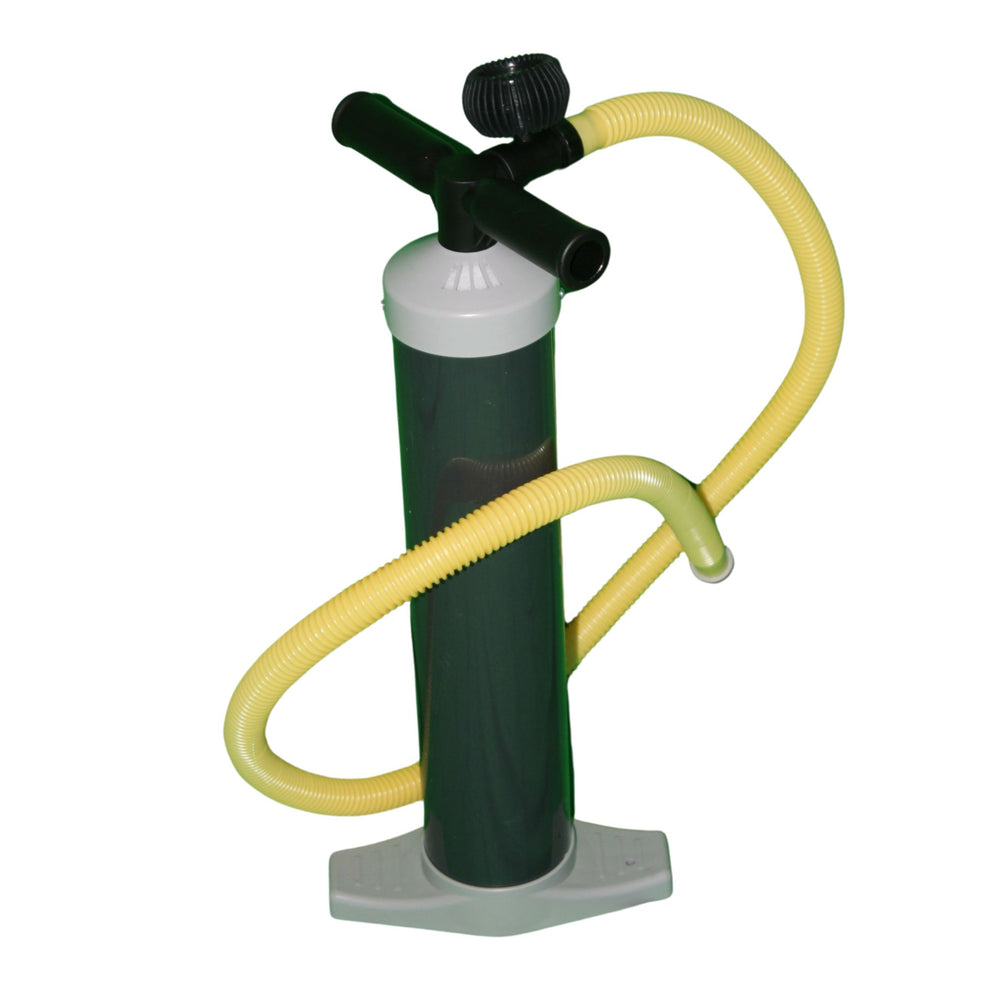
Manual pumps are the most common. They’re reliable and don’t need batteries. However, pumping to 15 PSI can be tiring, especially for beginners. Some people stop early because it feels too hard.
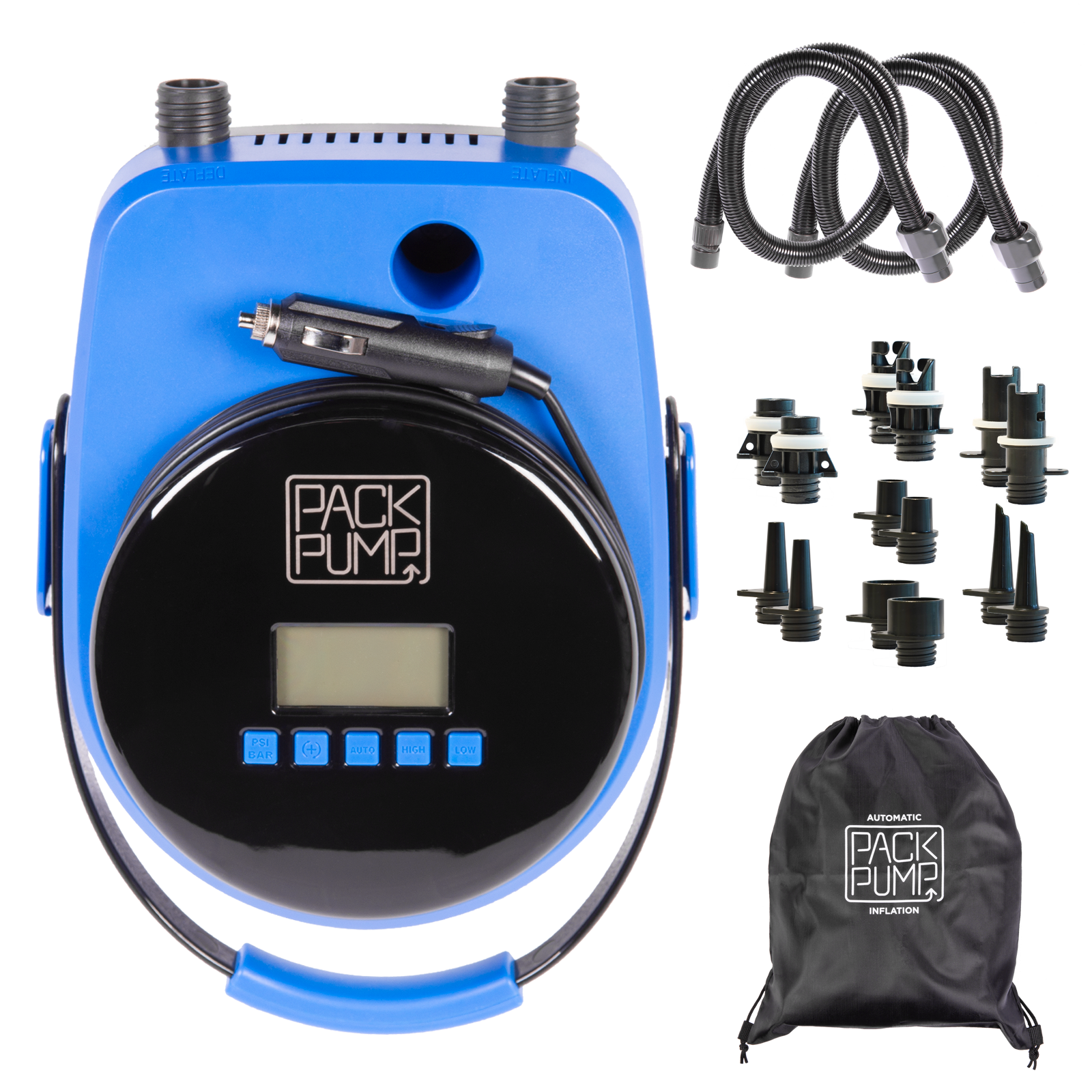
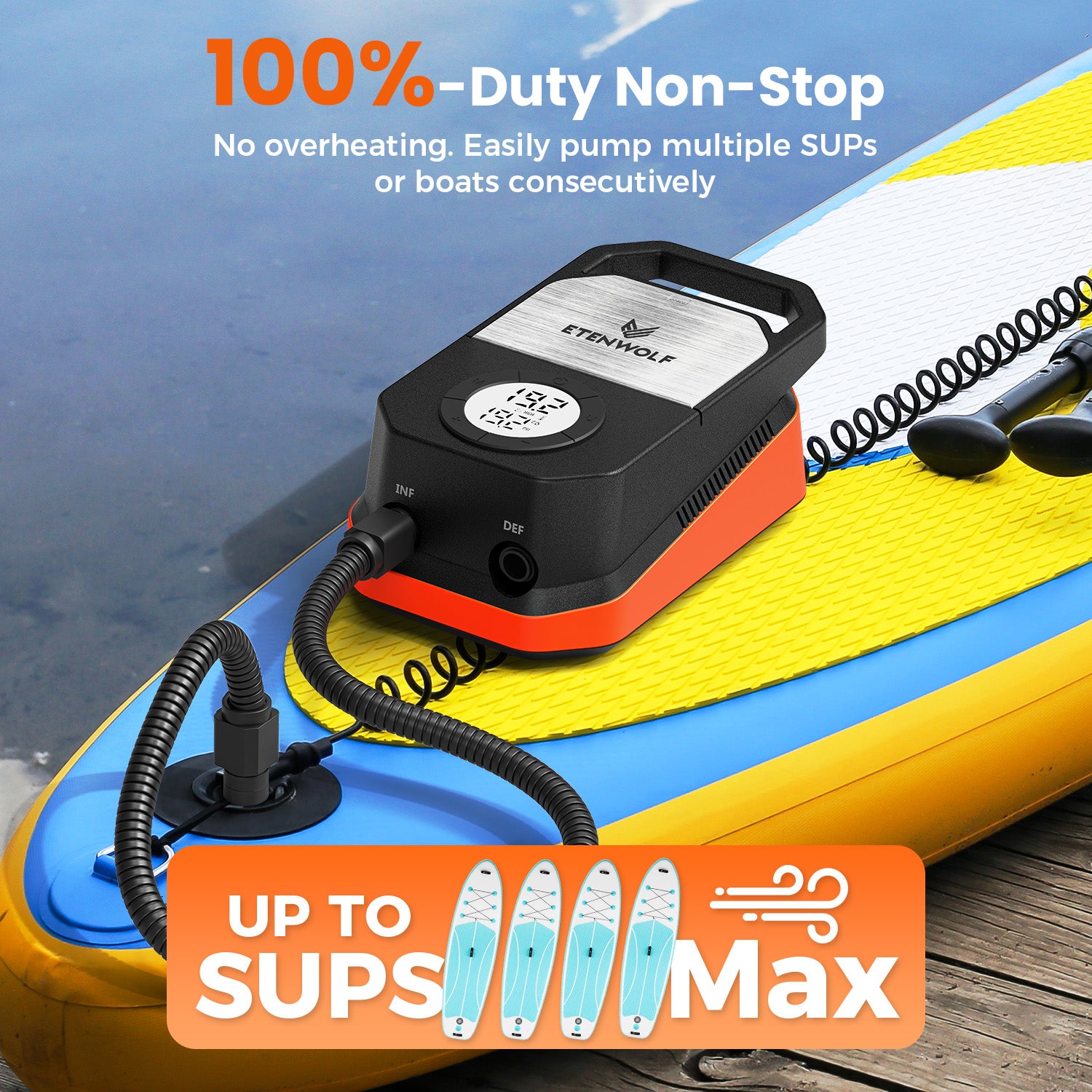
Electric pumps make the process easier. They connect to your car or a portable battery and inflate the board automatically. Most electric pumps allow you to set the desired PSI and stop automatically.
Let’s compare:
| Pump Type | Effort | Accuracy | Speed | Cost |
|---|---|---|---|---|
| Manual Pump | High | Varies | 10–15 min | Included/free |
| Electric Pump | Low | Good | 8–12 min | $60–$150 |
If you paddle often or have multiple boards, an electric pump is worth it. But check if the pump supports your board’s PSI limit; some max out at 16 PSI.
What Happens If You Under-inflate Or Over-inflate?
Both under-inflating and over-inflating cause problems. Here’s what to watch for:
Under-inflated Board
- Feels soft and bends easily
- Hard to balance
- Slow and less responsive
- May crease or fold
- Can leak over time
Over-inflated Board
- Feels very hard or bulging
- Seams may split
- Valve can fail
- Risk of sudden air loss
- Reduces board lifespan
Always aim for the recommended PSI. If you’re unsure, err on the lower side and add more air gradually.
How Board Size And Rider Weight Affect Psi
Not all boards—or riders—are the same. Heavier riders need more support. Some brands recommend higher PSI for larger boards or heavier users.
- Small boards (under 10’): 10–12 PSI is usually enough.
- Medium boards (10–11’): 12–15 PSI fits most adults.
- Large boards (over 11’): 15–18 PSI may be needed, especially for heavier riders.
If you weigh over 90 kg (200 lbs), choose a board with a higher recommended PSI. Otherwise, the board may sag in the middle. Always check the manufacturer’s chart for guidance.
Common Mistakes Beginners Make
Many beginners make the same errors. Avoid these:
- Not checking the PSI: Just feeling the board isn’t enough.
- Stopping too early: Pumping gets harder as PSI increases. Don’t stop when it feels solid; check the gauge.
- Ignoring temperature: Remember, sun and heat raise PSI.
- Using a weak pump: Cheap manual pumps often struggle to reach high PSI.
- Forgetting to close the valve: Air leaks are common if the valve isn’t tight.
A non-obvious tip: Always test your board in shallow water first. If it feels unstable, check your PSI again. Sometimes, air escapes during setup, and you need to top up.
Expert Tips For Getting The Best Performance
To make your paddle boarding experience smooth and safe, try these tips:
- Inflate your board at home if possible. It’s easier to pump on a stable surface.
- Use a dual-action pump. It pushes air in both directions, making pumping faster.
- Let your board cool before checking PSI if it’s been in the sun.
- Carry a small hand pump for quick top-ups on the beach.
- After paddling, release some air before storing your board. This helps protect the seams.
Many experienced paddlers also recommend checking your board’s PSI after 10–15 minutes on the water. Sometimes, cool water can reduce pressure, especially if you inflated in hot air.
Paddle Board Psi And Safety
Correct PSI isn’t just about performance; it’s about safety. If your board is under-inflated, it can suddenly fold or collapse, especially in waves. Over-inflation can cause the board to burst. Always check the pressure before every trip.
Some paddle boards include safety valves that release excess air automatically. If your board has this feature, it helps protect against accidental over-inflation. But don’t rely on it—always check manually.
How To Store And Maintain Your Board
Proper storage helps your board last longer:
- After paddling, let out some air. Don’t store fully inflated boards for long periods.
- Keep your board in a cool, dry place. Heat can damage the material and raise PSI.
- Clean the valve area regularly to prevent leaks.
- Check for wear or damage before every use.
If you store your board in a hot car, release extra air. Heat can cause dangerous over-inflation.
Manufacturer Differences And Psi Limits
Different brands use different materials and construction. Some boards can handle higher PSI, while others max out at 15 PSI.
- High-quality boards often have reinforced seams and thicker materials. They can safely reach 18 PSI or more.
- Budget boards sometimes recommend 12 PSI only.
Always follow your board’s manual. If you lose it, search for your brand online or check trusted sources like Red Paddle Co for guidance.
Frequently Asked Questions
What Happens If I Pump My Paddle Board Too Much?
If you inflate above the recommended PSI, the board can burst or the seams can split. Over-inflation is dangerous and can ruin your board. Always check the gauge and stay within the limits shown on your board.
Can I Paddle With Lower Psi If I’m A Lightweight Person?
Lighter paddlers can sometimes use lower PSI, but under-inflation still affects stability and performance. Check your board’s chart; usually, 12–15 PSI is best for adults, even if you’re lighter.
How Do I Know If My Gauge Is Accurate?
Test your gauge against a reliable digital gauge. Some manual pump gauges read incorrectly, especially at low pressures. If in doubt, buy a dedicated digital pressure gauge for accurate results.
Is There A Difference Between Summer And Winter Psi?
Yes, temperature affects air pressure. In hot weather, PSI rises. In cold weather, it can drop. Inflate to the recommended PSI, then check again after the board has been in the water for 10–15 minutes.
Can I Use A Bike Pump Or Other Pump For My Paddle Board?
Most paddle board valves are unique. Bike pumps usually don’t fit or reach the high PSI needed. Use a pump designed for paddle boards. If you use an adapter, check for leaks and accuracy.
Finding the right pressure for your paddle board is simple if you follow the advice above. Remember to check your PSI carefully, consider temperature, and always use the correct pump. Getting this right means safer, faster, and more enjoyable paddling every time.

