
Surfing is more than just a sport—it’s a way of life for millions around the globe. From the sound of crashing waves to the thrill of riding the perfect barrel, surfing connects people to nature and adventure. But not every coastline is created equal.
The best surfing destinations combine reliable waves, beautiful settings, and a welcoming surf culture. Whether you are a seasoned pro or a curious beginner, finding the right spot can make all the difference in your surfing experience.

Today's Exclusive Deals
Limited-time Exclusive Deals. Check current discount on Amazon.
Check Price on Amazon As an Amazon Associate I earn from qualifying purchases.With so many choices, it’s easy to feel overwhelmed. Some beaches offer gentle breaks perfect for learning, while others challenge even the world’s best. Water temperature, wave consistency, local vibe, and travel logistics all play a role. This guide explores the best surfing destinations worldwide, highlighting what makes each unique.
If you’re planning your next surf trip or dreaming of catching your first wave, you’ll find valuable insights here.
North Shore, Oahu, Hawaii
The North Shore of Oahu is legendary in the surfing world. It’s home to famous spots like Pipeline, Waimea Bay, and Sunset Beach. The waves here can reach over 30 feet in winter, attracting top professionals for competitions like the Vans Triple Crown. But not every wave is a monster—there are gentler breaks nearby for advanced beginners.
The area is rich in surf history and Hawaiian culture. Local shacks serve up poke bowls and shave ice, while surf shops line the roads. One thing beginners often overlook is the seasonal nature of North Shore surfing. Winter (November to February) is for experts, while spring and summer offer smaller, friendlier waves.
Always respect local etiquette and be aware of powerful currents.
Gold Coast, Australia
Australia’s Gold Coast is a dream for surfers of all skill levels. The region boasts over 35 miles of sandy beaches and consistent waves year-round. Snapper Rocks and Kirra are famous for their long, hollow barrels, perfect for experienced surfers. The coast also offers mellow breaks at Greenmount and Burleigh Heads for those still learning.
What sets Gold Coast apart is the combination of urban comforts and surf lifestyle. You’ll find surf schools, board rentals, and vibrant nightlife steps from the sand. Crowds are common, especially during international competitions, so early mornings are best for a quieter session.
The subtropical climate means you can surf in boardshorts almost all year.
Jeffrey’s Bay, South Africa
Known as J-Bay, this South African gem is famous for its long, fast right-hand point break. Some rides last up to 300 meters, giving surfers an incredible experience. The annual Corona Open J-Bay attracts world-class talent, but the town retains a laid-back vibe.
Jeffrey’s Bay is not just about expert waves. Kitchen Windows and Dolphin Beach cater to beginners, while Supertubes challenges the best. Wildlife is everywhere—you might see dolphins or even whales from your board. A common mistake is underestimating the water’s temperature; even in summer, a wetsuit is usually needed. Local surf shops rent gear and offer lessons.
Hossegor, France
Hossegor, in southwest France, is Europe’s surfing capital. The beach breaks here are powerful and hollow, especially at La Gravière. From September to November, Atlantic swells produce world-class waves, drawing professionals and surf fans.
The town itself is charming, with cafés, bakeries, and a surf-focused community. Hossegor is also famous for its vibrant surf competitions, such as the Quiksilver Pro France. Beginners should stick to the southern beaches like La Sud, where the waves are softer. Tides and sandbanks change the surf daily, so check conditions before paddling out.

Uluwatu, Bali, Indonesia
Bali is a surfer’s paradise, and Uluwatu is the crown jewel. The reef break delivers consistent, high-quality waves, and the scenery—cliffs, temples, and turquoise water—is breathtaking. Uluwatu’s main wave is for advanced surfers, but nearby spots like Padang Padang have gentler sections for intermediates.
The surf culture in Bali is friendly and international. You’ll meet travelers from all over, sharing stories over a coconut or nasi goreng. A key tip: always check the tide, as Uluwatu’s reef is shallow and can be dangerous at low tide. Scooter rentals are popular for exploring different breaks, but drive carefully—roads can be tricky.
Trestles, California, Usa
Trestles sits between Los Angeles and San Diego, making it one of California’s most accessible surf spots. The wave quality here is outstanding, with a mix of lefts and rights at Lower Trestles and Uppers. It’s a training ground for professionals and hosts events like the Rip Curl WSL Finals.
Unlike crowded city beaches, Trestles requires a short walk through a coastal reserve, adding to its wild charm. Summer and early fall bring the best swells. Don’t forget your booties—the cobblestone bottom can be rough on feet. Early mornings offer the cleanest conditions and fewer people.
Raglan, New Zealand
Raglan is a small town with a big reputation in the surfing world. Its main break, Manu Bay, is famous for long, peeling lefts that can run for hundreds of meters. Whale Bay and Indicators offer more challenges for advanced surfers.
Raglan’s relaxed atmosphere is part of the attraction. The town is full of organic cafés, art shops, and friendly locals. Consistent waves make it a reliable year-round destination, but autumn and winter (March to August) are best. Bring a wetsuit—the water is cool even in summer.
A common mistake is ignoring tidal changes, which can affect wave quality.
Santa Teresa, Costa Rica
Costa Rica is known for its “pura vida” lifestyle, and Santa Teresa embodies this spirit. The beach stretches for miles, with playful waves perfect for all levels. Consistency is high, especially from May to October when southern swells arrive.
Santa Teresa has grown into a vibrant surf town with yoga studios, fresh food markets, and eco-lodges. The water stays warm year-round, so no wetsuit is needed. Watch for riptides, especially during bigger swells. It’s a great place for beginners to take lessons and for experienced surfers to enjoy less crowded sessions.
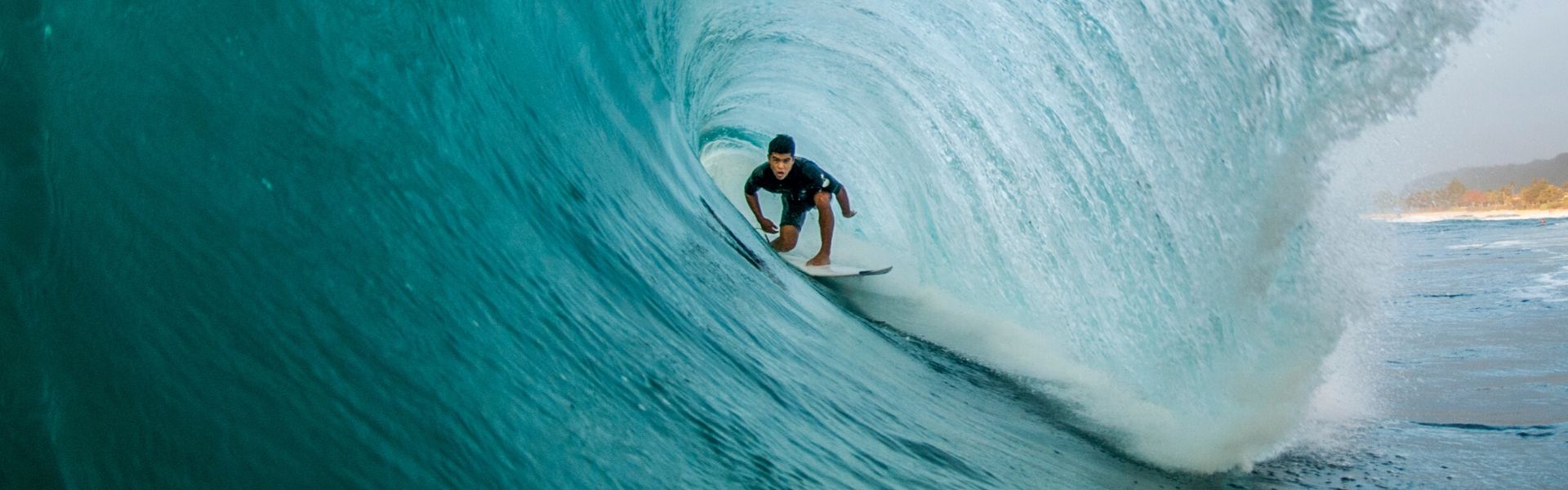
Mentawai Islands, Indonesia
The Mentawai Islands are an adventure for serious surfers. Located off the coast of Sumatra, this remote chain is famous for perfect, powerful waves. Macaronis, Rifles, and Lance’s Right are just a few of the legendary breaks. Swells are consistent from April to October.
Getting here takes planning—usually a flight to Padang, then a ferry or speedboat. Most surfers stay at boat charters or surf camps. The payoff is world-class waves and uncrowded lineups. Beginners should be cautious, as most breaks are over shallow reef.
Bring all necessary gear; shops are rare.
Taghazout, Morocco
Taghazout is a charming fishing village that has become Morocco’s surf hotspot. The coastline offers a mix of point breaks, beach breaks, and reefs. Anchor Point is the star, with long right-handers that can run for hundreds of meters.
The surf season runs from October to March, with winter swells delivering the best waves. Local surf camps and schools make it easy for beginners to learn. The weather is mild, and the culture is a blend of Berber tradition and surf energy. A tip for visitors: mornings usually offer the cleanest waves due to offshore winds.
Malibu, California, Usa
Malibu is synonymous with surfing history. The Malibu Surfrider Beach is famous for its long, peeling right-hand waves, ideal for classic longboarding. Summer brings the most consistent swells, and it’s common to see both pros and beginners sharing the lineup.
The beach is close to Los Angeles, so it gets busy, especially on weekends. Surf lessons and board rentals are easy to find. Parking can be tricky—arrive early. Malibu’s gentle waves make it a great place for learning, but always be respectful of locals and take turns.
Biarritz, France
Nestled on the Basque coast, Biarritz is a stylish surf town with a rich history. The main beach, La Côte des Basques, is perfect for beginners, while nearby Grande Plage and Le Miramar offer more challenge. Summer is busy but fun, with surf festivals and lively nightlife.
Biarritz combines surf culture with French elegance—expect great food, shopping, and beautiful architecture. Swells are best from September to November. A practical tip: tides and sandbanks can change conditions quickly, so ask at local surf shops for advice.
Cloudbreak, Fiji
Cloudbreak is one of the world’s most powerful and beautiful waves. Located off the island of Tavarua, it’s a left-hand reef break that attracts elite surfers. Waves can reach up to 20 feet, and the water is crystal clear.
Cloudbreak is best from May to October. Access is by boat, and many surfers stay at resorts on Tavarua or nearby islands. This spot is for advanced surfers only—currents are strong, and the reef is sharp. Watching the action from a boat is an unforgettable experience even if you don’t paddle out.
Punta De Lobos, Chile
Chile’s Punta de Lobos is known for its dramatic cliffs and powerful left-hand point break. The wave can hold huge swells, and long rides are possible on the right day. The town of Pichilemu has a relaxed, rustic vibe with friendly locals and great seafood.
The surf is best from March to October, but you’ll need a thick wetsuit—water temperatures are cold. Punta de Lobos is less crowded than many famous spots, making it perfect for adventurous surfers. Don’t underestimate the power of the waves or the rocky coastline.
Tofino, Canada
Tofino, on Vancouver Island, is a unique surf destination. The area is surrounded by lush rainforest, rugged coastlines, and cold but consistent waves. Cox Bay and Long Beach offer gentle breaks for beginners, while winter swells provide more challenge.
Tofino’s surf season runs year-round, but the best conditions are from September to November. A 4/3mm wetsuit, boots, and gloves are essential—even in summer, the Pacific is chilly. The town is laid-back, with cozy cafes and surf shops. Many visitors are surprised by how friendly and welcoming the local surf community is.
Comparing Surf Destinations By Difficulty
To help you choose, here’s a comparison of some top spots by difficulty level and wave consistency.
| Destination | Wave Difficulty | Best For | Wave Consistency |
|---|---|---|---|
| North Shore, Oahu | Advanced | Experts | High (Winter) |
| Gold Coast | All levels | Everyone | Very High |
| Malibu | Beginner-Intermediate | Longboarders | Medium |
| Cloudbreak | Expert | Advanced surfers | Medium |
| Santa Teresa | Beginner-Intermediate | Learning surfers | High |

Weather And Best Season Comparison
Surfing is highly seasonal. Here’s how the best months and water temperatures compare for popular destinations.
| Destination | Best Months | Water Temp (°C) |
|---|---|---|
| Hossegor | Sep-Nov | 15-21 |
| Jeffrey’s Bay | Jun-Sep | 16-21 |
| Mentawai Islands | Apr-Oct | 27-29 |
| Punta de Lobos | Mar-Oct | 12-16 |
| Tofino | Sep-Nov | 8-14 |
Non-obvious Insights For Surf Travelers
- Travel logistics matter as much as waves. Some perfect breaks, like in the Mentawais, require complex journeys and advance bookings. Always plan your route and accommodation early.
- Local surf etiquette can differ. In Hawaii, for example, respect and patience are key, while in Bali, lineups are more relaxed. Learning basic rules can prevent misunderstandings.
- Tide and wind can change everything. It’s common for two sessions on the same beach to feel completely different. Always check surf forecasts and talk to local surfers for tips.
- Health and safety are often overlooked. Some areas have strong sun, sharp reefs, or jellyfish. Pack appropriate gear and a small first-aid kit.
Frequently Asked Questions
What Is The Best Time Of Year To Surf In Hawaii?
The best surf in Hawaii, especially on the North Shore, happens during the winter months (November to February). This is when powerful Pacific swells arrive, creating world-famous waves. Summer offers smaller, friendlier surf, ideal for beginners.
Which Surfing Destination Is Best For Beginners?
Santa Teresa in Costa Rica, Malibu in California, and Biarritz in France are all excellent for beginners. These beaches offer gentle waves, warm water, and plenty of surf schools. Always start at a spot known for safety and beginner-friendly conditions.
Are There Any World-class Surf Spots With Fewer Crowds?
Yes, places like Punta de Lobos in Chile and Tofino in Canada are less crowded compared to mainstream destinations. The Mentawai Islands also offer uncrowded waves if you’re willing to travel further. Remote spots often require more planning but reward you with solitude.
Do I Need A Wetsuit At All Surf Destinations?
No, it depends on water temperature. Tropical spots like Bali, Mentawai, and Costa Rica are warm year-round, so a swimsuit is enough. Colder regions like Tofino, Punta de Lobos, and parts of France require a wetsuit, even in summer.
Where Can I Find Reliable Surf Forecasts For Planning Trips?
Websites like Magicseaweed and the World Surf League provide detailed forecasts, swell data, and live reports for surf destinations worldwide.
Surfing opens up a world of adventure, friendship, and connection to nature. The best surfing destinations are as much about the journey and local culture as the waves themselves. Choose a spot that matches your skill and spirit, respect the ocean and locals, and enjoy the ride.

