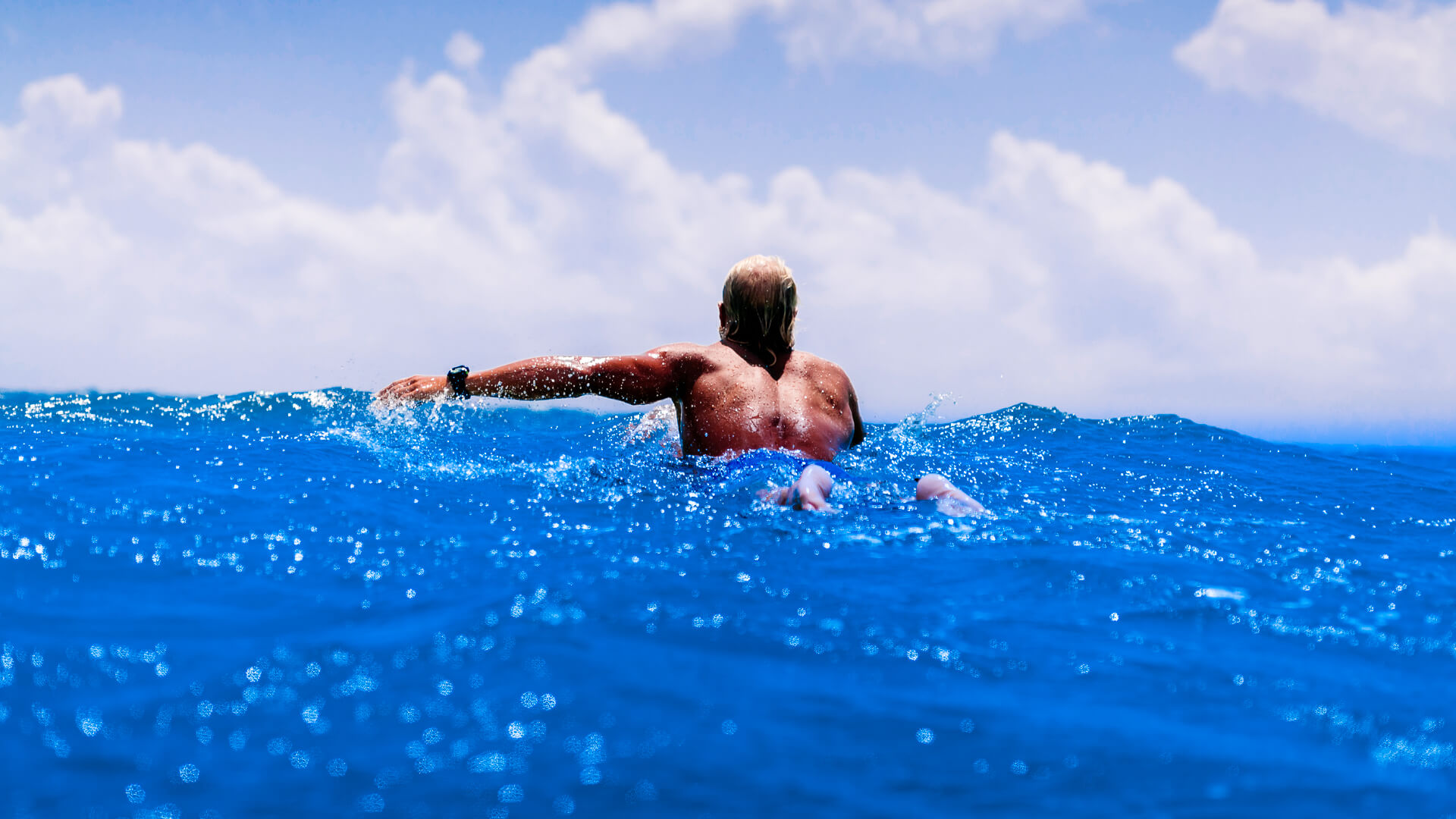
Surfers are known for their incredible upper body endurance and efficient movement on the water. While riding waves looks glamorous, most of a surf session is spent paddling—moving your board into position, catching waves, and returning to the lineup. Paddling strength is not just about arm power; it’s a blend of technique, endurance, and core stability. If you want to catch more waves and surf longer, improving your paddling strength is essential. But how do surfers actually train for this? Here’s a detailed guide to building the kind of paddling strength that separates skilled surfers from beginners.
Exclusive Deals
Limited-time Exclusive Deals. Check current discount on Amazon.
Check Price on Amazon As an Amazon Associate I earn from qualifying purchases.Why Paddling Strength Matters In Surfing
Paddling is the engine behind your surfing. Without strong, efficient paddling, you’ll struggle to get past breaking waves and miss opportunities to catch the best sets. In fact, studies have shown that paddling can take up to 50%–70% of a typical surf session. This means your cardiovascular fitness, shoulder mobility, back muscles, and even your mental endurance are all tested every time you’re in the water.
What many beginners don’t realize is that good paddling isn’t just about raw muscle. Technique, muscle coordination, and endurance matter just as much as brute strength. Improving in all these areas will help you conserve energy, avoid injuries, and maximize your time in the lineup.
Understanding The Muscles Used In Surfing Paddling
When you paddle, your body uses a complex group of muscles working together. The main muscle groups are:
Exclusive Deals
Limited-time Exclusive Deals. Check current discount on Amazon.
Check Price on Amazon As an Amazon Associate I earn from qualifying purchases.- Latissimus dorsi (the large back muscles)
- Deltoids (shoulders)
- Triceps
- Pectorals (chest)
- Core muscles (especially the lower back and abdominals)
What surprises many beginners is how much the core and lower back contribute. If your core is weak, you’ll tire quickly and lose proper form, which reduces your speed and makes paddling inefficient.
Key Techniques For Efficient Paddling
Before looking at exercises, it’s crucial to master the right paddling technique. No amount of strength training can compensate for poor form. Here are some essentials:
- Keep your body high: Lie on your board so your chest is slightly raised. This keeps the nose of the board just above the water.
- Relax your fingers: Slightly cupped hands, not stiff or flat, will help grab water more efficiently.
- Long, deep strokes: Reach forward, enter the water with your hand, and pull through with a full range of motion.
- Smooth rhythm: Aim for a steady, relaxed pace instead of quick, splashy strokes.
- Head position: Keep your head steady and look forward, not down.
Practicing these basics will reduce wasted energy and make your strength go further.
Exclusive Deals
Limited-time Exclusive Deals. Check current discount on Amazon.
Check Price on Amazon As an Amazon Associate I earn from qualifying purchases.Dry Land Training For Paddling Power
Surfers often improve their paddling when they’re not in the water. Here are some of the best dry land exercises:
1. Pull-ups And Chin-ups
Few exercises mimic the paddling motion like pull-ups. They target the lats, shoulders, and arms.
- Start with 3 sets of as many reps as you can.
- If you can’t do a full pull-up, use resistance bands or an assisted pull-up machine.
2. Push-ups
Push-ups build shoulder, chest, and core strength. They also help stabilize your body when lying on a board.
- Try 3 sets of 10–20 reps.
- Mix in wide, narrow, and incline push-ups for variety.
3. Plank Variations
A strong core keeps your body stable during paddling.
- Standard plank: Hold for 30–60 seconds.
- Side plank: Builds oblique strength.
4. Resistance Band Rows
Bands simulate the pulling phase of paddling. Anchor the band, grip both ends, and pull back as if paddling.
- 3 sets of 15–20 reps.
5. Superman Exercise
Lie face down and lift your arms, chest, and legs off the floor. This move strengthens your lower back and glutes, which support paddling position.
- 3 sets of 15–20 seconds.
6. Swimming
Laps in a pool work the same muscles as paddling, especially the freestyle stroke.
- Try interval training (fast laps mixed with slow laps) to build endurance and explosive power.
7. Medicine Ball Slams
This explosive exercise improves upper body power and mimics the dynamic nature of paddling into waves.
- 3 sets of 10–15 reps.
On-water Drills To Boost Endurance And Technique
Nothing replaces time in the ocean, but targeted drills can make your paddling more powerful and efficient.
Interval Paddling
Sprint paddle for 20–30 seconds, then recover with slow paddling for 1–2 minutes. Repeat for 10–15 minutes. This simulates the bursts needed to catch a wave and builds cardiovascular fitness.
Paddling In Currents
Practice paddling against the current or whitewater. This increases resistance and helps build strength and confidence in challenging conditions.
Duck Dive Repeats
Paddle out, duck dive under a wave, then return and repeat. This strengthens your ability to recover quickly and keep moving after intense effort.
Comparing Paddling Workouts: Gym Vs. Ocean
Here’s a quick look at how dry land and in-water training compare:
| Workout Type | Main Benefit | Best For |
|---|---|---|
| Gym (Pull-Ups, Planks) | Muscle strength, endurance | Building base strength, off-season |
| Pool Swimming | Cardio, paddling-specific movement | Technique, breathing control |
| Ocean Drills | Real-world paddling, wave timing | Translating strength to surf skill |
Common Mistakes When Training Paddling Strength
Many surfers waste effort or even risk injury by training the wrong way. Here are some pitfalls to avoid:
- Neglecting Technique: Raw power won’t help if your stroke is sloppy.
- Skipping Core Work: Weak core muscles lead to poor form and lower back pain.
- Overtraining Shoulders: Too much focus on shoulder strength without flexibility leads to strains.
- Ignoring Recovery: Muscles need time to recover, especially after intense paddling sessions.
- Not Training Endurance: Strength without stamina means you’ll tire out before the best waves arrive.
How Long Does It Take To Improve Paddling Strength?
Progress depends on your starting point, age, and how consistent you are. Most surfers see noticeable improvement after 4–8 weeks of regular training (2–3 times per week). Don’t expect overnight results—adaptation takes time, especially for endurance and technique.
An insight many people miss: Small improvements in technique often give faster results than building muscle alone. For example, learning to keep your elbows high during the stroke can increase your power by 10–15% with no extra gym time.
Sample Weekly Training Plan For Surfers
To make gains, consistency is key. Here’s a simple plan you can adjust based on your schedule:
Monday:
- Pull-ups: 3 x max reps
- Push-ups: 3 x 20
- Plank: 3 x 45 seconds
Wednesday:
- Swimming (freestyle): 30 minutes, mix sprints with slow laps
Friday:
- Resistance band rows: 3 x 20
- Superman: 3 x 20 seconds
- Side plank: 3 x 30 seconds per side
Weekend:
- Surf session with interval paddling drills
Add stretching and mobility work after each session to keep your shoulders healthy.
The Role Of Flexibility And Mobility
Strong muscles alone don’t guarantee good paddling. Flexible shoulders, chest, and back muscles help you reach further with each stroke and reduce the risk of injury. Include dynamic stretches before training and static stretches after to keep your range of motion high.
Pro tip: Regular foam rolling on your lats, upper back, and shoulders can help release tightness and improve your paddle reach.
Nutrition And Recovery For Paddling Strength
Muscles need fuel to recover and grow. Focus on:
- Lean protein (chicken, fish, beans) for muscle repair
- Complex carbs (brown rice, oats) for energy
- Healthy fats (avocado, nuts) for joint health
- Hydration: Dehydration kills stamina fast, especially in the sun
Sleep is also critical. Aim for 7–9 hours per night to let your muscles fully recover.
Tracking Progress And Staying Motivated
It can be hard to notice small improvements in paddling, especially if you surf in changing conditions. Here are a few ways to track progress:
- Time how long it takes to paddle out to the lineup
- Count the number of waves you can catch in an hour
- Track how fatigued you feel after a session compared to before
Set small, achievable goals each month, like increasing your pull-up reps or cutting your paddle-out time.
Comparing Beginner Vs. Advanced Paddling Strength
How do you know if you’re improving? Here’s a comparison of typical paddling abilities:
| Skill Level | Paddle Speed | Endurance | Technique |
|---|---|---|---|
| Beginner | Slow, inefficient | Tires quickly (15–30 min) | Poor form, splashing |
| Intermediate | Moderate | Can paddle 45–60 min | Better stroke, some rhythm |
| Advanced | Fast, powerful | Paddles 90+ min | Smooth, efficient, minimal splash |
Real-world Example: Training Like A Pro
Top surfers, like those in the World Surf League, follow strict training routines. For example, they often include:
- Daily swimming and paddling drills
- Weight lifting focusing on back, shoulders, and core
- Yoga or mobility sessions for flexibility
- Nutrition coaching to optimize recovery
While you don’t need to train as much as a pro, adding even a few structured sessions each week can make a big difference. For more about the physical demands of surfing, see this Wikipedia guide on surfing.
Frequently Asked Questions
How Often Should I Train Paddling Strength?
Aim for 2–3 sessions per week focused on upper body and core. Combine this with at least one surf or pool session. Rest is important—avoid training the same muscles hard every day.
Can I Improve Paddling Strength Without A Gym?
Yes. Bodyweight exercises like pull-ups, push-ups, and planks are very effective. Resistance bands and swimming are also great alternatives.
What’s The Fastest Way To Paddle Stronger?
There is no shortcut, but combining technique drills with strength and endurance work gives the best results. Small adjustments to your form often create quick gains.
How Do I Avoid Shoulder Injuries When Paddling?
Warm up before each session, include stretching and mobility work, and avoid overtraining. If you feel pain, rest and consult a professional before returning.
Is Swimming Enough To Improve My Paddling?
Swimming helps a lot, especially freestyle, but it’s best when combined with dry land strength exercises and real surf practice for full benefits.
Final Thoughts
Improving your paddling strength is one of the smartest moves you can make as a surfer. It’s not just about brute force—technique, endurance, mobility, and recovery all play important roles. By training both in and out of the water, focusing on the right muscles, and building good habits, you’ll paddle faster, catch more waves, and enjoy longer, safer sessions.
Whether you’re just starting out or aiming for the next level, a balanced approach will keep you progressing and stoked for every surf.