
Surfing is a dance with nature, where the wind often leads. Many surfers dream about the perfect wave, but few realize how much wind shapes every surfing session. Whether you’re just starting or chasing advanced maneuvers, understanding wind is essential. It’s not just about the waves—wind affects every part of the surfing experience, from the size and shape of waves to the safety and fun you’ll have in the water. Let’s look closely at how wind and surfing are connected, and why learning about wind can help you catch better rides and avoid common mistakes.
The Basics: How Wind Creates Waves
Waves begin far from the shore. When the wind blows over the ocean’s surface, it transfers energy to the water. This process creates swell—groups of waves that travel across the sea. The stronger and longer the wind blows, the bigger and more powerful the swell becomes.

Today's Exclusive Deals
Limited-time Exclusive Deals. Check current discount on Amazon.
Check Price on Amazon As an Amazon Associate I earn from qualifying purchases.For example, a gentle breeze over a small area creates tiny ripples. But a strong wind blowing for hours over hundreds of kilometers generates big waves. The direction of the wind also matters. Wind blowing toward the shore often creates surfable waves, while wind blowing away from the shore can flatten them.
Types Of Wind In Surfing
Surfers talk a lot about offshore, onshore, and cross-shore winds. Each one affects the waves in a different way.
| Wind Type | Direction | Main Effect |
|---|---|---|
| Offshore | Blows from land to sea | Holds up wave face, makes clean waves |
| Onshore | Blows from sea to land | Pushes waves down, creates choppy conditions |
| Cross-shore | Blows parallel to the shore | Creates bumpy or uneven waves |
Offshore Wind
Offshore wind is usually the surfer’s favorite. It blows from the land toward the water, holding up the face of the wave. This wind creates clean, glassy waves with a smooth face—perfect for turns and tricks. Offshore wind also helps waves break more slowly and predictably, giving you more time to stand up and ride.
Today's Exclusive Deals
Limited-time Exclusive Deals. Check current discount on Amazon.
Check Price on Amazon As an Amazon Associate I earn from qualifying purchases.Onshore Wind
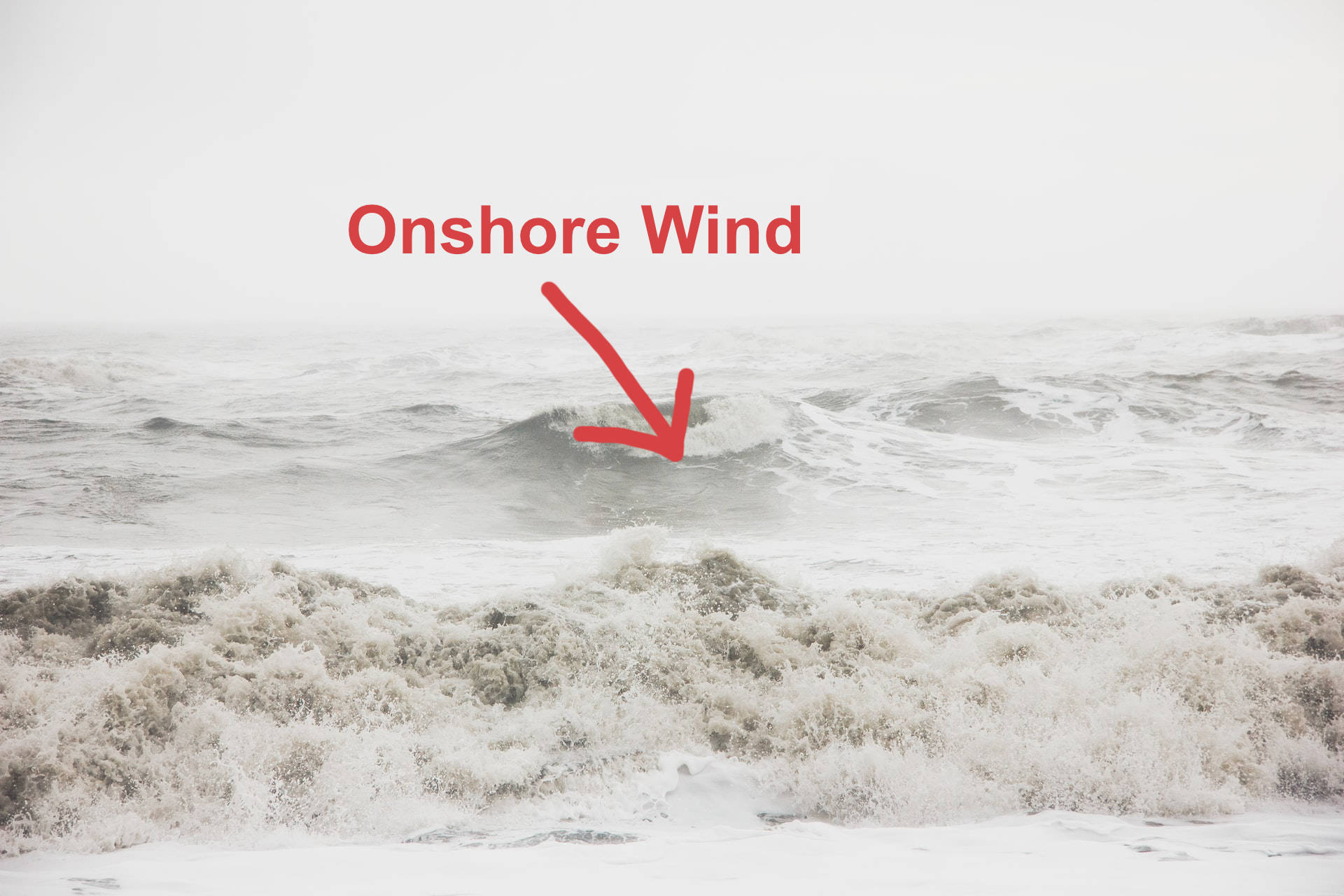
Onshore wind comes from the sea and pushes toward the beach. It tends to break the top of the wave early, making them messy and choppy. Waves lose their shape, and it’s harder to catch a good ride. For beginners, onshore wind can make standing up tricky, while advanced surfers often avoid these conditions.
Cross-shore Wind
When the wind blows parallel to the shore, it’s called cross-shore. It can cause waves to crumble or break unevenly along the face, making rides unpredictable. Cross-shore wind isn’t usually as bad as onshore wind, but it still makes surfing more difficult.
Wind Speed: How Much Is Too Much?
Wind speed matters as much as direction. Light winds (up to 10 knots or about 18 km/h) are usually ideal, especially if they’re offshore. Strong winds, even if offshore, can make it hard to paddle or hold position.
Let’s compare wind speeds and their typical effects:
Today's Exclusive Deals
Limited-time Exclusive Deals. Check current discount on Amazon.
Check Price on Amazon As an Amazon Associate I earn from qualifying purchases.| Wind Speed | Effect on Surfing |
|---|---|
| 0–8 knots (0–15 km/h) | Glass-like water, very clean waves |
| 8–15 knots (15–28 km/h) | Good for offshore, starts to get bumpy with onshore |
| 15+ knots (28+ km/h) | Very choppy, hard to paddle, messy waves |
Non-obvious insight: Even small changes in wind speed can quickly turn perfect surf into a mess. A 5-knot increase can be the difference between a great session and a difficult one.
Timing: When Does Wind Change?
Wind often shifts during the day. In many surf spots, mornings bring light offshore winds, creating the best waves. By midday, the wind may turn onshore and increase in strength, making the waves less clean. In the late afternoon, the wind sometimes drops again.
Tip: Plan your surf sessions for early morning or late afternoon to catch the best conditions. This is why experienced surfers often check the wind forecast before heading out.
How Wind Shapes Wave Quality
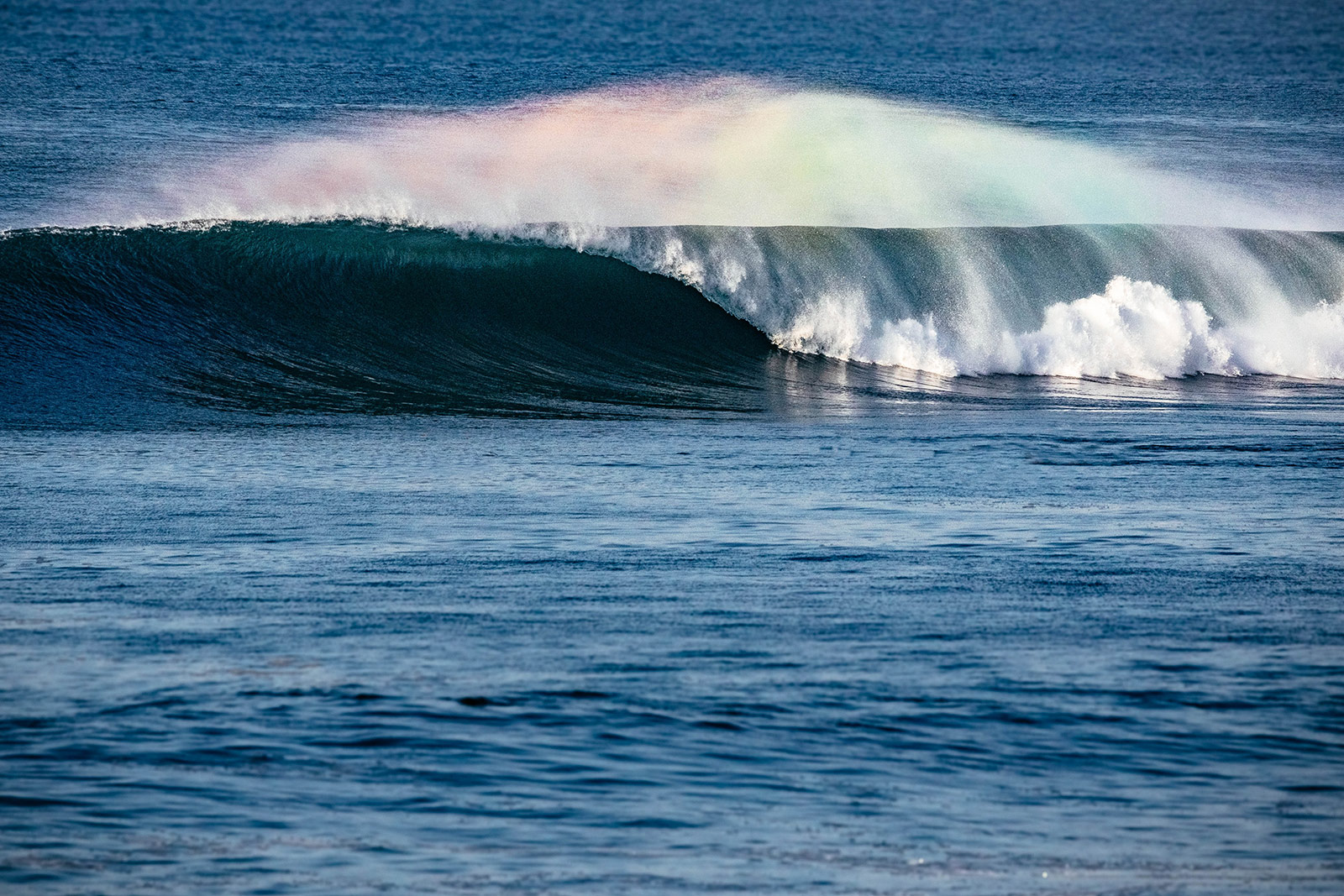
Wind affects not just the size but also the shape and texture of waves. When the wind blows against the direction of the waves (offshore), it “holds up” the wave face, making it steeper and easier to ride. This helps create the classic peeling waves surfers love.
Onshore wind, in contrast, pushes the wave face down. Waves crumble, lose their shape, and become harder to surf. Cross-shore winds can make the wave face bumpy, which makes balance and control more difficult.
Non-obvious insight: Offshore wind can sometimes be too strong. If it blows hard, it can make the wave face too vertical, causing “backwash” or spray that’s tough to paddle through. So, light offshore is best.
Local Geography And Wind
The effect of wind is also shaped by the local coastline. Headlands, cliffs, and forests can block or funnel wind, changing its impact on the waves nearby. For example, a beach with high cliffs may be protected from onshore wind, creating a “wind shadow” with cleaner waves. Sometimes, the same beach can have different wind conditions just a few hundred meters apart.
Example: In places like Portugal’s Nazaré, the cliffs help block some winds, making giant waves surfable when other spots are blown out.
Swell Vs. Local Wind
There’s a difference between swell (waves formed far away) and wind waves (waves formed by local wind). Swell usually creates better surfing conditions because it has traveled a long distance, organizing into smooth, powerful sets. Local wind waves are short, messy, and often change direction quickly.
Surfers prefer groundswell—waves created by distant storms and carried across the ocean. These waves are more consistent and have a better shape compared to wind swell from local breezes.
How To Read Wind Forecasts For Surfing
Learning to read a wind forecast helps you pick the best time and place to surf. Most surf forecasts show wind direction (using arrows) and speed (in knots or km/h). Look for:
- Wind direction: Is it offshore, onshore, or cross-shore for your beach?
- Wind speed: Under 10 knots is ideal.
- Time of day: Check for changes in wind forecast by the hour.
- Tide: Some spots are more affected by wind at low or high tide.
Practical tip: Use trusted surf forecast sites or apps. They often include live wind maps and hourly updates.
Safety: How Wind Affects Surfing Risks
Wind affects more than just the quality of your ride—it can also impact your safety.
- Strong offshore wind can blow you out to sea, especially on a light board. Beginners may find it hard to paddle back.
- Onshore wind can push you toward rocks or shorebreak, increasing the chance of injury.
- Changing wind can quickly turn good conditions dangerous, especially if you’re far from shore.
Always check the wind forecast before entering the water, and never paddle out if the wind is too strong or unpredictable for your skill level.
Wind And Surfboard Choice
Different boards perform better in different wind conditions. For example:
- Longboards are more stable and can handle small, choppy waves created by onshore wind.
- Shortboards work best in clean, steep waves made by light offshore wind.
If it’s windy and choppy, a board with more volume helps you catch waves and stay balanced.
Advanced Surfing: Using Wind For Tricks
Experienced surfers sometimes use wind to their advantage. For example, strong offshore wind helps create “barrels”—hollow waves you can ride inside. Some tricks, like aerials, are easier with a bit of wind holding up the wave face.
However, too much wind makes tricks risky. Spray from strong wind can block your vision, and gusts can throw you off balance.
Common Mistakes Surfers Make With Wind
- Ignoring the wind forecast: Many beginners focus only on the wave size, missing the importance of wind.
- Overestimating ability: Paddling out in strong wind is dangerous and can quickly exhaust you.
- Surfing at the wrong time: Midday onshore wind often ruins good surf; mornings are usually best.
- Not adjusting board choice: Using a small board in choppy wind can make learning much harder.
Real-world Examples
- In Hawaii, winter trade winds often blow offshore, creating the famous clean waves at Pipeline.
- In Australia’s Gold Coast, afternoon onshore wind is common, so locals surf early.
- At California’s Huntington Beach, cross-shore wind can create challenging but exciting conditions for advanced surfers.
Environmental Effects: How Wind Affects Water Quality
Wind also stirs up the water, bringing sand and debris into the surf zone. Onshore wind can wash pollution or seaweed onto the beach, while offshore wind may keep the water cleaner. After storms, the wind can make water rough and less safe for swimming or surfing.
How Wind Affects Surf Competitions
Surf contests often depend on wind conditions. Organizers watch the wind forecast closely and may delay events until the wind turns offshore. The best performances usually happen during light offshore wind, when waves are clean and predictable.
Practical Tips For Surfers
- Always check the wind forecast before you go.
- Choose your surf spot based on wind direction.
- Get to the beach early to catch clean waves.
- Bring a board that matches the day’s conditions.
- Watch local surfers—they often know the best times for good wind.
Comparing Wind Effects Across Famous Surf Spots
Here’s how wind impacts three world-famous surf locations:
| Surf Spot | Ideal Wind | Common Problems |
|---|---|---|
| Pipeline (Hawaii) | Light NE Offshore | Strong NE can be dangerous, onshore ruins barrels |
| Superbank (Australia) | SW Offshore | Afternoon SE onshore creates chop |
| Mundaka (Spain) | SE Offshore | Strong W wind breaks up waves |
Frequently Asked Questions
What Is The Best Wind Direction For Surfing?
The best wind direction is usually offshore—it blows from the land toward the sea, making waves clean and smooth. The exact direction depends on your beach’s shape and location.
How Does Wind Speed Affect Wave Quality?
Light wind (under 10 knots) helps create smooth, glassy waves. Strong wind (over 15 knots) makes waves messy and hard to surf, no matter the direction.
Can You Surf In Strong Wind?
You can, but it’s harder and riskier. Strong wind can make paddling difficult, waves unpredictable, and sometimes dangerous. Beginners should avoid surfing in strong wind.
Why Do Surfers Prefer Morning Sessions?
In many places, wind is lightest in the morning—often offshore. This creates the cleanest, best-shaped waves. As the day warms, wind usually turns onshore and conditions get worse.
Where Can I Find Accurate Wind Forecasts For Surfing?
Try surf forecast websites like Magicseaweed, which provide live wind, wave, and tide updates for many surf spots worldwide.
Surfing is about reading nature, and the wind is one of its most important signals. By understanding how wind affects surfing, you’ll catch more waves, stay safer, and enjoy the sport so much more. Next time you check the surf, pay attention to the wind—you might be surprised how much it matters.