
Surfing is full of special moves and techniques. One of these is the turtle roll. If you are new to surfing or just starting to ride bigger waves, you may have heard about this technique. But what is a turtle roll, why do surfers use it, and how can you learn it? This article will guide you through everything you need to know about the turtle roll in surfing, from the basics to advanced tips. You will understand when to use it, how it compares to other surf maneuvers, and what mistakes to avoid. Whether you are a beginner or looking to refine your skills, you will find clear answers and practical advice here.
What Is A Turtle Roll?
The turtle roll is a technique used by surfers, especially those riding longboards or bigger boards, to get through breaking waves safely. Unlike the duck dive, which is common for shortboard surfers, the turtle roll helps you avoid getting pushed back or knocked off your board when a wave comes toward you.

Today's Exclusive Deals
Limited-time Exclusive Deals. Check current discount on Amazon.
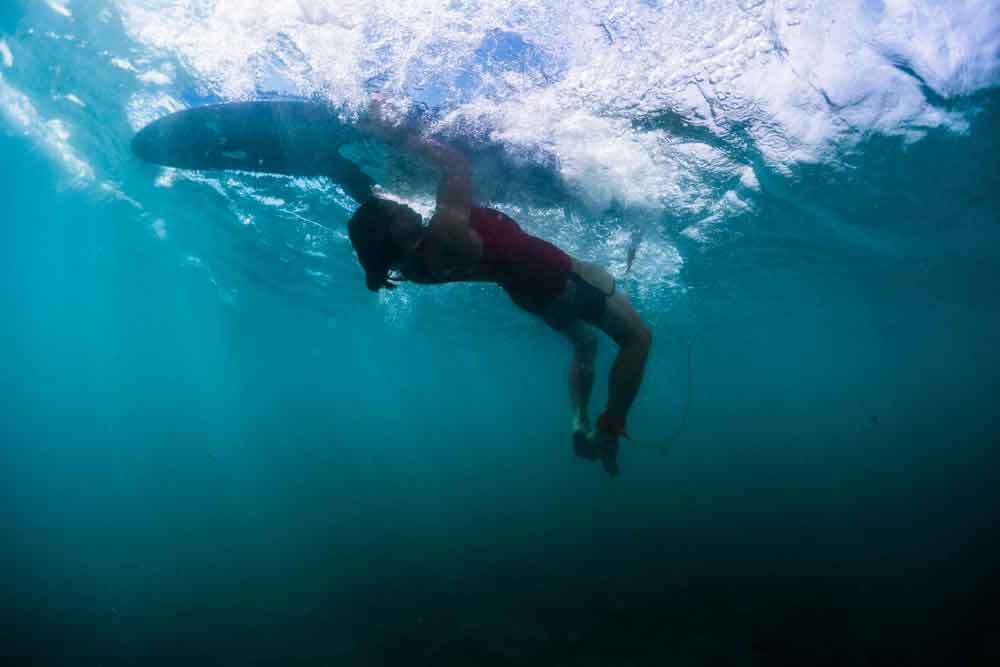
Check Price on Amazon As an Amazon Associate I earn from qualifying purchases.To perform a turtle roll, you grab both rails (edges) of your board, flip it upside down, and hold on tightly as the wave passes over. You stay underwater, using your body weight and grip to keep the board close.
Once the wave passes, you quickly flip the board back and resume paddling.
Surfers use the turtle roll mainly because longboards are too big and buoyant to duck dive. Without the turtle roll, big waves can stop you from paddling out or even throw you off your board.
Why Surfers Use The Turtle Roll
The main reason for using the turtle roll is the size and buoyancy of longboards. These boards are often 8–12 feet long and much thicker than shortboards. They float more, making it almost impossible to push them underwater for a duck dive.
The turtle roll is especially important when:
- You face powerful, breaking waves while paddling out.
- You use a board that is too large for duck diving.
- You want to stay safe and keep control of your board.
The turtle roll also helps you:
- Avoid losing your board in rough conditions.
- Keep moving forward instead of getting pushed back.
- Protect yourself and other surfers from flying boards.
Step-by-step: How To Turtle Roll
Learning the turtle roll is simple, but it takes practice to do it smoothly. Here is how you do it:
1. Spot The Wave
As you paddle out, watch for incoming waves. Get ready when you see a wave about to break in front of you.
2. Grab Your Board
Just before the wave reaches you, grab both rails of your board. Place your hands about shoulder-width apart.
3. Flip The Board
Roll the board upside down so the deck faces the water and the fins point up. You should be underneath the board.
4. Hold Tight And Stay Low
Keep your arms straight and your body close to the board. Hold on as the wave passes over. If the wave is strong, use your weight to keep the board from being pulled away.
5. Flip Back And Paddle
Once the wave passes, quickly roll the board back upright. Get back on top and continue paddling out.
This method works best for boards longer than 7 feet, but you can use it with any large, buoyant board.
Turtle Roll Vs. Duck Dive
Surfers often wonder which technique is better: turtle roll or duck dive. The answer depends on your board and the conditions.
Here is a comparison of the two:
| Feature | Turtle Roll | Duck Dive |
|---|---|---|
| Board Type | Longboard, soft-top, SUP | Shortboard, fish, hybrid |
| Difficulty | Easy to learn | Harder to master |
| Wave Size | Medium to large | Small to medium |
| Water Depth | Shallow to deep | Best in deeper water |
| Efficiency | Slower, but safer | Faster, but riskier |
For longboard surfers, the turtle roll is the best choice. Shortboard surfers should stick to duck diving.
Common Mistakes And How To Avoid Them
Even simple moves like the turtle roll can go wrong if you are not careful. Here are mistakes surfers often make:
1. Letting Go Of The Board
If you lose your grip during the roll, the wave can throw your board away. Always hold the rails firmly.
2. Flipping Too Early Or Late
Timing is key. If you roll too soon, you may get stuck under the board. If you roll too late, the wave can hit you before you are ready.
3. Not Keeping The Board Close
Some beginners let the board float away while they are under. Stay close and use your body to keep the board in place.
4. Not Using Your Weight
Strong waves can lift the board if you do not press down with your body weight.
5. Rushing The Flip Back
If you flip back too fast after the wave, you can lose balance. Wait until the wave has fully passed.
Avoiding these mistakes will help you use the turtle roll more safely and effectively.
When To Use The Turtle Roll
You need the turtle roll mostly when:
- Paddling out through breaking waves.
- The wave is too strong for you to simply paddle over.
- You ride a board too large for duck diving.
It is not useful in calm water or when small waves are not breaking. In some cases, experienced surfers may paddle fast and angle their boards to avoid the need for a roll. However, most beginners and longboard riders will need to turtle roll often.

Tips For Mastering The Turtle Roll
To get better at the turtle roll, follow these tips:
- Practice in Small Waves
Start in gentle conditions before trying in big surf.
- Use Proper Hand Position
Grip the rails firmly, but not too close to the nose or tail.
- Stay Calm Underwater
Waves can be scary, but staying relaxed will help you keep control.
- Focus on Timing
Watch the waves and practice flipping at the right moment.
- Keep Your Board Parallel
Try to keep the board flat and parallel to the wave as you roll.
- Check Your Leash
Make sure your surf leash is attached and not tangled. A loose leash can cause problems during the roll.
Many surfers forget that practicing the turtle roll can help them feel more confident in rough water. Don’t wait until you are in a tough situation—practice regularly.
Turtle Roll In Different Surf Conditions
The turtle roll works in many conditions, but some situations require extra care.
| Surf Condition | How Turtle Roll Works | Extra Tips |
|---|---|---|
| Small Waves | Easy to roll, less risk | Good for practice |
| Large Waves | Wave force is strong | Hold tight, use weight |
| Choppy Water | Board may move around | Stay focused, grip firmly |
| Crowded Surf | Risk of hitting others | Check surroundings, roll carefully |
Surfing in large waves makes the turtle roll more important. It can keep you and other surfers safe.

Turtle Roll For Beginners: What You Need To Know
If you are new to surfing, the turtle roll may feel awkward at first. Here are some beginner tips:
- Don’t worry if you make mistakes. Every surfer had trouble in the beginning.
- Ask for help from other surfers or watch them in action.
- Practice on the beach before going into the water. Flip your board upside down, and try holding it as if a wave was passing.
- Use a soft-top longboard if possible. These boards are safer and easier to handle.
- Remember, the goal is to get past the breaking wave, not to dive deep.
One insight many beginners miss is that confidence comes from practice, not just knowing the steps. The more you try the turtle roll, the easier it will get.
Advanced Turtle Roll Techniques
Experienced surfers sometimes use advanced methods to improve their turtle roll:
- Angle the Board
Instead of keeping the board straight, angle it slightly to let the wave pass more easily.
- Push the Nose Down
Some surfers gently push the nose of the board down as they roll, helping the board stay under the wave.
- Kick with Your Legs
Kick your legs as the wave passes, helping you stay close to the board.
- Combine with Paddle Techniques
Paddle hard before the wave, then roll at the last second. This can help you maintain momentum.
These techniques make the turtle roll more efficient and reduce the risk of getting caught by the wave.
Turtle Roll Safety Tips
Safety is important in surfing, especially with big boards and strong waves. Follow these safety tips:
- Always check your surroundings before rolling. Other surfers may be nearby.
- If you lose your board, stay calm and swim after it.
- Make sure your leash is secure, but not too tight.
- Don’t attempt the turtle roll in water that is too shallow.
- If you are tired, rest before paddling out again.
Remember, the turtle roll is designed to keep you and your board safe, but only if you do it correctly.
Turtle Roll In Surf Competitions
The turtle roll is not just for beginners or casual surfers. Many pro longboard surfers use this technique during competitions.
In competitive surfing:
- Time is critical, so a fast, smooth turtle roll can save valuable seconds.
- Judges watch how surfers handle waves on the paddle out, so using proper technique matters.
- Surfers often use the turtle roll to avoid losing points by getting caught inside.
Using the turtle roll well shows skill and confidence, which can help in both casual and competition surfing.
Environmental Impact And Surf Etiquette
Surfing is more than riding waves—it is about respect for nature and others. When you use the turtle roll, remember:
- Don’t let your board hit others during the roll.
- Avoid rolling too close to the shore, where there may be swimmers.
- Respect local surf rules and etiquette.
- Take care of your board to avoid damage to marine life.
Learning the turtle roll helps you become a safer, more responsible surfer.
Comparing Board Types And Turtle Roll Suitability
Not all boards work the same with the turtle roll. Here is a quick comparison:
| Board Type | Can Turtle Roll? | Notes |
|---|---|---|
| Longboard | Yes | Best technique for longboards |
| Shortboard | No | Use duck dive instead |
| Soft-top Board | Yes | Easy for beginners |
| Stand Up Paddleboard (SUP) | Limited | Roll possible but harder |
| Fish Board | No | Too small for turtle roll |
Choose the right technique for your board for safer and more enjoyable surfing.
Frequently Asked Questions
What Is The Main Purpose Of The Turtle Roll In Surfing?
The turtle roll helps surfers get past breaking waves when paddling out, especially when using big boards. It keeps you and your board safe and prevents getting pushed back by strong waves.
Can You Do A Turtle Roll With A Shortboard?
No, the turtle roll is not suitable for shortboards. Shortboards are small enough to duck dive under waves. If you try to turtle roll with a shortboard, you may lose control or get hit by the wave.
How Can I Improve My Turtle Roll Technique?
Practice in small waves, focus on timing, and grip the rails firmly. Watch experienced surfers and ask for tips. Practicing on the beach can also help you build confidence.
Is The Turtle Roll Dangerous?
The turtle roll is safe if done correctly. Risks come from losing your board, hitting other surfers, or rolling in shallow water. Always check your surroundings and use proper technique.
Where Can I Learn More About Surf Techniques?
You can find more information on sites like Wikipedia and from local surf schools. Watching videos and reading guides can also help.
Surfing is a journey. Learning the turtle roll will make you a safer, more confident surfer. With practice, you will paddle out through waves with ease and enjoy the ocean even more.

