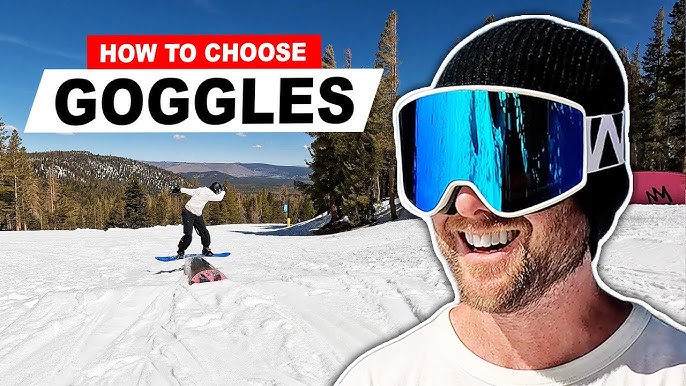
Snowboarding is a thrilling sport that brings you close to nature and lets you enjoy the rush of winter. But before you hit the slopes, it’s important to have the right gear. One of the most critical pieces is your snowboarding goggles. These are not just for style. The right goggles protect your eyes from snow, wind, and harmful UV rays. They also help you see clearly in changing weather. Choosing the best goggles can feel confusing, especially with so many options. This guide will help you make a smart choice so you can ride safely and enjoy every moment on the mountain.
Why Snowboarding Goggles Matter
Many beginners think regular sunglasses are enough for snowboarding. But that’s a big mistake. Snowboarding goggles are specially designed to block cold air, fit under helmets, and stay on your face even when you fall. They also prevent snow blindness, which happens when sunlight reflects off white snow and damages your eyes. Good goggles make a huge difference in comfort, safety, and performance.
Key Features To Consider
Choosing goggles is not just about picking a cool color. Here are the main features you should check before buying:
Lens Type
Goggles come with different types of lenses, and each serves a special purpose.
- Single lens: Cheaper, but less effective at stopping fog.
- Double lens: Better insulation, reduces fogging, and is more common in quality goggles.
If you snowboard in very cold or wet areas, double lens goggles are usually best.
Lens Tint
The color of your lens affects how you see the snow and terrain.
- Yellow/Gold/Amber: Great for low light or cloudy days.
- Rose/Pink: Good for mixed light conditions, increases contrast.
- Dark Gray/Brown: Best for bright sunny days, reduces glare.
- Clear: Night riding or heavy overcast, lets in most light.
A common mistake is picking a dark lens for all conditions. In fog or snow, dark lenses can make it hard to see bumps and changes in the snow.
Visible Light Transmission (vlt)
VLT measures how much light passes through the lens (shown as a percentage).
- High VLT (60%+): More light, good for cloudy or night.
- Mid VLT (30-60%): For mixed or changing conditions.
- Low VLT (5-30%): For bright sun, less light passes through.
Most riders need at least two types of lenses for different days. Some goggles come with interchangeable lenses for this reason.
Uv Protection
Snow reflects up to 80% of UV rays, so protection is essential. Always look for 100% UV protection. Never skip this, even on cloudy days.
Anti-fog Coating
Foggy goggles ruin your run and can be dangerous. Many goggles have a special anti-fog coating inside. But don’t touch or wipe this coating, as it wears off easily. Also, double lens goggles fog less.
Frame Size And Fit
Goggles come in different sizes to fit various face shapes.
- Small/Medium Frame: For women, teens, or people with smaller faces.
- Large Frame: For men or wider faces.
- Over-the-glasses (OTG): Designed to fit over regular glasses.
A poor fit means cold air can get inside, and the goggles can slide down your face. Always try goggles with your helmet to check the fit.
Ventilation
Good goggles have vents on the top, sides, or bottom. These let warm, moist air escape, keeping your vision clear. Avoid blocking these vents with hats or helmets.
Comfort And Padding
High-quality goggles have soft foam around the frame. This foam should feel comfortable and stop snow from getting in. Triple-layer foam is best for long days on the mountain.
Strap And Helmet Compatibility
Straps should be adjustable and wide enough to grip your helmet. Some goggles have silicone strips on the strap to prevent slipping.
Price And Warranty
Goggles can cost anywhere from $30 to $300+. Cheaper goggles may lack advanced features, but expensive does not always mean better. Check for warranty and customer service, as good brands stand behind their products.
How To Match Goggles To Weather And Terrain
Not all goggles work for every mountain or weather. Here’s how to pick the right pair for different situations:
For Sunny, Bluebird Days
Choose low VLT lenses (dark tints like gray or brown). Polarized lenses are also helpful for blocking glare.
For Cloudy, Snowy, Or Flat Light
Pick goggles with high VLT (yellow, amber, rose tints). These enhance contrast and help you see bumps and ice patches.
For Night Riding
Use clear lenses with the highest VLT. Dark or mirrored lenses make it difficult to see in low light.
For All-mountain Or Changing Weather
Consider goggles with interchangeable lenses or photochromic lenses that adjust tint automatically.
Comparison Of Lens Colors For Different Conditions
Here’s a simple comparison to help you understand which lens color works best in various weather:
| Lens Color | Best For | VLT Range |
|---|---|---|
| Yellow/Amber | Cloudy, foggy, low light | 50-80% |
| Rose/Pink | Mixed/variable light | 30-60% |
| Gray/Brown | Bright sun | 10-30% |
| Clear | Night, heavy overcast | 80-90% |
Popular Lens Technologies Explained
You might see terms like polarized, photochromic, or mirrored when shopping for goggles. Here’s what they mean:
Polarized Lenses
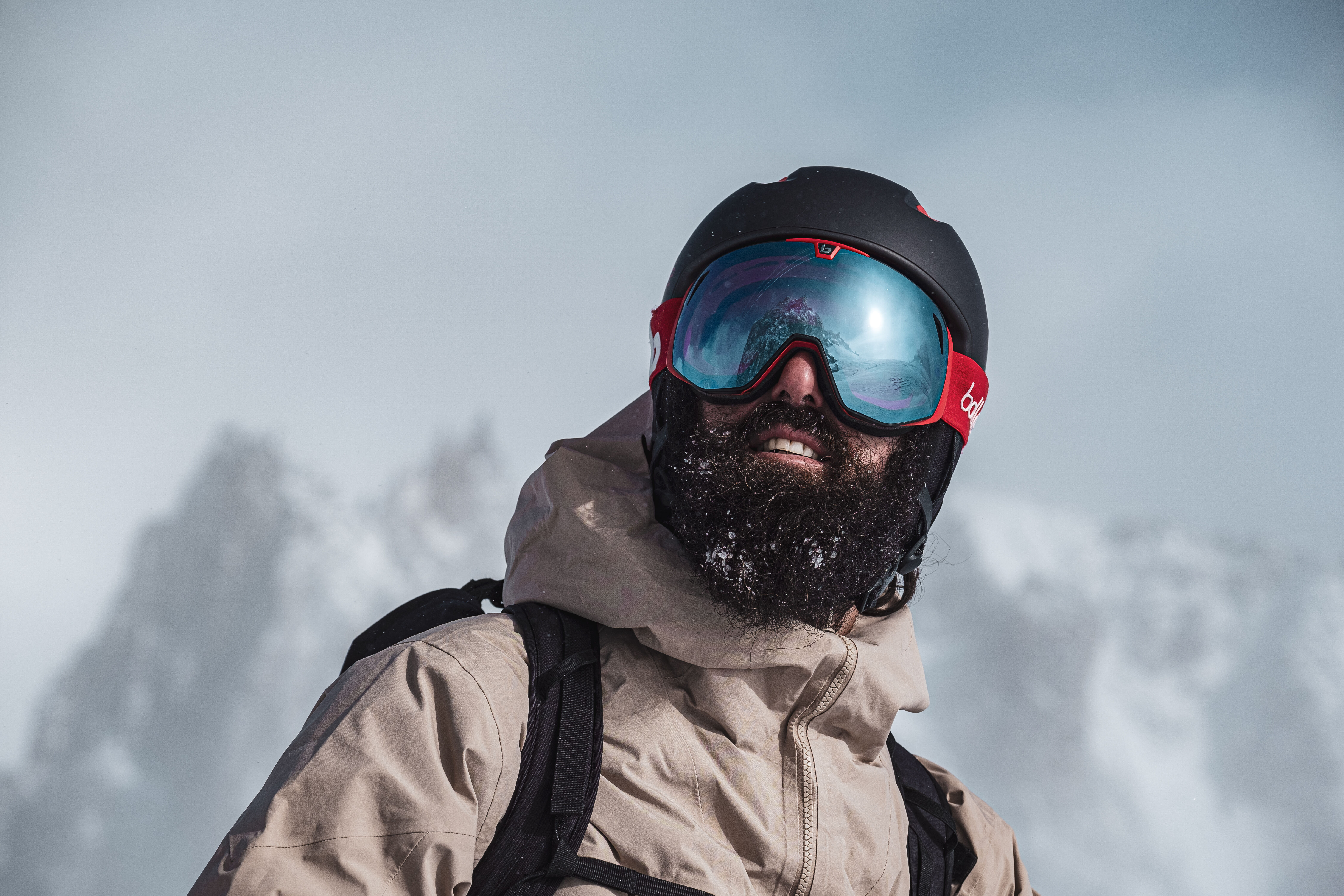
These reduce glare from sunlight reflecting off snow. They are great for bright days but can make it harder to see ice patches in low light.
Mirrored Lenses
These reflect more light, so they work well in strong sun. They also look stylish but can scratch more easily.
Photochromic Lenses
These adjust their tint based on sunlight. They are good for changing weather but are usually more expensive.
Prizm, Chromapop, Vivid (brand-specific)
Some brands offer special lens technology to boost color and contrast. For example, Oakley’s Prizm, Smith’s ChromaPop, or Giro’s VIVID. These are great for seeing details but cost more.
Frame Size And Face Shape: Getting The Right Fit
Not all goggles fit every face. Here’s a quick comparison of frame sizes and who they’re good for:
| Frame Size | Best For | Notes |
|---|---|---|
| Small/Medium | Kids, women, small faces | Less coverage, lighter weight |
| Large | Men, wide faces | More coverage, wider vision |
| OTG | People with glasses | Extra space for eyeglasses |
When trying goggles, check for:
- No gaps between your helmet and goggles
- No pinching on your nose
- Full field of vision (you can see to the sides)
Mistakes To Avoid When Buying Goggles
- Ignoring VLT: Many riders choose a lens color for style, not for the weather. Always match VLT to the day’s conditions.
- Poor Fit: Uncomfortable goggles can ruin your day. Try them on with your helmet before buying.
- Single Pair for All Conditions: If you ride often, one lens won’t work for every day. Consider buying a second lens or a goggle with interchangeable lenses.
- Touching the Inside Lens: This can remove the anti-fog coating and make fogging worse.
- Blocking Vents: Covering the vents with a hat or helmet stops airflow and causes fog.
- Ignoring UV Protection: Always check for 100% UV protection, even on cloudy days.
- Buying Cheap Knock-offs: Low-quality goggles may lack true UV protection and fog easily.
How To Try And Test Goggles Before You Buy
It’s always best to try goggles in person if possible. Here’s how:
- Wear your helmet: Make sure the goggles fit well with your helmet and don’t leave gaps.
- Move your head: Shake and tilt your head to see if the goggles stay in place.
- Check your vision: Look side to side. Good goggles don’t block your view.
- Test comfort: The foam should feel soft and not press too hard.
- See the tint: Try looking outside or at different light levels to check the lens color.
If you shop online, read reviews and check the return policy.
Caring For Your Snowboarding Goggles
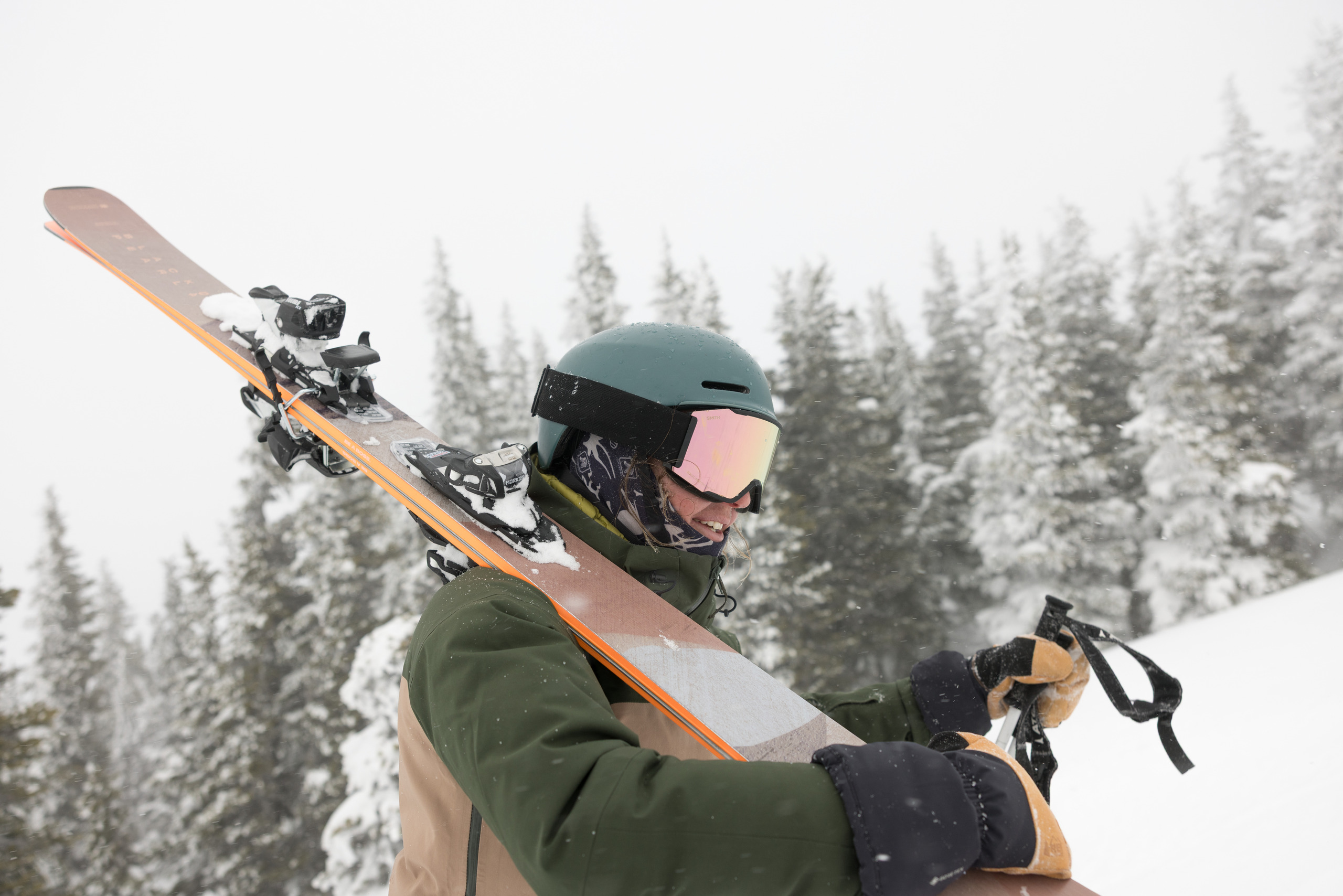
Goggles are an investment. Proper care extends their life.
- Never wipe the inside lens unless necessary. If fog or snow gets inside, let them air dry.
- Store goggles in a soft pouch to avoid scratches.
- Dry them after use by leaving them at room temperature, not near heat.
- Clean with a microfiber cloth and avoid paper towels, which can scratch the lens.
Top Brands And Where To Buy
Some brands are known for their quality and innovation. These include:
- Oakley
- Smith
- Giro
- Anon
- Dragon
Buy from outdoor gear shops or trusted online retailers. For official information on lens technologies, check the Wikipedia page on goggles.
Sample Price Comparison
To give you an idea, here’s a sample price and feature comparison of popular goggles:
| Brand/Model | Lens Type | VLT | Approx. Price (USD) |
|---|---|---|---|
| Oakley Flight Deck | Prizm, Spherical | 10-80% (varies by lens) | $200 |
| Smith I/O Mag | ChromaPop, Interchangeable | Varies by lens | $250 |
| Giro Blok | VIVID, Cylindrical | 22-58% (varies by lens) | $130 |
| Anon Helix 2.0 | Mirrored, Cylindrical | Varies | $80 |
Frequently Asked Questions
What Is The Best Lens Color For All Conditions?
There is no perfect color for all conditions, but rose or amber lenses work well in most weather. For frequent riders, goggles with interchangeable lenses offer the most flexibility.
Can I Wear My Regular Glasses Under Snowboarding Goggles?
Yes, but you need OTG (over-the-glasses) goggles. These are designed with extra space and cut-outs for glasses. Regular goggles may press on your glasses and feel uncomfortable.
How Do I Stop My Goggles From Fogging Up?
Choose double lens goggles with good ventilation and anti-fog coating. Don’t overdress your head, as sweat can cause fog. Never wipe the inside lens, and don’t block the vents with your hat or helmet.
Are Expensive Goggles Worth It?
Higher-priced goggles often have better lens technology, stronger anti-fog features, and more comfortable foam. But you don’t need to buy the most expensive model. Focus on fit, VLT, and UV protection first.
How Tight Should Snowboarding Goggles Fit?
Goggles should be snug but not too tight. They should seal against your face without hurting your nose or leaving marks. The strap should be firm but comfortable, and the goggles should stay in place when you shake your head.
Snowboarding is more fun and much safer when you can see clearly. Choosing the right goggles is an investment in your enjoyment and your eyes. Take your time, try different options, and match your goggles to the weather and your riding style.
With the right pair, you’ll ride with confidence and enjoy every snowy moment on the mountain.