
Transporting a snowboard can be a real challenge, especially if you want to keep it safe from scratches, dents, and damage. Whether you’re heading to a local mountain or flying across the country, knowing how to move your board the right way can save you money and stress.
Many snowboarders, especially beginners, overlook small things that can make a big difference. In this guide, you’ll find practical advice for every situation—from cars to planes—plus pro tips that most people miss.

Today's Exclusive Deals
Limited-time Exclusive Deals. Check current discount on Amazon.
Check Price on Amazon As an Amazon Associate I earn from qualifying purchases.Choosing The Right Bag For Your Snowboard
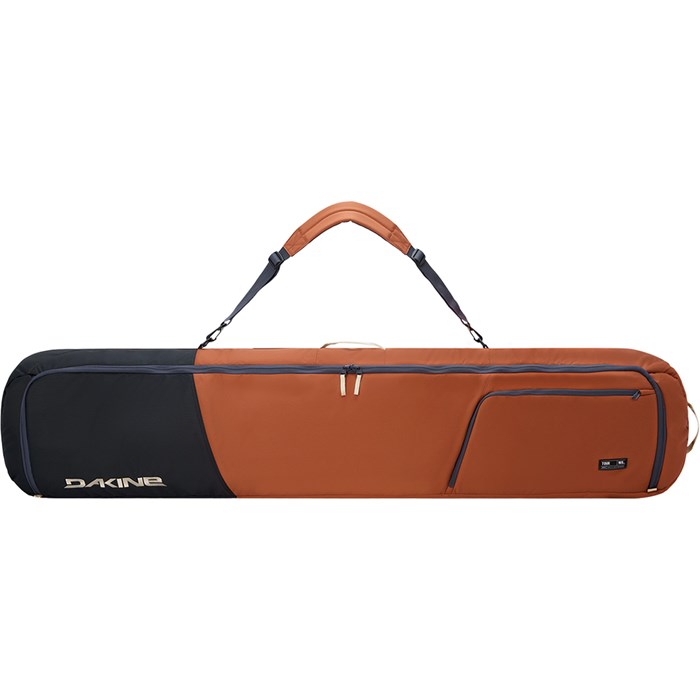
The first step is picking the right snowboard bag. There are two main types: soft and hard cases.
| Bag Type | Protection Level | Price Range | Weight |
|---|---|---|---|
| Soft Bag | Medium | $50–$150 | Light |
| Hard Case | High | $150–$350 | Heavy |
A soft bag is great for road trips and short travel. It’s lighter and easier to carry, but offers less protection. If you’re flying, a hard case is better. It protects your board from heavy impacts, rough handling, and stacking.
Make sure your bag fits your board snugly. Too much empty space means the board can move and get scratched. Look for bags with extra padding, waterproof material, and strong zippers. Some bags have wheels, which are useful in airports.
Preparing Your Snowboard For Transport
Getting your board ready is just as important as choosing a bag. Here’s what you should do:
- Clean the board: Remove snow, dirt, and moisture. Water can cause rust.
- Dry thoroughly: Pay attention to the edges and binding areas.
- Wax the base: This protects the base and keeps it smooth.
- Remove bindings: If you have space, take off the bindings. This reduces the chance of breakage and lets the board lie flat.
- Cover sharp edges: Use edge protectors or wrap with a towel. This prevents scratches and damage to other items in your bag.
Many beginners skip waxing and drying, thinking it’s not important. But moisture can cause rust spots and even damage the board. Removing bindings also prevents bending or snapping during rough transport.
Packing Your Snowboard Bag Properly
How you pack your bag matters. It’s not just about putting the board inside and zipping it up.
- Place the snowboard in the center.
- If you removed the bindings, wrap them in a towel or bubble wrap and place them on either side of the board.
- Add extra padding—use clothes, jackets, or foam to fill empty spaces.
- Keep boots in a separate compartment if possible. If not, wrap them and place them at the ends.
- Zip up and check for movement. If you hear rattling, add more padding.
Avoid putting heavy items directly on the board. Even in a hard case, too much pressure can cause cracks. Many people forget to pad the tips and tails, which are the most fragile parts.
Transporting A Snowboard In A Car
Road trips are common for snowboarders. Here’s how to do it right:
Inside The Car
- Lay the board flat on the back seat or cargo area.
- Place a blanket underneath to avoid scratches.
- Secure with seat belts or straps to prevent sliding.
- Avoid stacking luggage on top of the board.
Roof Rack
If you have a roof rack:
- Use a snowboard-specific rack, not just a generic one.
- Place the board base down, bindings up.
- Secure with strong straps. Check regularly for tightness.
- Cover with a waterproof bag or tarp to protect from weather.
Trunk Transport
- Make sure the trunk is clean and dry.
- Put the board in a bag.
- Fill gaps with soft items—jackets, towels, or pillows.
Many people rush and toss their board in the car. This can scratch the base or bend the edges. It’s safer to take a few minutes and secure it properly.
Flying With Your Snowboard
Air travel is riskier because airport staff often handle bags roughly. Here’s what you need to know:
Airline Policies
Most airlines allow snowboards as checked baggage, but rules vary.
| Airline | Max Length | Extra Fees | Notes |
|---|---|---|---|
| Delta | 203 cm | $30–$150 | One board per bag |
| United | 208 cm | $0–$100 | Weight limits apply |
| Lufthansa | 200 cm | $70–$150 | Advance booking required |
Always check your airline’s website for the latest rules. Some charge extra for oversized bags or heavy items.
Packing For Air Travel
- Use a hard case for maximum protection.
- Remove bindings and wrap separately.
- Add ID tags inside and outside the bag.
- Use TSA-approved locks for security.
Airlines often lose luggage, so labeling your bag is essential. Include your name, phone, and email. If you travel internationally, add your country flag sticker for easy identification.
Check-in Tips
- Arrive early; sports gear can take longer to check.
- Tell staff your bag contains a snowboard—they may handle it with care.
- Keep receipts and photos of your board. If it’s damaged, you’ll need proof for claims.
Many snowboarders don’t realize that some airlines only cover basic damage. Always read the fine print before you fly.
Shipping A Snowboard By Courier
Sometimes you need to ship your board ahead, especially for long trips or competitions.
How To Ship
- Choose a reliable courier (FedEx, UPS, DHL).
- Use a hard case or strong cardboard box.
- Add foam, bubble wrap, or towels for padding.
- Insure your package for its full value.
- Label clearly with destination address and contact info.
Shipping is safer than flying for fragile boards, but insurance is key. If your board is expensive, don’t skip coverage.
Cost Comparison
Shipping costs depend on distance, weight, and speed.
| Courier | Domestic Cost | International Cost | Delivery Time |
|---|---|---|---|
| FedEx | $50–$120 | $150–$350 | 2–7 days |
| UPS | $45–$110 | $140–$320 | 2–6 days |
| DHL | $60–$130 | $180–$400 | 2–8 days |
Always compare prices and delivery times. If you’re shipping internationally, check customs rules for sports equipment.

Storing Your Snowboard During Transport
Keeping your board safe isn’t just about moving it. Storage matters too.
- Store your board in a dry, cool place.
- Avoid direct sunlight and extreme heat.
- If you’re staying overnight, keep the bag off the ground to avoid moisture.
- Never leave your board in a hot car—it can warp the base and damage the glue.
Most people don’t realize that temperature changes can affect the snowboard’s shape. If you’re on a long trip, check your board every day for signs of moisture or damage.
Protecting Against Theft
Snowboard theft is common, especially at airports and hotels.
- Use TSA-approved locks for your bag.
- Avoid showing off expensive boards in public.
- At hotels, store your board in your room, not in hallways or common areas.
- Register your board’s serial number with the manufacturer if possible.
If your board is stolen, report it immediately. Many brands offer tracking help if you have the serial number.
Common Mistakes To Avoid
Even experienced snowboarders make mistakes when transporting their gear. Here are some you should watch out for:
- Not drying the board before packing
- Using a bag that’s too big or too small
- Packing heavy items on top of the board
- Forgetting to remove bindings
- Not labeling the bag clearly
- Ignoring airline or courier weight limits
- Leaving the board in a hot car
- Not using enough padding
- Skipping insurance for expensive boards
- Failing to check bag for movement before travel
A big mistake beginners make is packing boots and helmets in the same compartment as the board. This can cause dents and scratches. Always wrap and separate gear.
Extra Tips For Safe Snowboard Transport
- If you travel often, invest in a high-quality hard case.
- Use silica gel packs in your bag to absorb moisture.
- Check your board for damage after every trip.
- If you’re using public transport, keep the bag close and never let it out of sight.
- For long trips, write a checklist to make sure you don’t forget anything.
Many snowboarders don’t know that silica gel packs can prevent rust and mold, especially in humid climates. Checking your board after each trip helps catch small issues before they become big problems.
Frequently Asked Questions
How Do I Prevent My Snowboard From Getting Scratched During Transport?
Use a padded bag, add extra clothes or foam around the board, and make sure sharp edges are covered. Never pack boots or heavy items next to the board.
Can I Take My Snowboard As Carry-on Luggage?
Most airlines do not allow snowboards as carry-on because they are too large. You must check them in, and rules vary by airline. Always check with your airline before traveling.
What’s The Best Way To Transport A Snowboard On A Bus Or Train?
Use a padded bag, keep the board close to you, and avoid letting it slide or get bumped. If possible, store it upright and away from heavy luggage.
How Can I Protect My Snowboard From Theft?
Use locks, keep your board out of sight in public areas, and store it in secure places. Register your board’s serial number with the manufacturer for tracking.
Should I Remove The Bindings Before Transport?
Yes, especially for air travel or shipping. Removing bindings reduces the risk of breakage and helps the board lie flat, making packing easier and safer.
Transporting a snowboard safely takes planning and care. From choosing the right bag to packing correctly and checking airline rules, every step matters. Small details—like drying your board and using silica gel—can make a big difference. Avoid common mistakes, use the right protection, and your snowboard will stay safe wherever your adventure takes you. If you need more technical details, you can read official guidelines at Wikipedia. Taking the time to do it right means you’ll enjoy your trip—and your board—for years to come.

