Skiing is a sport that blends speed, skill, and the beauty of winter landscapes. While most people focus on skis and boots, there is another piece of equipment that is just as important: the ski pole. For beginners, ski poles may look like simple sticks, but they play a bigger role in skiing than many realize. Whether you are gliding down a gentle slope or navigating steep, icy terrain, understanding what ski poles are used for can make your experience safer, more enjoyable, and even more efficient.
What Are Ski Poles?
Ski poles are long, lightweight rods designed for use in skiing. They usually have a handle, a strap, a shaft, and a basket near the bottom. The materials range from aluminum and carbon fiber to composite blends. Poles come in various lengths, suited to the skier’s height and style.
Today's Exclusive Deals
Limited-time Exclusive Deals. Check current discount on Amazon.
Check Price on Amazon As an Amazon Associate I earn from qualifying purchases.While they might seem basic, each part of a ski pole is designed with a purpose, helping skiers improve balance, movement, and control.
The Main Uses Of Ski Poles
Ski poles are not just for balance. They serve several important functions across different types of skiing. Let’s look at how ski poles help skiers on the slopes:
1. Balance And Stability
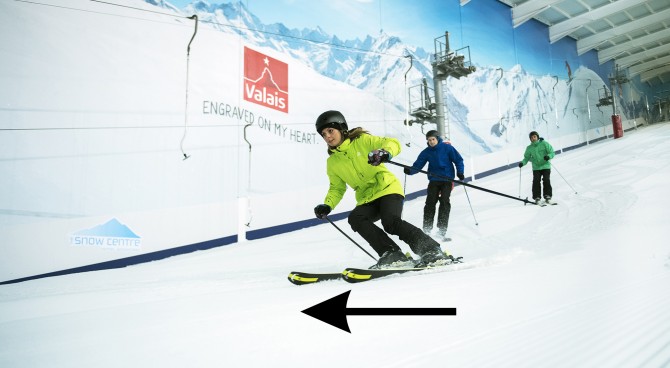
One of the most obvious uses of ski poles is to help maintain balance. As you move down the slope, your body position changes constantly. Ski poles act as an extra point of contact with the snow, allowing you to steady yourself, especially when stopping or turning. On uneven or steep terrain, a pole plant—a quick tap of the pole on the snow—can give you the confidence to keep your balance.
2. Timing And Rhythm
Skiers use poles to help set the timing and rhythm of their turns. In alpine skiing, planting the pole just before a turn helps the body to move in the right direction. This timing keeps the upper body stable and the lower body moving smoothly. Many ski instructors teach students to use their poles to develop a consistent pattern, which is especially useful for linking turns and skiing moguls.
3. Pushing And Propulsion
Flat sections can slow you down, but ski poles make it easier to push yourself forward. This is especially important in cross-country skiing, where poles are the main source of speed. Even alpine skiers use their poles to push themselves along flat or uphill areas, such as when getting on or off ski lifts.
4. Support In Difficult Terrain
When skiing on rough or challenging ground—like powder, ice, or steep slopes—poles provide extra support. If you start to lose balance, a quick pole plant can stop a fall. Poles also help you get up more easily if you fall, acting as a tool to push against the snow.
5. Testing Snow Depth And Conditions
Skiers often use poles to test the depth and quality of snow. Before dropping into deep powder or unknown areas, a skier may poke the pole into the snow to check for hazards, ice, or hidden rocks. This small action can prevent accidents and help you choose the safest line.
6. Navigation And Marking
Ski poles can be used to mark spots on the snow. If you are skiing with friends or in a group, you might stick a pole in the snow to show where to regroup or to mark a hazard. Racers also use poles as visual guides to aim for the next gate or turn.
7. Aid In Climbing
In backcountry skiing or ski touring, poles become essential for climbing hills. Adjustable poles allow skiers to lengthen them for uphill travel, using the poles to push against the slope. This makes climbing less tiring and helps maintain balance on the ascent.
8. Safety And Self-rescue
While not their main purpose, ski poles can be used in emergency situations. For example, they can help you pull yourself out if you fall into deep snow (called a “tree well”). They can also be used to signal for help by waving or crossing them above your head.
Types Of Ski Poles And Their Specific Uses
Ski poles are not all the same. Their design changes depending on the type of skiing. Here is a look at the main types:
| Type of Skiing | Pole Features | Main Use |
|---|---|---|
| Alpine (Downhill) | Fixed length, strong shaft, medium basket | Turning, balance, timing |
| Cross-Country | Longer, lightweight, small basket | Propulsion on flats |
| Freestyle | Shorter, durable, small basket | Balance, tricks, lightness |
| Backcountry/Touring | Adjustable length, large basket | Climbing, deep snow support |
| Racing | Aerodynamic, curved, light | Speed, gate navigation |
Each type is designed to make a specific style of skiing safer and more efficient.
Anatomy Of A Ski Pole
Knowing the parts of a ski pole helps you understand why each detail matters. A typical ski pole has:
- Grip/Handle: Usually made from plastic or rubber, designed for comfort and control.
- Strap: Holds your hand close to the grip, so you don’t drop the pole.
- Shaft: The main body, made from aluminum, carbon fiber, or composite materials.
- Basket: A round or star-shaped disk near the bottom to stop the pole from sinking into the snow.
- Tip: A sharp end for gripping the snow or ice.
Advanced poles sometimes have shock absorbers, ergonomic grips, or quick-adjust systems. For most skiers, a simple, well-fitted pole is enough.
How To Choose The Right Ski Poles
Picking the right ski poles is about more than just size. Here are key points to consider:
- Length: Stand upright and hold the pole upside down (grip on the ground). Your elbow should form a right angle. Poles that are too long or too short can throw off your balance.
- Material: Aluminum is tough and affordable; carbon fiber is lighter and absorbs shocks better but costs more.
- Basket Size: Small baskets are for hard-packed snow; large baskets are for powder and backcountry.
- Weight: Lighter poles are easier to swing, but heavier ones can handle more impact.
- Grip: Choose one that feels comfortable and matches your glove size.
When buying poles, don’t just pick the cheapest or coolest-looking pair. Make sure they fit your body and your skiing style. Many beginners overlook how much the wrong poles can affect their technique, leading to faster fatigue and less fun.
Common Mistakes When Using Ski Poles
Even experienced skiers make errors with their poles. Being aware of these can help you avoid bad habits:
- Leaning Too Hard: Poles are not crutches. Leaning on them too much can throw off your balance and slow your reactions.
- Incorrect Strap Use: Always use the strap properly (hand comes up through the strap, then grabs the grip). This keeps the pole with you if you fall but reduces the risk of wrist injury.
- Wrong Pole Length: Using poles that are too long or short can hurt your posture and make skiing harder.
- Dragging Poles: Some skiers let their poles drag behind. This wastes energy and can trip you up.
- Poor Timing: Planting the pole too early or late in a turn can throw off your rhythm.
Practicing correct pole use will help you ski longer, safer, and with better technique.
Ski Poles For Kids And Beginners
For children and new skiers, poles are not always necessary right away. In fact, most ski schools start with no poles, focusing on balance and movement first. Once a beginner can turn and stop confidently, poles are introduced. When choosing poles for kids, look for lightweight materials, comfortable grips, and bright colors so they are easy to find in the snow.
One insight most beginners miss: poles are tools, not toys. Swinging them wildly can be dangerous to yourself and others.
Do All Skiers Need Poles?
Not all skiing styles require poles. For example, snowboarders do not use poles at all, and ski jumpers or some freestyle skiers may not use them during tricks. Some beginners, especially children, learn faster without poles, as it forces them to focus on body movement and balance.
However, as skiers advance, poles become more important in developing proper technique and tackling varied terrain.
Comparing Ski Poles: Aluminum Vs. Carbon Fiber
Choosing between aluminum and carbon fiber poles is a common question. Here is a quick comparison:
| Feature | Aluminum | Carbon Fiber |
|---|---|---|
| Weight | Heavier | Lighter |
| Durability | Very strong, bends rather than breaks | Can snap under high stress |
| Cost | Cheaper | More expensive |
| Vibration Absorption | Less | More |
| Best For | Beginners, general use | Advanced skiers, racers |
Both types work well, but your choice depends on your skill, style, and budget.
Modern Innovations In Ski Poles
Ski pole technology keeps evolving. Some of the latest features include:
- Adjustable Length: Poles that change size for climbing or descending.
- Shock Absorbers: Built-in dampers to reduce vibration and wrist fatigue.
- Ergonomic Grips: Shaped for comfort and less strain.
- Quick-Release Straps: Designed to detach during a fall, preventing injury.
- Integrated Probes: Some backcountry poles can turn into avalanche probes.
These features are usually found in higher-end models, but they can make a real difference in safety and comfort for advanced skiers.
Environmental Impact Of Ski Poles
Most ski poles are made from metal or synthetic materials, which are not always eco-friendly. Some brands now offer poles made from recycled aluminum or biodegradable plastics. If you care about the environment, look for these options or consider renting poles instead of buying new ones each season.
Real-world Examples: How Ski Poles Improve Performance
Ski racers use specially curved poles to cut through the wind and shave seconds off their time. Cross-country skiers rely on their poles for up to 80% of their propulsion on flat terrain. In deep powder, backcountry skiers with large baskets stay on top of the snow, while those with small baskets sink and struggle.
These real-world uses show that the right pole can make a big difference.

Expert Tip: Practice Without Poles
One surprising tip is to occasionally ski without poles. This helps you focus on your balance and core movements. Once you add poles back, you will notice your technique is smoother and more controlled.
For more details on ski equipment and technique, you can check out Wikipedia’s ski pole article.
Frequently Asked Questions
Why Do Some Skiers Not Use Ski Poles?
Some beginners, children, or freestyle skiers skip poles to focus on balance and movement. Snowboarders and ski jumpers do not use poles. For most styles, poles become important as skills improve.
How Do I Know If My Ski Poles Are The Right Length?
Stand upright, flip the pole upside down, and grab just under the basket. Your arm should form a 90-degree angle. If it is much higher or lower, the pole is not the right size.
Can I Use The Same Ski Poles For All Types Of Skiing?
Not always. Cross-country poles are longer, while downhill poles are shorter and stronger. Backcountry poles have larger baskets. Using the wrong type can make skiing less effective and more tiring.
Do Ski Poles Help Prevent Injuries?
Poles can help you avoid falls by improving balance and support, especially in difficult terrain. However, improper use or falling with wrists caught in straps can cause injury, so correct technique is important.
Are Expensive Ski Poles Worth It For Beginners?
Most beginners do not need high-end poles. Focus on proper fit and comfort first. Advanced features are more helpful for experienced skiers or those with specific needs.
Ski poles are more than just accessories—they are essential tools for better skiing. By understanding their uses, choosing the right type, and practicing good technique, you can enjoy the slopes with more confidence and control.