
Freestyle skiing is a sport that combines speed, skill, and creativity on snow. It’s a discipline where athletes not only race downhill but also perform jumps, flips, and tricks that often seem to defy gravity. Unlike traditional skiing, which focuses mainly on speed and technical turns, freestyle skiing rewards style, precision, and originality.
This blend of artistry and athleticism has made freestyle skiing one of the most exciting events in winter sports.

Today's Exclusive Deals
Limited-time Exclusive Deals. Check current discount on Amazon.
Check Price on Amazon As an Amazon Associate I earn from qualifying purchases.But freestyle skiing is much more than just flying through the air. It includes many different events, each with its own rules and challenges. For those new to the sport, understanding the basics can open up a whole new world of winter adventure.
Whether you want to watch the next Winter Olympics or try some tricks yourself, learning about freestyle skiing gives you a deeper appreciation of this fast-growing activity.
The History And Evolution Of Freestyle Skiing
Freestyle skiing began to take shape in the 1960s. At that time, skiers started experimenting with acrobatics and tricks rather than just racing down slopes. The sport grew quickly, especially in North America and Europe, as ski resorts offered more terrain parks and jumps for adventurous skiers.
By the 1970s, organized competitions were being held, and the International Ski Federation (FIS) started to set official rules. In 1988, freestyle skiing made its Olympic debut as a demonstration sport, and by 1992, it became a full medal event in the Winter Olympics.
Since then, the sport has expanded to include more events, such as slopestyle and halfpipe, which have become crowd favorites. Today, freestyle skiing is known for its innovation, with athletes constantly pushing the limits of what’s possible on snow.
Key Disciplines In Freestyle Skiing
Freestyle skiing is not just one event—it’s a collection of different disciplines. Each one requires different skills and equipment. Here’s a breakdown of the main types:
Moguls
Moguls are bumps that form on ski slopes. In mogul competitions, skiers race down a course filled with these bumps while performing two aerial tricks off jumps. Judges score based on speed, technique, and the difficulty of tricks.
Aerials
Aerials focus on high-flying jumps. Skiers launch off a steep ramp and perform flips and spins in the air before landing. Points are given for takeoff, execution, and landing.
Slopestyle
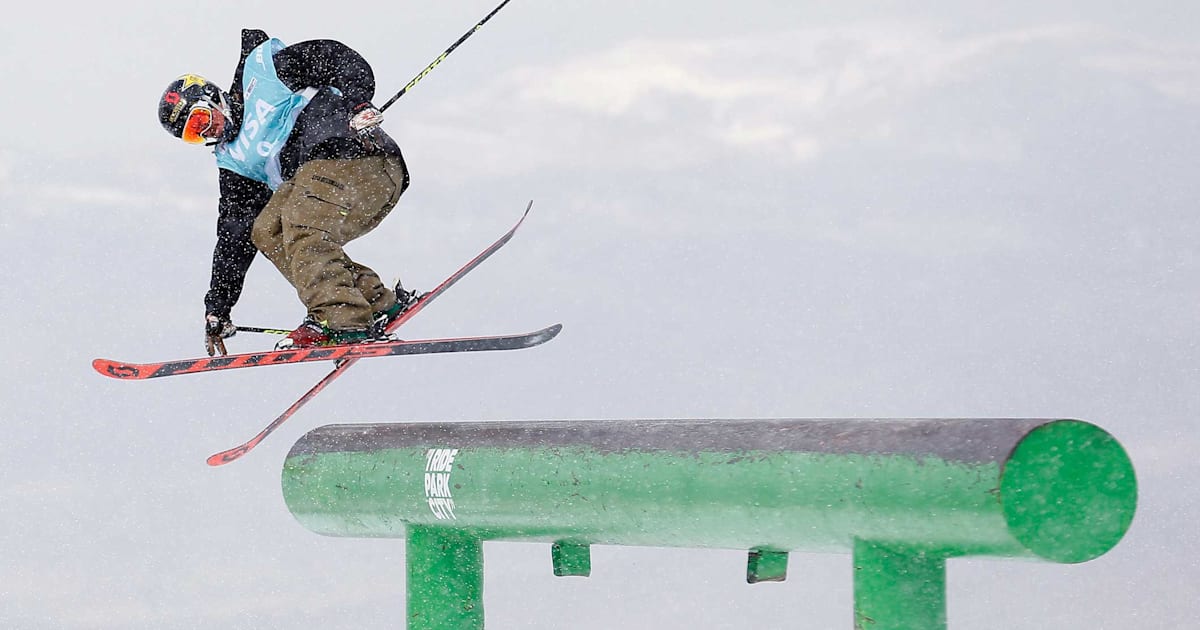
In slopestyle, athletes ski down a course that has rails, jumps, and other features. Skiers perform a series of tricks, and the best overall performance wins. Slopestyle rewards creativity and variety.
Halfpipe
Halfpipe involves skiing in a U-shaped snow channel. Skiers go from one side of the halfpipe to the other, performing tricks at the top of each wall. High points go to those who show the most control, height, and originality.
Ski Cross
Ski cross is more like a race. Four to six skiers start together and race down a course with jumps, turns, and obstacles. The first to finish wins, making it one of the fastest and most thrilling freestyle events.
Big Air
Big air is all about one huge jump. Skiers launch off a massive ramp and do their most difficult trick. Only the best jump counts, so athletes go all out for style and difficulty.
Essential Equipment For Freestyle Skiing
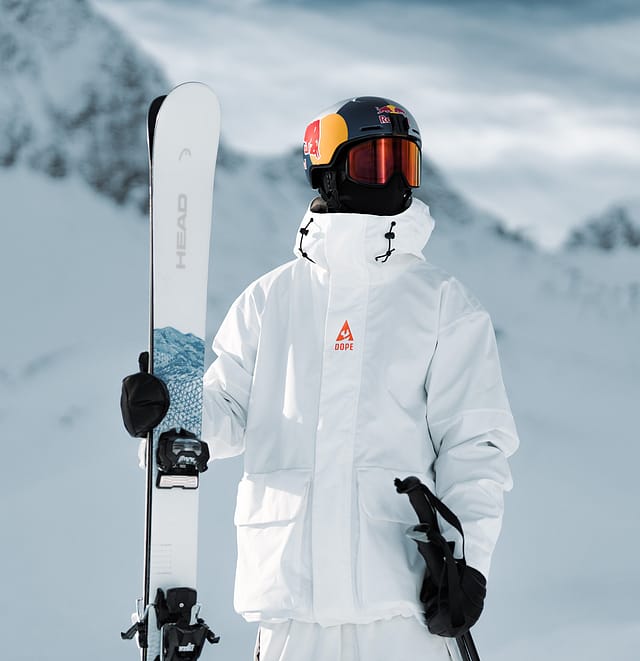
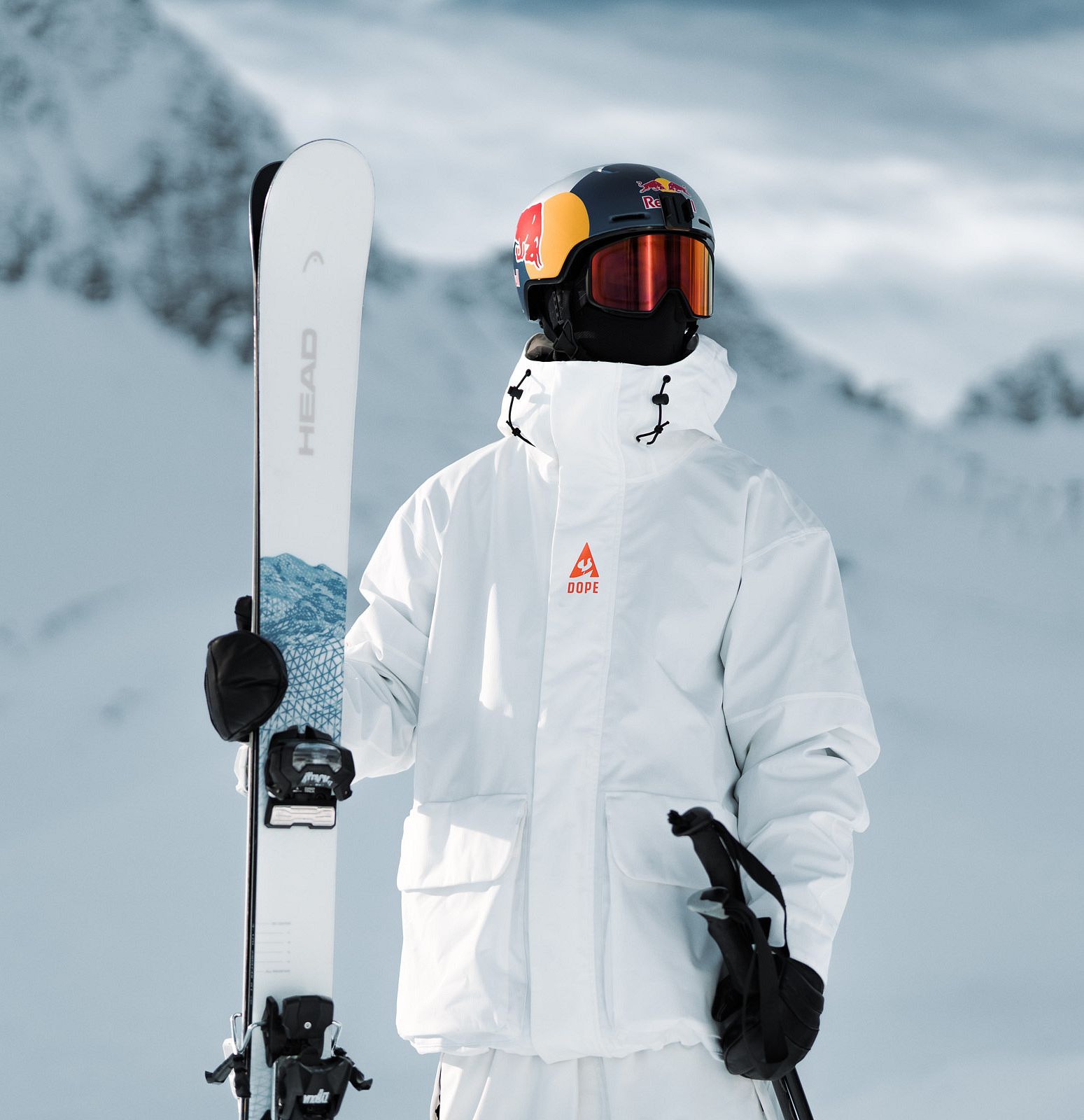
Freestyle skiing requires special gear designed for tricks and jumps. Here’s what you need:
- Skis: Freestyle skis are shorter, lighter, and often “twin-tipped” (curved up at both ends) so skiers can land tricks backward.
- Bindings: These connect boots to skis and release during falls to prevent injury.
- Ski Boots: Freestyle boots are lighter and more flexible for better movement.
- Poles: Used mainly in moguls and ski cross; less important in aerials or halfpipe.
- Helmet: Protects your head from hard falls.
- Goggles: Keep snow, wind, and sun out of your eyes.
- Protective Gear: Many athletes wear back protectors, padded shorts, or knee guards.
Freestyle skiing gear must balance safety with flexibility. Beginners often overlook the importance of a proper helmet and back protection, but these can prevent serious injuries.
How Freestyle Skiing Is Scored
Most freestyle skiing events use a combination of time, difficulty, and style to judge performances. Here’s how scoring usually works:
- Moguls: Scored 60% for turns and technique, 20% for aerial tricks, and 20% for speed.
- Aerials: Judges rate takeoff (20%), form in the air (50%), and landing (30%).
- Slopestyle and Halfpipe: Points are given for amplitude (height), execution (clean landings and style), variety, and difficulty of tricks.
- Ski Cross: The first skier across the finish line wins; there are no style points.
- Big Air: Best trick out of several attempts is scored for difficulty, style, and landing.
Judging in freestyle skiing tries to reward both technical skill and creativity. It’s common for newcomers to focus only on landing tricks, but judges also look at how well tricks are performed and how original they are.
Below is a comparison of scoring criteria in the main freestyle events:
| Discipline | Speed | Style/Execution | Difficulty | Originality |
|---|---|---|---|---|
| Moguls | ✔️ | ✔️ | ✔️ | |
| Aerials | ✔️ | ✔️ | ||
| Slopestyle | ✔️ | ✔️ | ✔️ | |
| Halfpipe | ✔️ | ✔️ | ✔️ | |
| Ski Cross | ✔️ | |||
| Big Air | ✔️ | ✔️ |
The Freestyle Skiing Competition Format
Freestyle skiing competitions usually have qualifying rounds and finals. Each athlete has a set number of runs to show their best performance. In events like slopestyle and halfpipe, only the best score counts. In ski cross, the fastest skiers from each round move on to the next stage until the final heat.
Some events, such as aerials, use a knockout system. Skiers with the lowest scores are eliminated after each round. In big air, all competitors get several jumps, but only their top jump is scored for the final ranking.
Here’s a simple overview comparing the competition formats:
| Discipline | Runs per Athlete | Advancement Method | Final Decision |
|---|---|---|---|
| Moguls | 2–3 | Top scores advance | Highest score wins |
| Aerials | 2–3 | Elimination after each round | Best jump counts |
| Slopestyle | 2–3 | Best score advances | Best score wins |
| Halfpipe | 2–3 | Best score advances | Best score wins |
| Ski Cross | 1 per round | Top finishers advance | First to finish wins |
| Big Air | 2–3 | Best jump advances | Best jump wins |
Training And Safety In Freestyle Skiing
Training for freestyle skiing is intense. Athletes spend hours each week working on both technical skills and physical fitness. Common training activities include:
- Practicing jumps and tricks on trampolines or into foam pits before trying them on snow.
- Strength and flexibility exercises to prevent injury.
- Video analysis to perfect technique.
Safety is a major focus in freestyle skiing. Helmets are required in almost all events, and many athletes wear extra padding. Coaches often use slow-motion video to catch mistakes that could lead to injuries.
One detail beginners often miss: most top freestyle skiers spend more time practicing off the snow (on trampolines, for example) than on the slopes. This allows them to build muscle memory and confidence before trying difficult tricks at high speed.
Freestyle Skiing In The Olympics
Freestyle skiing is a highlight of the Winter Olympics. The first official Olympic event was moguls in 1992. Aerials were added in 1994, and since then, halfpipe, slopestyle, ski cross, and big air have joined the program.
Some of the most famous freestyle skiers—like Mikaël Kingsbury (Canada) in moguls, or Eileen Gu (China) in halfpipe and big air—are Olympic gold medalists. The sport’s popularity has grown as more countries develop training programs and facilities.
Freestyle skiing has also become a crowd favorite because of its unpredictability and excitement. With athletes pushing the limits each year, the Olympic freestyle events often draw some of the biggest TV audiences in winter sports.
How To Start Freestyle Skiing
If you want to try freestyle skiing, start with the basics. Take a few lessons at a ski resort with a certified freestyle instructor. Begin on small jumps and gentle terrain features before moving on to bigger obstacles.
A few tips for beginners:
- Start small. Focus on basic skills like balance and turning before trying tricks.
- Wear protective gear. Helmets and pads are essential, even for beginners.
- Practice off the snow. Try jumping on a trampoline or using a balance board.
- Watch experienced skiers. You can learn a lot by watching competitions or videos.
Most importantly, be patient. Freestyle skiing is challenging, but progress comes with practice and the right guidance.
Famous Freestyle Skiers And Records
Freestyle skiing has produced many memorable athletes. Here are a few names that stand out:
- Mikaël Kingsbury: Holds the record for most World Cup wins in moguls.
- Eileen Gu: Double Olympic gold medalist in 2022, known for her versatility.
- Hannah Kearney: Olympic and World Champion in moguls from the USA.
- David Wise: Won Olympic gold in men’s halfpipe in both 2014 and 2018.
- Alexandre Bilodeau: First Canadian to win gold on home soil (Vancouver 2010).
Their achievements have inspired a new generation to enter the sport. For more on the history and records, you can visit the Wikipedia page on freestyle skiing.
Why Freestyle Skiing Is Growing In Popularity
Freestyle skiing is now one of the fastest-growing winter sports. There are a few reasons for this rise:
- Increased media coverage thanks to the Olympics and X Games.
- Ski resorts building terrain parks for all skill levels.
- Better safety gear and coaching for young athletes.
- Social media sharing of tricks and competitions.
The sport appeals to both thrill-seekers and those who appreciate athletic artistry. It is also more accessible than many people think, with many ski areas offering beginner programs and safe practice zones.
Frequently Asked Questions
What Age Can You Start Freestyle Skiing?
Children as young as 6 or 7 can start learning basic freestyle moves, but it’s important to first master regular skiing. Some resorts offer special classes for kids interested in freestyle.
Is Freestyle Skiing Dangerous?
Like any action sport, there are risks. However, with the right training, protective gear, and supervision, freestyle skiing can be safe. Most injuries happen when skiers try tricks beyond their current skill level.
How Is Freestyle Skiing Different From Alpine Skiing?
Freestyle skiing focuses on tricks, jumps, and creativity, while alpine skiing is mainly about speed and racing through gates. The equipment and training methods are also different.
What Is The Hardest Trick In Freestyle Skiing?
There’s no single answer, as difficulty depends on the discipline. In big air, tricks like the “quad cork 1800” (four flips with five full spins) are among the toughest ever landed.
Do You Need Special Skis For Freestyle Skiing?
Yes, freestyle skis are designed to be lighter and more flexible, often with twin tips. This helps with landing tricks and skiing backward.
Freestyle skiing is a sport of skill, bravery, and imagination. Whether you’re watching from the sidelines or gearing up for your first jump, the world of freestyle skiing offers excitement and challenge for everyone.

