Skiing is an exciting sport that draws millions of people to the mountains every winter. But before you glide down the slopes, you need the right equipment. One of the first questions beginners and even experienced skiers ask is, “How much does skiing equipment cost?
” The answer is not simple, because prices vary based on quality, brand, newness, and whether you rent or buy. This guide will help you understand the real costs, so you can plan your budget wisely and avoid surprises.
Today's Exclusive Deals
Limited-time Exclusive Deals. Check current discount on Amazon.
Check Price on Amazon As an Amazon Associate I earn from qualifying purchases.Main Pieces Of Skiing Equipment
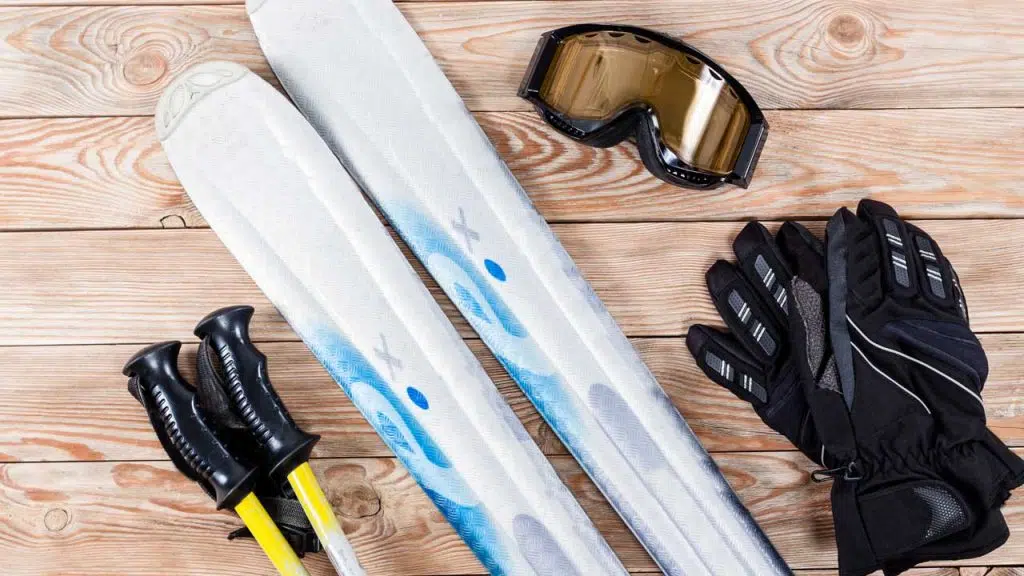
When talking about skiing equipment costs, it’s important to know exactly what you need. The basic gear includes:
- Skis
- Ski bindings
- Ski boots
- Ski poles
- Helmet
- Goggles
- Ski jacket and pants
- Base layers and mid-layers
- Gloves or mittens
- Ski socks
- Other accessories (like neck warmers, backpacks, avalanche gear for backcountry)
You do not always need to buy everything at once, but skipping key items can affect safety and comfort.
Buying Vs. Renting Ski Equipment
Before you decide on a budget, you need to choose: buy or rent? Both options have pros and cons.
Renting
Renting is popular for beginners or people who ski only a few days each year. Rental shops offer full packages, so you don’t need to worry about fitting or maintenance. Typical rental prices per day:
- Basic adult package (skis, boots, poles): $40–$60
- Premium/performance package: $60–$90
- Helmet: $8–$15
- Jacket and pants (if available): $15–$30
Renting for a week can cost $250–$500 for all gear. If you ski often, buying becomes cheaper over time.
Buying
Buying is best for frequent skiers or those who want a perfect fit. The upfront cost is high, but you save in the long run. You can also sell used gear later. However, you need to maintain and store your equipment.

Cost Breakdown: Essential Ski Gear
Let’s look at average prices for each main item if you buy new. These prices are for adult equipment; children’s gear is usually 30–50% cheaper.
Skis
Skis are the heart of your equipment. Prices depend on brand, type (all-mountain, race, powder), and technology.
- Entry-level skis: $250–$400
- Mid-range: $400–$700
- High-end: $700–$1,200
Used skis can cost half as much, but you need to check for damage.
Ski Bindings
Bindings connect your boots to your skis and are very important for safety.
- New bindings: $120–$300
- Mounted bindings: Sometimes included with new skis, especially in packages
Always have bindings adjusted by a professional to avoid injury.
Ski Boots
Ski boots must fit well for control and comfort. Do not buy cheap, badly fitting boots—they will ruin your day.
- Entry-level boots: $150–$250
- Mid-range: $250–$400
- High-end: $400–$800
Custom footbeds or heat molding can add $50–$150 but are worth it for many skiers.
Ski Poles
Poles are less expensive, but still important for balance.
- Basic poles: $30–$50
- Lightweight/carbon poles: $70–$120
Poles are often included in rental packages but are rarely rented on their own.
Helmet
A helmet is essential for safety and is required at many resorts.
- Basic helmet: $40–$80
- Mid-range: $80–$150
- Premium: $150–$300
Try on helmets before you buy—comfort matters.
Goggles
Ski goggles protect your eyes from snow, wind, and sun.
- Basic goggles: $30–$60
- Mid-range: $60–$120
- High-end: $120–$250
Lenses for different light conditions can add cost.
Ski Jacket And Pants
Proper clothing keeps you warm and dry.
- Jackets: $120–$400
- Pants: $100–$300
Look for waterproof and breathable materials. More expensive items last longer and often have better features.
Base Layers And Mid-layers
You need layers to stay comfortable in changing weather.
- Base layers (top and bottom): $40–$120
- Mid-layers (fleece, light down): $50–$200
Cotton is not recommended—choose synthetic or wool.
Gloves Or Mittens
Cold hands can end your ski day early.
- Basic gloves: $30–$60
- High-end mittens: $80–$200
Waterproof gloves are a must.
Ski Socks
Ski-specific socks improve fit and warmth.
- Single pair: $15–$40
Many skiers buy several pairs for a trip.
Other Accessories
Depending on where and how you ski, you may need:
- Neck warmer or balaclava: $15–$40
- Ski backpack: $50–$150
- Avalanche gear (for off-piste): $250–$800
Beginners can skip avalanche gear unless skiing backcountry.
Total Estimated Cost To Buy Ski Equipment
Here’s a summary table to help you see the cost of buying all new, mid-range ski gear:
| Item | Price Range (USD) |
|---|---|
| Skis | $400–$700 |
| Bindings | $120–$300 |
| Boots | $250–$400 |
| Poles | $30–$70 |
| Helmet | $80–$150 |
| Goggles | $60–$120 |
| Jacket | $150–$300 |
| Pants | $120–$250 |
| Base Layers | $60–$120 |
| Mid-layers | $80–$150 |
| Gloves | $50–$120 |
| Socks (2 pairs) | $30–$60 |
| Accessories | $30–$100 |
Total for a full setup: $1,460–$2,840 (mid-range, new)
You can save 30–50% by buying used gear or shopping off-season.
How Much Should Beginners Spend?
Many beginners worry about spending too much on their first ski setup. The truth is, you do not need top-of-the-line gear when starting. Focus on safety (good helmet), comfort (well-fitted boots), and reliable skis. Renting makes sense for your first few trips.
If you fall in love with skiing, look for used gear or last year’s models to save money.
Beginner Budget Example
| Item | New (Entry Level) | Used/Discount |
|---|---|---|
| Skis + Bindings | $300 | $150 |
| Boots | $180 | $90 |
| Poles | $35 | $20 |
| Helmet | $50 | $30 |
| Goggles | $40 | $20 |
| Clothing (jacket, pants, layers) | $250 | $120 |
| Gloves | $40 | $20 |
| Socks | $20 | $10 |
Total (New Entry-Level): $915
Total (Used/Discount): $460
This is a more realistic budget for first-time skiers.
Non-obvious Costs Skiers Miss
Many people focus only on the main gear, but there are hidden costs:
- Ski tuning and maintenance: Skis need sharpening and waxing, usually $30–$50 per service, several times per season.
- Boot fitting adjustments: Custom fitting or heat molding can add $50–$100 but makes a huge difference in comfort and performance.
- Travel bags and storage: A ski bag or boot bag ($50–$150) is useful if you travel by air or bus.
Ignoring these extras can lead to unexpected spending.
Factors That Affect Equipment Cost
Several things can change the price you pay:
- Time of year: Buying in spring or summer can mean big discounts.
- Location: Ski shops near resorts are often more expensive.
- Brand and technology: Top brands and the latest tech raise prices, but not always quality for beginners.
- Sales and second-hand markets: Look for end-of-season sales or used gear swaps.
One overlooked tip: Mix and match brands. You do not need everything from the same company.
When Is It Worth Buying Used Equipment?
Buying used is a smart way to save money, but not all gear is equal. Skis, poles, and clothing are fine used if they are in good shape. Boots are tricky—they must fit your feet, and used boots may be packed out.
Helmets should always be new for safety.
Always check used gear for:
- Cracks, rust, or broken parts (skis, bindings, poles)
- Odors or damage (boots, clothing)
- Age (avoid skis older than 5–7 years)
Try before you buy if possible.
Should You Buy A Ski Package?
Some shops offer ski packages (skis, boots, bindings, poles) for a set price, often with a discount. This is ideal for beginners or families. These packages can save 10–30% compared to buying each item separately, and everything will be compatible. However, you may get fewer options to choose from.
Is Expensive Ski Gear Always Better?
Not always. High price does not mean better for everyone. Expensive gear often has advanced features for experts, like lighter materials or special flex patterns. For new skiers, focus on comfort and fit instead of price. More expensive jackets or pants often last longer and keep you warmer, but entry-level clothing is usually enough for a few trips a year.
Saving Money On Ski Equipment
To keep your costs low:
- Buy used or last year’s models
- Shop off-season
- Look for rental sales at the end of winter
- Borrow from friends or family
- Use local gear swaps or online marketplaces
Many resorts also offer multi-day rental discounts or demo days where you can try different gear before buying.
How To Budget For A Ski Trip
Do not forget, skiing equipment is only one part of your total ski trip cost. You also need to budget for lift tickets, lessons, travel, food, and lodging. Equipment is a big one-time cost if you buy, but over years it can save you money.
Frequently Asked Questions
How Much Does It Cost To Rent Ski Equipment For A Week?
Renting basic ski equipment (skis, boots, poles) costs $200–$350 for a week at most resorts. Adding a helmet, clothing, or high-performance gear can raise the price to $400–$500.
Is It Cheaper To Buy Or Rent Ski Equipment?
If you ski more than 10–12 days over a few seasons, buying your own gear is usually cheaper. Renting is best for first-timers or those who ski rarely.
What Should I Buy First If I Am On A Budget?
Start with ski boots and a helmet. Well-fitted boots improve comfort and safety. You can rent skis and poles until you are ready to buy.
Are There Extra Costs After Buying Ski Equipment?
Yes. Skis need regular tuning and waxing ($30–$50 per session). You may also want custom boot fitting or new accessories over time.
Where Can I Learn More About Ski Equipment And Prices?
For more details on ski gear and costs, visit the Ski equipment Wikipedia page.
Skiing is a fantastic sport, but getting the right gear is important for safety and fun. By understanding how much skiing equipment costs and knowing where you can save money, you can enjoy the slopes without breaking the bank. Whether you buy or rent, choose the best fit for your needs and budget—and remember, comfort and safety always come first.