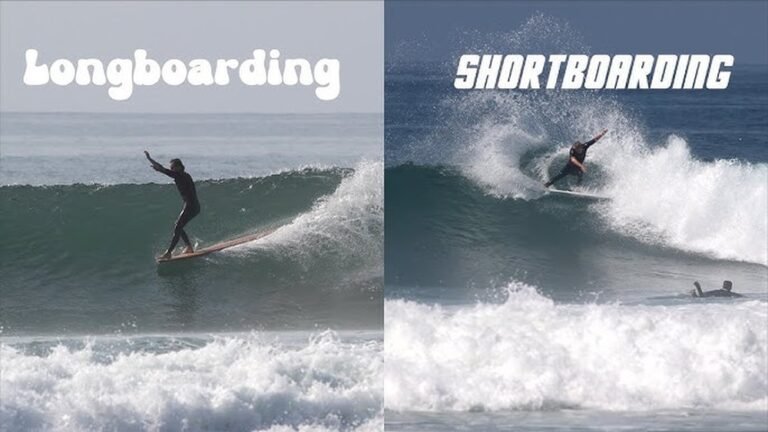
Longboarding and shortboarding are the two main styles of surfing, and many people wonder what makes them different. If you’re new to surfing, it’s easy to get confused. Both use surfboards and ride waves, but the experience, techniques, and even the feeling of the ride are not the same.
Choosing between a longboard and a shortboard isn’t just about board size—it’s about your style, the waves you want to catch, and how you want to progress as a surfer.
To help you understand the real differences, we’ll break down the main factors: board design, riding style, skills needed, wave types, and much more. Whether you’re thinking of buying your first surfboard or just want to know more about surf culture, you’ll find clear answers here. Let’s dive into the details that set longboard surfing and shortboard surfing apart.
What Is Longboard Surfing?
Longboard surfing is often seen as the traditional way to ride waves. The longboard is usually 8 to 12 feet long, wide, and thick. This design gives it a lot of stability, making it easier for beginners to balance. But longboarding is not just for beginners—it has a unique style and community that many advanced surfers love.
On a longboard, the ride feels smooth and flowing. Surfers can walk up and down the board, do cross-stepping (moving feet in a dance-like motion), and even perform tricks like nose riding (standing at the front tip of the board). The larger surface area lets you catch waves earlier and ride smaller, softer waves that shortboards struggle with.
Longboarding connects you to the roots of surfing. It’s about style, grace, and reading the wave. You’ll see longboarders gliding for long distances, sometimes with one or both feet over the nose of the board—a move called “hanging ten. ” This style is slower and more relaxed compared to the fast, sharp moves seen in shortboarding.
What Is Shortboard Surfing?
Shortboard surfing is all about speed, agility, and power. The shortboard is usually 5 to 7 feet long, much narrower, and thinner than a longboard. The smaller size means less stability, but much more control for quick turns and maneuvers.
A shortboard lets you perform radical moves: cutbacks, snaps, aerials, and deep bottom turns. Surfers use shortboards in steeper, more powerful waves, where the focus is on high performance. The board’s shape, with a pointed nose and thinner rails, helps you dig into the wave and change direction quickly.
Shortboard surfing is what you see in most professional contests. It’s more challenging to learn, but many surfers are drawn to the excitement and athletic challenge. The board demands more from your body and your wave-reading skills.
Key Differences In Board Design
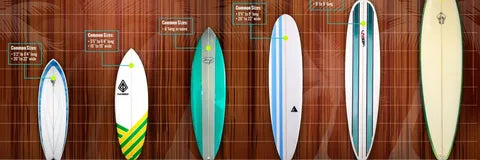
Understanding the design differences between longboards and shortboards helps explain why each style feels so different.
| Feature | Longboard | Shortboard |
|---|---|---|
| Typical Length | 8 to 12 feet | 5 to 7 feet |
| Width | 20 to 24 inches | 16 to 19 inches |
| Thickness | 2.5 to 3.5 inches | 1.5 to 2.5 inches |
| Nose Shape | Rounded | Pointed |
| Tail Shape | Wide, rounded | Squash, pin, or swallow |
| Fin Setup | Single or 2+1 | Thruster (3 fins) or quad (4 fins) |
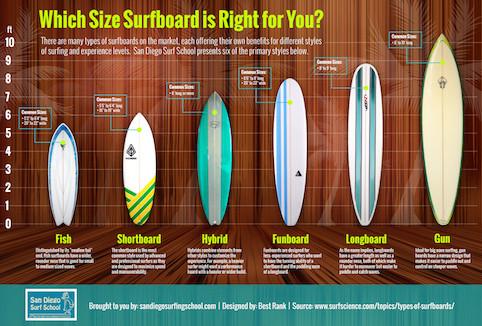
Longboards are made for stability and gliding. The extra length and width help you paddle faster and catch waves earlier. Their rounded nose and tail make nose riding possible. Shortboards are designed for control and speed. The pointed nose and thinner rails let you perform sharp turns, while the tail shapes are made for power and release.
A non-obvious insight: The thickness of a longboard makes it much easier to paddle out and get into waves, which is why many older surfers prefer longboards—they require less effort to catch waves.
Riding Style And Surfing Techniques
The way you ride a longboard is very different from how you surf a shortboard.
Longboard Riding Style
- Graceful Movements: Longboarding is about smooth, flowing lines. You move your feet up and down the board, often cross-stepping for balance.
- Nose Riding: This classic maneuver lets you stand at the very front (the “nose”) of the board. The board’s length and shape keep you balanced even at the tip.
- Trimming: Instead of sharp turns, longboarders often “trim” the board—adjusting their weight to keep the board in the fastest part of the wave.
- Classic Turns: Turns are slower, often drawn out in wide arcs.
Shortboard Riding Style
- Aggressive Maneuvers: Shortboards are built for quick, powerful moves. Surfers perform snaps, cutbacks, and aerials.
- Fast Direction Changes: The small size means you can quickly change direction, making it possible to ride in the steepest, most critical part of the wave.
- High-Performance Tricks: Advanced surfers can launch above the lip of the wave for aerials, a move only possible with a shortboard.
- Deep Bottom Turns: Powerful turns at the base of the wave set up radical moves on the face.
Here’s a second insight beginners often miss: On a shortboard, you need to paddle harder and position yourself better in the lineup. The board doesn’t have as much float, so timing and strength matter much more.
Wave Types And Conditions
Choosing the right board depends a lot on the waves you want to surf.
Longboard-friendly Waves
Longboards excel in small, gentle waves (1 to 4 feet high). Their extra volume helps you catch waves that wouldn’t have enough power for a shortboard. Beach breaks, mellow reef breaks, and point breaks are perfect for longboarding. If your local spot has slow, rolling waves, a longboard is often the best choice.
Shortboard Conditions
Shortboards are made for steeper, faster waves (shoulder high and above). They come alive in punchy beach breaks and hollow reef waves. Powerful waves give the shortboard enough energy for radical moves. In weak or mushy surf, shortboards struggle to catch waves and maintain speed.
If you live somewhere with small, slow waves most of the year, you’ll probably get more enjoyment and more waves with a longboard.
Skill Level And Learning Curve
The learning path is another major difference.
Longboard Progression
Longboards are the best boards for beginners. Their stability and paddle power let you catch more waves, stand up more easily, and learn basic wave riding. Most surf schools start students on longboards for this reason.
Because longboards make it easier to practice, you’ll improve your timing, balance, and reading of the ocean. Many surfers choose to stay with longboarding for life—there’s always more to master, from cross-stepping to stylish nose rides.
Shortboard Progression
Shortboarding is more challenging. The smaller board is less stable and harder to paddle. Beginners who jump onto a shortboard too soon often get frustrated—they catch fewer waves and fall more often.
To get the most out of a shortboard, you need strong paddling, good fitness, and better knowledge of how waves break. Many surfers first learn on longboards, then move to shorter boards as their skills improve. But some advanced surfers switch back to longboards for fun or when the waves are small.
A common mistake: Choosing a shortboard because it looks “cool.” Surfers progress faster—and have more fun—if they start on a longboard, even if their goal is to shortboard later.
Culture And Community Differences
Surf culture has strong traditions, and each style has its own scene.
Longboard Culture
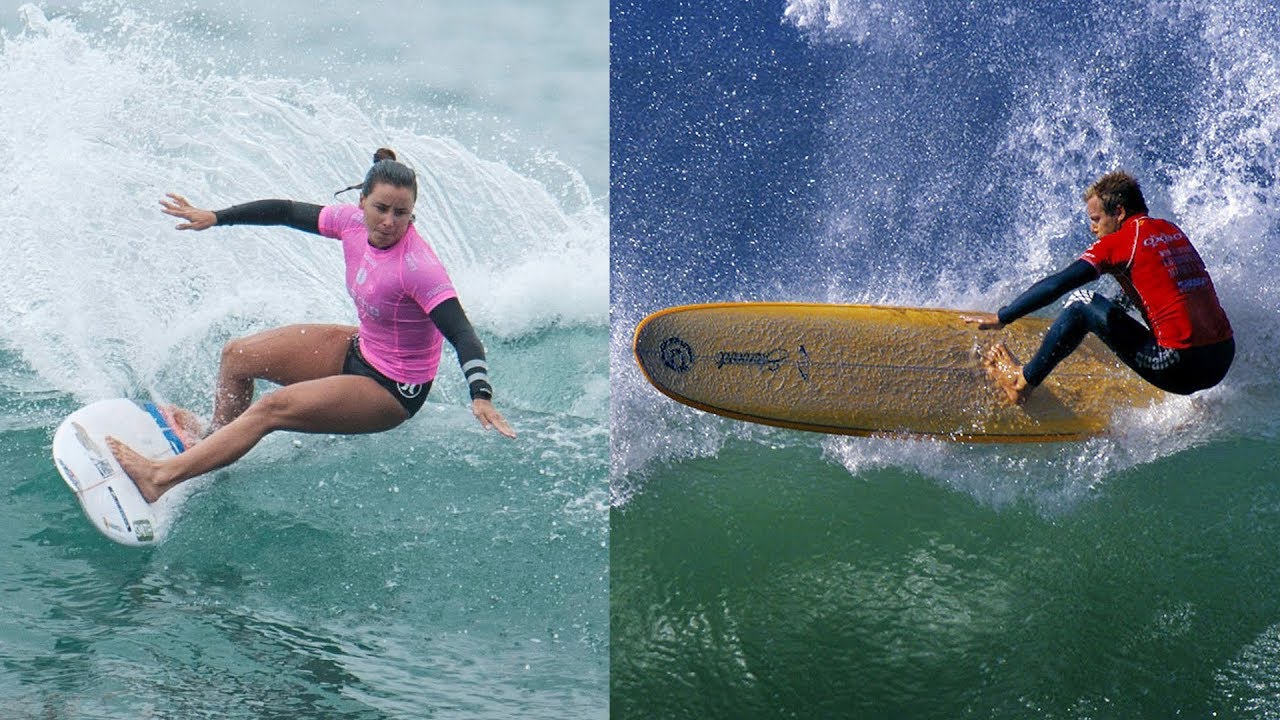
Longboarding is linked to the early days of surfing in Hawaii and California. The vibe is often more relaxed and friendly. Longboarders appreciate style, tradition, and flow. You’ll see more older surfers, families, and people who value the art of riding a wave rather than just the tricks.
Longboard contests focus on style, nose riding, and classic moves. Some surfers see longboarding as a lifelong journey, not just a step for beginners.
Shortboard Culture
Shortboarding is often associated with youth, competition, and innovation. There’s a focus on pushing limits, trying new moves, and riding challenging waves. Shortboarders dominate most surf videos and competitions.
While shortboarding can be intense, many advanced surfers respect longboarding’s style and history. The two communities sometimes overlap, but there are still rivalries and different “lineups” at popular breaks.
Performance And Maneuverability
Here’s a closer look at how each board type performs on the wave.
| Performance Factor | Longboard | Shortboard |
|---|---|---|
| Paddling Speed | Very fast | Slower |
| Wave Entry | Earlier, easier | Later, harder |
| Turning Radius | Wide turns | Tight, sharp turns |
| Stability | Very stable | Less stable |
| Maneuverability | Lower | High |
| Suitable for Tricks | Nose rides, cross-steps | Aerials, snaps, cutbacks |
Board Materials And Construction
Both longboards and shortboards can be made from similar materials, but there are some differences in how they’re built.
- Polyurethane (PU) foam: Traditional material, offers a classic feel.
- Epoxy: Lighter and more durable, popular for both board types.
- Wood: Used for specialty longboards, gives a smooth ride but is heavier.
Longboards are often glassed heavier (thicker fiberglass) for extra durability, since they’re bigger and can take more knocks. Shortboards are glassed lighter to keep them as responsive as possible.
Some surfers miss this detail: A heavier longboard can keep momentum through flat sections of a wave, while a lighter shortboard loses speed faster and needs more power from the wave.
Cost And Accessibility
Longboards usually cost more to buy new because they use more materials and take more time to build. However, used longboards can be found at reasonable prices, and they last a long time with care.
Shortboards are cheaper when new, but they’re more likely to get dings and break, especially in heavy waves. Repairs can add up. Also, shortboards are easier to transport and store, which matters if you live in a small space.
If you’re traveling, airlines often charge more to transport longboards because of their size.
Fitness And Physical Demands
Longboarding and shortboarding require different physical skills.
- Longboarding: Emphasizes balance, footwork, and timing. Less demanding on the arms and shoulders. Good for all ages.
- Shortboarding: Needs strong paddling, quick pop-ups, and core strength. More tiring, especially in bigger waves.
If you want a relaxing workout and time on the water, longboarding is a great choice. If you like challenging your fitness and learning new tricks, shortboarding may be for you.
Which Is Right For You?
Choosing between longboarding and shortboarding depends on:
- Your experience: Beginners do better on longboards.
- Wave conditions: Small, slow waves favor longboards; steep, powerful waves favor shortboards.
- Fitness level: Shortboarding needs more strength and stamina.
- Surf goals: Do you want stylish rides or radical tricks?
- Your local surf culture: Some spots are mostly longboarders, others are full of shortboarders.
There’s no “best” board—just the best fit for you at the moment. Many surfers own both and switch depending on the conditions.
Real-world Example
In Malibu, California, longboarding is famous because of the soft, peeling waves. In Hawaii’s Pipeline, you’ll see almost only shortboards, because the wave is steep and fast. This shows how wave type and board design go hand in hand.
Common Mistakes When Choosing
- Going too small, too soon: Many new surfers buy a shortboard and struggle. Start with a board that matches your level.
- Ignoring wave size: If your beach has small waves, a shortboard may leave you disappointed.
- Focusing only on looks: The “coolest” board may not be the most fun for you.
- Not trying both: If possible, rent or borrow different boards to see what fits your style.
Frequently Asked Questions
What Is Easier For Beginners: Longboard Or Shortboard?
A longboard is much easier for beginners. Its size and stability help you catch waves and stand up more easily. Most surf schools start with longboards to help students build confidence.
Can You Do Tricks On A Longboard?
Yes, but the tricks are different. Longboarding focuses on classic maneuvers like nose riding, cross-stepping, and stylish turns. Shortboards allow for more radical moves like snaps and aerials.
Is It Possible To Surf Big Waves On A Longboard?
It’s possible, but not common. Longboards can handle waves up to a certain size, but they’re harder to control in steep, powerful surf. Most big-wave surfers use specialized shortboards called “guns. ”
How Do I Know When To Switch From A Longboard To A Shortboard?
Switch when you feel comfortable catching and riding waves, can control your board in different conditions, and want to try more advanced maneuvers. Many surfers enjoy riding both, depending on the day.
Where Can I Learn More About Surfboard Types And History?
A good resource is the Wikipedia Surfboard page, which covers different designs, history, and how boards have changed over time.
Whether you choose longboarding or shortboarding, the most important thing is to enjoy your time in the water. Both styles have their own magic. Try both if you can—you may be surprised by what you like best. Happy surfing!
