
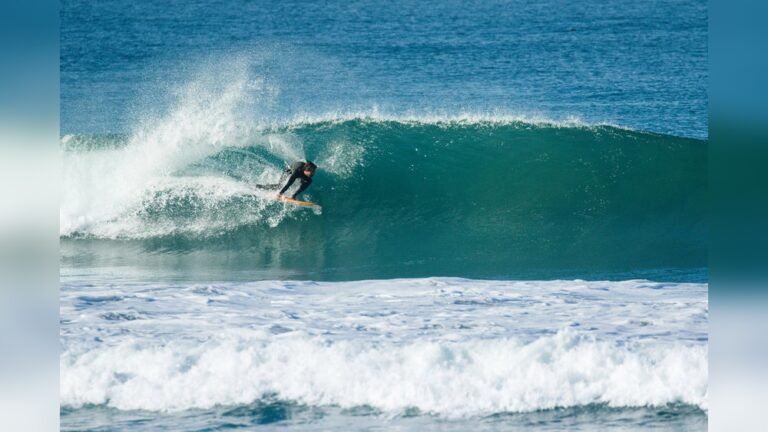
Surfing is a sport built on the magic of waves, and every surfer learns that not all waves are the same. The shape, power, and behavior of a wave depend on what lies beneath the surface. Among the many types of surf breaks, the reef break stands out as both a dream and a challenge for surfers. But what exactly is a reef break? Why do surfers chase these spots across the globe? Let’s dive into what makes a reef break unique, how it forms, and why it matters in the world of surfing.
What Is A Reef Break?
A reef break is a type of surf spot where waves break over a rock or coral reef on the sea floor. The reef creates a stable, solid base that shapes the wave in a consistent way. Unlike beach breaks, where waves break over shifting sand, or point breaks, which peel along a headland or point, reef breaks offer a different experience because the underlying reef doesn’t move.
When ocean swells hit the shallow reef, the water rises quickly and forms powerful, often hollow waves. These waves are famous for their predictable shape, which is why many of the world’s best surfing spots are reef breaks. However, the same stability that makes the waves so good also makes reef breaks risky—falling means landing on sharp rocks or coral.
How Reef Breaks Form
Reef breaks form in places where a hard structure—like a coral reef or volcanic rock—lies just below the water’s surface. Over thousands of years, coral or volcanic activity builds up these reefs. As the ocean swells approach, the underwater topography forces the energy of the wave upward, creating steep, sometimes barreling waves.
There are two main types of reefs at surf breaks:
- Coral reefs: These are made by living coral. They are common in tropical areas, like the Maldives or Tahiti.
- Rock reefs: These are made from volcanic or sedimentary rock. Many famous Hawaiian breaks are over volcanic reefs.
Both types shape waves in unique ways, but the main idea is the same: a solid, shallow bottom creates clean, well-formed waves.
Characteristics Of Reef Break Waves
Reef breaks are known for certain features that attract surfers:
- Consistency: Because the reef does not shift, waves break in similar spots every time. This makes them predictable, which is important for advanced maneuvers.
- Wave Shape: Reef breaks often create hollow, barreling waves. These “tubes” are highly prized by experienced surfers.
- Power: The shallow bottom means waves rise fast and pack a lot of energy.
- Danger: Wipeouts (falling off the board) can be serious, since the reef is hard and sometimes sharp.
- Crowds: Because these waves are so good, reef breaks often attract many surfers.
Famous Reef Breaks Around The World
Some of the most legendary surf spots are reef breaks. Here are a few examples:
- Pipeline, Hawaii: Known for huge barrels and heavy waves, Pipeline is a proving ground for top surfers.
- Teahupo’o, Tahiti: Famous for its thick, deadly barrels that break over live coral.
- Uluwatu, Bali: A consistent, high-performance wave with several sections, breaking over limestone reef.
- Cloudbreak, Fiji: A long, powerful left-hander that can hold giant waves.
- Snapper Rocks, Australia: Though part point, Snapper’s main section peels over a rocky reef and is world-famous for its length and shape.
Reef Breaks Vs. Other Types Of Surf Breaks
To understand what sets reef breaks apart, it helps to compare them with beach breaks and point breaks.
| Feature | Reef Break | Beach Break | Point Break |
|---|---|---|---|
| Bottom Type | Rock/Coral Reef | Sand | Rock/Headland |
| Wave Consistency | Very Consistent | Variable | Consistent |
| Wave Shape | Hollow/Barreling | Mixed | Peeling/Long |
| Risk | High (Sharp Reef) | Low (Sand) | Medium (Rocks) |
One key insight: Beach breaks are friendlier for beginners due to their softer, sandy bottom. Reef breaks are usually for intermediate to advanced surfers because of the risk of injury and the technical wave shape.
Why Surfers Love Reef Breaks
Surfers seek out reef breaks for many reasons:
- High-Performance Waves: The reliable, powerful shape lets surfers practice advanced maneuvers like tube riding.
- Longer Rides: The stable reef can create long, smooth waves.
- Photo and Video Opportunities: The clear, predictable barrels are perfect for capturing exciting moments.
- Consistent Conditions: Surfers know what to expect day after day.
But there’s more. Reef breaks often support a unique surf culture. Local surfers know the dangers and the best take-off spots. Some reefs are protected by the community, and respect for the lineup is crucial.
Dangers And Challenges Of Surfing Reef Breaks
While reef breaks offer great waves, they also come with special risks:
- Shallow Water: The reef can be only a few feet below the surface. Falling means hitting hard rock or sharp coral.
- Cuts and Infections: Coral cuts are not only painful but can lead to infections because coral is alive and holds bacteria.
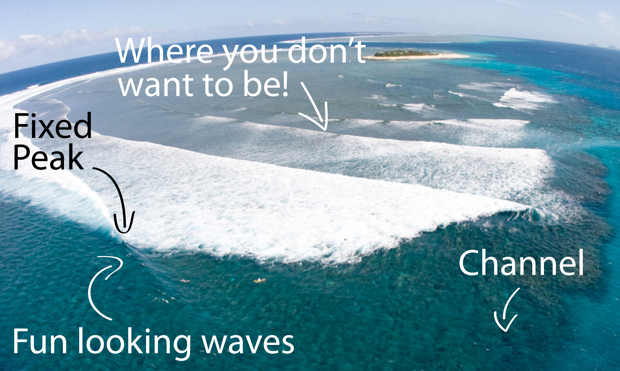
- Strong Currents: Many reef breaks have strong rip currents near the channels in the reef.
- Wave Power: The waves can be fast and heavy, making it difficult for inexperienced surfers to handle.
- Crowded Lineups: Popular reef breaks can get crowded, increasing the risk of collisions.
A less obvious challenge: Some reef breaks are only accessible by boat or long paddles, so self-rescue skills are important. Beginners often miss that paddling out at a reef can be as risky as the surfing itself.
How To Surf A Reef Break Safely
If you’re thinking about surfing a reef break, preparation matters:
- Research the Spot: Learn about the wave, the tides, and the entry/exit points.
- Watch Before You Surf: Spend time watching the waves and how local surfers handle the break.
- Wear Protective Gear: Consider wearing a helmet and reef booties to protect your head and feet.
- Respect the Lineup: Reef breaks often have a strict pecking order. Don’t paddle straight to the peak.
- Know the Tides: Some reefs are only surfable at certain tides—too shallow can be dangerous.
- Bring a Friend: Never surf a remote reef alone.
- Practice Paddling: Entry and exit can be tricky, with sharp rocks and strong currents.
- Stay Calm in Wipeouts: If you fall, cover your head and don’t panic.
A beginner mistake is underestimating the power of the wave or not knowing where the channel is. Always ask locals if you’re unsure.

Environmental Impact And Reef Conservation
Coral reefs are not just wave machines—they are living ecosystems. Surfers have a responsibility to help protect them.
- Avoid Touching the Reef: Standing or walking on coral kills it.
- Don’t Leave Trash: Reef systems are sensitive to pollution.
- Support Local Conservation: Many surf communities work to protect their reefs.
- Use Reef-Safe Sunscreen: Regular sunscreen can harm coral; choose reef-safe options instead.
Reefs face threats from climate change, overfishing, and pollution. Surfers can be powerful advocates for their protection.
Different Types Of Reef Breaks
Not all reef breaks are the same. Here are a few types:
- Outer Reefs: These are far from shore and usually need a boat to reach. They often hold the biggest waves.
- Inner Reefs: Closer to the beach, these can be more beginner-friendly but still demand respect.
- Lefts and Rights: A “left” breaks to the surfer’s left (facing shore); a “right” to their right. Some reefs offer both, depending on the swell.
- Slab Reefs: These are shallow reefs that make thick, heavy waves—very dangerous, best for experts.
| Reef Break Type | Location | Wave Size | Surfer Level |
|---|---|---|---|
| Outer Reef | Offshore (Hawaii) | Very Large | Expert |
| Inner Reef | Nearshore (Bali) | Medium | Intermediate-Advanced |
| Slab | Australia, Tahiti | Heavy | Expert Only |

Tips For Your First Reef Break Session
If you’re ready to try surfing a reef break, here are some practical tips:
- Start Small: Choose a mellow, well-known reef with gentle waves.
- Check Your Equipment: A board with rounded edges can help prevent injury. Leashes are a must.
- Plan Your Exit: Know exactly how you’ll get in and out of the water, especially if there are rocks or sea urchins.
- Respect Locals: Ask questions, wait your turn, and don’t drop in on others.
- Stay Within Your Limits: If the wave looks too powerful, wait for a smaller day.
One thing beginners often overlook: the best reef break for you is not always the most famous one. Local knowledge beats fame every time.
How Reef Breaks Influence Surf Competitions
Reef breaks play a big role in professional surfing. Many of the world’s most exciting contests are held at reef breaks, such as Pipeline and Teahupo’o. The consistent, challenging waves push surfers to their limits and create unforgettable moments.
- Scoring Potential: Judges reward tube rides and critical maneuvers common at reef breaks.
- Risk Factor: The danger adds drama, but also means only top surfers compete.
- Spectator Appeal: The clear, dramatic waves are easy to film and attract big audiences.
Professional surfers often train specifically for reef breaks, working on paddling, positioning, and safety.
The Future Of Reef Break Surfing
As surfing grows worldwide, reef breaks will remain a key part of surf culture. But there are challenges ahead:
- Overcrowding: More surfers mean busier lineups and more pressure on local environments.
- Climate Change: Warmer seas and pollution threaten coral reefs.
- Innovation: New board designs and safety gear help more surfers enjoy reef breaks safely.
Surfers and communities must work together to balance the love of perfect waves with the need to protect the ocean.
For more on coral reefs and their importance, visit the Coral Reef Wikipedia page.
Frequently Asked Questions
What Makes A Reef Break Different From A Beach Break?
A reef break forms when waves break over a solid reef, creating consistent and powerful waves. Beach breaks form over sand, which shifts and changes the wave shape more often. Reef breaks are usually more predictable but also more dangerous.
Are Reef Breaks Suitable For Beginners?
Generally, reef breaks are not recommended for beginners. The shallow, hard bottom makes them risky. Beginners should start at sandy beach breaks and only move to reefs when they have strong paddling and wave-reading skills.
What Gear Should I Use At A Reef Break?
Wear a strong leash and consider reef booties to protect your feet. Some surfers wear helmets at shallow reefs. Choose a board that suits the wave’s power and shape, and always check your equipment for damage before heading out.
How Do I Avoid Injury At A Reef Break?
Know the spot, watch the waves, and learn where the safe channels are. Never dive headfirst if you fall—cover your head and try to land flat. If you get cut, clean wounds immediately to avoid infection.
Can Reef Breaks Be Surfed At Any Tide?
Not always. Some reef breaks only work at high or mid-tide, while others are best at low tide. Tides can affect both the quality of the wave and the safety of the break. Always check tide charts and ask locals before paddling out.
Reef breaks are the heart of high-performance surfing, offering adventure, challenge, and reward. By understanding what makes them special—and how to surf them safely—you can unlock some of the best waves the ocean has to offer.
