
What Does Swell Mean In Surfing?
When you first hear surfers talking, it can sound like a new language. Words like “barrel,” “offshore,” and especially swell come up a lot. If you’re new to surfing or just curious, you might wonder: what does “swell” really mean in surfing? Understanding this concept is more than just knowing vocabulary—it’s the foundation of reading the ocean, catching good waves, and staying safe. Swell affects every surf spot, every season, and almost every session. Let’s break it down step by step, from the science behind swell to how it shapes your day at the beach.
What Is A Swell In Surfing?
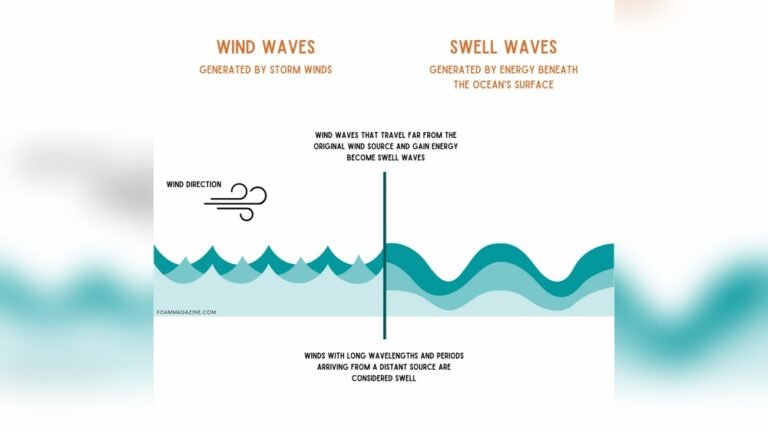
In simple terms, a swell is a group of waves traveling across the ocean. Surfers use the word “swell” to describe the energy in the water that creates the waves they ride. Swells are not just surface ripples or random bumps; they are organized, moving lines of energy formed by wind blowing over long distances. When this energy reaches the shore and hits shallow water, it forms the rideable waves you see at surf breaks.
Unlike small, local waves caused by wind near the beach (called “wind chop”), swells can travel thousands of kilometers across the sea. The bigger and more organized the swell, the better the surfing conditions usually are.
How Swells Are Created
Swells start far from the coast, often in places where the wind blows hard for a long time. Here’s how it happens:
- Wind blows over the ocean. The stronger and longer the wind blows, the more energy it transfers to the water.
- Ripples become waves. At first, the wind creates small ripples. As the wind continues, these ripples grow into larger waves.
- Waves become organized. Over time, the waves line up and move together as a group. This is called a “swell.”
- Swells travel. These swells move away from the storm or wind area, carrying energy across the ocean until they reach land.
Not all swells are the same. The wind’s strength, how long it blows (duration), and the distance it blows over (fetch) all affect the size and power of the swell.
Swell Vs. Wave: What’s The Difference?
It’s easy to mix up swell and wave, but they are not the same thing in surfing.
- Swell: A moving group of energy in the ocean, often far from shore.
- Wave: The visible, breaking water you see at the beach, created when a swell reaches shallow water and rises up.
Think of a swell as a train and a wave as a train car arriving at a station. The train (swell) brings the energy, but only when it arrives at the station (the beach) do you see the cars (waves) stop and unload.
Key Swell Characteristics
Every swell has a few main features that affect surfing. Knowing these helps you pick the best days and spots to surf.
Swell Height
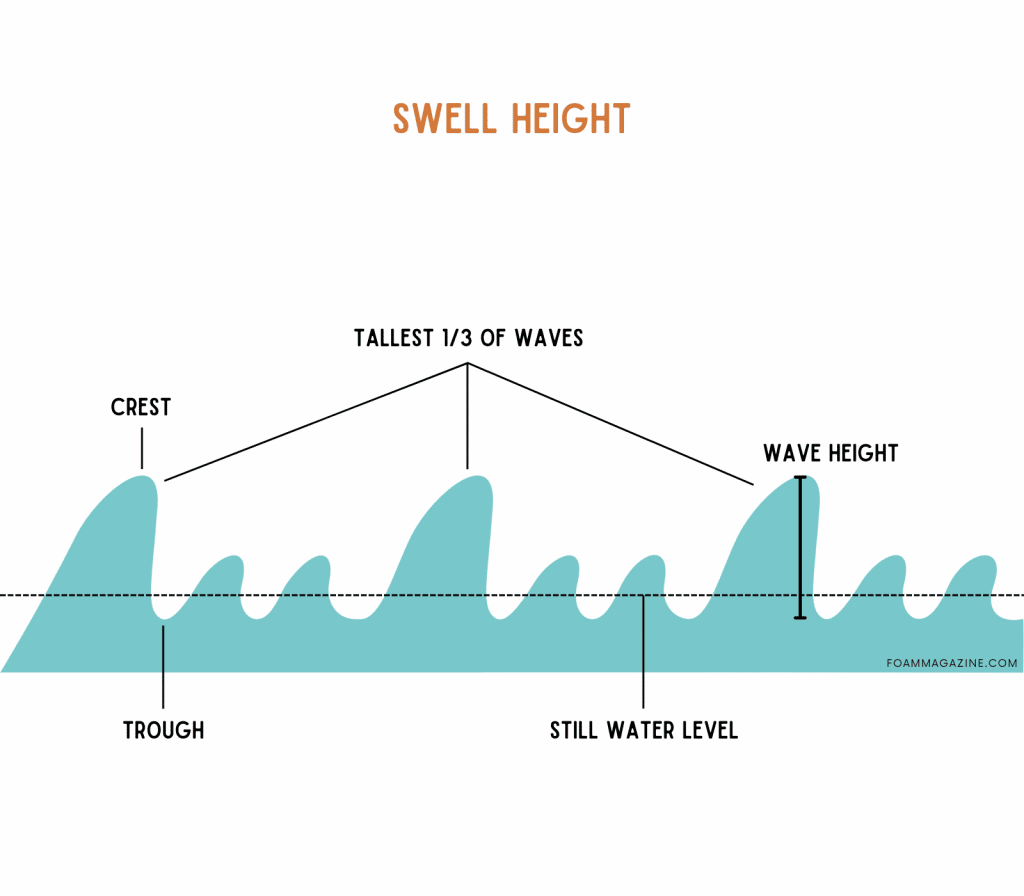
Swell height measures the vertical distance between the crest (top) and the trough (bottom) of a wave in deep water. It’s usually given in feet or meters. For example, a 3-foot swell means the average wave height in the ocean is 3 feet before breaking.
Swell Period
Swell period is the time (in seconds) between one wave crest and the next. This is more important than most beginners realize. Longer period swells (like 15-18 seconds) mean the waves have traveled farther, have more power, and create bigger surf—even if the swell height is small. Shorter periods (6-8 seconds) often mean weaker, less organized waves.
Swell Direction
Swell direction shows where the swell is coming from, using compass points (north, south, east, west). This matters because some surf spots only work with certain directions. For example, a beach facing west will get good waves from a west swell but may get nothing from a north swell.
Swell Energy
Swell energy is a measure of the power within the swell. It combines height and period into one number. More energy means bigger, stronger waves. Surf forecasts sometimes show swell energy in kilojoules per meter (kJ/m).
Swell Interval
This is another way to say swell period. A longer interval usually means cleaner, more powerful surf.

Types Of Swell: Groundswell Vs. Windswell
Not all swells are equal. Surfers talk about two main types:
Groundswell
A groundswell is created by strong winds blowing over long distances, usually from big storms far out at sea. These swells travel hundreds or thousands of kilometers, becoming well-organized and powerful. They have long periods (10-20 seconds) and create the clean, rolling waves surfers love.
Windswell
A windswell comes from local winds blowing near the coast. Windswells are usually less organized, have shorter periods (5-9 seconds), and create choppy, bumpy waves. They don’t travel far and lose energy quickly. Windswell can still be fun, but it’s less reliable for good surfing.
The table below shows a comparison of groundswell and windswells:
| Feature | Groundswell | Windswell |
|---|---|---|
| Origin | Far from shore | Near the coast |
| Wave Period | 10-20 seconds | 5-9 seconds |
| Wave Shape | Clean, well-formed | Choppy, less organized |
| Best For | Quality surfing | Beginner practice |
Why Swell Matters To Surfers
Understanding swell is like knowing the weather for sailors. It tells you when and where to surf, what waves to expect, and how big or dangerous the ocean might be. Here’s why swell is so important:
- Wave Quality: Good swells create long, peeling waves perfect for riding. Poor swells mean messy, unpredictable surf.
- Safety: Big swells can be dangerous for beginners. Knowing the size and power helps you stay within your limits.
- Choosing Surf Spots: Some beaches only work with certain swell directions or sizes. Understanding this helps you pick the right spot.
- Planning Surf Trips: Surfers travel to catch the best swells, sometimes waiting months for the right conditions.
A common mistake for beginners is focusing only on swell height. But period and direction are just as important. For example, a 4-foot swell with a 16-second period can create much bigger waves than a 6-foot swell with an 8-second period.

How To Read A Surf Forecast
Today, you don’t need to guess when the swell is coming. Many websites and apps give detailed surf forecasts. But knowing how to read them is key.
Most surf forecasts show:
- Swell height (feet/meters)
- Swell period (seconds)
- Swell direction (compass)
- Wind conditions (offshore, onshore)
- Tide times
Here’s an example of a surf forecast:
| Day | Swell Height | Swell Period | Swell Direction | Wind |
|---|---|---|---|---|
| Monday | 5 ft | 14 s | NW | Offshore |
| Tuesday | 3 ft | 8 s | S | Onshore |
From this, you can tell Monday will have bigger, more powerful waves from the northwest with ideal winds, while Tuesday will be smaller and less clean.
How Swell Direction Affects Different Beaches
Each surf spot has its own “window” for swell. A beach facing south won’t get waves from a north swell. Reef breaks, point breaks, and beach breaks all respond differently to swell direction and size.
For example:
- Point breaks often need a specific swell direction to work. If the angle is wrong, the wave doesn’t break properly.
- Beach breaks might work with many directions but can change shape quickly.
- Reef breaks are more sensitive; the swell must hit at just the right angle for perfect waves.
This is why local knowledge is so important. Many experienced surfers keep “swell diaries” to track what works best at their favorite spots.
Swell Size And Surfing Skill Levels
Not every swell is right for every surfer. Here’s a simple guide:
- Small swells (1-3 feet): Great for beginners. Waves are gentle and easy to handle.
- Medium swells (3-6 feet): Good for intermediate surfers. Waves have more power and size.
- Large swells (6+ feet): Only for advanced surfers. Waves are strong, fast, and can be dangerous.
It’s important to remember that local conditions—like wind, tide, and bottom shape—can make waves seem bigger or smaller than the forecast says.
Swell Myths And Common Mistakes
There are a few things beginners often get wrong about swell:
- Bigger isn’t always better. Large swells can close out (all the waves break at once), making surfing impossible. Sometimes, a smaller, well-angled swell is best.
- Swell height ≠ wave height at the beach. Swell can grow or shrink depending on the seabed, tide, and local features.
- Ignoring period and direction. Many new surfers look only at height, but a long-period, well-angled swell is the secret to great waves.
One non-obvious insight: Two swells from different directions can arrive at the same time, creating “cross-seas” or mixed-up waves. This can make conditions tricky, even if the forecast looks good.
How Swell Impacts Famous Surf Spots
Some world-famous surf breaks only work with certain swells. For example:
- Pipeline (Hawaii): Needs a strong west or northwest swell with a long period for perfect barrels.
- Jeffreys Bay (South Africa): Works best with south or southwest groundswells.
- Mundaka (Spain): Needs long-period northwest swells to form its famous left-hand wave.
These spots may be flat for months until the right swell arrives. This is why major surf competitions wait for specific swells before starting.
Tracking Swells: Tools And Resources
Modern surfers use many tools to track and predict swells:
- Buoys: Floating devices far out at sea that measure swell size, period, and direction.
- Surf forecasting websites: Sites like Surfline give real-time updates and future forecasts.
- Weather maps: Show storms and wind patterns that create swells.
- Apps: Let you check forecasts on your phone.
Using these tools, you can plan sessions and surf the best waves—without guessing.
Frequently Asked Questions
What Does “groundswell” Mean In Surfing?
Groundswell is a type of swell created by strong winds far from shore, usually from storms in the open ocean. Groundswell travels long distances, has a long period, and creates powerful, organized waves that surfers prefer.
How Do I Know If The Swell Is Good For My Local Surf Spot?
Check the swell direction, height, and period for your surf spot. Each spot has ideal conditions. Ask local surfers or check online forecasts to see which swells work best at your beach.
Can You Surf In Any Swell Size?
No, not every swell is safe or fun. Small swells are best for beginners, while large, powerful swells are for experienced surfers only. Always check local conditions and your skill level before surfing.
Does Wind Affect The Swell?
Wind creates swell out at sea, but local wind at the beach can also change wave quality. Offshore wind (blowing from land to sea) makes waves clean and smooth. Onshore wind (from sea to land) makes waves choppy and messy.
Where Can I Find Accurate Swell Forecasts?
You can use websites like Surfline or check local surf shops for information. These sites use data from buoys and weather stations to predict swell size, period, and direction.
Understanding “swell” is key to reading the ocean, finding the best waves, and staying safe in surfing. By learning how swells work, what to look for in a forecast, and how different factors combine, you’ll be ready to catch more waves and improve your skills—no matter where you surf.
