Snowboarding is an exciting way to experience winter, but stepping onto a snowboard for the first time can feel intimidating. There’s a lot to learn—balancing on the board, using your body to steer, and even just standing up can be a challenge.
But with patience, the right technique, and a positive attitude, anyone can learn to ride. This guide breaks down every step you need to take, from picking your gear to making your first turn. You’ll get clear, practical advice, plus tips that most beginners miss.
Whether you’re heading to the mountains for a holiday or just want to try something new, you’ll finish reading with the confidence to enjoy your first day on the snow.
Getting Ready: What You Need Before You Start
Before you hit the slopes, make sure you have the proper snowboard gear. The right equipment will help you learn faster and stay safe.
Essential Gear Checklist
- Snowboard: For beginners, choose a board that is soft and flexible. This makes it easier to turn and less likely to catch an edge. The board should come up to somewhere between your chin and nose when standing on end.
- Snowboard Boots: Boots should fit snugly but not pinch. Loose boots reduce control and increase your chance of falling.
- Bindings: These connect your boots to the board. Make sure they are set up for your stance (regular or goofy) and adjusted to your boot size.
- Helmet: Always wear a helmet. Beginners fall often, and a helmet protects your head from injury.
- Wrist Guards: Falls on outstretched hands are common. Wrist guards can prevent sprains and fractures.
- Snowboard Jacket and Pants: Waterproof, insulated clothing keeps you dry and warm.
- Gloves: Waterproof snowboard gloves are a must.
- Goggles: They protect your eyes from sun, wind, and snow glare.
- Base Layers: Wear moisture-wicking thermal underwear and socks.
Renting Vs. Buying
Most first-timers choose to rent. Rental shops will help fit you with the right size board and boots, and you won’t have to invest a lot of money before you know if you like the sport. If you do buy, go to a specialty shop and get fitted.
What Size Snowboard Do I Need?
Your weight is the main factor for board length. Use this quick guide:
| Weight (kg) | Board Length (cm) |
|---|---|
| 40–50 | 135–140 |
| 50–60 | 140–145 |
| 60–70 | 145–150 |
| 70–80 | 150–155 |
| 80–90 | 155–160 |
If you’re between sizes, shorter boards turn more easily but are less stable at high speed.
Understanding The Basics: How Snowboarding Works
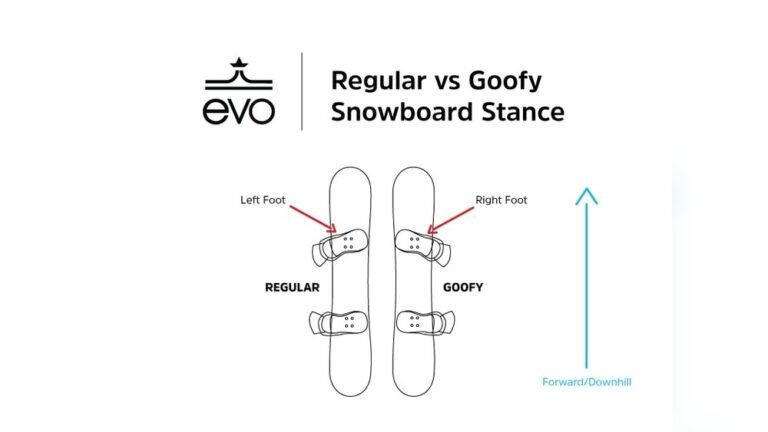
It helps to know how a snowboard moves. Unlike skiing, your feet stay fixed on the board, and you face mostly sideways. You steer by shifting your weight and angling the board’s edge.
- Regular stance: Left foot forward.
- Goofy stance: Right foot forward.
If you’re not sure, try sliding on a smooth floor in socks and see which foot you naturally put forward.
Edge Control
Snowboards have two edges:
- Toe edge: The side your toes point toward.
- Heel edge: The side your heels point toward.
You turn and stop by pressing down on these edges. Learning to control them is the key to snowboarding.
Balance
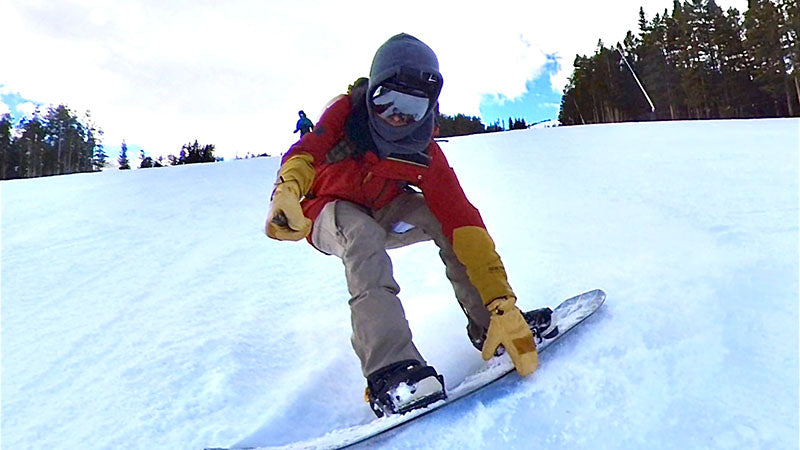
Balance is everything. Keep your knees bent, back straight, and arms relaxed. Look where you want to go—not at your feet.
Getting On And Off The Lift
For many beginners, the ski lift is more stressful than the ride down! Here’s how to handle it:
- Strap your lead foot into the binding. Leave your back foot out.
- Shuffle forward with your back foot, using it to push the board like a skateboard.
- Sit down gently on the chairlift as it arrives.
- As you near the top, put your back foot on the board, ready to slide off.
- Stand up as the lift reaches the platform and let the board glide forward.
- Move quickly out of the way so others can exit.
Pro tip: Keep your weight centered and don’t lean back when getting off the lift.
First Moves: Learning To Stand And Slide
Now you’re on the snow. Start on a flat area, away from crowds.
How To Strap In
- Sit down, board flat in front of you.
- Attach your front foot first, then your back foot.
- Make sure straps are tight but comfortable.
Standing Up
This is harder than it looks! Roll onto your knees, then push up with your hands. Keep your board across the slope so you don’t slide away.
Skating
With only your front foot strapped in, practice pushing yourself forward (“skating”) on flat ground. This helps you get used to moving with the board.
Gliding Down A Gentle Slope
Pick a gentle beginner slope. Strap both feet in. Point the board straight down the hill, and let yourself slide a short distance, then sit or fall gently to stop. Repeat until you’re comfortable with the feeling of sliding.

Mastering Basic Skills
How To Stop: The “falling Leaf”
The first skill to master is stopping. The easiest way is the “falling leaf” technique.
- Face across the hill (not down).
- Keep your weight on your heels (heel edge).
- Gently stand up and let yourself slide sideways.
- To slow down, lean more on your heels; to speed up, flatten the board.
You’ll slide back and forth across the hill, like a leaf drifting down.
Using Both Edges
Practice on both heel edge and toe edge. Try facing the mountain, balancing on your toe edge. Do the same “falling leaf” move. This builds confidence and control.
Turning
Once you can stop, learn to turn:
- Start on your heel edge.
- Look where you want to go.
- Shift your weight toward your toes.
- Gently roll the board onto its toe edge.
- Let the board change direction.
Reverse the process to turn the other way.
Common Beginner Mistakes
- Leaning back: This makes turning and stopping harder.
- Stiff legs: Bend your knees to absorb bumps.
- Looking down: Always look ahead, not at your feet.
First Runs: How To Ride Down Safely
Now you’re ready to try a full beginner run.
Picking The Right Slope
Start with a green run (the easiest slope). Avoid icy or crowded areas.
Linking Turns
Try to connect your turns smoothly. Start on your heel edge, turn to your toes, then back to your heels. The goal is to zigzag down the hill in control.
How To Fall Safely
Everyone falls. To avoid injury:
- Keep arms close to your body.
- Try to fall on your forearms or buttocks, not straight on your wrists.
- Relax your muscles—tense arms break more easily.
Recovering From A Fall
Roll onto your knees, then push up. If you’re stuck, take off one foot and stand up before strapping in again.
Safety And Mountain Etiquette
Snowboarding is fun, but safety is important.
Important Rules
- Always look uphill before starting.
- Give way to people below you—they can’t see you.
- Don’t stop in the middle of the slope or where you can’t be seen.
- If you fall, move to the side quickly.
Dealing With Cold And Fatigue
Take breaks to avoid getting tired or cold. Drink water and eat snacks. Cold and exhaustion make injuries more likely.
What Most Beginners Miss
Even with all the advice, some things catch new snowboarders by surprise:
- Snow conditions matter: Icy snow is much harder for beginners. Look for soft, freshly groomed slopes.
- Lift tickets and lessons: Lessons from a certified instructor help you progress much faster. Most resorts offer beginner group lessons.
- Muscle soreness: You’ll use muscles you didn’t know you had. Stretch before and after riding.
- Progress is not linear: Some days you’ll improve fast, then hit a plateau. This is normal—don’t get discouraged.

Progressing To The Next Level
After your first day, you’ll probably be able to glide, stop, and make simple turns. The next step is to ride with more control and confidence.
Practice Drills
- Ride switch (with your other foot forward) to build balance.
- Try small bumps and side hits for fun.
- Watch others and ask for tips.
When To Try More Difficult Runs
Don’t rush to harder slopes. Only move up when you can link turns and stop easily. Blue runs are steeper and require more skill.
Snowboard Maintenance
Keep your board in good shape. Wax the base regularly and check your bindings. Well-maintained gear makes riding easier and safer.
Quick Reference: Key Moves For First-time Riders
| Move | What to Do | Common Mistake |
|---|---|---|
| Standing Up | Roll onto knees, push up with hands | Leaning back, board slips away |
| Stopping | Press heels or toes into snow | Not enough edge, keep sliding |
| Turning | Shift weight, roll board edge | Twisting body, losing balance |
| Getting off Lift | Back foot on board, glide forward | Sitting down, blocking others |
How To Make The Most Of Your First Day
A successful first day isn’t about speed or style—it’s about learning and having fun. Take breaks when you need to. Laugh when you fall. Celebrate small wins, like your first turn or run without falling.
Don’t compare yourself to others. Everyone learns at their own pace. The most important thing is to keep trying and enjoy the experience.
If you want more detailed guides or video lessons, check out Wikipedia’s snowboarding page for a deeper dive into the sport.
Frequently Asked Questions
What Should I Wear For My First Snowboarding Lesson?
Wear waterproof jacket and pants, thermal base layers, gloves, and a helmet. Avoid cotton, as it gets wet and cold. Ski socks are better than regular socks.
How Long Does It Take To Learn Basic Snowboarding?
Most people can learn to glide and stop in one day. Linking turns often takes 2–3 days with practice. Everyone learns at a different pace.
Is Snowboarding Dangerous For Beginners?
With proper gear and attention to safety, snowboarding is as safe as many other sports. Most injuries happen due to tiredness or not following basic rules.
Can I Snowboard If I Have Never Skied Before?
Yes! Many snowboarders start with no skiing experience. The skills are different, and absolute beginners can do well.
Do I Need A Lesson, Or Can I Teach Myself?
Lessons help you learn correct technique and avoid bad habits. You can try on your own, but a certified instructor can speed up your progress and keep you safe.
Snowboarding is challenging at first, but with the right preparation and a positive attitude, your first day on the board will be one you never forget. Enjoy every moment on the mountain—you’ll improve faster than you think!
