
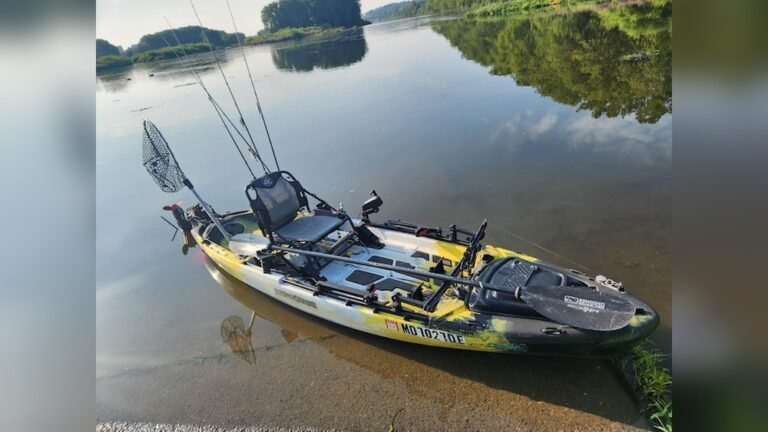
Kayak fishing has become one of the most exciting ways to catch fish and explore nature at the same time. For many, it combines the quiet of paddling with the thrill of landing a fish—sometimes in places larger boats can’t reach. But if you’ve never tried it before, you might wonder: how do you actually kayak for fishing? Is it different from just kayaking? What do you need to know to be safe, successful, and comfortable on the water?
This guide covers everything you need, from choosing the right kayak to practical tips on casting, landing fish, and staying safe. Whether you’re new to kayaking, new to fishing, or new to both, you’ll find clear answers and practical advice you can use right away.
Why Choose Kayak Fishing?
Kayaks offer unique benefits compared to fishing from the shore or a motorboat. First, kayaks are quiet, so you can get closer to fish without scaring them. Second, they are lightweight and portable, which means you can launch almost anywhere—even in small ponds or shallow rivers. Third, kayak fishing is more affordable than owning a motorboat, with less maintenance and no fuel costs.
Many anglers also say that being close to the water and moving under your own power makes each catch feel more rewarding. However, kayak fishing does require some special knowledge and planning. Let’s break down how to get started.
Choosing The Right Kayak For Fishing
Not every kayak is good for fishing. You need to think about stability, comfort, storage space, and ease of use. Here’s how the main types compare:
| Type of Kayak | Best For | Pros | Cons |
|---|---|---|---|
| Sit-on-Top | Beginners, warm water | Stable, easy to get on/off, self-draining | Can get wet, heavier |
| Sit-Inside | Cooler weather, longer trips | Stay drier, more efficient paddling | Harder to exit if capsized, less stable for standing |
| Pedal Kayak | Hands-free fishing | Can move while fishing, fast | Expensive, heavier |
| Inflatable Kayak | Travel, storage | Portable, light | Less stable, lower performance |
For most beginners, a sit-on-top kayak is the best choice. They are very stable, so you can move around, cast, or even stand up on some models. Look for one with a wide hull (at least 30 inches wide), which helps prevent tipping.
Features To Consider
- Weight Capacity: Check that your kayak can hold your body weight plus all your gear.
- Length: Longer kayaks (12–14 feet) are faster and track straight, but shorter ones (10–12 feet) are easier to turn and transport.
- Storage: Look for built-in rod holders, gear tracks, and dry storage for valuables.
- Seat Comfort: A good seat makes all the difference, especially for long days.
Essential Gear For Kayak Fishing
You need more than just a paddle and fishing rod. Here’s a checklist of the most important items:
- Personal Flotation Device (PFD): Always wear a PFD designed for kayaking. Fishing-specific models have pockets for tackle.
- Paddle: Choose a lightweight paddle sized for your height and kayak width.
- Anchor or Stakeout Pole: Useful to stay in one spot.
- Rod Holders: Built-in or add-on holders keep your rods secure.
- Tackle Storage: Waterproof boxes or bags for lures and bait.
- Fish Finder (optional): For locating fish or checking water depth.
- Safety Whistle or Horn: For signaling in case of emergency.
- Dry Bag: Protects your phone, keys, and wallet.
- Landing Net: Easier to land fish without tipping your kayak.
- First-Aid Kit: For minor injuries on the water.
- Sun Protection: Hat, sunglasses, and sunscreen.
Many beginners forget a dry bag or a whistle, but these small items can be very important if you tip over or need help.
Preparing For Your Trip
Before you launch, take time to plan. This includes checking weather conditions, mapping your route, and packing supplies.
Check The Weather And Water
Never kayak fish in storms, high winds, or strong currents. Cold water can be dangerous even on warm days. Use apps or local forecasts for up-to-date information.
Map Your Route
Know where you’ll launch and land. Mark any hazards like rocks or shallow spots. If you’re fishing on a river, check the flow direction and speed.
Pack Smart
Don’t overload your kayak. Bring only what you need. Store heavy items low and centered for stability.
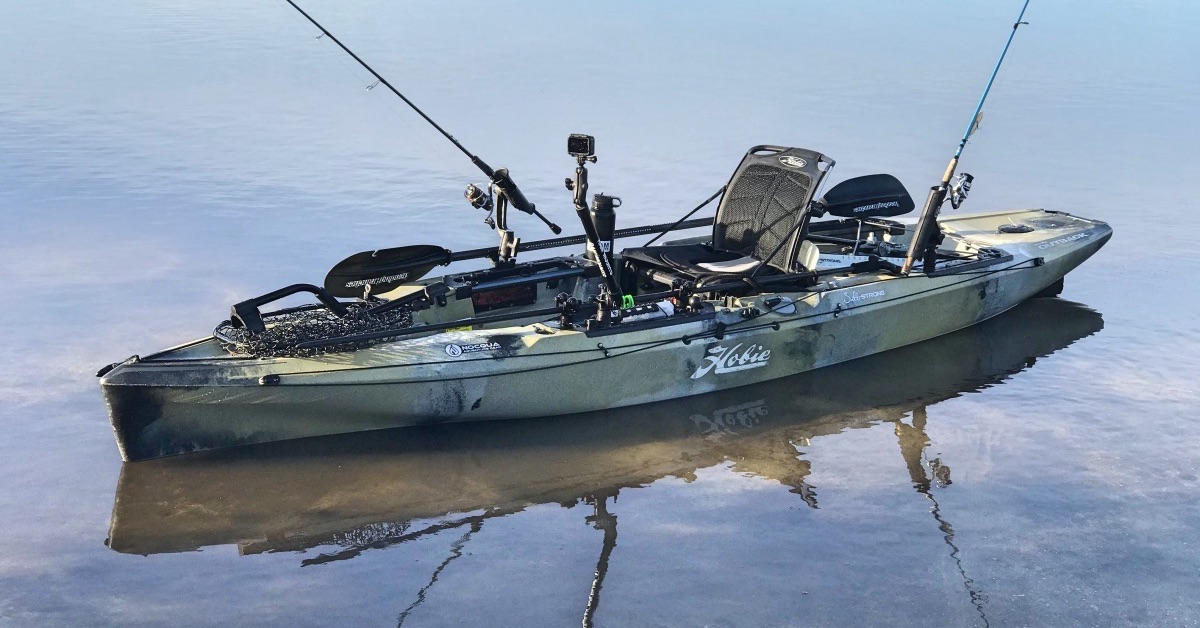
Launching And Landing Your Kayak
Launching from shore can be tricky when you have fishing gear. Here’s an easy way:
- Place your kayak in shallow water, parallel to shore.
- Set your paddle and rods within reach.
- Sit down, keeping your weight low.
- Push off gently with your paddle.
Landing is the same in reverse. Go slow and keep your paddle ready to steady yourself.
One tip many beginners miss: secure all loose gear with leashes or clips. If you tip, you won’t lose everything in the water.
Basic Paddling And Positioning
Learning to paddle well makes fishing easier and safer. Use these basic strokes:
- Forward Stroke: Reach forward, dip the blade, and pull back.
- Reverse Stroke: Push the blade forward to back up.
- Sweep Stroke: Use a wide arc to turn.
When fishing, position your kayak so the wind or current keeps you facing the right way. An anchor helps, but you can also use a stakeout pole in shallow water.
| Stroke | Use | Tip |
|---|---|---|
| Forward | Moving ahead | Keep arms relaxed |
| Reverse | Backing up | Look behind before moving |
| Sweep | Turning | Use full torso, not just arms |
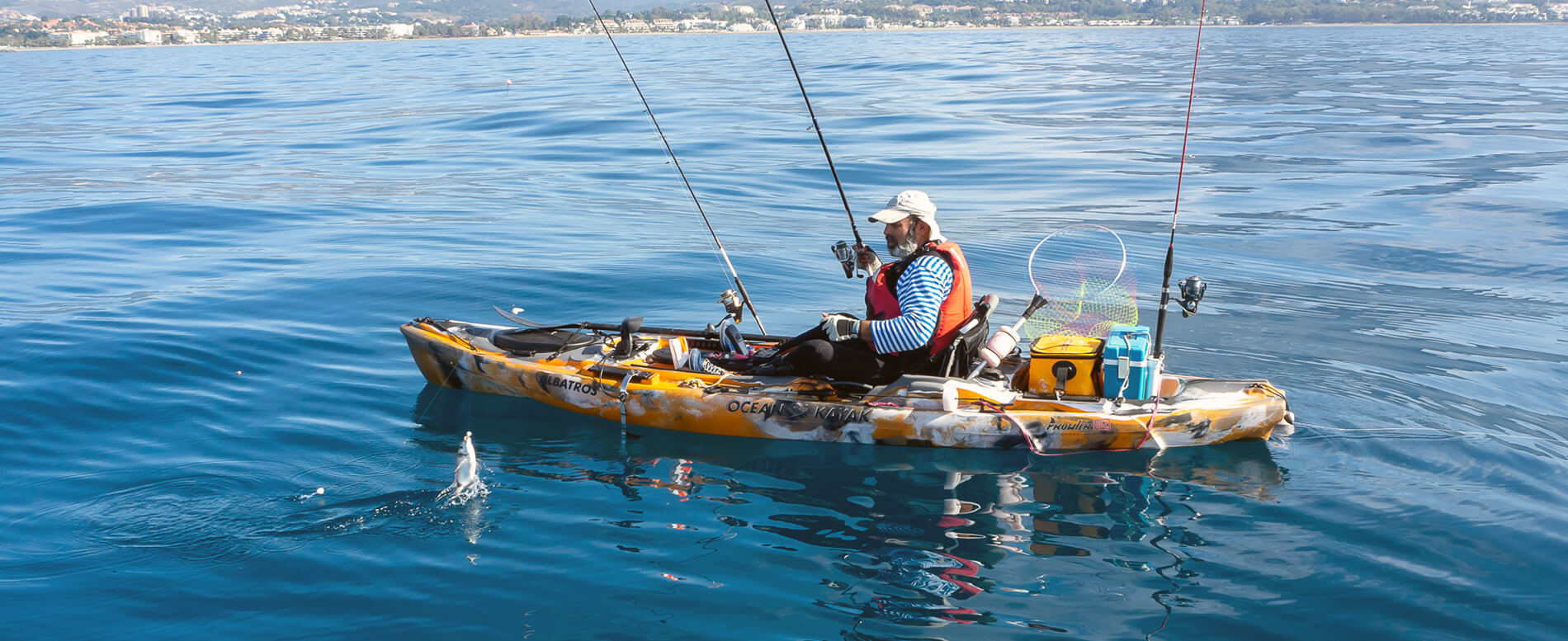
Fishing Techniques From A Kayak
Fishing from a kayak is different than from land or a boat. Here are some key techniques:
Casting
- Side-arm casts are easier than overhand—especially if you are sitting.
- Short, accurate casts are better than long ones, since kayaks can drift.
- Watch for obstacles behind you.
Retrieving
- Move your rod tip to the side, not straight up, to keep balance.
- If you hook a big fish, use the drag on your reel instead of pulling hard.
Landing A Fish
- Use a net if possible.
- Bring the fish close to the kayak, keep your rod tip low, and scoop the fish in.
- If you want to release the fish, keep it in the water as much as possible.
One non-obvious tip: keep your feet pressed against the kayak’s footrests when fighting a fish. This gives you more control and prevents tipping.
Safety Tips For Kayak Fishing
Safety is critical. Here are the most important rules:
- Always wear your PFD. Even strong swimmers can get in trouble.
- Stay visible. Wear bright colors and use a flag or light if fishing early or late.
- Tell someone your plan. Share your route and return time.
- Bring enough water and snacks. Dehydration can happen fast on sunny days.
- Learn how to self-rescue. Practice getting back in your kayak in shallow water.
- Avoid standing unless your kayak is designed for it.
It’s easy to forget about sun exposure on the water. Wear sunscreen even on cloudy days.
Common Kayak Fishing Mistakes
Many beginners make the same errors. Here are some to avoid:
- Bringing too much gear: Extra gear makes your kayak unstable and hard to paddle.
- Ignoring the weather: Even a small wind can make paddling back very hard.
- Not practicing paddling: Good paddling skills make fishing easier and safer.
- Standing up too soon: Wait until you are comfortable and your kayak is stable.
- Not checking local rules: Some areas have rules about where and when you can fish.
How To Choose The Best Fishing Spot
Finding fish from a kayak takes some skill. Here’s how to increase your chances:
- Look for structure: Fish like areas with rocks, logs, or weed beds.
- Check water depth: Use a simple fish finder or a weighted line.
- Watch for birds: Birds feeding on the water often mean fish below.
- Move quietly: Paddle slowly and avoid banging your paddle or gear.
One overlooked trick: fish early or late in the day. Many species are more active at sunrise and sunset.
Kayak Fishing In Different Environments
Kayak fishing is possible on lakes, rivers, and coastal waters. Each has its own challenges.
Lakes
- Usually calm, but wind can be strong.
- Look for drop-offs, weed lines, or points.
Rivers
- Current can help you drift and cover water.
- Watch for rocks, snags, and fast water.
- Plan your trip so you don’t have to paddle upstream all day.
Saltwater
- Tides and waves can be tricky.
- Wear a life jacket at all times.
- Rinse your gear after fishing to avoid corrosion.
If you’re new, start on a small lake or slow-moving river. Practice before trying the ocean.
Kayak Fishing Etiquette
Respect other anglers and boaters. Here are some simple rules:
- Give space: Don’t crowd other kayaks or boats.
- Stay quiet: Loud voices and splashes scare fish (and annoy others).
- Leave no trace: Pack out all trash, including fishing line and bait containers.
- Follow local rules: Some places have special regulations for kayaks.
Good etiquette helps everyone enjoy the water.

Upgrades And Accessories
Once you get comfortable, you may want to add accessories:
- Fish finder: Helps locate fish and structure.
- Camera mounts: Capture your catches safely.
- Anchor trolley: Lets you position your kayak without moving.
- Extra rod holders: For carrying more rods.
Don’t buy everything at once. Start simple, then add gear as you learn what you need.
Kayak Fishing: Learning From Others
Joining a local kayak fishing group or online forum can help you learn faster. You’ll find advice on the best spots, gear reviews, and even group trips. Some good resources include the American Whitewater Association, which covers water safety and river conditions.
Frequently Asked Questions
What Is The Best Type Of Kayak For Fishing?
A sit-on-top kayak is usually best for beginners. It’s stable, easy to get on and off, and has space for gear. For hands-free fishing, a pedal kayak is a good option, but it’s more expensive.
How Do I Stay Safe While Kayak Fishing?
Always wear a PFD, check the weather, and tell someone your plan. Stay visible with bright colors or a flag. Practice self-rescue so you know what to do if you tip over.
What Should I Do If My Kayak Tips Over?
Stay calm. Hold onto your paddle and kayak. Try to re-enter from the side, kicking your legs to slide onto the seat. Practice this in shallow water before fishing.
Can I Fish Standing Up In A Kayak?
Some wide, stable kayaks allow standing, but only do this if your kayak is designed for it and the water is calm. Practice standing near shore to build confidence.
How Much Does It Cost To Start Kayak Fishing?
A basic setup (kayak, paddle, PFD, and simple rod) can cost $500–$1000. Used kayaks are cheaper. You can spend more on accessories, but it’s best to start simple.
Kayak fishing is a rewarding sport that brings you closer to nature and the fish you chase. With the right preparation, gear, and mindset, you can enjoy safe and successful trips every time you hit the water. Remember, the best way to learn is by getting out there—start with short trips, practice your skills, and have fun exploring new waters.
