
Surfing looks simple from the beach—just stand on the board and ride the wave. But when you try it, you realize staying balanced is one of the hardest challenges. Balancing on a surfboard is a unique skill. It combines body control, quick reflexes, and understanding how water and waves work.
For beginners, it often feels impossible to stand up, let alone ride a wave all the way to shore. Yet, experienced surfers make it look effortless, gliding smoothly as if they’re part of the ocean itself.
What’s the secret behind their balance? It’s not just about strong legs or good luck. Surfers use science, practice, and specific techniques to stay upright. In this guide, you’ll discover exactly how surfers balance on a board—step by step, from paddling out to riding a wave.
You’ll also learn why some people progress faster than others, and what mistakes slow down beginners. Whether you want to start surfing or simply understand how it works, this article will give you a complete, clear picture of the skills and science behind surfboard balance.
The Science Of Surfboard Balance
Balancing on a surfboard is a mix of physics and body movement. The main force at play is gravity, which always pulls your body downward. To stay up, you need to control your center of gravity—the point where your body weight is balanced.
When you stand on a surfboard, you’re floating on moving water. The board itself can roll, pitch, and yaw (tilt side to side, up and down, or rotate). The ocean is never still, so your body must constantly adjust. The main goal is to keep your center of gravity directly above the board’s center, especially as waves shift underneath you.
Your feet act as the connection between your body and the board. Small adjustments in your ankles and knees help absorb changes in the water. Your core muscles (abs, lower back, hips) keep your upper body steady. Meanwhile, your arms help you counterbalance sudden tilts or movements.
Here’s a simple example: Imagine standing on a balance beam. If you lean too far to one side, you fall. But if you adjust your body quickly, you stay on. Surfing works the same way, except the “beam” is moving water, not solid ground.
Key Techniques Surfers Use To Balance
Surfers don’t just rely on luck or instinct. They use proven techniques to stay balanced at every stage—paddling out, popping up, riding the wave, and turning. Let’s break down these key skills.
1. Correct Stance
The surf stance is the foundation of good balance. Surfers bend their knees slightly, keep their feet shoulder-width apart, and distribute weight evenly. The back foot is often at a slight angle, while the front foot points forward.
This position lowers the center of gravity and gives better control. Straight legs make you stiff and easy to knock over. Bent knees act like shock absorbers, letting you respond quickly to the wave’s movements.
2. Using The Core
Strong core muscles are essential. When you engage your core, you stabilize your upper body, making it easier to shift weight without losing control. Many surfers do exercises like planks and squats to build this strength.
3. Reading The Wave
Balance isn’t just about your body. Surfers watch the shape of the wave and predict how it will move. For example, if a wave is steep, they may lean forward to pick up speed. If it’s about to break, they shift weight back to avoid nose-diving.
4. Micro-adjustments
Most balancing happens through small, constant adjustments. Surfers use their ankles and toes to make tiny shifts. Even a 1-centimeter movement can mean the difference between staying up or wiping out.
5. Arm Position
Surfers use their arms for balance—not just for paddling. When standing, arms move out to the side or slightly forward, helping to counteract the board’s tilt. Think of a tightrope walker using a pole: arms give extra stability.
6. Eye Focus
Looking down at your feet or the board can make you dizzy and unbalanced. Experienced surfers look ahead, focusing on where they want to go. This helps with balance and makes movement more natural.
Stages Of Balancing On A Surfboard
Staying upright on a surfboard isn’t a single skill—it’s a series of skills at different stages. Each stage has its own challenges and techniques.
Paddling Out
Before you even stand, you need to balance while lying on the board and paddling. The key is to lie in the middle—not too far forward (nose dips under water), not too far back (board slows down). Arms move in a smooth, even rhythm, and legs stay together.
Pop-up
The pop-up is the move from lying to standing. It’s a quick push-up followed by bringing your feet under your body in one motion. Many beginners struggle here, but practice builds muscle memory. The main tip: keep your weight centered, not too far forward or back.
Riding The Wave
Once standing, you must react to every change in the wave. Good surfers keep knees bent, core tight, and eyes forward. They shift weight smoothly to speed up, slow down, or turn.
Turning
Turning adds a new balance challenge. To turn right, for example, surfers put more weight on their toes and twist their hips and shoulders. The board tilts, and you must lean into the turn without falling off.
Recovering From Mistakes
Even the best surfers lose balance sometimes. Quick reflexes and practice help you recover. For example, if the board tips, you might stick out your arm or shift your hips to counteract.
Factors That Affect Surfboard Balance
Not all balance problems are about technique. Several outside factors play a role in how easy (or hard) it is to stay up on a surfboard.
Board Type
Different boards offer different levels of stability. Here’s a quick comparison:
| Board Type | Stability | Typical Use |
|---|---|---|
| Longboard | High | Beginners, small waves |
| Shortboard | Low | Advanced, big waves |
| Funboard | Medium | Intermediate, mixed waves |
Longboards are wider and longer, making them easier to balance. Shortboards are fast and responsive but require more skill to control.
Wave Conditions
Small, slow waves are easier for balancing. Large, powerful waves move quickly and change shape, making balance harder. Wind, currents, and choppy water can also add to the challenge.
Physical Fitness
Balance relies on leg strength, core stability, and flexibility. Surfers who exercise regularly and stretch often find it easier to stay upright.
Experience Level
Practice makes a huge difference. Beginners often fall many times, but after dozens of tries, the body learns how to react without thinking.
Balance Training For Surfers
Many surfers practice balance off the water to get better. Here are some effective methods:
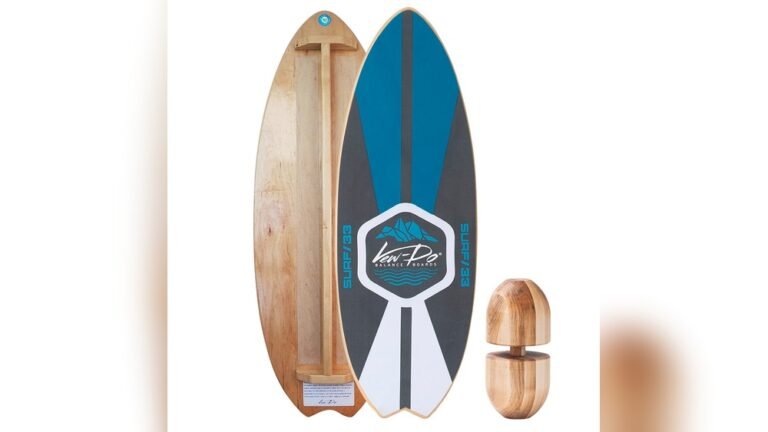
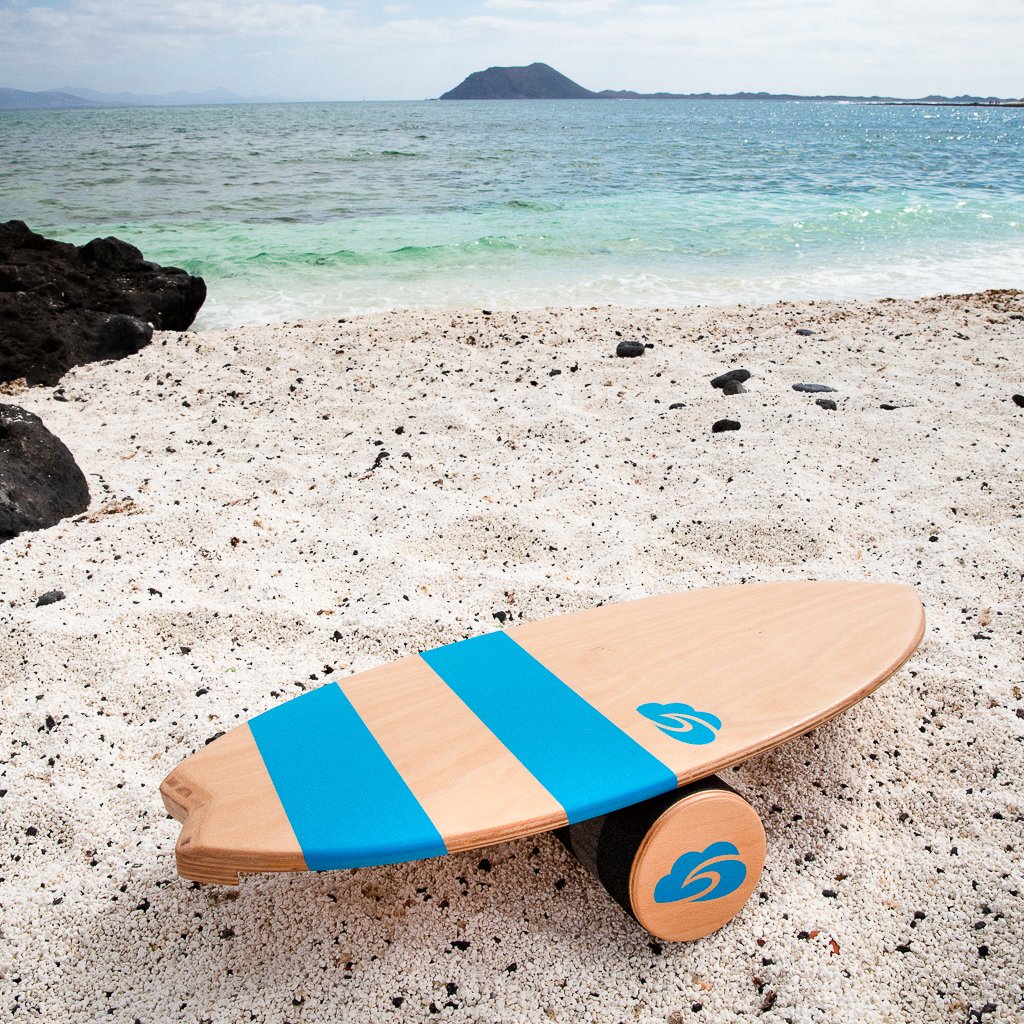
- Balance boards: These are training devices that wobble, simulating the feel of a surfboard.
- Yoga: Improves flexibility, balance, and core strength.
- Strength training: Squats, lunges, and planks target the muscles used in surfing.
- Trampoline work: Helps with quick reflexes and dynamic balance.
Here’s how some common exercises compare for surf balance training:
| Exercise | Benefit for Surfing | Difficulty Level |
|---|---|---|
| Yoga | Flexibility, core strength | Low-Medium |
| Balance board | Dynamic balance, reflexes | Medium |
| Squats | Leg strength, stability | Low |
| Trampoline | Quick adjustments | Medium |
Common Mistakes And How To Avoid Them
Many beginners repeat the same errors, making balance harder than it should be. Here are some to watch out for:
- Stiff legs: Keeping legs straight makes it impossible to absorb movement. Always bend your knees.
- Leaning back: Many new surfers lean too far back, slowing down and losing control. Balance weight over the center.
- Looking down: Focus on where you want to go, not your feet.
- Rushing the pop-up: Slow, careful movements work better than trying to jump up quickly.
- Ignoring the core: Weak core muscles make balance much harder. Add core training to your workouts.

Non-obvious Insights Most Beginners Miss
- Foot Pressure Matters: It’s not just about where your feet are, but how much pressure you put on each foot. Good surfers can subtly shift pressure to steer and balance, even without moving their feet.
- Wave Energy Helps Balance: Many think bigger waves are always harder. But sometimes, small weak waves make balancing trickier because they don’t give the board enough speed or lift. On a stronger wave, forward momentum actually helps stabilize the board.
- Balance is Mental Too: Feeling tense or scared makes your muscles stiff, which reduces balance. Staying relaxed helps your body react naturally.
How Surfers Improve Balance Over Time
Progress in surfing comes from a mix of practice, feedback, and adaptation. Here’s what advanced surfers do that helps them keep improving:
- Video analysis: Watching yourself surf (or others) helps spot mistakes you might not feel in the moment.
- Drills: Practicing pop-ups, turns, and balance moves on land builds muscle memory.
- Surfing different conditions: Trying various waves, boards, and beaches exposes you to new challenges.
- Learning from others: Surf schools and group sessions provide tips and encouragement you might miss alone.
Over time, your brain and body work together more smoothly. Movements that felt impossible become automatic. That’s why surfers often say “time in the water” is the best teacher.
The Role Of Equipment In Balance
The right equipment can make learning to balance much easier. Here’s a quick side-by-side look at how board features affect stability:
| Feature | More Stability | Less Stability |
|---|---|---|
| Board width | Wider board | Narrow board |
| Board length | Longer board | Short board |
| Rocker (curvature) | Flatter rocker | Curvier rocker |
| Fin setup | Single large fin | Multiple small fins |
When starting, it’s better to use a bigger, softer board. Foam boards are especially forgiving for beginners.
Real Examples: How Pros Stay Balanced
Professional surfers like Kelly Slater and Carissa Moore show perfect technique. If you watch slow-motion videos, you’ll see how they:
- Shift weight smoothly as the wave changes
- Use low, flexible stances
- Make quick, tiny adjustments with their feet and core
- Keep arms and eyes moving with the direction of the board
Their balance skills come from thousands of hours in the water and constant practice. But they use the same basic techniques you can learn.

Frequently Asked Questions
How Long Does It Take To Learn To Balance On A Surfboard?
Most people start to stand up after a few hours of practice, but feeling truly balanced can take several weeks of regular surfing. The more you practice, the faster you improve.
Does Board Size Really Make Balancing Easier?
Yes. Larger, wider boards (like longboards) are much easier to balance, especially for beginners. As you get better, you can move to smaller boards for more speed and maneuverability.
Can I Improve My Balance Without Going To The Ocean?
Absolutely. Training with balance boards, yoga, and strength exercises can help a lot. Many pros use these methods to stay sharp between surf sessions.
Why Do I Always Fall Forward Or Backward?
Falling forward (nose-diving) often means you’re too far forward on the board. Falling backward means you’re too far back or leaning away from the wave. Focus on keeping your weight centered and knees bent.
Are There Any Resources To Learn More About Surfboard Balance?
Yes, you can find detailed guides and videos from trusted sources like Wikipedia to deepen your understanding of surfing techniques and science.
Surfboard balance is a mix of science, skill, and practice. Anyone can learn it with patience, the right techniques, and a willingness to fall and try again. Next time you see a surfer gliding across a wave, you’ll know just how much work goes into staying upright—and maybe feel inspired to try it yourself.
