Are you looking for a powerful way to boost your core strength? You might have seen the Roman chair in gyms and wondered if it’s the right tool for you.
Using a Roman chair can be a game-changer for building a strong, stable core—but only if you use it correctly. You’ll discover how this simple piece of equipment can transform your workouts, help prevent injuries, and improve your overall fitness.
Keep reading to find out if the Roman chair is the missing link in your core training routine.
Benefits Of Roman Chair
The Roman chair is a great tool for core strengthening. It offers many benefits that help build a strong and healthy body. Using this equipment regularly can improve muscle tone, balance, and overall fitness.
Targeted Muscle Groups
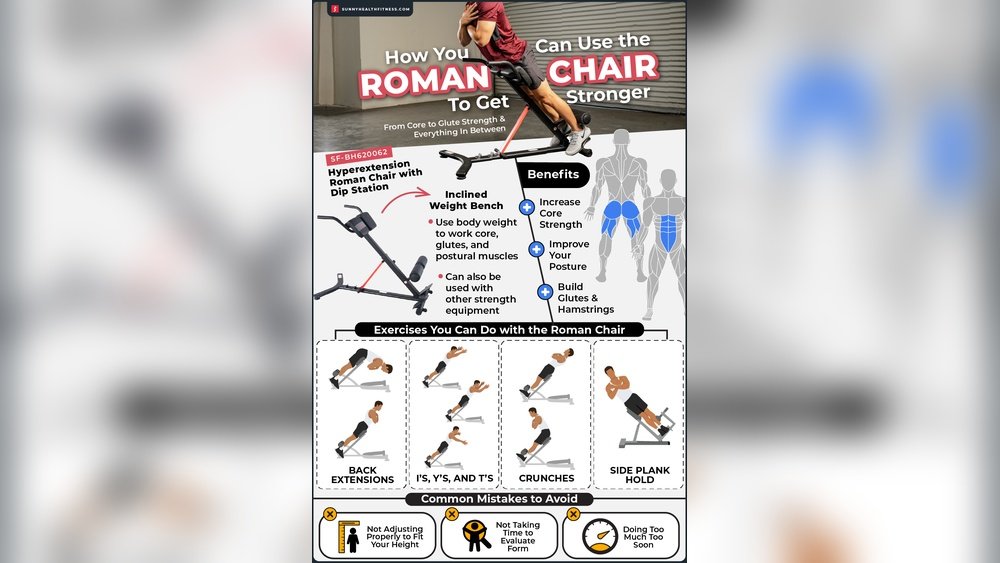
The Roman chair mainly works the lower back muscles. It also targets the glutes and hamstrings. These muscles support the spine and help with daily movements. Strengthening these areas reduces the risk of injury and pain.
Improving Posture
Regular use of the Roman chair helps improve posture. Strong back muscles keep the spine aligned. Good posture reduces strain on the neck and shoulders. It also helps you stand and sit more comfortably.
Enhancing Stability
The Roman chair improves core stability by engaging deep muscles. A stable core supports balance and body control. This helps in sports and everyday activities. Better stability lowers the chance of falls and injuries.
Core Muscles Engaged
The Roman chair is a popular tool for core workouts. It targets several key muscles that keep your body stable and strong. Understanding which muscles are engaged helps you use the Roman chair effectively. This section explains the main muscles worked during Roman chair exercises.
Lower Back Activation
The Roman chair strongly activates the lower back muscles. These muscles support your spine and help maintain good posture. When you lean forward and return upright, your lower back works hard. This action builds strength and endurance in the lumbar region.
Abdominal Engagement
Your abdominal muscles also engage during Roman chair exercises. They contract to control your movement and stabilize your torso. The rectus abdominis, or “six-pack” muscle, works to flex your spine. This helps in protecting your lower back from injury.
Hip Flexor Involvement
Hip flexors play a key role in many Roman chair moves. These muscles lift your thighs towards your torso. They assist in bending your hips and maintaining balance. Strong hip flexors improve your overall core stability and mobility.
Popular Roman Chair Exercises
The Roman chair is a versatile tool for core workouts. It targets various muscles and helps build strength effectively. Many exercises use this equipment to work different parts of the core.
Here are some popular Roman chair exercises. Each one focuses on a specific muscle group. These moves improve your stability, posture, and overall core power.
Back Extensions
Back extensions strengthen the lower back muscles. You position yourself face down on the Roman chair. Then, lift your upper body slowly and lower it back down. This exercise supports better posture and reduces back pain.
Side Bends
Side bends target the oblique muscles on the sides of your abdomen. Stand sideways on the Roman chair with your hips supported. Lean your upper body to one side and return to the center. This builds strong, balanced core muscles.
Roman Chair Sit-ups
Roman chair sit-ups focus on the front abdominal muscles. Sit on the chair with your feet secured and lean backward. Then, raise your upper body back to the starting position. This exercise helps define and strengthen your abs.
Proper Roman Chair Technique
Using a Roman chair correctly helps strengthen your core safely and effectively. Proper technique protects your back and improves results. Paying attention to setup and form makes a big difference. Avoiding common errors keeps your workout safe and productive.
Setting Up Correctly
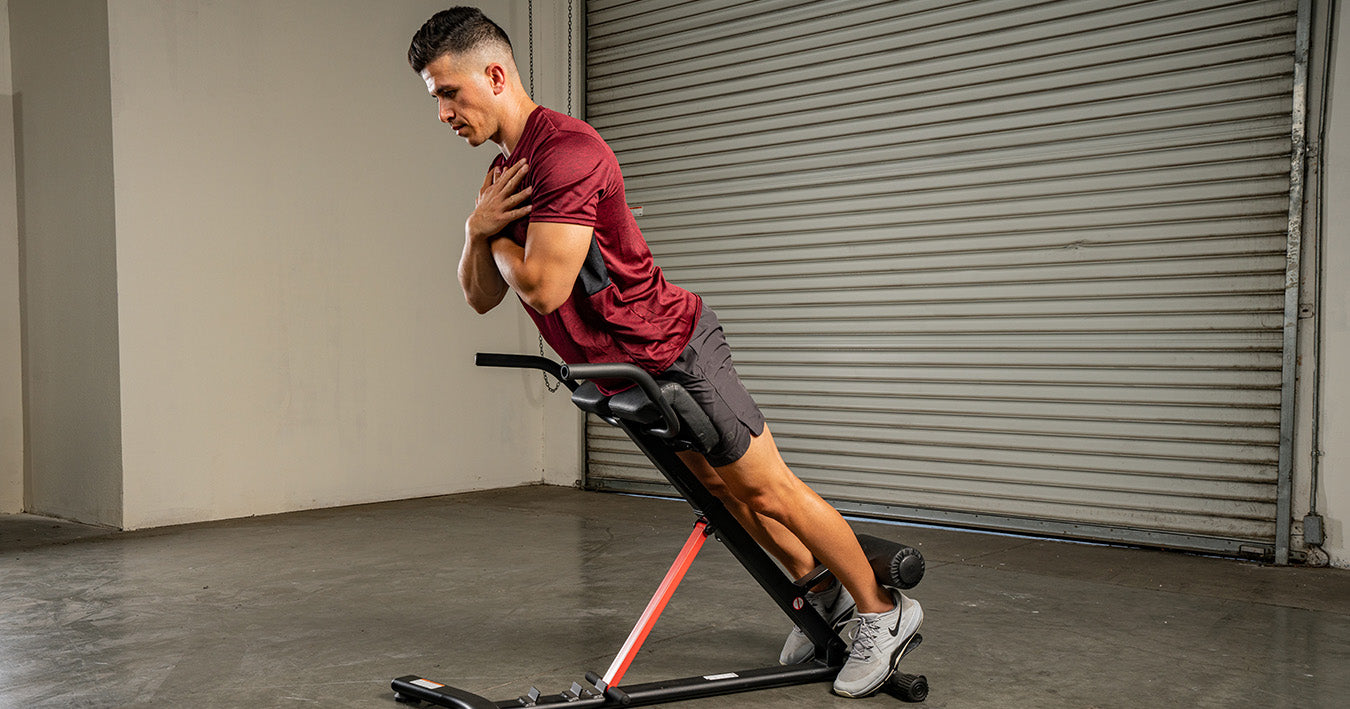
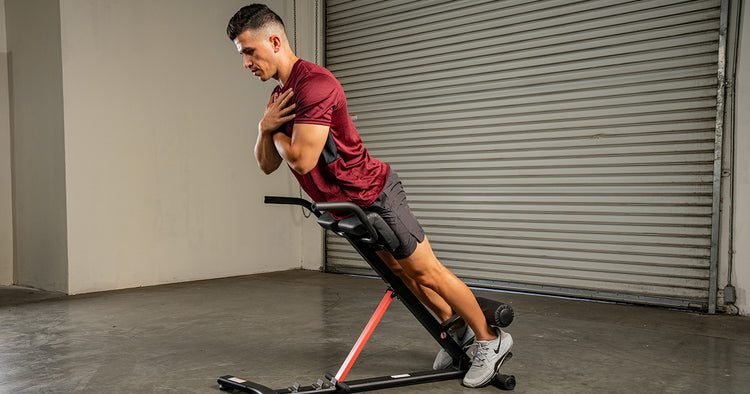
Start by adjusting the Roman chair to fit your body size. Your hips should rest comfortably on the pad. Lock your feet under the foot pads for stability. Make sure the chair feels secure and steady. This setup allows smooth, controlled movement.
Maintaining Form
Keep your back straight and chest lifted during exercises. Engage your core muscles by tightening your stomach. Move slowly and with control, avoiding jerky motions. Breathe steadily in and out throughout the exercise. Focus on quality, not speed, for better muscle work.
Common Mistakes To Avoid
Avoid arching your lower back too much. Do not let your hips drop below the pad. Avoid using momentum instead of muscle strength. Do not hold your breath while working out. Skipping warm-up or stretching can lead to injury.
Safety Tips And Precautions
Using a Roman chair can help build core strength effectively. Safety is very important during these exercises. Taking precautions lowers injury risk. Following simple tips keeps your workout safe and effective.
Warm-up Recommendations
Start with light cardio to get your blood flowing. Do dynamic stretches for your back and hips. Warm muscles handle exercises better. This reduces muscle strain and improves performance.
Avoiding Overextension
Do not bend too far backward on the Roman chair. Overextending strains your lower back and spine. Keep movements controlled and within a comfortable range. Stop if you feel sharp pain or discomfort.
When To Skip Roman Chair Workouts
Avoid using the Roman chair if you have back pain or injuries. Pregnant women should consult a doctor before use. Skip workouts if you feel weak or dizzy. Rest and recover to prevent further harm.
Alternatives For Core Strengthening
Strengthening your core is key to better balance and posture. The Roman chair is a popular tool, but several alternatives also target your core effectively. These options suit different fitness levels and preferences. Explore these exercises to add variety and keep your workouts interesting.
Plank Variations
Planks engage multiple core muscles at once. Start with a basic plank, holding your body straight on your elbows and toes. Try side planks to focus on obliques. For more challenge, lift one arm or leg. Planks improve stability without needing equipment.
Stability Ball Exercises
Using a stability ball adds balance work to core training. Sit on the ball and lift your feet off the floor for a simple start. Try ball rollouts by placing your hands on the ball and rolling forward. These moves activate deep core muscles and improve control.
Pilates Moves
Pilates exercises focus on core strength and flexibility. The hundred is a classic move that builds endurance in your abs. Leg circles and roll-ups also target the core while promoting smooth movement. Pilates routines often use body weight, making them accessible anywhere.
Integrating Roman Chair Into Workout
The Roman chair is a useful tool for core strengthening. It targets the lower back, abs, and hips. Adding it to your workout can build a stronger, more stable core. Proper use helps prevent injury and improves posture. This section explains how to include the Roman chair in your routine.
Frequency And Duration
Use the Roman chair two to three times each week. Start with short sessions of 10 to 15 minutes. This helps your muscles get used to the exercise. Gradually increase the time as your strength grows. Avoid overdoing it to prevent muscle strain.
Combining With Other Exercises
Mix Roman chair exercises with other core moves. Planks, crunches, and leg raises work well together. This variety targets different muscles for balanced strength. A combined workout keeps your routine interesting. It also improves overall fitness and endurance.
Tracking Progress
Keep a simple log of your workouts. Note the time spent and the exercises done. Track improvements like longer holds or more repetitions. Use this record to adjust your workout plan. Seeing progress boosts motivation and helps reach your goals.

Frequently Asked Questions
Can A Roman Chair Improve Core Strength Effectively?
Yes, a Roman chair targets the lower back, abs, and obliques. It strengthens core muscles through controlled hyperextensions and leg raises, improving stability and endurance.
Is A Roman Chair Safe For Core Workouts?
When used with proper form, a Roman chair is safe. Avoid overextending your back to prevent strain. Start with low reps and increase gradually.
Which Core Muscles Does A Roman Chair Target?
The Roman chair primarily works the lower back, rectus abdominis, and obliques. It helps build balanced core strength by engaging multiple muscle groups simultaneously.
How Often Should I Use A Roman Chair For Core Strength?
Use the Roman chair 2-3 times per week. Allow rest days between sessions to promote muscle recovery and prevent injury while maximizing core strength gains.
Conclusion
Using a Roman chair can help strengthen your core muscles. It targets your lower back, abs, and hips well. Start with short sessions to avoid strain or injury. Consistency matters more than heavy effort. Combine this exercise with others for best results.
Keep your form correct to stay safe. This tool suits many fitness levels and goals. Try it regularly to build a stronger, more stable core. Simple, steady work leads to lasting strength gains.
