Are you wondering if your hyperextension bench can do more than just build strength? You might be surprised to learn it’s also great for stretching exercises.
Using this bench the right way can help improve your flexibility, reduce muscle tightness, and even prevent injuries. If you want to get more out of your workout equipment and feel better in your body, keep reading. This guide will show you how to safely and effectively use a hyperextension bench for stretching, so you can maximize your results and enjoy greater comfort every day.

Benefits Of Hyperextension Benches
Hyperextension benches offer more than just strength training. They provide great support for stretching exercises. Using this bench helps stretch muscles safely and effectively. This improves overall body flexibility and reduces injury risks. The bench also helps build core strength during stretches.
Many people use hyperextension benches to target specific muscle groups. These muscles get stronger and more flexible with regular use. The bench keeps your body aligned properly. This makes stretching easier and more comfortable. It is a helpful tool for both beginners and experienced users.
Targeted Muscle Groups
Hyperextension benches focus on muscles in the lower back, glutes, and hamstrings. These muscles support your spine and hips. Stretching on the bench helps relieve tightness in these areas. It also improves muscle balance and posture. Targeting these muscles reduces back pain and stiffness.
Improved Flexibility
The bench allows controlled stretching for better flexibility. It helps lengthen muscles gently and safely. This is important to avoid strains or injuries. Improved flexibility increases your range of motion. It also helps with daily activities and sports performance.
Enhanced Core Strength
Using a hyperextension bench engages your core muscles. These include the abs, obliques, and lower back. Strengthening the core improves stability and balance. A strong core supports better posture and reduces injury risks. It also helps during other exercises and movements.

Stretching Exercises On The Bench
The hyperextension bench is not just for strengthening muscles. It works well for stretching exercises too. Using this bench helps you target key muscle groups safely and effectively. Stretching on this bench can improve flexibility and reduce muscle tightness.
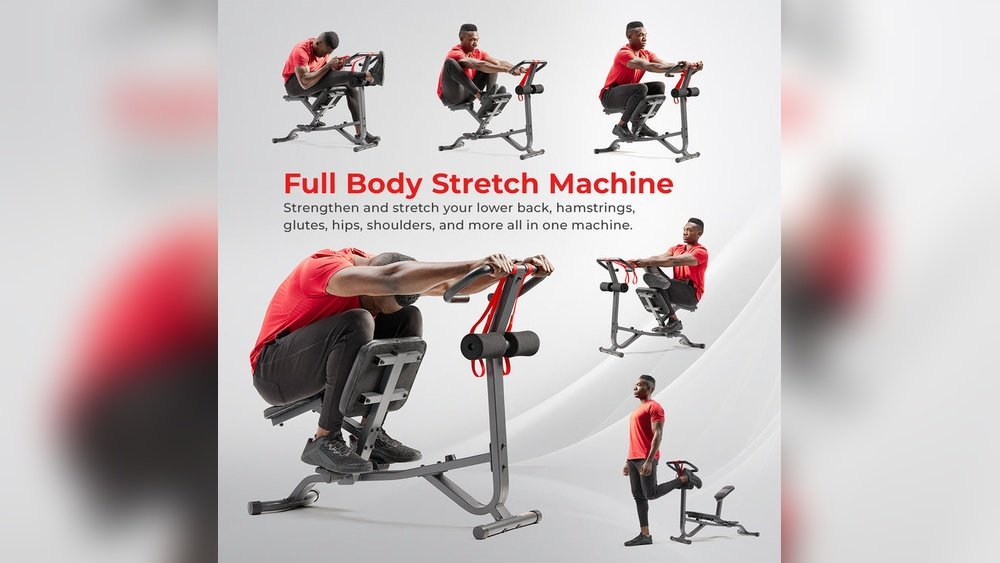
The bench supports your body, making stretches easier to hold. It also helps keep good posture during stretches. Here are some simple stretches you can do on a hyperextension bench.
Lower Back Stretches
Lower back stretches on the bench relieve tension and ease pain. Lie face down with your hips on the pad and feet secured. Slowly bend forward at the waist, reaching your hands toward the floor. Hold the stretch for 20 to 30 seconds. This stretch gently lengthens the lower back muscles.
Hamstring Lengthening
Stretching your hamstrings on the bench increases leg flexibility. Sit on the bench with one leg extended and the other bent. Reach toward your toes on the extended leg. Keep your back straight as you lean forward. Hold the stretch without bouncing for 20 seconds. Switch legs and repeat. This stretch helps reduce tightness in the back of the thigh.
Hip Flexor Openers
Hip flexor stretches improve mobility and reduce stiffness. Place one foot on the bench with the other knee on the floor. Push your hips forward gently. Keep your chest lifted and hold the position. Hold for 20 to 30 seconds before switching sides. This stretch opens the hips and eases tightness from sitting.
Proper Setup And Positioning
Proper setup and positioning on a hyperextension bench are key for safe and effective stretching. You must adjust the bench to fit your body. Correct alignment helps target the right muscles and prevents injury. Always follow safety tips to protect your back and joints.
Adjusting The Bench Height
Set the bench height so your hips rest comfortably on the pad. Your legs should be supported without pressure on your knees. Adjust the footrest to keep your feet secure. A good fit helps you stretch smoothly and avoid strain.
Correct Body Alignment
Keep your body straight during stretches. Align your hips, spine, and head in one line. Avoid arching or bending your back too much. Proper alignment improves stretch quality and protects your spine.
Safety Tips
Start with slow, gentle movements to avoid sudden strain. Use controlled motions and don’t push beyond comfort. Keep your core tight to support your lower back. Stop immediately if you feel pain or discomfort.
Common Mistakes To Avoid
Using a hyperextension bench for stretching can improve flexibility and reduce muscle tightness. Avoiding common mistakes helps prevent injuries and makes stretching safer. Pay attention to your body and technique.
Overstretching Risks
Stretching too far can harm muscles and joints. The hyperextension bench may tempt you to push beyond your limits. This can cause strains or tears. Stop before you feel sharp pain or discomfort. Gentle stretches work best for flexibility.
Incorrect Form
Using the wrong form reduces benefits and may cause injury. Keep your back straight and avoid twisting your body. Position your hips correctly on the bench. Move slowly and control each stretch. Proper form protects your spine and muscles.
Ignoring Pain Signals
Pain signals your body needs rest or adjustment. Do not ignore sharp or sudden pain during stretching. Stop and check your position on the bench. Mild discomfort is normal, but sharp pain is not. Listening to your body prevents serious injuries.
Incorporating Bench Stretches Into Routine
Adding stretches on a hyperextension bench into your workout can improve flexibility and muscle health. This tool helps stretch your back, hips, and hamstrings safely. Regular use can ease muscle tightness and reduce injury risk.
To get the best results, it is important to know when and how to stretch using this bench. Proper timing and frequency make your routine more effective and balanced.
Warm-up Integration
Use the bench stretches at the start of your session. It helps prepare muscles for exercise. Stretching gently warms up your back and legs. This reduces stiffness and improves blood flow. Keep movements slow and controlled to avoid injury.
Post-workout Recovery
Stretching after exercise aids muscle recovery. It lowers soreness and tightness. The bench allows deep stretches that relax muscles. Spend a few minutes stretching after your main workout. This helps your body cool down and heal faster.
Frequency Recommendations
Stretching on the bench two to three times a week is ideal. Avoid daily overuse, which may cause strain. Listen to your body and adjust frequency if needed. Consistency is key to improving flexibility safely.

Alternatives To Hyperextension Benches
Hyperextension benches are great for stretching, but not everyone has access to one. Many tools can help stretch muscles effectively without needing special equipment. These alternatives offer flexibility and ease for your stretching routine.
Foam Rollers
Foam rollers are simple and affordable. They help release muscle tightness and improve flexibility. Rolling your back or legs over the foam roller stretches muscles deeply. It also boosts blood flow, which helps recovery. Foam rollers come in different sizes and densities. Beginners should start with softer rollers for comfort.
Resistance Bands
Resistance bands are elastic bands that stretch muscles gently. They add support and help control your movements. You can use bands to stretch your hamstrings, shoulders, and back. Bands are lightweight and easy to carry anywhere. They also increase flexibility over time with regular use. Choose bands with light to medium resistance for stretching.
Yoga Props
Yoga props like blocks, straps, and bolsters support deep and safe stretching. Blocks help you hold poses without strain. Straps extend your reach and improve stretch range. Bolsters provide comfort and stability during long holds. These props work well for beginners and advanced users. They help maintain correct posture and prevent injury.
Frequently Asked Questions
Can A Hyperextension Bench Improve Flexibility?
Yes, a hyperextension bench can aid flexibility. It supports controlled stretching of the lower back and hamstrings, helping increase range of motion safely.
Is It Safe To Stretch On A Hyperextension Bench?
Stretching on a hyperextension bench is safe if done correctly. Use slow, controlled movements and avoid overextending to prevent injury.
What Stretching Exercises Work On A Hyperextension Bench?
Effective stretches include back extensions, hamstring stretches, and spinal twists. These exercises target the lower back, glutes, and hamstrings effectively.
Can Beginners Use A Hyperextension Bench For Stretching?
Beginners can use a hyperextension bench with proper guidance. Start with gentle stretches and gradually increase intensity to build flexibility safely.
Conclusion
A hyperextension bench can help with certain stretches safely. It supports your back while you stretch muscles like hamstrings and lower back. Always use slow, gentle movements to avoid injury. Stretching on this bench improves flexibility and reduces tightness. Remember to listen to your body and stop if it hurts.
This tool adds variety to your stretching routine. Try it carefully and enjoy better muscle health.
