
Are you tired of dealing with nagging lower back pain that just won’t go away? You’re not alone.
Many people struggle with discomfort that affects daily life and limits activity. But what if there was a simple piece of equipment that could help strengthen your back and ease that pain? Hyperextension benches have gained attention as a tool that might do just that.
You’ll discover how using a hyperextension bench could be a game-changer for your lower back health—and whether it’s the right choice for you. Keep reading to find out how to take control of your back pain and improve your well-being.

How Hyperextension Benches Work
Hyperextension benches help strengthen the lower back by supporting controlled movements. They allow safe bending and extending of the spine. This controlled motion helps build muscle strength and improve flexibility.
Using these benches regularly can reduce the risk of lower back pain. The design focuses on targeting specific muscles that support the spine. Stronger muscles mean better support for daily activities and less strain on the back.
Design And Features
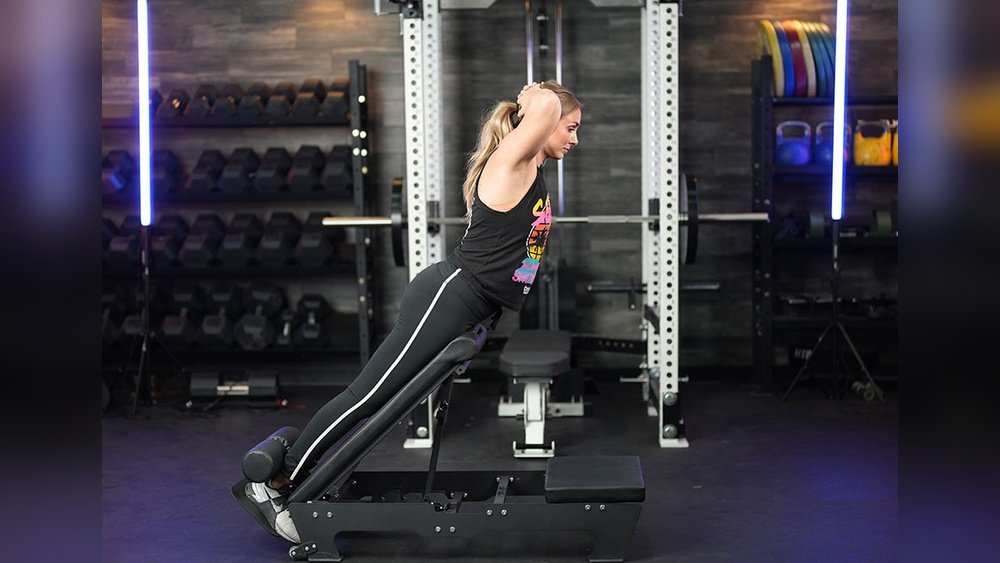
Hyperextension benches have a padded support for your hips and thighs. They include a footrest to keep your legs stable. The bench is adjustable to fit different body sizes.
The angle of the bench lets you control the stretch and contraction. This helps prevent overstretching and injury. The sturdy frame ensures safety during exercises.
Targeted Muscle Groups
These benches mainly work the lower back muscles, called the erector spinae. They also engage the glutes and hamstrings. These muscles help keep the spine aligned and strong.
Strengthening these groups improves posture and reduces pressure on spinal discs. This support lowers the chance of lower back pain. It also enhances balance and stability in daily movements.
Benefits For Lower Back Health
Hyperextension benches offer many benefits for lower back health. They target muscles that support the spine. Regular use helps reduce pain and stiffness. These benches focus on key areas like the core, flexibility, and posture. Each plays a role in preventing lower back problems.
Strengthening The Core
Strong core muscles protect the lower back. Hyperextension benches work the lower back and abdominal muscles. This balance reduces pressure on the spine. A solid core supports everyday movements with less strain. Strengthening these muscles helps prevent injuries and pain.
Improving Flexibility
Flexibility keeps the lower back healthy and mobile. Hyperextension exercises stretch the spine gently. This increases the range of motion and reduces stiffness. Flexible muscles and ligaments absorb shocks better. Better flexibility lowers the chance of muscle pulls and spasms.
Enhancing Posture
Good posture relieves stress on the lower back. Hyperextension benches encourage proper spinal alignment. They help correct slouching and poor sitting habits. Improved posture reduces muscle tension and fatigue. This support decreases the risk of chronic back pain.
Preventing Lower Back Pain
Lower back pain affects many people worldwide. Preventing it is key to living a healthy life. Hyperextension benches offer a way to support the lower back. They help strengthen muscles and improve posture. This section explains how these benches help prevent lower back pain.
Reducing Muscle Imbalances
Muscle imbalances often cause lower back pain. Some muscles become too tight, while others weaken. Hyperextension benches target the lower back and core muscles. They help balance muscle strength. Balanced muscles reduce strain on the spine. This lowers the chance of pain and injury.
Supporting Spinal Alignment
Proper spinal alignment is important for back health. Poor posture puts pressure on the spine. Hyperextension benches encourage correct posture during exercise. They train the muscles to hold the spine straight. This support helps prevent misalignment. A well-aligned spine reduces stress and discomfort.
Increasing Endurance
Endurance in back muscles keeps the spine stable. Weak muscles tire quickly and cause pain. Using hyperextension benches builds muscle endurance. Stronger muscles support the spine longer. This support helps avoid fatigue-related pain. Increasing endurance protects the lower back daily.
Proper Use And Techniques
Using a hyperextension bench correctly is key to preventing lower back pain. Proper techniques reduce injury risk and improve muscle strength. Focus on form and control rather than speed or heavy load. Learning the basics ensures safe and effective workouts.
Starting Safely
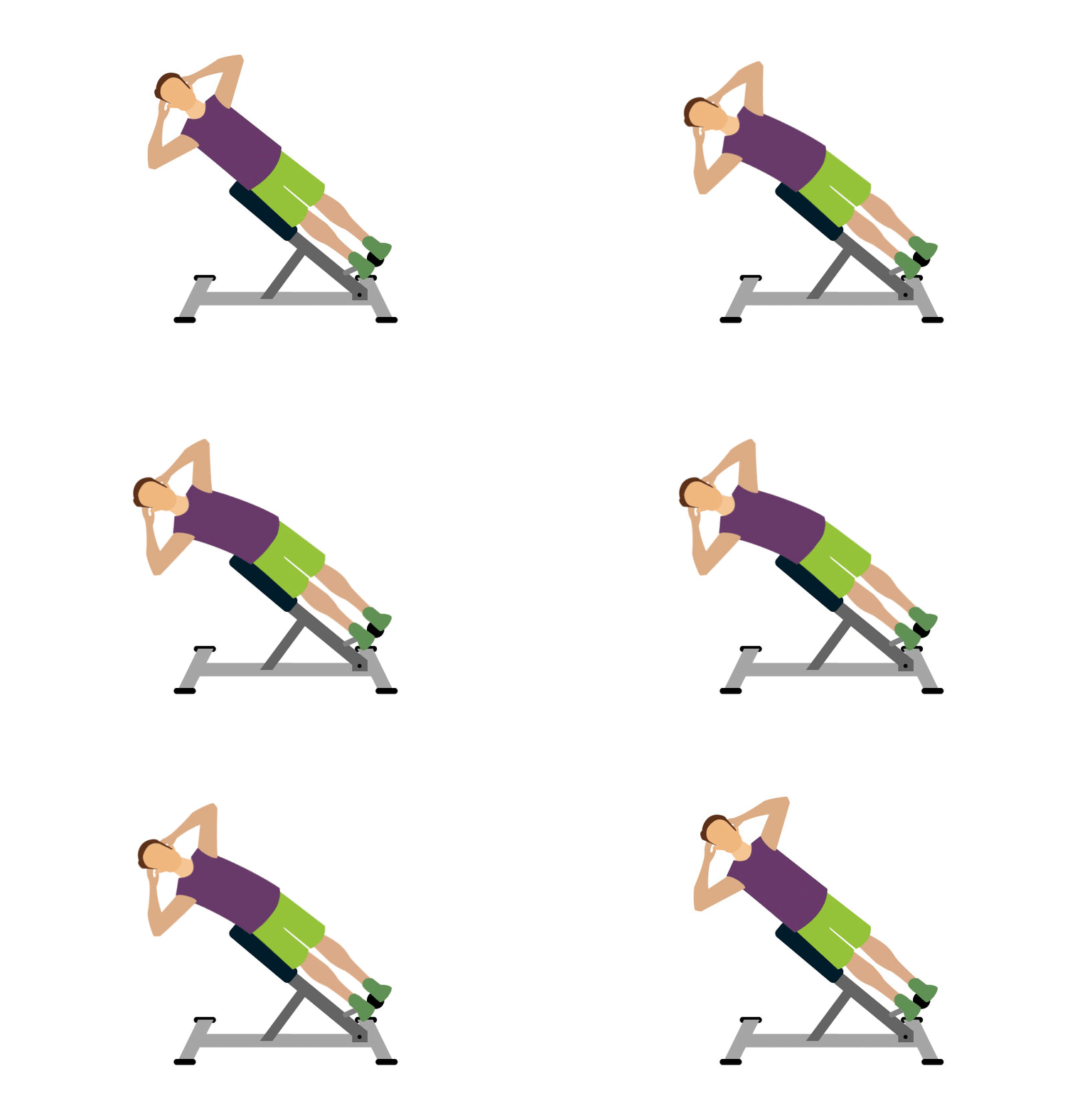
Begin with a low angle on the bench. Keep your body straight and avoid arching too much. Slowly lower your upper body until you feel tension in your lower back. Use your glutes and hamstrings to raise your body back up. Start with a few repetitions to build strength.
Common Mistakes To Avoid
Avoid hyperextending your back beyond a straight line. Do not jerk or use momentum to lift your body. Keep your neck aligned with your spine to prevent strain. Do not lock your knees; keep a slight bend. Overtraining can cause pain, so rest between sessions.
Progressing Your Routine
Add more repetitions as your strength improves. Increase the angle of the bench carefully for more challenge. Use light weights held to your chest for extra resistance. Track your progress and listen to your body’s signals. Gradual increases help build a stronger lower back.
Who Should Use Hyperextension Benches
Hyperextension benches can be helpful for many people, but not everyone should use them. Knowing who can benefit from these benches is important. Using the bench correctly can support your lower back and reduce pain. This section explains who should use hyperextension benches and when to seek advice from a professional.
Suitable Conditions
People with mild lower back pain may find relief with hyperextension benches. These benches help strengthen the muscles around the spine. Strong muscles can support the back and reduce strain. Those recovering from minor injuries might also benefit. They can improve flexibility and build muscle without heavy strain. Athletes and fitness enthusiasts use these benches to increase core strength. Beginners should start slowly and focus on proper form. Avoid using the bench if pain gets worse or if you feel discomfort during exercise.
When To Consult A Professional
Consult a doctor or physical therapist before using a hyperextension bench. This is important if you have serious back problems or injuries. People with herniated discs or severe pain should get advice first. A professional can suggest safe exercises tailored to your needs. They can also teach correct bench use to avoid injury. If unsure about your condition, seek help before starting any new workout. Professional guidance ensures you do exercises safely and effectively.
Comparing Alternatives
Choosing the right method to strengthen your lower back matters. Many options exist beyond the hyperextension bench. Comparing these helps find what suits your needs and comfort best.
Other Back Strengthening Exercises
Bodyweight exercises like bridges and bird-dogs target the lower back well. They improve strength without extra gear. Deadlifts and kettlebell swings also build back muscles. These exercises engage multiple muscle groups for better support. They require proper form to avoid injury. Pilates and yoga can increase flexibility and core strength. Stronger core muscles support the lower back and reduce pain risk.
Equipment Options
Besides hyperextension benches, stability balls work well for back exercises. They challenge balance and strengthen core muscles. Resistance bands offer gentle, adjustable tension for back workouts. Adjustable weight machines target the lower back with controlled movements. Free weights like dumbbells allow varied exercises to build strength. Choosing equipment depends on space, budget, and fitness level.
Real User Experiences
Many people share their experiences using hyperextension benches to ease lower back pain. These benches target the muscles that support your spine. Users often report changes in pain levels and mobility after regular use. Real stories reveal both positive outcomes and some difficulties faced. Reading these can help you understand what to expect.
Success Stories
Several users say hyperextension benches helped reduce their back pain. They feel stronger in their lower back and core. Some noticed less stiffness and better posture after a few weeks. Regular use seemed to improve their daily comfort. Users also mention fewer visits to their doctors or therapists. The bench helped them stay active without pain holding them back.
Challenges Faced
Not all experiences were easy. Some users found it hard to use the bench correctly at first. Incorrect form sometimes caused discomfort or strain. A few people felt soreness after the first sessions. It took time for their bodies to adjust to the new exercise. Some users wished for better instructions or guidance. Patience and care are needed to avoid injury.

Maintenance And Safety Tips
Maintaining and using a hyperextension bench safely is key to preventing lower back pain. Proper care keeps the bench stable and effective for workouts. Following safety tips reduces the risk of injury during exercises. This section covers important steps to keep your bench in good shape and your body protected.
Bench Care
Clean the bench regularly to remove sweat and dust. Use a soft cloth and mild cleaner to avoid damage. Check bolts and screws often. Tighten any loose parts to keep the bench steady. Store the bench in a dry place. Avoid damp areas to prevent rust and wear. Inspect padding for cracks or tears. Replace worn padding to keep comfort and support.
Injury Prevention
Warm up before using the bench to prepare your muscles. Start with light exercises to avoid strain. Use proper form during each movement. Keep your back straight and avoid jerking motions. Do not overextend beyond your comfort level. Stop if you feel pain or discomfort. Use slow, controlled motions for safety. Ask for help or guidance if unsure about technique.
Frequently Asked Questions
Can Hyperextension Benches Reduce Lower Back Pain?
Yes, hyperextension benches strengthen lower back muscles, improving stability. This support helps reduce pain and prevent future injuries.
How Often Should I Use A Hyperextension Bench?
Use a hyperextension bench 2-3 times weekly. Consistent, moderate use improves muscle strength without causing strain or injury.
Are Hyperextension Benches Safe For Lower Back Issues?
When used correctly, hyperextension benches are safe. Proper form and gradual progress help avoid aggravating existing back problems.
What Muscles Do Hyperextension Benches Target?
They primarily target the lower back, glutes, and hamstrings. Strengthening these muscles supports spinal health and reduces lower back pain.
Conclusion
Hyperextension benches can strengthen your lower back muscles. Strong muscles support the spine and reduce pain. Regular use improves posture and flexibility too. Always use the bench with correct form and care. Consult a doctor before starting any new exercise.
Consistency matters more than intensity for lasting results. A healthy back means better daily comfort and movement. Try adding hyperextension exercises to your routine slowly. Small changes can lead to big improvements over time.
