Are you struggling with a weak lower back or persistent discomfort? You might have heard about the Roman chair as a tool to build stronger back muscles.
But can it really make a difference for you? Understanding how this simple piece of equipment works could be the key to improving your posture, reducing pain, and boosting your overall strength. Keep reading to discover how the Roman chair targets your lower back and whether it’s the right choice for your fitness routine.
Roman Chair Basics
The Roman chair is a popular tool for building back strength. It targets the lower back muscles and helps improve posture. Many fitness enthusiasts use it to support spinal health and reduce back pain. Understanding its basics can help you use it correctly and safely.
What Is A Roman Chair
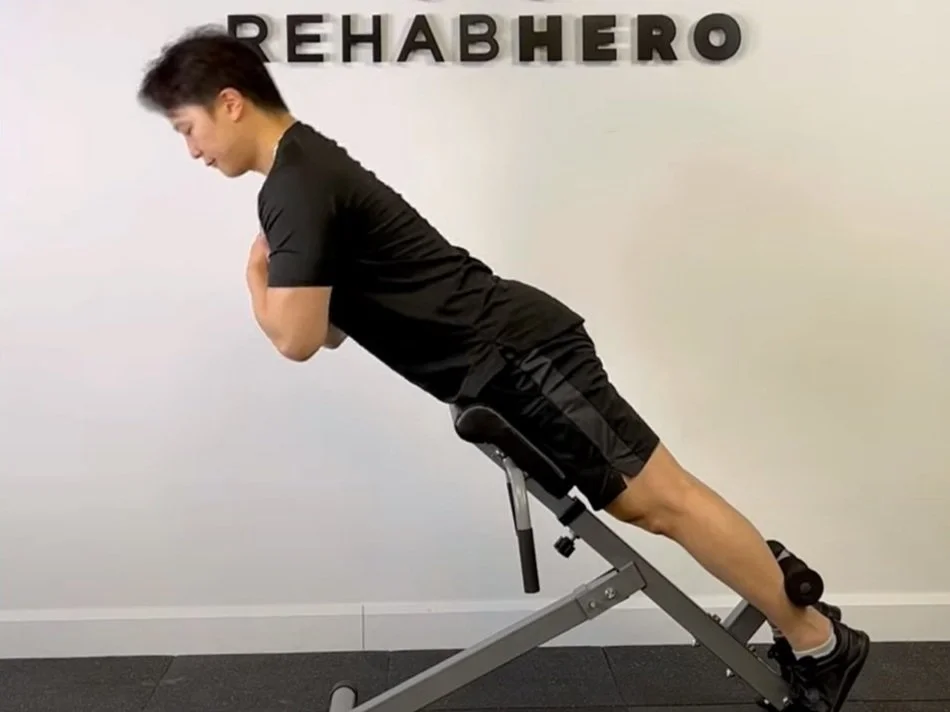
A Roman chair is a piece of gym equipment. It supports your body while you perform exercises. It mainly helps strengthen the lower back, glutes, and hamstrings. The chair has padded supports for your hips and legs. You bend forward or backward while keeping your body steady. This action works your lower back muscles effectively.
Types Of Roman Chairs
There are several types of Roman chairs. The most common is the hyperextension bench. It allows you to bend at the waist safely. Some models include handles and footrests for extra support. Another type is the Roman chair sit-up bench, used for abdominal exercises. Choose a type that fits your fitness goals and space.
How To Use A Roman Chair
Start by adjusting the pads to fit your body. Place your hips on the support and secure your feet. Keep your back straight and bend slowly at the waist. Lower your upper body and then raise it to the start. Do the movement with control to avoid injury. Begin with a few repetitions and increase as you get stronger.
Lower Back Muscle Anatomy
The lower back muscles form a crucial part of the body’s support system. They protect the spine and allow for movement. These muscles work together to keep the back strong and flexible. Understanding their anatomy helps in knowing how exercises, like the Roman chair, can strengthen them.
The lower back is made up of several key muscles. Each plays a unique role in posture and movement. Strengthening these muscles can reduce pain and improve daily function.
Key Muscles Targeted
The main muscles in the lower back include the erector spinae group. These muscles run along the spine and help with extending the back. The multifidus muscles lie deeper and stabilize the spine during movement. The quadratus lumborum supports side bending and helps keep the pelvis steady. Exercises using a Roman chair mainly work these muscles by creating resistance during back extension movements.
Role In Posture And Movement
Lower back muscles keep the spine aligned and upright. They stop the torso from collapsing forward. These muscles also allow bending, twisting, and lifting motions. Strong lower back muscles lessen the risk of injury during daily activities. They help maintain good posture, which reduces strain on other body parts. Regularly strengthening these muscles supports overall back health and mobility.
Benefits For Lower Back Strength
Using a Roman chair can bring many benefits to your lower back muscles. It targets key areas to build strength and reduce pain. Strong lower back muscles support better posture and daily movement. A Roman chair helps work on these muscles safely and effectively. Here are some key benefits for lower back strength.
Muscle Activation And Growth
The Roman chair activates muscles in the lower back and core. It focuses on the erector spinae, which runs along the spine. This activation helps muscles grow stronger over time. Regular use leads to increased muscle size and endurance. Strong muscles protect the spine from injury and strain.
Improved Stability And Support
Stronger lower back muscles improve overall body stability. This support helps balance the spine during movement. It lowers the risk of falls and injuries. Better stability makes daily tasks easier and safer. Using a Roman chair strengthens muscles that hold the spine steady.
Enhanced Flexibility And Mobility
The Roman chair also helps improve flexibility in the lower back. It encourages gentle stretching during exercises. This stretching reduces stiffness and increases movement range. Better flexibility means less pain during bending or twisting. It supports a more active and comfortable lifestyle.
Scientific Studies And Evidence
Scientific studies help us understand if a Roman chair strengthens lower back muscles. Research uses tests and data to show real effects on muscle health. This section reviews key findings from science about muscle gains and injury prevention with this equipment.
Research On Muscle Strength Gains
Several studies tested how Roman chair exercises impact lower back strength. Results show regular use can improve muscle endurance and power. The Roman chair targets the erector spinae, the main muscle group in the lower back. Participants who trained with the Roman chair showed better muscle tone and strength over weeks. These exercises also help balance muscles around the spine, which supports better posture. The controlled movement on the Roman chair creates tension that builds muscle effectively.
Injury Prevention Insights
Research suggests Roman chair workouts may reduce lower back injury risk. Stronger muscles support the spine and reduce strain during daily activities. Studies report fewer back pain cases in people who train with this equipment. The Roman chair promotes safe movement patterns, improving stability and flexibility. It also helps correct muscle imbalances that cause pain or injury. By strengthening the lower back, the Roman chair can protect against common injuries.
Effective Exercises On A Roman Chair
The Roman chair is a simple tool for strengthening the lower back and core muscles. It supports your body while you do targeted exercises. These exercises improve endurance and reduce back pain risk. Using the Roman chair regularly can make your lower back stronger and more flexible.
Back Extensions
Back extensions are a key exercise on the Roman chair. You position yourself face down with your hips on the pad. Slowly bend forward at the waist, then lift your upper body back up. This motion works the lower back muscles deeply. Start with a few reps and increase gradually.
Side Bends
Side bends target the oblique muscles along your sides. Sit sideways on the Roman chair with your hips supported. Lower your upper body to one side, then lift it back up. This exercise improves side flexibility and strengthens the core. Keep your movements slow and controlled.
Glute Raises
Glute raises focus on the buttock muscles, which support the lower back. Lie face down on the Roman chair with your hips at the edge. Lift one leg up while keeping it straight, then lower it. Repeat with the other leg. This exercise helps improve posture and back strength.
Safety Tips And Common Mistakes
Using a Roman chair can strengthen your lower back muscles effectively. Safety matters most to avoid pain or injury. Knowing common mistakes helps you train better and safer. Focus on proper form and avoid overuse injuries to get good results.
Proper Form And Technique
Keep your body straight and avoid arching your back too much. Use slow, controlled movements to protect your spine. Do not jerk or bounce during exercises. Keep your hips steady and your core tight. Stop if you feel sharp pain or discomfort. Good form reduces strain and boosts muscle strength.
Avoiding Overuse Injuries
Do not exercise your lower back every day. Give your muscles time to rest and recover. Overworking can cause soreness and long-term damage. Start with few repetitions and increase gradually. Listen to your body and avoid pushing too hard. Balance your workout with stretching and other exercises for overall health.
Complementary Workouts For Lower Back
Strengthening the lower back requires more than just one exercise. The Roman chair can help, but combining workouts gives better results. Complementary workouts target muscles around the lower back. This approach improves strength and reduces injury risk. The following sections cover key exercises to support lower back health.
Core Strengthening Moves
Strong core muscles support the lower back. Exercises like planks and bird-dogs work well. They engage the abs, hips, and lower back together. This balance helps stabilize the spine during movement. Core training also improves posture and prevents strain.
Stretching Routines
Stretching keeps muscles flexible and reduces tightness. Focus on hamstrings, hip flexors, and lower back stretches. Gentle yoga poses, such as child’s pose and cat-cow, ease tension. Regular stretching improves motion and lowers pain chances.
Cardio And Conditioning
Cardio workouts boost blood flow and endurance. Walking, swimming, or cycling are easy on the back. These activities help maintain a healthy weight too. Better conditioning supports all muscles involved in back health.

Frequently Asked Questions
What Muscles Does A Roman Chair Target?
A Roman chair primarily strengthens the lower back, glutes, and hamstrings. It also engages the core muscles, improving overall stability and posture.
How Often Should I Use A Roman Chair?
Use a Roman chair 2-3 times per week. Allow rest days between sessions to avoid muscle strain and promote recovery.
Is The Roman Chair Safe For Lower Back Pain?
When used correctly, a Roman chair can help reduce lower back pain. Always start slowly and consult a healthcare professional if unsure.
Can Beginners Effectively Use A Roman Chair?
Yes, beginners can use a Roman chair. Start with low repetitions and focus on proper form to prevent injury and build strength.
Conclusion
A Roman chair can help build lower back muscles safely. It targets key muscles that support your spine. Using it regularly may improve posture and reduce pain. Start with low intensity and increase slowly. Always keep good form to avoid injuries.
Combine exercises for balanced strength and flexibility. Consistency matters more than quick results. Strengthening your lower back aids daily activities and overall health. Give it time and stay patient. Your back will thank you later.
