Ice climbing is an adventure that draws people to frozen waterfalls, icy cliffs, and snow-packed mountains. For many, it’s not just a sport—it’s a test of skill, strength, and courage in one of nature’s toughest environments. But what exactly is ice climbing, and how do climbers manage to scale walls of ice with safety and style?
Let’s explore the world of ice climbing, from its basics to the technical details, gear, and techniques that make this extreme sport both challenging and rewarding.

Today's Exclusive Deals
Limited-time Exclusive Deals. Check current discount on Amazon.
Check Price on Amazon As an Amazon Associate I earn from qualifying purchases.What Is Ice Climbing?
Ice climbing is the act of ascending inclined ice formations using special tools and techniques. Unlike rock climbing, which focuses on solid stone, ice climbing involves frozen waterfalls, ice-covered rock faces, and sometimes even glaciers. The ice can be vertical, overhanging, or angled, and it changes texture with weather and temperature.
Climbers rely on two main tools: ice axes and crampons. These allow them to grip and step into the ice, creating a path upward. The environment is often cold, unpredictable, and physically demanding. Climbers need to understand not only climbing methods but also how ice forms, breaks, and melts.
Types Of Ice Climbing
Ice climbing is not a single style. There are several main types, each with its own challenges and attractions.
Waterfall Ice Climbing
This is the most common type, where climbers ascend frozen waterfalls. The ice is often thick, blue, and vertical. Waterfall ice can be reliable in cold regions but changes with temperature. Safety depends on reading the ice, as conditions can shift quickly.
Alpine Ice Climbing
Alpine ice forms high in the mountains, usually from compacted snow that has frozen hard over time. Climbers often need to approach on foot or skis, carrying all their equipment. Alpine ice can be less steep but covers long distances and may be affected by weather changes and avalanches.
Mixed Climbing
Mixed climbing combines both ice and rock sections. Climbers move between frozen and rocky parts, using their tools for both. This style requires versatile skills and strong technical ability, as techniques for each surface are different.
Glacier Climbing
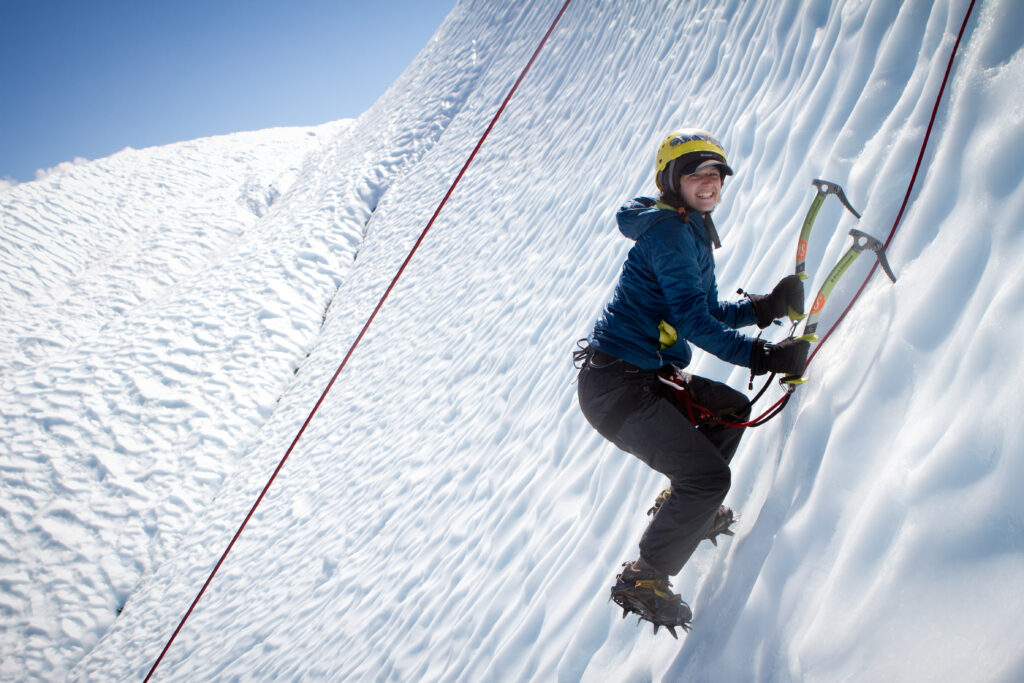
Here, climbers ascend or cross glaciers, which are large, slow-moving rivers of ice. Glacier climbing often focuses more on navigation, crevasse safety, and endurance than on technical climbing.
Essential Gear For Ice Climbing
Climbing ice safely requires specialized equipment. Each piece of gear has a specific purpose, and using the wrong tool can be dangerous.
Ice Axes
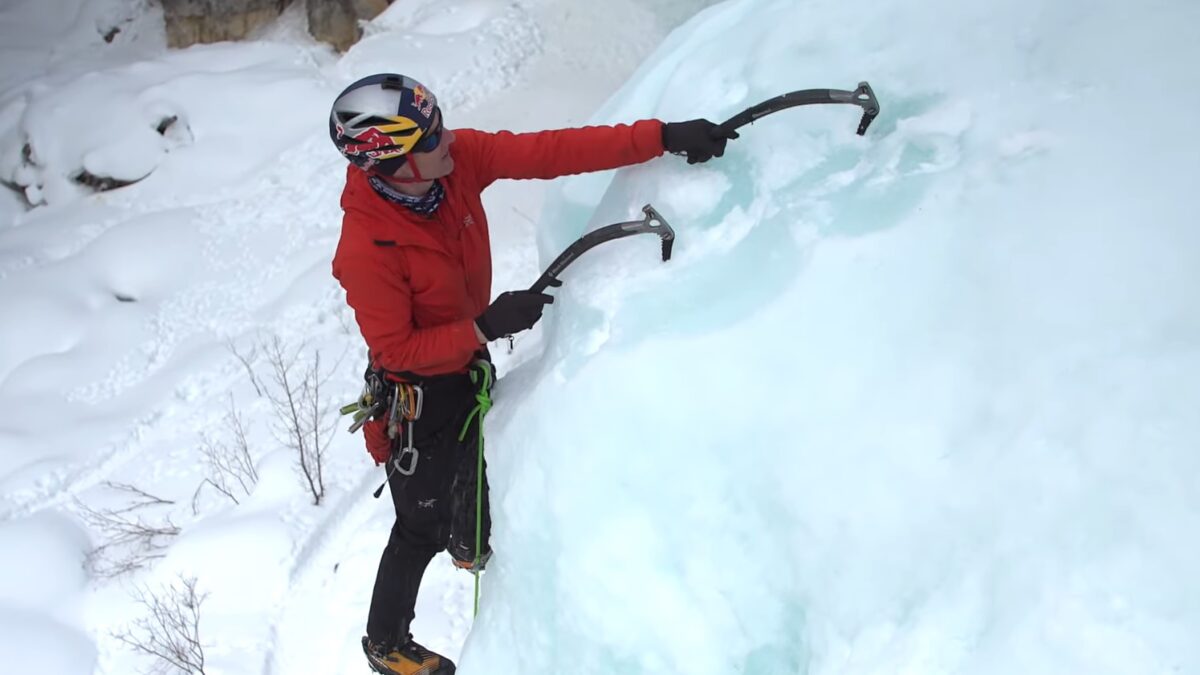
Ice axes are short, strong tools with a sharp pick at one end and a spike at the other. They are used to hook into the ice for both balance and upward movement. Some axes are curved for steep climbing, while others are straight for general use.
Crampons
Crampons are metal frames with sharp points that strap onto climbing boots. They allow climbers to kick into the ice and stand securely. There are different types of crampons, such as step-in, hybrid, and strap-on, chosen based on the boots and style of climbing.
Ice Screws
Ice screws are hollow, threaded metal tubes that climbers twist into the ice to create anchor points. These are used for both protection during a climb and for belaying (securing the rope).
Climbing Ropes
Dynamic ropes are essential for ice climbing. They stretch to absorb the force of a fall, reducing the risk of injury. The length and thickness of the rope depend on the climb’s length and the number of climbers.
Harnesses And Helmets
Harnesses secure the climber to the rope, while helmets protect from falling ice and gear. Both are mandatory for safety.
Clothing
Layering is critical. Climbers use moisture-wicking base layers, insulating mid-layers, and waterproof shells. Gloves must be warm but allow enough dexterity to grip tools.
Other Essentials
Carabiners, quickdraws, belay devices, and avalanche safety gear (like beacons and probes) are also important, especially in remote or alpine areas.
Here’s a summary of basic ice climbing gear:
| Gear | Main Purpose | Key Consideration |
|---|---|---|
| Ice Axe | Uphill movement, balance | Pick shape, shaft length |
| Crampons | Foot grip on ice | Compatibility with boots |
| Ice Screws | Protection/anchors | Length, thread quality |
| Rope | Fall protection | Dynamic vs. static |
| Helmet | Head protection | Fit, weight |
Basic Techniques In Ice Climbing
Climbing ice is not just about brute strength. Technique plays a bigger role than many beginners realize.
Swinging The Ice Axe
The climber swings the axe above their head to plant the pick into the ice. The goal is to place it securely with minimum effort, so the pick sticks without shattering the ice. Over-swinging is a common mistake; it tires the arms and cracks the ice.
Kicking With Crampons
Climbers kick the front points of their crampons into the ice to create footholds. The kick should be controlled and precise, not too hard. Good footwork reduces upper body fatigue and increases safety.
Body Position
Keeping the body close to the ice helps balance. The climber’s hips and knees stay in, arms are slightly bent, and weight is distributed between hands and feet. Standing tall and trusting your feet is more efficient than hanging from your arms.
Using Ice Screws
Ice screws must be placed in solid, unbroken ice. Climbers clear away loose surface ice before inserting the screw. The rope is then clipped to the screw for protection.
Belaying
As in rock climbing, one person climbs while the other manages the rope from below (the belayer). The belayer must be ready for falling ice and stay protected.

How Does Ice Climbing Work? The Process Step-by-step
Climbers follow a series of steps when tackling an ice climb. Each part of the process requires planning and attention to detail.
1. Approach And Preparation
Climbers hike to the base of the ice. They assess the ice’s quality, temperature, and potential hazards. Good ice is clear and solid; bad ice is brittle, hollow, or covered in snow.
2. Gear Setup
Climbers put on crampons, harnesses, and helmets. They organize ice screws, axes, and other gear for easy access. A final check ensures everything is secure.
3. Route Planning
The lead climber chooses a path up the ice, looking for solid sections and natural rests. They plan where to place protection and how to avoid weak or dangerous spots.
4. Climbing
The lead climber ascends, placing ice screws every few meters for protection. The second climber (the follower) belays from below, feeding rope as needed. If the leader falls, the rope catches them.
5. Anchor Building
At the top of a section, the lead climber builds an anchor using ice screws or fixed gear. This anchor must be strong enough to hold both climbers in case of a fall.
6. Belaying Up
The follower climbs up, removing ice screws and gear. Both climbers then prepare for the next pitch, or they descend if the climb is finished.
7. Descent
Climbers usually descend by rappelling (sliding down the rope) or walking off if there’s a safe path down.
Risks And Safety In Ice Climbing
Ice climbing is dangerous, but understanding the risks helps climbers stay safe.
Falling Ice
Ice can break off without warning. Climbers must watch for cracks and listen for hollow sounds. Helmets reduce the risk of head injuries.
Changing Conditions
Ice changes with weather. Warm temperatures can weaken ice, while cold snaps make it brittle. Climbers must be ready to adjust plans or retreat if conditions are unsafe.
Falls
Falls on ice can be severe. Protection (like ice screws) is less reliable than on rock. Proper technique and good communication between climbers are critical.
Cold Injuries
Frostbite and hypothermia are real dangers. Climbers dress in layers, keep moving, and watch each other for signs of cold-related problems.
Avalanches
In alpine areas, avalanches can occur. Checking forecasts and carrying avalanche gear is essential.
Here’s a comparison of ice and rock climbing risks:
| Risk | Ice Climbing | Rock Climbing |
|---|---|---|
| Falling Debris | High (ice chunks) | Moderate (rocks) |
| Anchor Strength | Variable (ice screws) | High (bolts/trad gear) |
| Cold Injuries | High | Low |
| Changing Conditions | Very High | Medium |
Training And Skills Needed
Ice climbing requires more than physical strength. Here’s what you need to develop:
- Fitness: Strong legs, arms, and core are crucial. Endurance is more important than pure power.
- Technique: Good axe swings, precise footwork, and efficient movement save energy and reduce risk.
- Ice Reading: Knowing how to judge ice quality, spot hazards, and choose safe routes is key.
- Rope Skills: Belaying, rappelling, and anchor building are essential for safety.
- Cold Management: Understanding how to stay warm and dry, manage sweat, and prevent frostbite.
Many climbers start with guided courses or climb with experienced partners. Practicing on easier climbs before tackling harder routes is the smart way to learn.
Where To Try Ice Climbing
Some of the world’s best ice climbing can be found in Canada, the USA, Europe, and Asia. Popular spots include:
- Ouray Ice Park (Colorado, USA): A man-made climbing area with hundreds of routes.
- Banff National Park (Canada): Offers both waterfall and alpine ice.
- Rjukan (Norway): Known for reliable ice and easy access.
- Chamonix (France): Classic alpine ice climbing in the shadow of Mont Blanc.
Many climbing gyms now offer simulated ice walls or dry-tooling areas for practice.
Common Beginner Mistakes
Ice climbing can be intimidating, and beginners often make a few key errors:
- Over-gripping the axes: This wastes energy and leads to arm fatigue.
- Poor footwork: Not trusting crampons or kicking too hard reduces efficiency.
- Ignoring conditions: Climbing on unsafe ice or in bad weather is risky.
- Inadequate clothing: Getting too cold or wet ends climbs early and increases danger.
- Skipping training: Not learning proper anchor building and rope skills puts everyone at risk.
The Unique Appeal Of Ice Climbing
Many ask why people are drawn to this icy, demanding sport. For climbers, it’s the combination of physical challenge, technical skill, and the beauty of frozen landscapes. The ice is always changing, so every climb is unique. There’s also a strong sense of partnership and trust, as climbers rely on each other for safety.
One non-obvious insight: Ice climbing is as much about mental control as physical skill. Keeping calm when the ice cracks beneath you or your arms get tired is what separates experienced climbers from beginners.
Another insight: The best climbers spend as much time studying the ice and planning as they do actually climbing. Preparation and observation are often more important than strength.
For more in-depth details, you can visit the Wikipedia page on ice climbing.
Frequently Asked Questions
What Is The Difference Between Ice Climbing And Rock Climbing?
Ice climbing uses tools like ice axes and crampons to ascend frozen surfaces, while rock climbing involves climbing natural or artificial rock faces using hands and feet. The gear, techniques, and risks are different for each sport.
How Dangerous Is Ice Climbing Compared To Other Climbing Sports?
Ice climbing carries higher risks due to falling ice, changing conditions, and weaker anchors. However, with proper training, equipment, and judgment, many risks can be managed. It’s important to learn from experienced climbers.
Can Beginners Try Ice Climbing?
Yes, but beginners should start with guided instruction, easy routes, and proper gear. Learning technique and safety from professionals makes the experience safer and more enjoyable.
What Is The Best Time Of Year For Ice Climbing?
Ice climbing season depends on location but usually runs from late autumn to early spring. The best conditions are cold, stable weather with thick, solid ice.
Do You Need To Be Very Strong To Ice Climb?
While strength helps, technique and endurance are more important. Many successful ice climbers rely on good movement skills and efficient use of gear rather than raw power.
Ice climbing is a remarkable mix of adventure, skill, and beauty. With the right preparation and respect for the environment, it offers some of the most memorable experiences in the world of climbing. Whether you’re a beginner or a seasoned mountaineer, the frozen world awaits those willing to learn and push their limits.