
Ice climbing stands out as one of the most exciting and challenging winter sports. Imagine yourself on a frozen waterfall, ice axe in one hand, crampons on your boots, and the sound of your own breath echoing in the cold air.
But before you can climb vertical ice, you need specific training—much more than just regular gym workouts. Many beginners are surprised at how different ice climbing feels compared to rock climbing or hiking. Let’s explore everything you need to know about how to train for ice climbing, from physical preparation to technical skills, mental strength, and mistakes to avoid.

Today's Exclusive Deals
Limited-time Exclusive Deals. Check current discount on Amazon.
Check Price on Amazon As an Amazon Associate I earn from qualifying purchases.Understanding Ice Climbing
Ice climbing is about ascending frozen water features such as waterfalls, cliffs, or ice-covered rock faces. You use ice axes, crampons, ropes, and protective gear. Unlike rock climbing, the surface changes constantly. Ice can be brittle, wet, or soft, and you need to adjust with every move. Training for ice climbing is unique because it blends strength, balance, technical skill, and mental toughness.
Building Physical Strength For Ice Climbing
To succeed in ice climbing, you need a combination of upper body strength, core stability, and leg power. Each muscle group plays a role in helping you move safely and efficiently.
Upper Body
Your arms, shoulders, and back do much of the work when swinging ice axes and holding your body weight. Focus on:
Today's Exclusive Deals
Limited-time Exclusive Deals. Check current discount on Amazon.
Check Price on Amazon As an Amazon Associate I earn from qualifying purchases.- Pull-ups: Classic exercise for grip and arm strength.
- Dead hangs: Hang from a bar as long as possible to build endurance.
- Lat pulldowns: Train your back and shoulders for powerful swings.
Core
A strong core helps you stay balanced and avoid swinging wildly with each move.
- Planks: Hold for 1-2 minutes.
- Leg raises: Strengthen lower abs for high steps.
- Russian twists: Improve stability when twisting your body.
Legs
Legs push you upward. Many climbers forget that legs should do most of the work.
- Squats and lunges: For strong quads and glutes.
- Step-ups: Mimic the stepping motion on ice.
- Calf raises: Prevent fatigue when standing on small crampon points.
Sample Weekly Training Plan
| Day | Focus | Main Exercises |
|---|---|---|
| Monday | Upper body | Pull-ups, dead hangs, push-ups |
| Tuesday | Legs | Squats, lunges, calf raises |
| Wednesday | Core | Planks, leg raises, Russian twists |
| Thursday | Cardio | Running or cycling (30-45 mins) |
| Friday | Full body | Mixed exercises, practice swings |
This plan helps you build a strong base, but remember to adjust according to your own fitness level.
Today's Exclusive Deals
Limited-time Exclusive Deals. Check current discount on Amazon.
Check Price on Amazon As an Amazon Associate I earn from qualifying purchases.Grip Strength And Endurance
Grip strength is critical in ice climbing. You need to hold onto ice axes for long periods, sometimes in freezing conditions. Most beginners underestimate how quickly their hands and forearms tire.
Try these methods:
- Farmer’s walks: Carry heavy dumbbells and walk for distance.
- Wrist curls: Use a barbell or dumbbell to train forearms.
- Hang board training: If you can access a climbing gym, hang from different grips.
A smart tip: Practice with gloves similar to your ice climbing gloves. This helps you get used to the bulky feeling and keeps your hands warm.
Cardiovascular Fitness
Climbing at high altitude or in cold weather is tiring. You need good cardio fitness so you don’t get winded halfway up. Regular running, cycling, or hiking is good, but also try to include:
- Interval training: Short bursts of high effort followed by rest.
- Stair climbing: Builds leg strength and endurance.
A common mistake is to focus only on muscle strength and forget about cardio. Ice climbing days are long, and your heart and lungs must keep up.
Technical Skills And Practice
No matter how fit you are, ice climbing has specific techniques you must master.
Using Ice Tools
Learning to swing ice axes efficiently saves energy. You should:
- Aim for small, precise swings—not wild, hard hits.
- Practice keeping your elbow high and using your whole body.
- Work on placing the pick securely in the ice.
Footwork With Crampons
Good footwork is even more important than strong arms. Key points:
- Place your feet flat, using the front points of your crampons.
- Keep your heels down to avoid calf fatigue.
- Practice “French technique” (flat-footing) and “front-pointing.”
Climbing Movement
Efficient movement on ice is different from rock climbing. Try to:
- Keep your hips close to the ice.
- Move one tool or foot at a time for stability.
- Rest often by straightening your arms.
Practicing On Easy Terrain
Before tackling hard climbs, practice on gentle, low-angle ice. This builds confidence and lets you focus on technique instead of fighting gravity.
Mental Preparation And Focus
Ice climbing can be intimidating. The cold, the exposure, and the unknowns can all affect your mind. Mental training is as important as physical training.
- Visualization: Picture your moves before you climb.
- Positive self-talk: Remind yourself of your skills and progress.
- Breathing exercises: Calm your nerves before and during climbs.
Many climbers freeze up when faced with steep sections. Practicing mindfulness can help you stay relaxed and make better decisions.
Flexibility And Mobility
Stiff muscles can make it hard to reach with your axe or lift your foot high enough. Regular stretching improves your range of motion and helps prevent injury.
- Dynamic stretching: Leg swings, arm circles before climbing.
- Static stretching: Hold stretches for calves, hamstrings, shoulders after workouts.
- Yoga or mobility drills: These routines add flexibility and balance.
Don’t ignore flexibility—tight hips or shoulders can limit your movement on steep ice.
Gear Familiarity And Practice
Knowing your ice climbing gear inside and out is vital. Before you climb outdoors, spend time practicing with your equipment.
Key Items
- Ice axes and leashes
- Crampons
- Mountaineering boots
- Helmet
- Harness and rope
- Ice screws and quickdraws
Practice putting on your harness, adjusting crampons, and swinging axes at home or in a gym. This reduces fumbling and boosts your confidence.
Layering For Cold Weather
Ice climbing means spending hours in freezing temperatures. Learn to dress in layers:
- Base layer: Wicks moisture (synthetic or wool).
- Insulation layer: Traps heat (fleece or down).
- Shell layer: Blocks wind and moisture (waterproof jacket).
Hands and feet get cold fast, so invest in good gloves and socks. Practice changing layers quickly, since weather can change fast.
Climbing With A Partner
Ice climbing is rarely done alone for safety reasons. Training with a partner helps you learn:
- Communication signals: Practice “on belay,” “climbing,” and other commands.
- Belaying: Learn to belay with gloves and in cold conditions.
- Rescue practice: Try simple rescue drills, like escaping the belay or assisting a partner.
A good partner can also give feedback on your technique and help you improve.
Simulated Training And Indoor Options
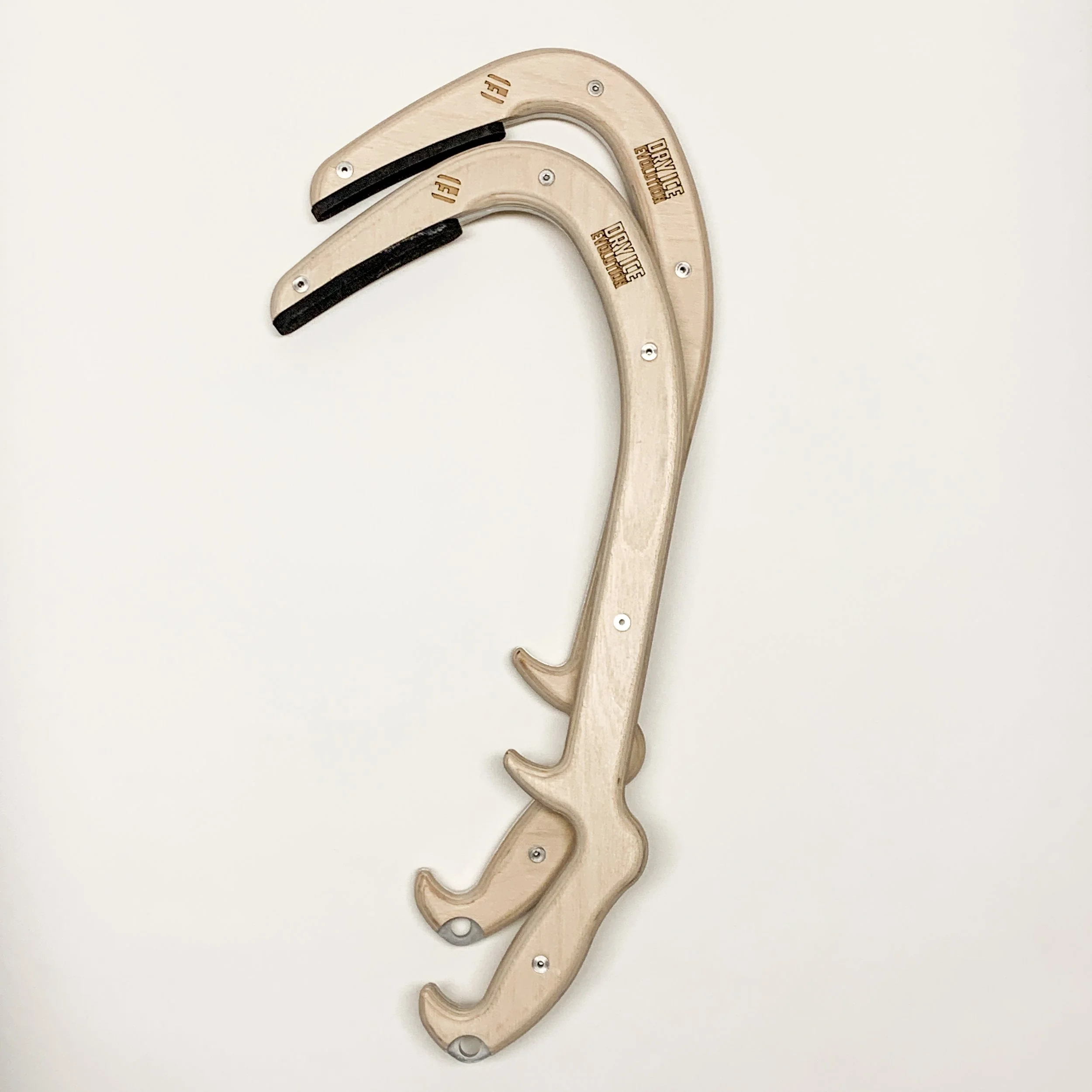
You don’t need to live in the mountains to start training. Many cities have climbing gyms with “dry tooling” areas—walls for using ice tools without actual ice.
- Dry tooling: Use ice axes on special holds to develop technique.
- Ice walls: Some gyms have real or artificial ice walls.
- Grip trainers: Small devices to train finger and hand strength.
Combine gym sessions with outdoor practice whenever possible. This keeps your skills sharp all year.
Nutrition And Recovery
Your body needs the right fuel to perform in extreme cold and after tough training sessions.
- Carbohydrates: For quick energy during climbs.
- Protein: Helps muscles recover and grow.
- Hydration: Cold weather can mask dehydration—drink water even if you’re not thirsty.
Recovery is easy to skip, but rest days help your muscles repair. Use foam rollers or massage for sore spots.
Common Mistakes Beginners Make
Even motivated climbers can miss important details. Here are two mistakes not often discussed:
- Ignoring small injuries: Sore shoulders, elbows, or fingers can become serious. Don’t push through pain—ice, stretch, and rest as needed.
- Not practicing in real conditions: It’s easy to train indoors but avoid cold, wet, or dark days. Get used to climbing in less-than-perfect weather, since real ice isn’t always ideal.
Tracking Your Progress
Setting goals and tracking your improvement helps you stay motivated and see results.
| Skill | Starting Point | Goal | Current Progress |
|---|---|---|---|
| Pull-ups | 3 reps | 10 reps | 6 reps |
| Plank hold | 40 sec | 2 min | 1 min 20 sec |
| Ice tool swings (per session) | 30 | 100 | 60 |
A simple notebook or phone app can help you keep track and celebrate small wins.
Safety And Avalanche Awareness
Ice climbing often takes place in areas with avalanche risk. Training should include:
- Basic avalanche safety: Learn about terrain, snowpack, and rescue techniques.
- Carrying safety gear: Beacon, probe, and shovel.
- Checking forecasts: Always check avalanche and weather conditions before heading out.
Many organizations offer avalanche courses, which are highly recommended for all climbers. For more details on avalanche safety, visit the American Avalanche Association.
Frequently Asked Questions
What Is The Best Age To Start Ice Climbing Training?
There is no strict age limit for starting ice climbing. Many begin in their 20s or 30s, but with good fitness and proper instruction, people in their 40s, 50s, or even older can learn safely.
How Long Does It Take To Get Good At Ice Climbing?
Most climbers need at least one full season of regular practice to feel comfortable on moderate routes. Progress depends on your fitness, how often you practice, and your background in other climbing sports.
Can I Train For Ice Climbing If I Live In A Warm Climate?
Yes, you can start with general fitness, grip strength, and dry tooling in climbing gyms. When possible, travel to colder areas for real ice practice.
What Are Some Signs Of Overtraining?
Common signs include fatigue that doesn’t go away with rest, frequent injuries, poor sleep, and lack of motivation. Listen to your body and include rest days in your plan.
Is Ice Climbing Dangerous?
All climbing has risks, but proper training, good gear, and learning about avalanche safety greatly reduce the danger. Climb with a partner, check conditions, and never take unnecessary risks.
Ice climbing rewards those who prepare well. With the right training, you can enjoy the thrill of climbing frozen waterfalls and create memories that last a lifetime. Focus on building your body, learning technique, and respecting the mountain environment, and you’ll be ready for your next icy adventure.

