
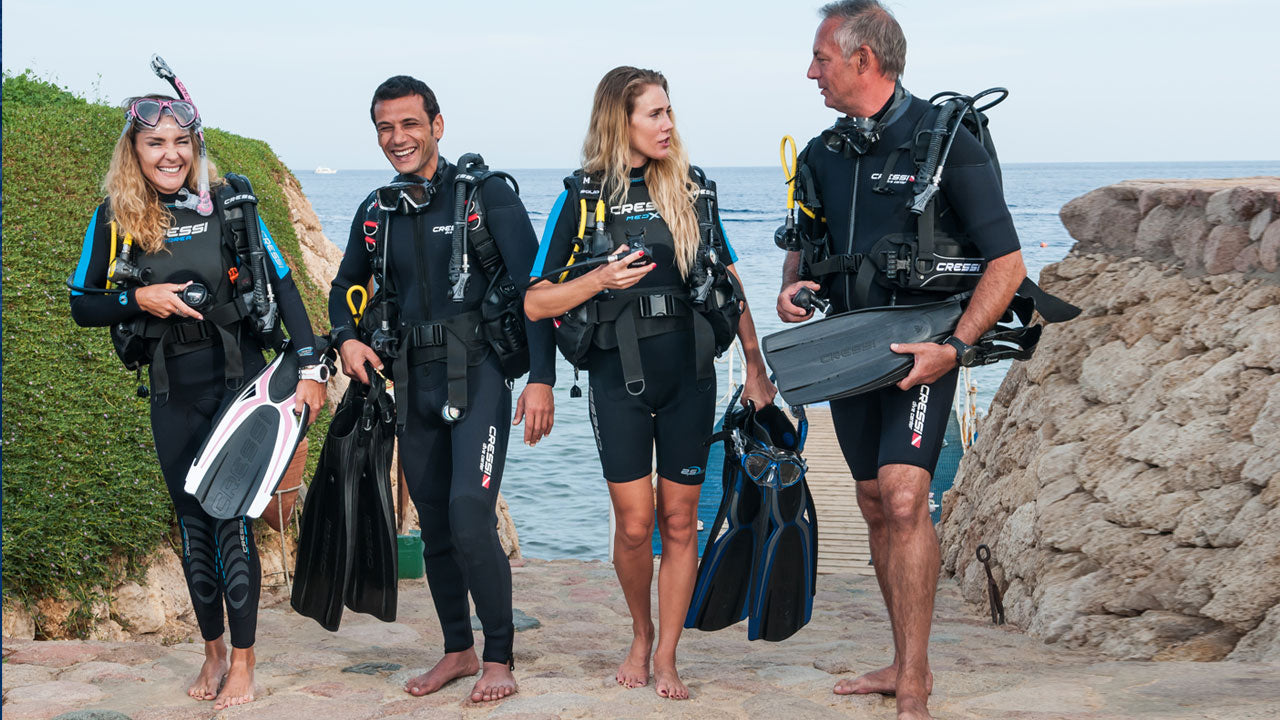
Scuba diving is an exciting way to explore the underwater world, but what you wear can make or break your experience. The right gear keeps you comfortable, safe, and lets you focus on the beauty below the surface. Choosing the right clothing and equipment for scuba diving depends on water temperature, dive conditions, and your personal comfort.
Let’s dive deep into what you should wear for scuba diving, from head to toe, with a clear look at each item and its purpose.
Today's Exclusive Deals
Limited-time Exclusive Deals. Check current discount on Amazon.
Check Price on Amazon As an Amazon Associate I earn from qualifying purchases.Why The Right Scuba Diving Wear Matters
Wearing the correct gear is not just about looking like a diver. It’s about protection and comfort. Underwater, your body loses heat 25 times faster than in air, even in warm water. The ocean can be full of sharp rocks, stinging creatures, and the sun’s rays can be strong on your back before and after diving. The right wear keeps your body temperature steady, protects your skin, and helps you move smoothly in the water.
Essential Scuba Diving Clothing And Gear
Let’s break down the essential items you need for scuba diving and why each piece matters.
1. Wetsuit Or Drysuit
The most important clothing item is your suit. Choosing between a wetsuit and a drysuit depends mainly on water temperature.
- Wetsuit: Made from neoprene, wetsuits trap a thin layer of water next to your skin. Your body heats this water, which helps keep you warm. Wetsuits come in different thicknesses—3mm for warm water, 5mm for mild, and 7mm for cold water. They fit snugly but should not restrict movement.
- Drysuit: For very cold water (below 15°C or 59°F), drysuits keep you completely dry by sealing at the neck and wrists. You wear insulating layers underneath. Drysuits are bulkier and require special training, but they’re essential for cold environments.
| Water Temperature | Recommended Suit | Typical Thickness |
|---|---|---|
| Above 28°C (82°F) | Shorty Wetsuit or Rash Guard | 1-3mm |
| 21-28°C (70-82°F) | Full Wetsuit | 3-5mm |
| 10-21°C (50-70°F) | Full Wetsuit | 5-7mm |
| Below 10°C (50°F) | Drysuit | Undergarments needed |
A common mistake is choosing a suit that is too thin for the water temperature. You may feel okay at the start, but cold can set in quickly. Always check the local water conditions before your dive.
2. Rash Guard Or Dive Skin
In warm, tropical waters, a full wetsuit might be too hot. Rash guards or dive skins are lightweight, stretchy shirts and leggings that protect your skin from sunburn, jellyfish stings, and minor scrapes. They dry quickly and are comfortable to wear under a wetsuit for extra protection or alone in warmer climates.
3. Dive Hood
Your head loses a lot of heat. Dive hoods are made from neoprene, like wetsuits, and fit snugly over your head and neck. They are essential in cold water but can also help avoid sunburn on your scalp in tropical locations. Many divers skip the hood and end up cold, especially on longer dives.
4. Gloves
Dive gloves protect your hands from sharp rocks, coral, or accidental contact with marine life. They also keep your hands warm. Choose gloves made from neoprene for cold water or lighter materials for warm water. Remember that in some marine parks, gloves are not allowed to prevent damage to fragile corals.
5. Boots Or Booties
Most divers wear neoprene boots (often called booties) with their fins. These protect your feet from hot sand, sharp rocks, or slippery surfaces on boats. They also give a snug fit with open-heel fins. For warm water and full-foot fins, you might go without, but booties add comfort and safety.
6. Fins
Fins are not clothing, but they are essential. They help you move efficiently underwater. There are two main types:
- Full-foot fins: No boots needed, best for warm water.
- Open-heel fins: Worn with boots, adjustable, and good for all conditions.
Choose fins that are comfortable and fit well. Too tight, and they’ll hurt; too loose, and you’ll lose them.
7. Mask
A good dive mask lets you see clearly underwater. It should seal well against your face, with no leaks. The lens can be made from tempered glass for safety. Some masks come with prescription lenses if you need vision correction. A common mistake is buying a mask without testing the fit—always try before you buy.
8. Snorkel
While not always needed, a snorkel lets you breathe at the surface without lifting your head. This saves energy and air before you start your dive. Choose a snorkel with a comfortable mouthpiece and a purge valve for easy clearing.
9. Weight System
To dive safely, you need to control your buoyancy. Weight belts or integrated weight systems help you sink gently and stay balanced. The amount of weight depends on your body, suit type, and water (saltwater needs more weight than freshwater). Beginners often use too much weight, making it hard to swim. Ask your instructor for advice.
10. Buoyancy Control Device (bcd)
A BCD is a jacket or wing that holds your tank and lets you add or release air to control your position in the water. It’s not exactly “clothing,” but you wear it like one and it’s essential for safety and comfort. Make sure your BCD fits well, is not too tight, and has enough pockets for your needs.
11. Exposure Protection For Hands And Feet
In colder waters, you may need thicker gloves and boots. 5mm or 7mm neoprene gloves and boots keep your hands and feet warm and protected. In very cold or icy conditions, dry gloves may be used with drysuits.
12. Undergarments (for Drysuits)
If you’re using a drysuit, you need thermal undergarments. These wick moisture away and provide insulation. Cotton is a bad choice because it stays wet and cold. Choose specialized synthetic or wool base layers.
Comparing Wetsuit Vs Drysuit
To help you decide, here’s a comparison of key points between wetsuits and drysuits:
| Feature | Wetsuit | Drysuit |
|---|---|---|
| Main Purpose | Thermal insulation by trapping water | Complete dryness; insulation with layers |
| Best For | Warm to cool water | Cold water (below 15°C/59°F) |
| Mobility | Flexible, easy to move | Bulky, but can be comfortable with practice |
| Cost | Lower | Higher |
| Training Needed | No special training | Special training required |
Personal Items To Consider
Besides the main clothing, some divers like to add personal touches for extra comfort and safety.
- Swimsuit or Swim Trunks: Worn under your wetsuit for hygiene and easy changing.
- Dive Watch or Computer: Not clothing, but worn on the wrist to monitor depth and time.
- Sunscreen: Use reef-safe sunscreen before and after diving to protect your skin and the ocean.
- Hair Cover or Band: If you have long hair, a band or cap keeps it out of your face and avoids mask leaks.

Special Situations And Environmental Factors
What you wear for scuba diving can change based on location, environment, and dive type.
Tropical Diving
In places like the Caribbean or Southeast Asia, water stays warm year-round. A shorty wetsuit (short arms and legs) or just a rash guard may be enough. Don’t forget sun protection while on the boat or at the surface.
Cold Water And Ice Diving
For cold water, use a drysuit with thick undergarments, hood, gloves, and boots. Cold water diving without proper gear can lead to hypothermia. Always check your equipment before entering cold water.
Night Diving
At night, water feels colder. Wear a slightly thicker suit than you would during the day. Use a hood and gloves even in mild water.
Wreck And Cave Diving
These environments can have sharp metal, rocks, or narrow spaces. Full coverage with a thick wetsuit or drysuit, gloves, and boots protects your body from cuts and scrapes.
Common Mistakes When Choosing Dive Wear
- Underestimating Water Temperature: Many beginners think warm air means warm water. Always check the real water temperature before choosing your suit.
- Ignoring Fit: Loose suits let water flow in and out, making you cold. Too tight, and they restrict movement.
- Forgetting About Hands and Feet: Cold hands and feet can ruin a dive. Always pack gloves and boots, even in mild climates.
- Skipping Hood or Rash Guard: The head and neck lose heat quickly, and a rash guard prevents sunburn and stings.
- Not Testing Gear: Try on your suit, boots, gloves, and mask before your trip. Rental gear sometimes does not fit well.
- Choosing the Cheapest Option: High-quality gear lasts longer and is safer. Cheap suits often don’t insulate well or fit properly.
Maintenance And Care Tips
Taking care of your diving clothing is important for safety and saving money.
- Rinse after every dive: Saltwater, sand, and chlorine can damage your gear.
- Dry in the shade: Direct sun can damage neoprene and other fabrics.
- Store properly: Hang wetsuits and drysuits on wide hangers. Don’t fold them.
- Check for damage: Look for tears, holes, or worn areas before each dive.
A well-maintained suit can last for years and keep you safe on every adventure.
Real-world Example: What A Diver Wears In Bali
Let’s say you’re planning a dive trip to Bali. Water temperatures are usually 27–29°C (80–84°F). Most divers wear a 3mm full wetsuit to stay comfortable during longer dives, with a rash guard underneath. For shore entries, neoprene boots protect your feet. Gloves are worn only in certain areas, as touching coral is discouraged. A hood isn’t needed unless you get cold easily. Mask, snorkel, and open-heel fins complete the setup.
This example shows how location, water temperature, and local rules shape your gear choices. Always research your destination and ask local dive shops for advice.
Where To Learn More
For divers who want deeper knowledge about scuba gear, the Professional Association of Diving Instructors (PADI) offers in-depth guides on equipment and safety. You can read more at the official PADI website.
Frequently Asked Questions
What Should I Wear Under My Wetsuit?
Most divers wear a simple swimsuit or swim trunks under a wetsuit for comfort and hygiene. Some also use rash guards for extra protection against chafing and sunburn. Avoid thick clothing, as it can bunch up and feel uncomfortable.
Do I Need A Wetsuit In Warm Water?
In tropical locations, you may not need a full wetsuit. A thin shorty wetsuit or a rash guard with swim shorts can be enough to protect your skin from sun, stings, and scrapes. However, even in warm water, a thin suit helps with buoyancy and avoids small injuries.
Can I Use My Surfing Wetsuit For Scuba Diving?
Surfing wetsuits are made for flexibility and short exposure to water. Scuba diving wetsuits are designed for longer, deeper dives, with more insulation and durability. While you can use a surfing wetsuit for shallow, warm dives, it’s not ideal for cold or long dives.
How Do I Know If My Suit Fits Properly?
A good wetsuit or drysuit should fit snugly without restricting movement or breathing. There should be no large gaps, but you should be able to move your arms and legs freely. Try bending and stretching when testing the fit, and make sure the suit does not pinch or leave marks.
Is It Okay To Wear Jewelry Or A Watch While Diving?
It’s best to remove most jewelry before diving. Rings can slip off in cold water, and necklaces or bracelets can get tangled. A dive watch or computer is fine, but make sure it’s rated for underwater use and secured to your wrist.
Choosing the right clothing and gear for scuba diving can greatly improve your experience and safety. With the right suit, protection, and careful preparation, you’ll be ready to explore the wonders below the waves with confidence.