
How Long Can You Stay Underwater While Scuba Diving?
Scuba diving opens a new world beneath the waves. Many people dream of floating silently among colorful fish and coral. But one big question always comes up: how long can you stay underwater while scuba diving? The answer is not simple. It depends on many things like your training, the equipment you use, your body, and how deep you go. If you want to dive safely and enjoy every moment, understanding these factors is very important.
This article explains everything you need to know about dive times. Whether you are a beginner, planning your first open water dive, or just curious, you will find practical advice, real numbers, and helpful tips here. Let’s dive in.

Today's Exclusive Deals
Limited-time Exclusive Deals. Check current discount on Amazon.
Check Price on Amazon As an Amazon Associate I earn from qualifying purchases.The Basics Of Scuba Dive Time
When people ask about time underwater, they often want to know, “How many minutes can I stay below the surface?” The truth is, there is no single answer. Dive time can range from 20 minutes to over an hour, but it depends on several factors. The most important ones are:
- Air supply
- Depth
- Breathing rate
- Dive tables or computers
Let’s look at each factor in detail.
How Air Supply Affects Your Dive
Your tank, or cylinder, is your lifeline underwater. Most recreational divers use a standard aluminum 80-cubic-foot tank (about 11 liters, 200 bar/3,000 psi when full). But how long this air lasts depends on how fast you breathe and how deep you go.
For example, if you stay at a shallow depth (10 meters/33 feet), an average diver might use their tank in 45 to 60 minutes. Go deeper, and the air runs out much faster because your body needs more air with every breath due to higher pressure.
How Depth Changes Your Air Use
The deeper you go, the more pressure the water puts on your body. At 10 meters (33 feet), the pressure doubles. At 20 meters (66 feet), it triples. This means every breath uses more air. See the comparison below:
| Depth | Pressure | Air Consumption (per breath) |
|---|---|---|
| Surface (0 m) | 1 atm | 1x |
| 10 m (33 ft) | 2 atm | 2x |
| 20 m (66 ft) | 3 atm | 3x |
| 30 m (99 ft) | 4 atm | 4x |
So, a tank that lasts 60 minutes at the surface might only last 30 minutes at 10 meters, and 20 minutes at 20 meters.
Breathing Rate Makes A Big Difference
Not everyone breathes at the same speed. Some divers are relaxed and slow. Others breathe quickly, especially if they are new or excited. A calm diver can double their dive time compared to a nervous one. Training and experience help you relax and use less air.
Non-obvious insight: Cold water, strong currents, or even swimming too much can make you breathe faster. Planning easy, calm dives helps your air last longer.

Dive Tables And Computers: Staying Safe Below
Besides air, your body’s ability to handle nitrogen is a key limit. When you breathe air under pressure, extra nitrogen dissolves in your body. If you stay too long, or come up too fast, you can get “the bends” (decompression sickness).
To avoid this, divers use special tools:
- Dive tables: Charts that show how long you can stay at each depth.
- Dive computers: Digital devices that calculate safe times in real-time.
Let’s compare how each works:
| Tool | How it works | Pros | Cons |
|---|---|---|---|
| Dive Table | Paper chart you check before/after dive | Simple, no batteries needed | Can be confusing, less flexible |
| Dive Computer | Worn on wrist, tracks your dive live | Accurate, adjusts for real conditions | Needs battery, can break |
Pro tip: Always check your air and computer often. Never push your time limit—safety first.
Typical Dive Times At Common Depths
Here’s what most recreational divers experience, using a standard tank and average breathing:
- 10 meters (33 feet): 45–60 minutes
- 18 meters (60 feet): 35–45 minutes
- 30 meters (100 feet): 15–25 minutes
But these are just averages. Your actual time can be shorter or longer, depending on your air use and safety rules.
Other Factors That Affect Dive Time
While air and depth are main factors, some details are easy to miss:
Physical Fitness And Body Size
Bigger or less-fit divers tend to use more air. If you are athletic and relaxed, you may enjoy longer dives.
Water Temperature
Cold water makes your body work harder. You breathe faster to stay warm, so your tank empties faster. In warm tropical water, you may last 10–15 minutes longer.
Equipment Choices
A larger tank means more air. Some divers use “high-capacity” tanks for longer dives. But these are heavier and not always needed.
Real-world example: Two divers with the same training, but one uses a 15-liter tank and the other an 11-liter tank. The first diver can stay 10–15 minutes longer at the same depth—if both breathe at the same rate.
Dive Profile And Movements
If you swim a lot, chase fish, or fight currents, you use more air. The best way to stay longer is to move slowly and stay relaxed.
Non-obvious insight: Good buoyancy control (floating without effort) saves air. New divers sometimes waste air because they use their arms and legs too much.
Special Cases: Deep, Technical, And Cave Dives
Most people do not go deeper than 40 meters (130 feet). Beyond this, special training and equipment are needed. Technical divers use different gases and sometimes carry several tanks.
- Deep dives (over 30 meters): Dive time can drop below 15 minutes.
- Cave or wreck dives: Sometimes use “rebreathers” which recycle air. These can last several hours, but require advanced skills.
For most beginners, sticking to recreational limits (up to 18–30 meters) is safest and most enjoyable.
Safety Stops And Ascent Rates
Staying underwater too long or coming up too fast can be dangerous. Divers make a safety stop at 3–5 meters (10–15 feet) for 3–5 minutes at the end of most dives. This lets extra nitrogen leave the body safely.
If you dive near your time or depth limit, always do a safety stop. Your dive computer will remind you.
How To Maximize Your Underwater Time
Want to spend more time exploring? Here are practical ways to make your air last:
- Relax and breathe slowly – Practice calm, deep breaths.
- Use proper weight – Too much weight makes you work harder.
- Stay streamlined – Tuck in hoses and keep your body straight to move easily.
- Improve buoyancy – Learn to float without moving arms or legs.
- Plan your dive – Stay shallow for most of your dive, go deeper only briefly.
- Dive with experienced buddies – They set a slow, steady pace.
- Maintain your gear – Leaks or old equipment waste air.
These small changes can add up to 10–20 more minutes underwater.
What Happens If You Run Out Of Air?
Running out of air underwater is dangerous, but good training prepares you. Divers always check their air often and end their dive with a safety margin. If you do run low, you can:
- Share air with your buddy using a second regulator (“octopus”)
- Ascend slowly to the surface, always exhaling gently
- Practice emergency drills in training so you stay calm if it happens
Pro tip: Never dive alone. Always stick with your buddy and check each other’s air.
Comparing Scuba Dive Times To Other Underwater Activities
How Does Scuba Compare To Other Ways Of Staying Underwater?
| Activity | Typical Underwater Time | Notes |
|---|---|---|
| Freediving | 30 seconds – 4 minutes | No tank; only breath-hold |
| Snorkeling | 10–60 seconds (per dip) | Face in water, breathing through snorkel |
| Scuba diving | 20–60 minutes | Uses tank and regulator |
| Technical diving (rebreather) | 1–4 hours | Special equipment, advanced training |
As you can see, scuba diving lets you explore far longer than breath-hold diving, but still has real limits.

Training And Certification Matter
One of the most important things for longer, safer dives is good training. Certification courses teach you how to plan, track your air, and understand your body’s limits. They also show you how to handle emergencies calmly.
Popular agencies like PADI, SSI, and NAUI have beginner to advanced courses. Training makes a real difference: certified divers are safer, more confident, and enjoy longer dives.
Advanced Tips: What Experienced Divers Do Differently
Veteran divers often stay longer underwater, and here’s why:
- They know how to control breathing in challenging conditions.
- They swim slowly and stay streamlined.
- They check their gauges often and turn around with plenty of air left.
- They keep a logbook to track their dives and learn from experience.
- They invest in good-fitting, well-maintained gear.
Pro tip: After 20–30 dives, most people see their dive times improve by 10–20 minutes simply because they are more relaxed and efficient.
Environmental And Legal Limits
Some dive sites have rules that limit how long you can stay. For example, marine parks may set time limits to protect reefs, or to keep visitor numbers safe. Always follow local guidelines.
Also, in some countries, diving deeper than 18 meters or entering wrecks/caves without special training is illegal.
Common Mistakes To Avoid
Beginners sometimes make choices that cut their dive short:
- Skipping safety stops – Never rush to the surface.
- Ignoring air gauge – Check often, especially after 15 minutes.
- Diving when tired or sick – You’ll breathe faster and tire quickly.
- Not planning for current or temperature – These use more air.
Learning from others, and taking advice seriously, helps you stay safe and get the most from your tank.
Frequently Asked Questions
How Long Does A Beginner Scuba Diver Usually Stay Underwater?
Most beginners stay underwater for 30 to 45 minutes during their first dives. This depends on shallow depths (less than 12 meters/40 feet), relaxed breathing, and following their instructor’s guidance.
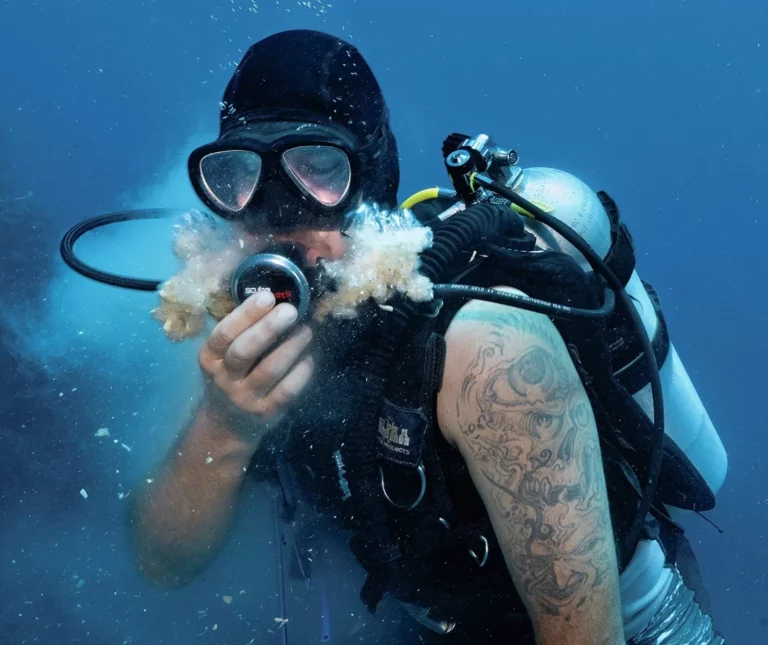
What Is The Longest Time Anyone Has Stayed Underwater With Scuba Gear?
In 2014, a diver named Cem Karabay set the world record by staying underwater for more than 142 hours using special equipment and support. This is not typical or safe for recreational divers. Most fun dives last less than an hour.
How Can I Make My Scuba Tank Last Longer?
You can make your tank last longer by relaxing, breathing slowly, staying warm, using proper weights, and improving buoyancy skills. Experience and practice make a big difference.
Is It Dangerous To Stay Underwater Too Long?
Yes. Staying too long can cause decompression sickness or running out of air. Always follow your dive plan, check your air, and use a dive computer or table. Never push your limits.
Can Children Stay Underwater As Long As Adults?
Children usually have shorter dive times because they may breathe faster, get cold quickly, or tire easily. Special rules and depth limits apply for young divers.
For more detailed information about scuba diving safety and records, you can visit the Wikipedia Scuba Diving page.
Scuba diving is an amazing adventure, but understanding your limits keeps every dive safe and fun. With good training, practice, and respect for your body and the environment, you can enjoy exploring underwater for many years to come.