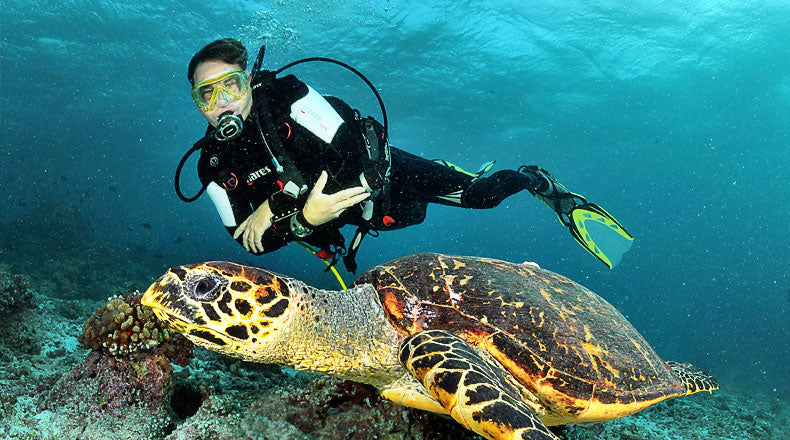
Diving below the surface of the water is an experience that draws both adventure seekers and scientific explorers. But staying underwater is not as simple as just sinking or floating. Divers must manage their position in the water—called buoyancy—to move safely, save energy, and protect marine life. If you have ever wondered how divers hover weightless or glide over coral reefs without touching them, the answer lies in mastering buoyancy control. This skill is one of the most important aspects of scuba diving, and it’s far more complex than beginners often realize.
In this article, we’ll explore how divers control buoyancy underwater, the science behind it, the gear involved, and practical techniques. We’ll also discuss common mistakes, safety concerns, and tips that even experienced divers sometimes overlook. By the end, you’ll understand not only the basics but also the finer points that make buoyancy control a true art.
Today's Exclusive Deals
Limited-time Exclusive Deals. Check current discount on Amazon.
Check Price on Amazon As an Amazon Associate I earn from qualifying purchases.The Science Of Buoyancy
Buoyancy is the force that causes objects to float or sink in a fluid. For divers, the main goal is to achieve neutral buoyancy—where you neither rise nor sink, but remain suspended in the water. This state makes diving more comfortable and less tiring, and it helps protect the underwater environment.
Archimedes’ Principle
The foundation of buoyancy control is Archimedes’ Principle. It states that any object submerged in a fluid is pushed upward by a force equal to the weight of the fluid displaced by the object. If you displace more water, you float; if less, you sink. Divers use this principle to adjust their position, either by adding or releasing air from their gear.
Types Of Buoyancy
Divers deal with three main types of buoyancy:
Today's Exclusive Deals
Limited-time Exclusive Deals. Check current discount on Amazon.
Check Price on Amazon As an Amazon Associate I earn from qualifying purchases.- Positive buoyancy: You rise toward the surface.
- Negative buoyancy: You sink toward the bottom.
- Neutral buoyancy: You stay at the same depth.
Balancing these forces is the key to safe and enjoyable diving.
Essential Equipment For Buoyancy Control
Managing buoyancy is not just about technique; it also requires the right equipment. Let’s look at the main tools divers use.
Buoyancy Control Device (bcd)
The BCD is a vest-like device that divers wear. It can be inflated or deflated using air from the scuba tank. By adjusting the air volume in the BCD, divers change their buoyancy almost instantly.
Weights
Weights help counteract the natural buoyancy of the diver’s body and equipment. These are usually worn on a belt or integrated into the BCD. The right amount of weight is crucial; too much makes you sink, too little makes you float.
Today's Exclusive Deals
Limited-time Exclusive Deals. Check current discount on Amazon.
Check Price on Amazon As an Amazon Associate I earn from qualifying purchases.Wetsuits And Drysuits
Wetsuits provide warmth and also add buoyancy because they are made from neoprene, a material filled with tiny air bubbles. Drysuits, used in cold water, trap air around the diver’s body. Both suit types affect how much weight a diver needs.
Scuba Cylinder
The air in your tank also affects buoyancy. As you breathe, the tank gets lighter, which can make you more positively buoyant near the end of a dive.
Here’s a comparison of how different gear types affect buoyancy:
| Gear | Buoyancy Impact | Typical Weight Needed |
|---|---|---|
| Wetsuit (3mm) | High Positive | 2–4 kg |
| Wetsuit (7mm) | Very High Positive | 4–8 kg |
| Drysuit | Moderate Positive | 4–6 kg |
| No Suit (Warm Water) | Low Positive | 1–2 kg |
Techniques For Buoyancy Control
Correct buoyancy is not automatic—it requires learning and practice. Let’s break down how divers manage buoyancy step by step.
1. Pre-dive Weight Check
Before entering the water, divers perform a weight check. This involves floating at the surface with an empty BCD and taking a normal breath. If you float at eye level, you likely have the right amount of weight. If you sink, remove some weight; if you float too high, add more.
2. Controlling The Bcd
Once underwater, small adjustments to the BCD make a big difference. Adding air makes you rise; releasing air lets you sink. The key is to make small, gradual changes and wait for the effect.
3. Breathing Techniques
Your lungs act like a natural buoyancy control device. Taking a deep breath increases your volume and makes you more positively buoyant. Exhaling makes you sink slightly. Skilled divers use slow, controlled breathing to fine-tune their position.
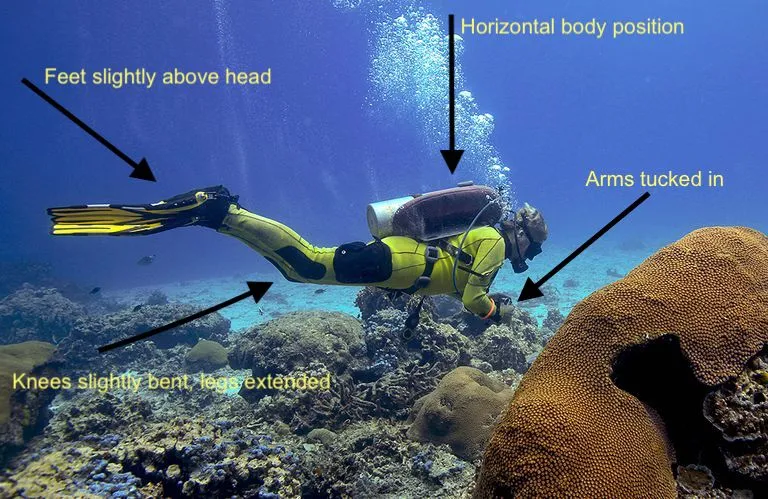
4. Trim And Body Position
Trim refers to your body’s angle in the water. Staying horizontal is more efficient and reduces drag. Moving your arms and legs can shift your center of gravity, helping you achieve better balance.
5. Managing Buoyancy During Ascent And Descent
During descent, divers need to release air from the BCD to counteract increasing pressure. On ascent, expanding air must be released to avoid rising too quickly. Failure to do this can lead to uncontrolled ascents, which are dangerous.
6. Dealing With Changes During The Dive
As you dive deeper, the pressure compresses your wetsuit and the air in your BCD, reducing buoyancy. As you ascend, these materials expand, increasing buoyancy. Constant adjustment is needed throughout the dive.
Here’s a quick reference for common buoyancy adjustments:
| Situation | Adjustment |
|---|---|
| Descending | Release air from BCD |
| Ascending | Release expanding air from BCD |
| At bottom (neutral) | Fine-tune with breathing |
| Approaching surface | Monitor ascent rate, vent air slowly |
Advanced Buoyancy Skills
Once basic buoyancy is mastered, divers can learn advanced techniques that make their dives smoother and safer.
Hovering
Hovering means staying motionless in the water without moving hands or feet. This is the ultimate test of buoyancy control. It requires precise control of the BCD and breathing.
Backward And Helicopter Kicks
Controlling movement in all directions, including backward or pivoting (helicopter turn), helps divers stay in position without touching the environment.
Using Minimal Movements
Experienced divers use small, slow movements to adjust their position. This reduces effort, saves air, and avoids disturbing silt or marine life.
Task Loading
Doing other tasks—like taking photos or using a dive computer—can distract from buoyancy control. Practicing these skills together helps you manage both.
Common Mistakes And How To Avoid Them
Even experienced divers can struggle with buoyancy. Here are some errors to watch for:
- Overweighting: Many divers wear too much weight, making buoyancy harder to control and increasing air use.
- Not Venting BCD Properly: Holding the inflator hose at the wrong angle can trap air in the BCD.
- Ignoring Breathing: Fast or shallow breathing makes buoyancy less stable.
- Ascending Too Fast: Failing to vent air during ascent can cause an uncontrolled rise.
- Not Practicing Enough: Buoyancy is a skill that improves with regular practice.
Why Buoyancy Control Matters
Good buoyancy control is not just about comfort or saving energy. It’s essential for:
- Safety: Prevents rapid ascents that can cause decompression sickness.
- Conservation: Avoids damaging coral reefs and marine life.
- Air Consumption: Efficient divers use less air and enjoy longer dives.
- Enjoyment: Floating effortlessly makes dives more relaxing and fun.

Non-obvious Insights For Better Buoyancy
Many divers miss these important details:
- Check your weight system regularly: Lead weights can corrode or become loose over time, affecting your balance.
- Factor in saltwater vs. freshwater: Saltwater is more buoyant. You’ll need less weight in freshwater lakes than in the ocean.
- Gear changes matter: Switching wetsuit thickness, tanks (steel vs. aluminum), or even new fins can change your buoyancy needs.
Here’s a quick comparison of how water type affects buoyancy requirements:
| Water Type | Weight Needed (average adult, 5mm wetsuit) |
|---|---|
| Saltwater | 5–7 kg |
| Freshwater | 3–5 kg |
Practical Tips For Improving Buoyancy
- Practice in a pool before open water dives.
- Keep a log of the gear and weights you use in different locations.
- Use your dive buddy to check your trim and position.
- Take a Peak Performance Buoyancy specialty course.
- Watch experienced divers and ask for feedback.
For more in-depth science behind buoyancy and diving physics, the Wikipedia page on Buoyancy is a great resource.
Frequently Asked Questions
How Does Breathing Affect Buoyancy When Diving?
Breathing in expands your lungs, which increases your body volume and makes you more positively buoyant, causing you to rise slightly. Breathing out reduces your volume, making you sink a little. Skilled divers use controlled breathing to make fine adjustments to their position in the water.
Why Do Divers Need To Add Or Remove Weights?
Every diver’s body, suit, and gear have different levels of buoyancy. Weights help balance out this positive buoyancy so the diver can achieve neutral buoyancy underwater. Too much weight makes it hard to stay off the bottom, while too little makes it difficult to stay submerged.
What Is A Buoyancy Control Device (bcd) And How Does It Work?
A BCD is a vest that can be filled with air from your tank. By adding or releasing air, you can control your buoyancy. This is essential for staying at the right depth, hovering, and making safe ascents or descents.
What Happens If A Diver Loses Control Of Their Buoyancy?
Losing control can lead to rapid ascents or descents, both of which are dangerous. Rapid ascent can cause decompression sickness or lung injury, while sinking too fast can lead to collisions with the seabed or obstacles. Proper training and regular practice are the best ways to prevent this.
How Does Water Type (saltwater Vs. Freshwater) Affect Buoyancy?
Saltwater is denser and provides more lift, so divers need more weight to achieve neutral buoyancy compared to freshwater. When switching between different environments, always perform a new weight check.
Mastering buoyancy control is a journey that never truly ends. Each dive offers a new chance to refine your skills and enjoy the underwater world in a way that feels effortless. With knowledge, practice, and the right mindset, divers can move gracefully through the water while staying safe and protecting the environment.