
Skydiving is a thrilling adventure that draws thousands of people every year. Whether you’re preparing for your very first tandem jump or you’re a regular at your local dropzone, one question always comes up: What should you wear for skydiving? Wearing the right clothes and gear isn’t just about comfort—it’s about safety, performance, and making sure you enjoy every second of your freefall. Many first-time jumpers worry about getting it wrong, but the truth is, dressing for skydiving can be simple if you know what matters. This guide will help you choose the best skydiving outfit, avoid common mistakes, and feel confident on the day of your jump.
Why Clothing Matters In Skydiving
Skydiving exposes you to unique conditions. At 13,000 feet, air temperatures can be 20–30 degrees Fahrenheit colder than on the ground. The wind resistance at 120 mph can tug at loose clothes, and the harness can rub against your skin.

Today's Exclusive Deals
Limited-time Exclusive Deals. Check current discount on Amazon.
Check Price on Amazon As an Amazon Associate I earn from qualifying purchases.Choosing the right clothes can keep you warm, safe, and focused on enjoying the experience—not distracted by discomfort. Some people are surprised to learn that your outfit can even affect the stability of your body position and the ease of your parachute deployment.
Essential Clothing For Skydiving
1. Comfortable, Fitted Clothing
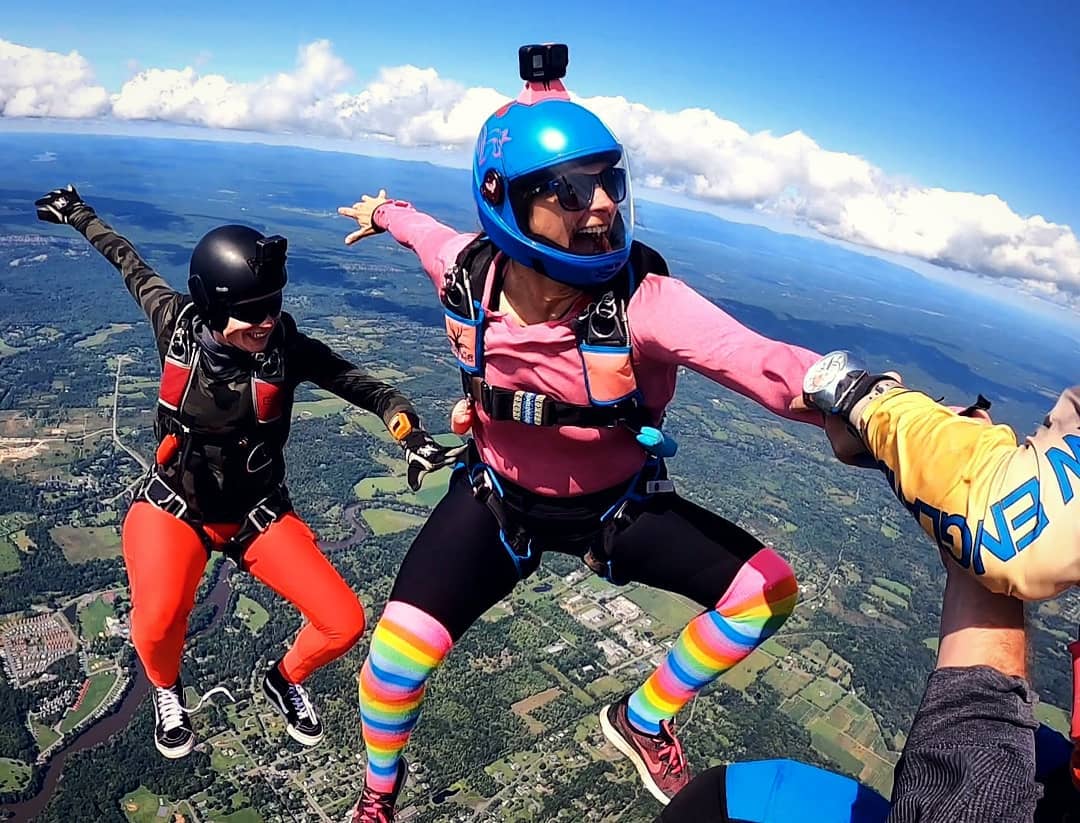
The most important rule: Wear clothes that fit snugly but allow you to move freely. Loose clothing can flap in the wind and get caught in gear, while clothes that are too tight restrict your movement.
- Best choices: Athletic wear, such as leggings, yoga pants, or sports shirts.
- What to avoid: Jeans (often too stiff), dresses, skirts, and anything with loose straps or hoods.
2. Weather-appropriate Layers
Skydiving is often cooler at altitude. Layering is essential, especially in colder months.
- Start with a moisture-wicking base layer (like a synthetic or wool shirt) to keep sweat off your skin.
- Add a lightweight fleece or pullover for warmth.
- On windy or very cold days, a thin windbreaker can help.
Tip: Avoid bulky coats and thick layers, as they can interfere with the harness and make you less agile.
3. Athletic Footwear
Closed-toe shoes are a must for skydiving. The right shoes give you grip during landing and protect your feet.
- Best choices: Sneakers, running shoes, or lightweight hiking shoes with laces.
- Avoid: Sandals, flip-flops, boots with hooks, or shoes with heels.
4. Secure Accessories And Hair
All accessories must be secure. Loose jewelry, watches, or hats can fall off mid-air and pose a risk.
- Remove earrings, necklaces, and bracelets.
- If you have long hair, tie it back in a low ponytail or braid. This prevents tangles and keeps hair out of your harness.
5. Specialized Jumpsuits
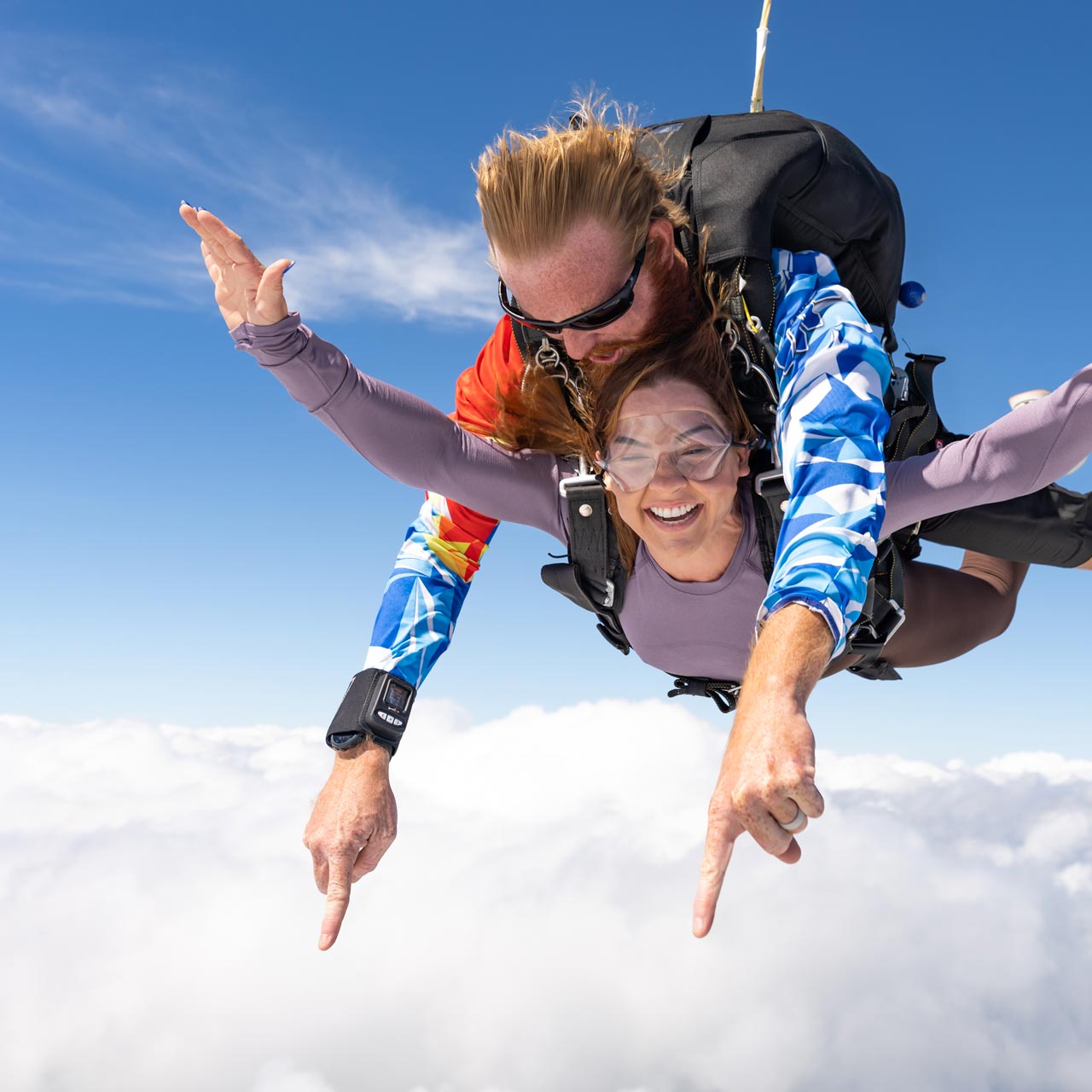
Some skydiving centers provide jumpsuits. These are not just for style; they protect your clothes, help with body position, and reduce the risk of loose clothing getting caught.
- Student jumpsuits often have grips for instructors.
- More advanced suits can be tailored for belly flying, freeflying, or wingsuiting.
Not all jumpers need a jumpsuit, but wearing one is often recommended, especially if it’s your first time.
What Not To Wear For Skydiving
Mistakes in clothing can lead to discomfort or even safety issues. Here’s what to leave at home:
- Loose, baggy pants or shirts – Can get caught in equipment.
- Scarves and hoods – Risk being pulled by the wind or blocking your vision.
- Heavy jackets or bulky coats – Make harness fitting difficult.
- Jewelry and watches – Can snag or fall off.
- Open-toe shoes, high heels, or boots – Unsafe for takeoff and landing.
- Shorts and tank tops – Expose skin to harness friction and wind chill.
Clothing For Different Seasons
Skydiving isn’t just a summer activity. Here’s how to adapt your outfit for any season:
Warm Weather
- Wear breathable, moisture-wicking clothes.
- Choose thin, long sleeves for sun protection.
- Bring sunglasses with a secure strap (if allowed).
Cold Weather
- Layer up with thermal base layers.
- Wear gloves that are thin, non-slip, and not bulky.
- Use a neck gaiter for extra warmth (but avoid scarves).
Rainy Or Wet Weather
Skydiving usually doesn’t happen in rain, but check with your dropzone. If the ground is wet, bring a change of clothes and shoes.
Gender-specific Tips
Most advice is unisex, but a few points are worth noting:
For Women
- Sports bras are ideal for comfort and support.
- Avoid underwire bras, as they may be uncomfortable under the harness.
- Leggings or fitted athletic pants work better than shorts or skirts.
For Men
- Compression shorts under athletic pants add comfort.
- Avoid baggy basketball shorts, which can ride up or get caught.
Glasses, Goggles, And Vision
If you wear prescription glasses, you can still skydive. Most centers provide over-the-glasses goggles. Contact lens wearers should bring eye drops and inform their instructor. Wind can dry out eyes quickly.
Children And Skydiving Outfits
Some dropzones allow children (usually age 16+ with parental consent). For younger jumpers:
- Clothes must be even more snug, as they are lighter.
- Shoes must fit perfectly.
- Tie back long hair to avoid distraction.
What About Weather Variability?
Weather can change quickly. Always bring an extra layer and a change of clothes. You may wait hours for your jump if winds are high, so comfort on the ground matters too.

How Harnesses Affect Clothing
The harness is the most important piece of safety equipment. It fits tightly around your legs, shoulders, and chest. The wrong clothing can bunch up, twist, or cause chafing. That’s why you should avoid thick seams, buttons, or zippers where the harness will be.
Skydiving Gear Checklist
Before you leave for your jump, double-check your outfit:
- Fitted top (long or short sleeve, depending on weather)
- Athletic pants or leggings
- Closed-toe sneakers
- No jewelry or loose accessories
- Hair tied back
- Eyewear if needed (glasses/goggles)
- Extra layers for before/after the jump
- Change of clothes/shoes for after (especially if landing area is wet)
Common Mistakes First-timers Make
- Arriving in jeans or stiff pants
- Wearing flip-flops or sandals
- Keeping large earrings or watches on
- Bringing only one layer and getting cold
- Not tying up long hair
- Wearing makeup that can run with wind or tears
Pro Tip: Always ask the staff at your dropzone if you’re unsure. They see hundreds of jumpers and know what works best.
How Does Your Outfit Affect Your Jump?
You might think clothing is just about comfort, but it can change your whole skydiving experience.
- Wind resistance: Loose clothes make you less stable in freefall.
- Temperature: The right layers keep you warm at altitude.
- Safety: Secure clothing means less risk of things getting caught.
- Harness fit: Snug, smooth clothes let the harness do its job without pinching or chafing.
Here’s a quick comparison of common clothing types and their suitability for skydiving:
| Clothing Item | Comfort | Safety | Recommended? |
|---|---|---|---|
| Athletic wear (leggings, sports shirt) | High | High | Yes |
| Jeans | Low | Medium | No |
| Loose hoodie | Medium | Low | No |
| Jumpsuit (provided) | High | High | Yes |
| Shorts & T-shirt | Medium | Low | No |
What Experienced Skydivers Wear
If you watch professional skydivers, you’ll notice they often wear custom jumpsuits. Here’s why:
- Streamlined fabric: Reduces drag and helps control speed.
- Reinforced knees/elbows: Protects during landing and training.
- Grippers: For formation skydiving.
- Personal style: Many add patches or colors to identify teams.
But even experienced jumpers stick to the basics: fitted, comfortable clothes and secure shoes.
The Science: Why Tight Clothing Works
Loose clothes create extra drag, making it hard to control your fall. For example, a skydiver in a baggy T-shirt might fall slower and wobble more than someone in a jumpsuit. This is similar to how cyclists wear tight outfits to cut wind resistance.
Here’s how wind chill changes with altitude and speed:
| Altitude | Air Temp (°F) | Wind Speed (mph) | Feels Like (°F) |
|---|---|---|---|
| Ground | 75 | 10 | 70 |
| 13,000 ft | 50 | 120 | 28 |
This big drop in “feels like” temperature is why layers and wind-blocking fabrics are important.
Insurance, Dropzone Rules, And Local Customs
Some dropzones may have their own dress codes. Always check their website or call before you go. In rare cases, insurance rules or local culture may require extra coverage (for example, full-length sleeves or pants).
Environmental And Practical Extras
Think about sun protection, especially on bright days. You’ll be outside for a while, so bring sunscreen and a hat for waiting time (but not for the jump). Also, a small backpack with water, snacks, and spare clothes makes your day easier.
What To Wear: Quick-glance Summary
If you’re in a rush, here’s a simple checklist for your skydiving outfit:
- Top: Fitted, long or short sleeves
- Bottom: Leggings or athletic pants
- Shoes: Closed-toe, secure sneakers
- Layers: Thin base, add more for cold
- Accessories: None (remove all jewelry)
- Hair: Tied back
- Jumpsuit: Use if provided
For more tips and safety guidelines, the official United States Parachute Association has resources for beginners.
Frequently Asked Questions
What Should I Wear For My First Tandem Skydive?
Wear snug athletic clothes, closed-toe sneakers, and bring layers in case it’s cold. Remove all jewelry and tie back long hair. Most centers will give you a jumpsuit to wear over your clothes.
Can I Wear My Own Clothes Instead Of A Jumpsuit?
Yes, but your clothes must be fitted and safe. Some dropzones require jumpsuits for safety, especially for beginners. Ask your instructor before your jump.
Are Shorts Or Tank Tops Okay For Skydiving?
No. Shorts and tank tops leave your skin exposed to harness friction and wind chill. They also offer little protection if you slide on landing.
Can I Skydive With Glasses Or Contact Lenses?
Yes. Most centers provide goggles that fit over glasses. If you wear contacts, let your instructor know and bring eye drops—wind can dry your eyes quickly.
What Should I Do If The Weather Changes?
Bring extra layers and a change of clothes. Weather can shift quickly at dropzones. It’s better to have options than to be stuck uncomfortable or cold.
Skydiving is an unforgettable adventure, and wearing the right outfit will help you focus on the excitement, not distractions. With these tips, you’re ready to jump in comfort and style—so go enjoy the sky!

