
Ear and excitement reach their peak. Standing at the open door, your senses are overloaded. The world looks unreal from this height, almost like a painting. For many people, this is the hardest part—your instincts tell you to stay inside, but your instructor’s calm voice and confident actions help you move forward.

Exclusive Deals
Limited-time Exclusive Deals. Check current discount on Amazon.
Check Price on Amazon As an Amazon Associate I earn from qualifying purchases.Your body might feel tense. Hands grip the harness tightly. Some jumpers say their legs feel heavy or shaky, while others feel almost weightless. Time seems to slow down as you shuffle toward the door. Your instructor gives you a final check and nod, reminding you to arch your back and keep your head up. In this instant, most people experience a strange mix: fear of the unknown, but also a deep trust in the process and the professionals guiding you.
Here’s a tip many beginners miss: Focus on your breathing. Taking a slow, deep breath before the jump can help calm your nerves and keep you present in the moment. Try to look out at the horizon rather than straight down—this can help you feel steadier and more balanced as you prepare to leap.
The Leap: Instant Shock And Wild Freedom
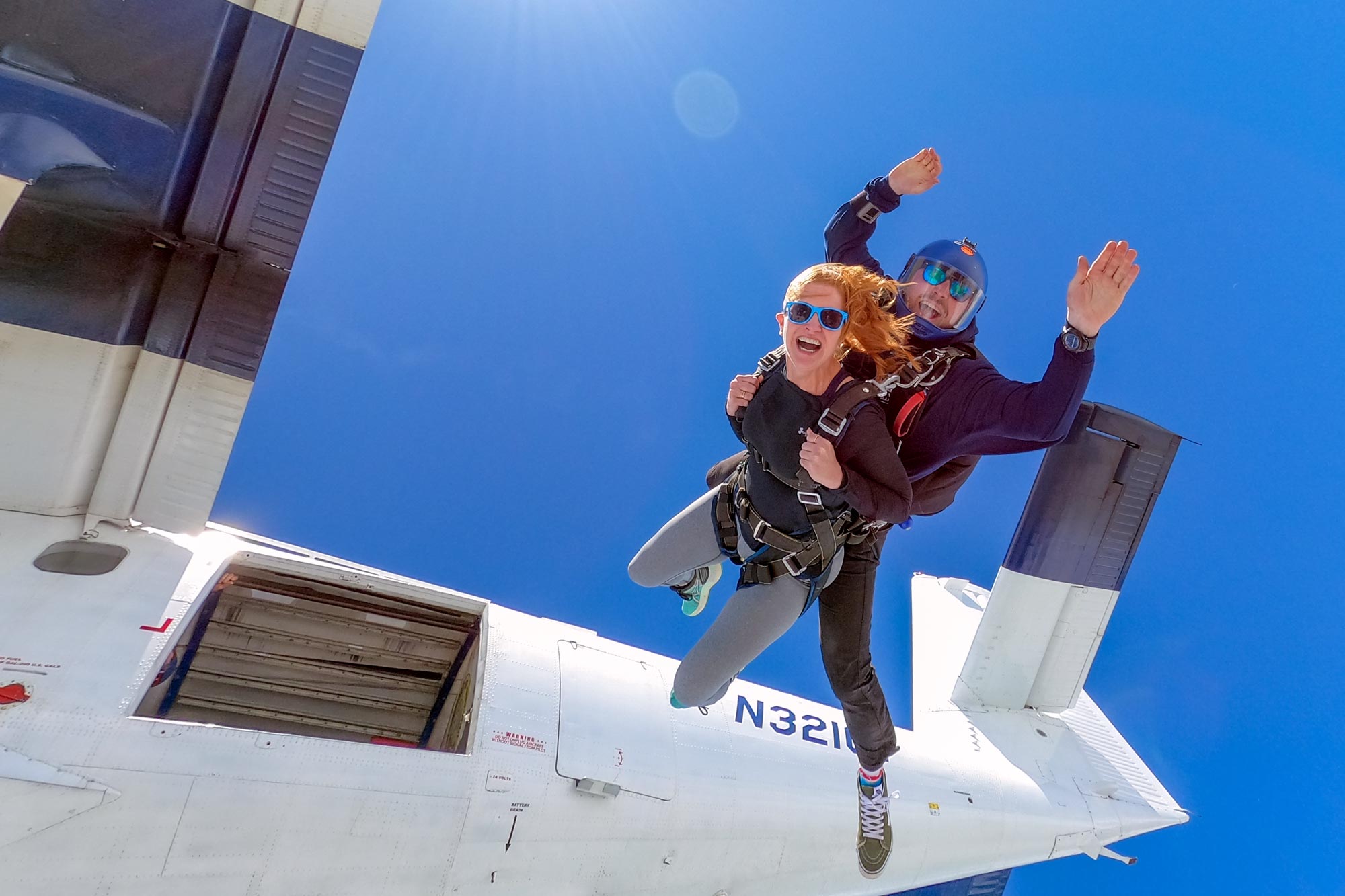
The moment you leave the plane is almost impossible to describe. For a split second, there’s a feeling of weightlessness, like the ground has disappeared. Your stomach might lurch, but not in the same way as a rollercoaster drop. Instead of falling straight down, you move forward, almost flying into the wind.
Exclusive Deals
Limited-time Exclusive Deals. Check current discount on Amazon.
Check Price on Amazon As an Amazon Associate I earn from qualifying purchases.The wind is fierce, roaring past your ears at over 100 mph. You feel it pushing against your body and face, making it hard to hear anything else. Your cheeks might flap, and your jumpsuit presses tightly against your skin. The view is open in every direction—blue sky above, the ground far below, and sometimes clouds racing past.
Your mind is flooded with adrenaline. Some people scream, laugh, or shout with joy; others are silent, taking it all in. There’s a sense of total freedom. You’re not thinking about work, worries, or anything else—just the pure experience of flying.
It’s normal to feel a rush of emotions. You might feel fear, joy, awe, or even disbelief that you’re really doing this. Here’s an insight many first-timers don’t expect: You don’t feel like you’re falling. After the first second, your body reaches terminal velocity (about 120 mph), and the wind resistance balances your speed. You feel supported, almost like you’re floating on a cushion of air.
Exclusive Deals
Limited-time Exclusive Deals. Check current discount on Amazon.
Check Price on Amazon As an Amazon Associate I earn from qualifying purchases.Freefall: The Longest Minute Of Your Life
Freefall usually lasts 45–60 seconds, but it can feel much longer. During this time, your senses are on high alert. The wind is loud, your vision is wide, and your heart pounds with excitement. Many people describe it as the most alive they’ve ever felt.
Your instructor might tap your shoulder or give hand signals, reminding you to check your altimeter or change body position. If you’re tandem jumping, you’ll be securely attached, so you can relax and enjoy the ride. Some people spread their arms and legs wide, feeling like a superhero soaring through the sky.
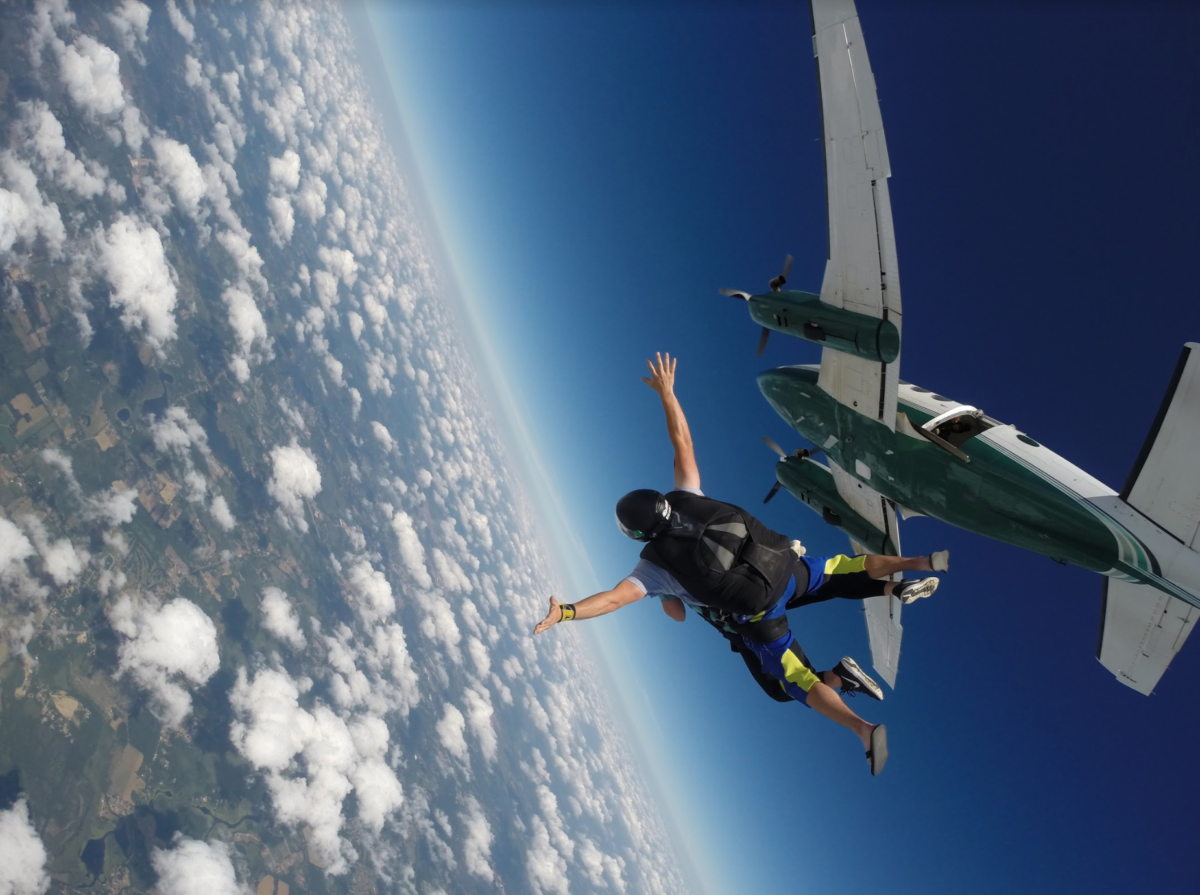
At this point, your body is flooded with endorphins and adrenaline. These chemicals make you feel energized, alert, and sometimes even euphoric. The fear from the door fades quickly, replaced by a sense of wonder. You notice the curve of the earth, the tiny towns and roads below, and the clouds around you.
A common beginner mistake is to hold your breath or tense up. Try to breathe steadily and keep your body relaxed. This helps you enjoy the freefall more and makes your movements smoother. If you find yourself getting overwhelmed, focus on one thing—maybe the cold air on your face or the view below. This grounds you and helps you stay present.
Another non-obvious insight: Freefall is surprisingly stable. Many people expect tumbling or spinning, but with the proper body position, you’ll fall straight and steady. Your instructor will help correct your posture if needed. Trust the process—your body and the airflow naturally find a balance.
Parachute Open: Sudden Quiet And New Sensations
At about 5,000 feet, your instructor pulls the parachute. There’s a quick upward tug, and suddenly, everything changes. The noise drops away, replaced by a peaceful silence. You slow down from 120 mph to about 15 mph almost instantly.
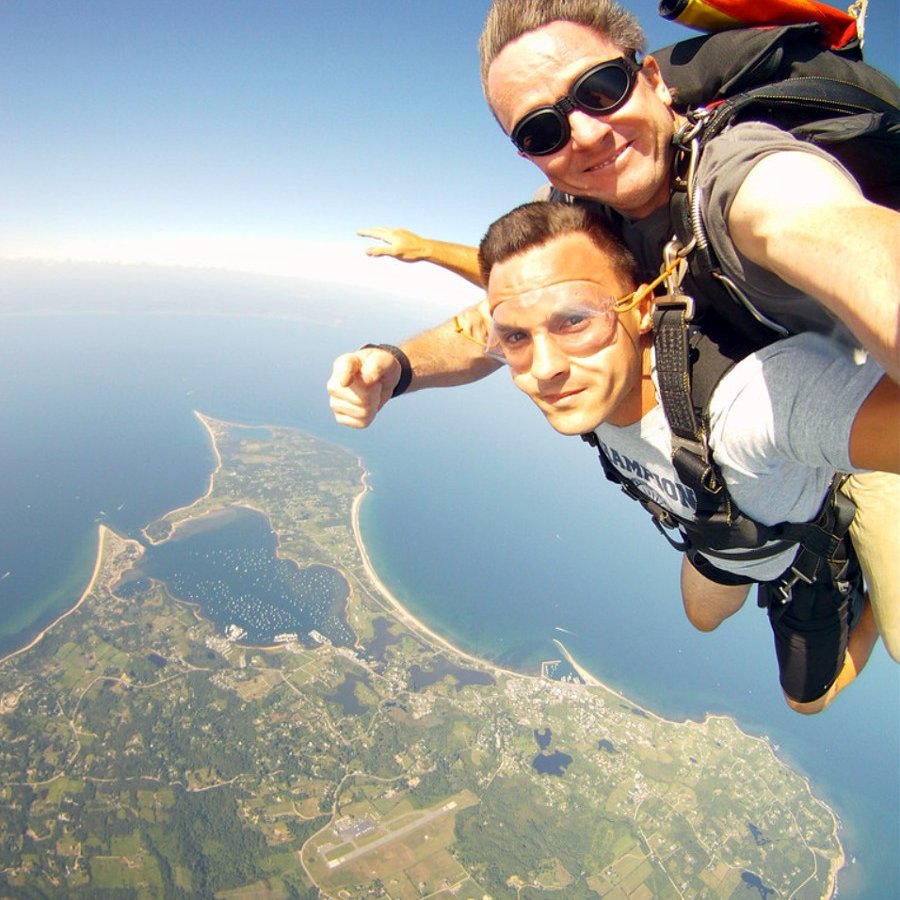
This part often surprises first-timers. After the intensity of freefall, the canopy ride feels calm and almost gentle. You can talk with your instructor, look around, and really take in the view. The world below looks vast and peaceful, with fields, forests, and buildings stretching out in every direction.
You might notice the harness pressing against your legs and shoulders. It can feel tight, but this is normal—it’s keeping you secure. Your instructor might let you hold the toggles (steering handles) and guide the parachute, turning left or right.
These gentle turns can feel like gliding or swinging, and you get to control your path through the sky.
Another insight beginners don’t expect: You have more time to enjoy the parachute ride than you think. The canopy descent usually lasts 5–7 minutes, plenty of time to take photos, wave at friends on the ground, or just soak in the experience. The world feels quiet and far away, almost like you’re floating in a dream.
If you’re feeling brave, ask your instructor about doing gentle spirals or “swoops. ” These maneuvers add a bit more excitement to the canopy ride, but always let your instructor know your comfort level.
The Landing: Back To Earth
As you get closer to the ground, your instructor prepares you for landing. You might see people waving, hear the wind in the grass, or spot the landing zone markers. The final approach is smooth, with the parachute slowing you down for a gentle touch-down.
Your instructor will tell you when to lift your legs, slide, or run a few steps as you land. Most landings are soft, especially on grassy fields. You might feel a little jolt, but nothing painful. Some people fall onto their bottom, while others stay on their feet.
As soon as you stand up, the rush of what just happened hits you. Many people feel a wave of relief and joy, mixed with pride and excitement. You might laugh, shout, or even tear up—skydiving is that powerful. The air feels fresher, colors look brighter, and your body tingles with energy.
One thing beginners often miss: Take a moment after landing to reflect. Your mind will be buzzing, but try to remember the key moments—the jump, the view, the canopy, the landing. These memories will stay with you for life.
How Your Body And Mind Change
Skydiving affects you in ways that go beyond the jump. Physically, it’s a rush of adrenaline, endorphins, and increased heart rate. Your senses are sharper, and your body feels alive. Many people say they feel more energetic and happy for hours—or even days—after a jump.
Mentally, skydiving can be transformative. Facing a big fear and stepping out of your comfort zone builds confidence. You realize you’re capable of more than you thought. Problems that seemed huge before might feel smaller after you’ve jumped out of a plane.
Some people report a sense of mental clarity or peace after skydiving. The experience forces you to be in the moment, letting go of worries and distractions. This can be a powerful lesson to carry back into everyday life.
If you’re nervous about skydiving, know that you’re not alone. Almost everyone feels some fear before their first jump. This fear is natural, and it’s part of what makes the experience so rewarding. By facing it, you learn that it’s possible to do amazing things—even when you’re scared.
Tips For Your First Skydive
If you’re thinking about making your first jump, here are some tips to help you get the most out of the experience:
- Listen to your instructor. They have thousands of jumps and know how to keep you safe and comfortable.
- Dress for the weather. Wear comfortable clothes and sneakers. The air is much colder at altitude, so layers help.
- Eat a light meal before you jump. Avoid heavy, greasy foods, but don’t go on an empty stomach—light food gives you energy.
- Stay hydrated. Drink water, especially if it’s a hot day. Avoid alcohol or caffeine right before your jump.
- Bring friends or family to watch. Sharing the experience and having support can make it even more memorable.
- Ask questions. Don’t be shy—your instructor is there to help you feel confident and ready.
- Consider a video or photo package. Having professional footage helps you relive the moment and share it with others.
- Accept your emotions. It’s normal to feel scared, excited, or even both at once. Let yourself experience the full range of feelings.
A useful insight: The fear before the jump is often worse than the jump itself. Most people find that once they leave the plane, fear turns into excitement and joy. Trust the process—you’re in safe hands, and millions of people skydive safely every year.
Why People Keep Coming Back
You might wonder why anyone would skydive more than once. For many, the first jump is just the beginning. Skydiving can become a passion, a way to meet new friends, or even a new sport to master.
With each jump, you learn more skills—how to control your body in the air, how to steer a parachute, or even how to jump solo. The community is welcoming and supportive, with people from all walks of life sharing a love for flight.
Skydiving also offers a sense of freedom and perspective that’s hard to find anywhere else. The feeling of leaving the plane, the rush of freefall, and the peace under the parachute can be deeply addictive. It’s a reminder that life is bigger and more exciting than we often realize.
Skydiving Around The World
Skydiving is popular in many countries, with unique landscapes and experiences to offer. For example, you can jump over the beaches of California, the deserts of Dubai, or the mountains of New Zealand. Each location offers different views and challenges.
If you travel for skydiving, remember that safety standards and regulations can vary. Always choose a reputable drop zone with experienced instructors. You can check ratings and reviews online or visit the [United States Parachute Association](https://uspa.org/) for guidance on finding safe, professional operators.
Final Thoughts: What Does Skydiving Really Feel Like?
Skydiving is a mix of fear, excitement, and pure joy. It pushes you out of your comfort zone and gives you a new perspective on what’s possible. From the nerves before the jump to the calm of the parachute ride and the thrill of landing, every moment is unforgettable.
If you’re thinking about skydiving, know that you don’t need to be fearless—just willing to try. The experience is safe, well-organized, and led by experts who want you to have a good time. Most of all, skydiving shows you what it feels like to let go and truly fly.
Whether you decide to jump or just watch from the ground, skydiving is a reminder that life’s best moments often begin with a single leap.