
Skydiving is one of the most thrilling sports in the world, but it’s also one where safety depends heavily on the weather conditions. Whether you’re a first-time jumper or an experienced skydiver, knowing what the sky, wind, and temperature are doing can make the difference between a fantastic jump and a day spent waiting on the ground. Many people are surprised to learn that skydiving is not just about the equipment or the plane — the weather is just as important. Understanding the required weather conditions isn’t just for pilots and instructors; every skydiver should be aware of these factors before jumping.
Why Weather Matters In Skydiving
Skydiving takes place thousands of feet above the ground where conditions can change quickly. The right weather creates a safe and enjoyable experience. On the other hand, poor weather can lead to dangerous situations like unstable parachute openings, bad landings, or even canceled jumps.

Today's Exclusive Deals
Limited-time Exclusive Deals. Check current discount on Amazon.
Check Price on Amazon As an Amazon Associate I earn from qualifying purchases.Wind, cloud cover, temperature, and humidity all play roles. Even if the weather looks calm on the ground, it can be very different at higher altitudes. Also, weather rules for skydiving are strict because mistakes can have serious consequences. The Federal Aviation Administration (FAA) and many skydiving organizations publish guidelines to keep everyone safe.
Wind: The Most Critical Weather Factor
Wind is perhaps the single most important weather element for skydiving. It affects every part of the jump, from the plane ride up to the landing on the ground.
Surface Winds
- Ideal Range: Most drop zones allow skydiving when ground winds are below 15 mph (24 km/h).
- Why It Matters: Strong surface winds can cause parachutes to collapse or drag jumpers on landing.
- Student Skydivers: Beginners usually have stricter limits, often below 12 mph (19 km/h).
- Experienced Jumpers: Some may jump in winds up to 20 mph (32 km/h), but this is rare and not recommended for most.
Upper-level Winds
- Jet Stream Effects: At higher altitudes, winds can be stronger and less predictable.
- Drift: Strong upper-level winds can push jumpers far from the drop zone, making landings dangerous or impossible.
- Typical Limit: Upper-level winds above 30 mph (48 km/h) can delay or cancel jumps.
Wind Speed Comparison Chart
| Jumper Type | Maximum Surface Wind Speed | Notes |
|---|---|---|
| Student | 12 mph (19 km/h) | Strict safety margin |
| Experienced | 15 mph (24 km/h) | Standard drop zone limit |
| Expert | 20 mph (32 km/h) | Rarely allowed |
One insight many beginners miss: gusty winds are much more dangerous than steady winds. Even if the average wind is low, sudden gusts can cause surprise problems.
Today's Exclusive Deals
Limited-time Exclusive Deals. Check current discount on Amazon.
Check Price on Amazon As an Amazon Associate I earn from qualifying purchases.Cloud Cover And Visibility
Good skydiving requires the ability to see the ground clearly, as well as other skydivers and aircraft. Cloud cover and visibility are both essential for safety.
Cloud Base And Thickness
- Minimum Clearance: The FAA requires at least 2,000 feet (610 meters) of clear air below the jump altitude.
- Why: Jumpers must see the landing area during descent.
- Cloud Thickness: Thick clouds can hide other jumpers and aircraft, leading to collisions.
Horizontal Visibility
- Standard Requirement: At least 3 miles (4.8 km) of visibility is needed.
- Fog and Haze: These conditions can make it hard to see the ground, even if clouds are not present.
- Danger: Poor visibility increases the risk of landing off-target or hitting obstacles.
Visibility Rules Quick Reference
| Condition | Minimum Requirement | Impact |
|---|---|---|
| Vertical Clearance | 2,000 ft below clouds | Required to see ground during descent |
| Horizontal Visibility | 3 miles (4.8 km) | Safe navigation and spotting |
A less obvious insight: thin clouds can sometimes look safe from the ground, but be thick enough at altitude to block vision. Always trust the pilot’s or drop zone manager’s call.
Rain, Snow, And Precipitation
Jumping through precipitation is never allowed. Rain, snow, and even light drizzle can create serious hazards.
- Parachute Malfunction: Water on the parachute can cause it to open unevenly or fail.
- Visibility: Rain and snow make it difficult to see the ground and other jumpers.
- Comfort: Even light rain feels like needles at 120 mph (193 km/h).
Why Rain Is A Hard No
Some new jumpers think a little rain is harmless, but it soaks gear, adds weight, and reduces performance. Wet jumpsuits and goggles fog quickly, making the experience miserable and dangerous.
Today's Exclusive Deals
Limited-time Exclusive Deals. Check current discount on Amazon.
Check Price on Amazon As an Amazon Associate I earn from qualifying purchases.
Temperature And Air Density
Temperature affects both the skydiver and the parachute. Cold or hot air changes how the parachute works and how comfortable the jumper feels.
Cold Weather
- Hypothermia Risk: At 13,000 ft (4,000 meters), air temperatures can be below freezing, even in summer.
- Equipment Issues: Cold can make hands numb, making it hard to use equipment.
- Parachute Performance: Cold air is denser, which can slow descent slightly and make the parachute more responsive.
Hot Weather
- Heat Stress: Hot days can cause dehydration or overheating, especially during long waits for the plane.
- Parachute Performance: Hot air is less dense, so parachutes may descend faster and feel less responsive.
Temperature Vs. Parachute Performance
| Temperature | Air Density | Parachute Response |
|---|---|---|
| Cold (< 10°C / 50°F) | High | Slower descent, sharp turns |
| Moderate (10–25°C / 50–77°F) | Normal | Standard performance |
| Hot (> 25°C / 77°F) | Low | Faster descent, sluggish turns |
A tip that many overlook: dress for the temperature at altitude, not on the ground. It can be 20°C colder at jump height than at the airport.
Thunderstorms And Lightning
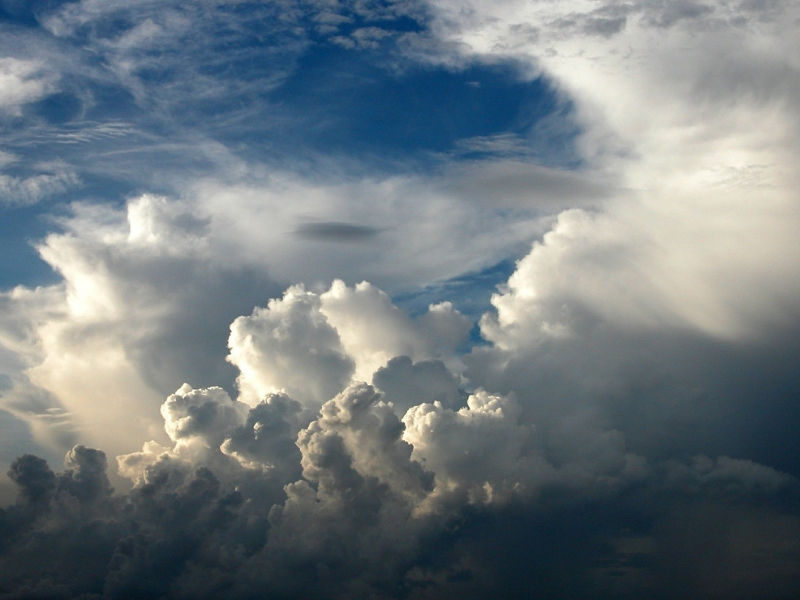
Thunderstorms are an immediate no-go for skydiving. Even distant storms can be dangerous due to high winds and unpredictable air currents.
- Lightning: Even a small risk is not acceptable. Lightning can strike miles from the main storm.
- Wind Shear: Thunderstorms can create sudden changes in wind direction and speed, which are deadly for jumpers.
- Downdrafts and Turbulence: These conditions can collapse parachutes or throw jumpers off course.
Skydiving operations will always pause for storms and wait until the area is clear and safe.
Humidity And Air Quality
While not as obvious as wind or rain, humidity and air quality also play roles in skydiving safety.
High Humidity
- Canopy Handling: Moist air is a bit denser, which can slightly help parachute response.
- Fog Formation: High humidity increases the risk of sudden fog, reducing visibility.
Air Quality
- Smoke and Pollution: These can limit visibility, making it hard to see landing areas or other aircraft.
A non-obvious insight: air pollution events, like wildfires, can cause skydiving to stop even if the weather is otherwise perfect.
Microclimates And Local Weather Patterns
Not all drop zones have the same weather. Some areas are famous for steady, clear skies, while others have unpredictable conditions.
- Mountains: Can cause sudden wind shifts and turbulence.
- Coastal Areas: Often have fog, low clouds, or sudden wind changes.
- Deserts: Daytime heating can cause thermals (rising air), which are tricky for jumpers.
Before planning a trip, check the typical weather for that region. Local instructors are the best source for advice about what to expect.
How Drop Zones Make Weather Decisions
Most skydiving centers have a set process for deciding if conditions are safe. They use:
- Weather Stations: Measure wind, temperature, and humidity on site.
- Pilot Reports: Pilots check conditions at takeoff, at altitude, and before each jump.
- Forecasts: Modern drop zones use radar and professional weather services.
- Visual Checks: Ground staff watch the sky for clouds, storms, and unexpected changes.
It’s important to know that the final decision always rests with the drop zone manager or pilot. If they say it’s unsafe, the jump is canceled—no exceptions.
What Happens When Weather Changes Mid-jump
Sometimes, conditions change after the plane has taken off. In these cases:
- Jumpers May Ride Down: If weather looks bad at altitude, the pilot can bring everyone back to the ground.
- Off-Target Landings: If winds shift, jumpers might land in a different area, so emergency landing zones are always briefed.
- Quick Decisions: All skydivers are trained to adapt and respond to changing weather.
A key point: never pressure staff or pilots to jump in marginal conditions. Safety comes first, always.
How To Check Weather For Skydiving
Anyone planning a skydive should check the forecast, but not all apps are equal. The best approach:
- Use Aviation Weather Sites: These have detailed wind, visibility, and cloud data.
- Ask the Drop Zone: Staff have more accurate, local knowledge.
- Check Multiple Sources: Conditions can change quickly, so use two or more sources.
A helpful resource is the Aviation Weather Center for up-to-date forecasts.
Common Mistakes Beginners Make About Weather
- Trusting the Ground View: It can look fine from the ground but be dangerous at jump altitude.
- Ignoring Gusts: Even if average wind is low, gusts can be strong enough to cause accidents.
- Focusing Only on Rain: Many other factors matter, not just precipitation.
- Not Dressing for Altitude: It’s much colder up high, even on hot days.
Frequently Asked Questions
What Wind Speed Is Too Dangerous For Skydiving?
For most skydiving centers, surface winds above 15 mph (24 km/h) are considered unsafe. For students, the limit is usually 12 mph (19 km/h) or less. Gusty winds are especially dangerous, even if the average wind is acceptable.
Can You Skydive Through Clouds?
No, skydiving through clouds is not allowed. Regulations require at least 2,000 feet of clear air below the jump altitude and good visibility. Clouds hide other jumpers and aircraft, making collisions more likely.
Is It Possible To Skydive In Winter?
Yes, but only if conditions are safe. Winter jumps are common in some areas, but the air is much colder at altitude. Skydivers must dress warmly and be prepared for numb fingers and cold equipment.
What Happens If The Weather Changes After Takeoff?
If conditions worsen after takeoff, jumpers may stay in the plane and return to the ground. Safety always comes first, and no one is forced to jump if the weather is questionable.
How Do Drop Zones Decide If Weather Is Safe?
Drop zones use weather stations, pilot reports, radar, and visual checks to make decisions. The final call is always made by the drop zone manager or the pilot. If they say it’s unsafe, the jump is canceled—no exceptions.
Skydiving is about adventure, but it’s also about careful planning and respect for the forces of nature. By understanding what weather conditions are required for skydiving, you’ll be ready to make smart choices and enjoy the sky with confidence. Whether you’re new or experienced, always put safety first. If in doubt, ask a professional and never risk a jump in unsafe conditions. The sky will be waiting for you when the weather is right.