Many people who own a paddle board pump eventually wonder: can this pump be used for other inflatables? Maybe you want to blow up an air mattress at the campsite, a pool float for summer fun, or even a kayak. Using one pump for everything sounds convenient—but is it possible, safe, and effective? Let’s look at how paddle board pumps work, what types of inflatables you can use them for, and important details you should know before trying.
How Paddle Board Pumps Work
A paddle board pump is made to inflate stand up paddle boards (SUPs) to a high pressure. Most SUPs need at least 12–15 PSI (pounds per square inch), and some need even more. This is much higher pressure than most pool toys or air mattresses, which usually need less than 2 PSI.
Today's Exclusive Deals
Limited-time Exclusive Deals. Check current discount on Amazon.
Check Price on Amazon As an Amazon Associate I earn from qualifying purchases.There are two main types of paddle board pumps:
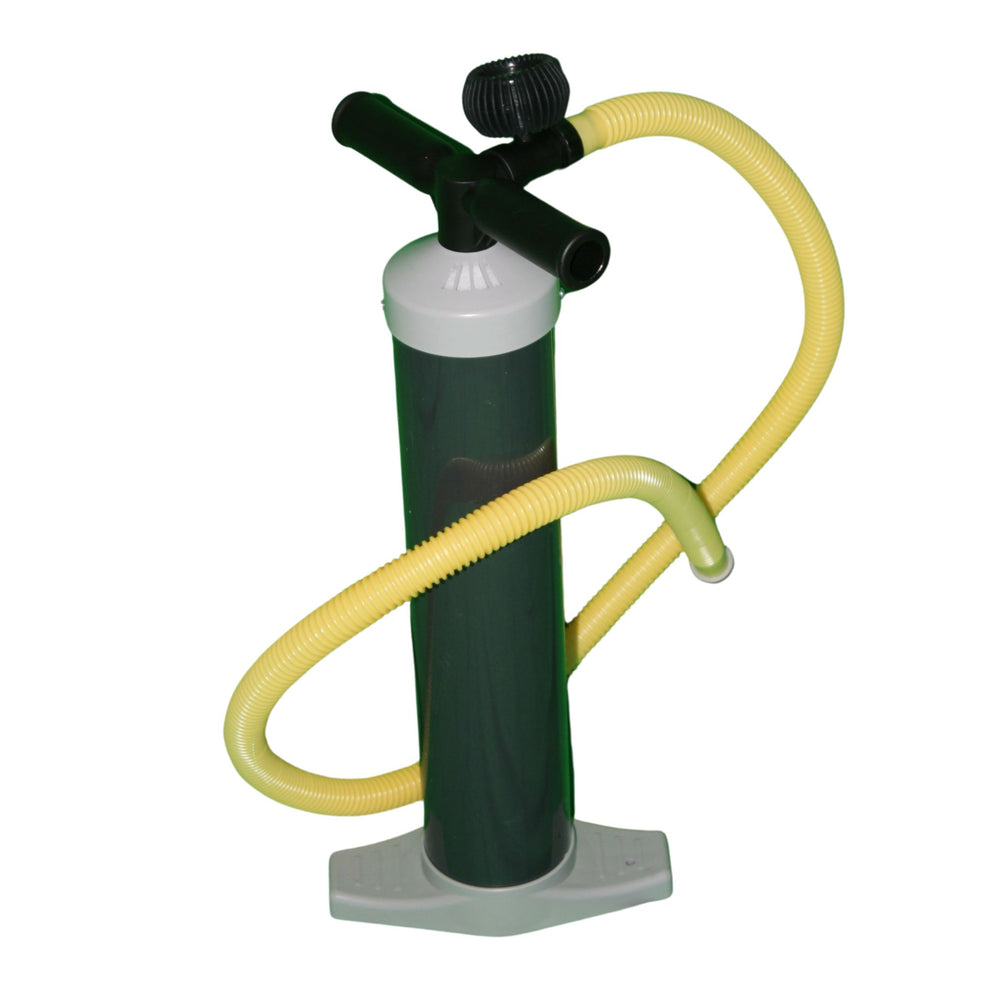
- Manual pumps — These are hand or foot-operated, usually double-action (push and pull both add air) to fill large boards faster.
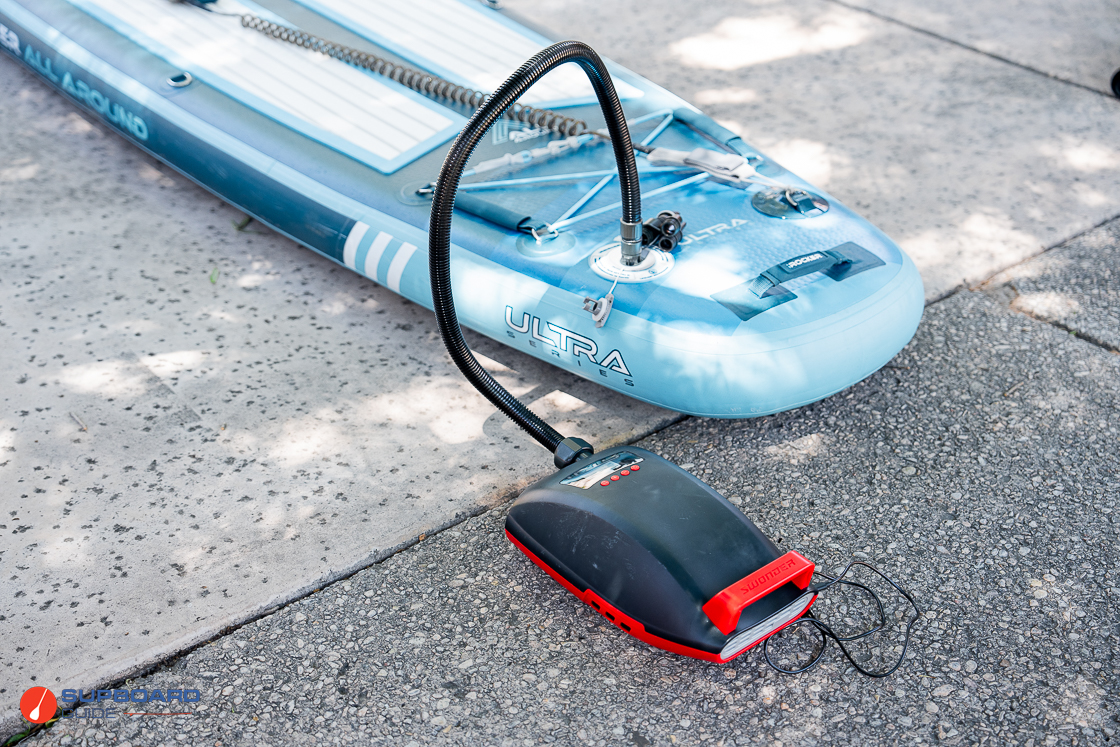
- Electric pumps — These connect to a car battery or outlet and automatically fill the board to a set pressure.
Both pump types use a special hose and valve adapter. Most SUPs use the Halkey-Roberts (HR) valve, but other inflatables may use Boston, Pinch, or other types.
The biggest thing to remember: Paddle board pumps are designed for high pressure, not just high volume. This makes them different from most air mattress or pool toy pumps.
Types Of Inflatables And Their Air Requirements
Not all inflatables are the same. They need different pressures and sometimes unique connectors. Here’s how common inflatables compare:
| Inflatable Type | Typical PSI Needed | Valve Type |
|---|---|---|
| Paddle Board (SUP) | 12–18 PSI | Halkey-Roberts (HR) |
| Inflatable Kayak | 2–4 PSI | Boston, HR, or others |
| Inflatable Boat (Raft) | 2–6 PSI | Boston, HR, or others |
| Air Mattress | 0.3–1 PSI | Boston, Pinch, or custom |
| Pool Float | 0.1–0.3 PSI | Pinch, custom |
| Inflatable Toys | 0.1–0.5 PSI | Pinch, custom |
Notice how paddle boards need much higher pressure than other inflatables. This difference is important if you want to use your pump for other things.
Can You Use A Paddle Board Pump For Other Inflatables?
The short answer: sometimes yes, but not always. Let’s break down the details.
When It Works
You can use your paddle board pump for other inflatables if:
- The valve fits or you have the right adapter.
- The inflatable can handle high pressure (or you stop at the correct pressure).
- You don’t mind a little extra effort (manual pumps can be tiring for large items).
Some good examples:
- Inflatable kayaks or boats: Many use Boston or HR valves. Most paddle board pumps can inflate these, as long as you don’t overinflate. Stop at the recommended PSI.
- Some camping pads: If they have a Boston valve, you can use your SUP pump.
- Large rafts: With the right adapter, you can fill these quickly.
When It Doesn’t Work Well
You may have problems if:
- The valve is different and you don’t have an adapter.
- The inflatable is very low pressure (pool toys, air mattresses).
- The pump is too powerful and could damage the item.
For example:
- Pool floats or air mattresses: These need very little air pressure. Paddle board pumps can fill them, but it’s easy to overinflate and damage them.
- Small toys: The pump’s hose may not fit, or it may push too much air.
Adapter Issues
Adapters are key. Paddle board pumps often come with only one or two adapters. Here’s a quick look at compatibility:
| Pump Type | Default Adapter | Works With |
|---|---|---|
| SUP Manual Pump | Halkey-Roberts | Most SUPs, some kayaks, rafts |
| SUP Electric Pump | Halkey-Roberts, sometimes Boston | SUPs, some kayaks/boats |
| Air Mattress Pump | Pinch or custom | Air mattresses, pool floats, toys |
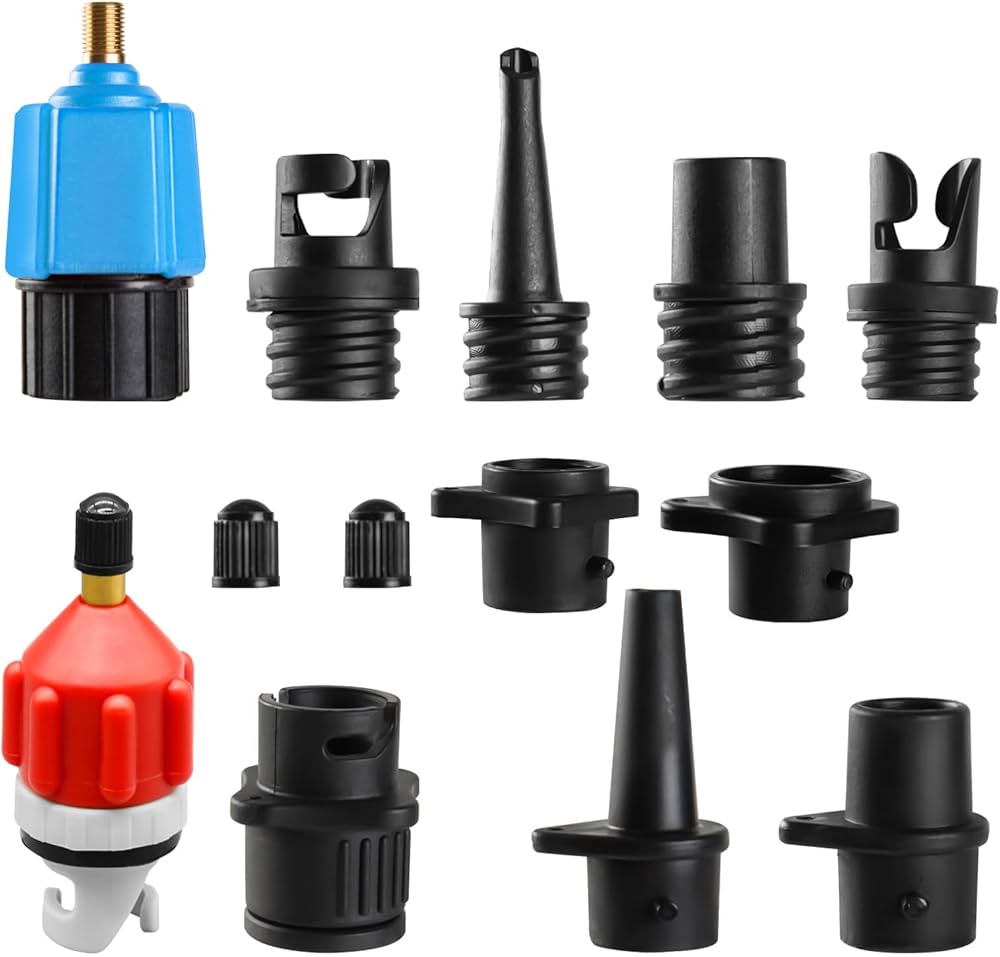
If your inflatable uses a different valve, you’ll need a universal adapter set. These are cheap and easy to find online or in outdoor stores.
Pros And Cons Of Using A Paddle Board Pump For Other Inflatables
Let’s look at the advantages and drawbacks so you can decide if it’s worth trying.
Pros
- Saves space — One pump for everything means less gear to carry.
- High pressure — Can fill boats, rafts, and kayaks that need more air than a basic mattress pump provides.
- Faster for some items — SUP pumps move a lot of air quickly.
Cons
- Risk of overinflation — Easy to add too much air to low-pressure items.
- Valve mismatch — Not all inflatables use the same connector.
- Manual effort — Filling a big air mattress with a hand pump is slow and tiring.
- Pump wear — Using the pump for jobs it wasn’t made for may shorten its life.
Step-by-step: How To Use A Paddle Board Pump For Other Inflatables
If you want to try using your SUP pump for other gear, here’s how to do it safely and effectively.
1. Check The Valve
- Identify what type of valve your inflatable has.
- Most SUP pumps come with an HR adapter. If your inflatable uses a Boston or Pinch valve, buy an adapter set.
2. Find The Correct Pressure
- Read the instructions for your inflatable.
- Never exceed the maximum recommended PSI. Air mattresses and pool toys are especially easy to burst if overfilled.
3. Attach The Pump And Inflate Slowly
- Connect the adapter securely.
- Start pumping slowly and check the firmness often, especially for low-pressure items.
- For electric pumps, use the lowest setting if possible.
4. Monitor Progress
- Stop every 30 seconds to check the firmness by hand.
- Most air mattresses and pool toys need much less air than a paddle board—just a few pumps may be enough.
5. Finish And Detach
- Remove the hose and close the valve quickly to prevent air loss.
- Never leave a high-pressure pump running unattended on a low-pressure item.
Practical tip: For pool toys or mattresses, only use the first few pumps. SUP pumps usually have a high-volume mode (double action) and a high-pressure mode (single action). Use only the high-volume mode for these items.
Common Mistakes And How To Avoid Them
Using a SUP pump for other inflatables is simple, but beginners often make a few mistakes.
Overinflating Low-pressure Items
This is the biggest risk. A paddle board pump can fill a pool float or air mattress in just a few strokes. If you keep pumping, you may pop a seam or burst the inflatable.
Solution: Pump slowly and stop as soon as the inflatable feels firm.
Forcing The Wrong Adapter
Trying to jam a connector that doesn’t fit can break your valve or pump.
Solution: Buy a universal valve adapter kit. They’re affordable and make your pump more versatile.
Using Electric Pumps Unattended
Many electric SUP pumps don’t shut off at low pressures. Leaving one running can damage the inflatable.
Solution: Always watch the inflatable as it fills, especially when using an electric pump.
Not Cleaning The Pump After Use
Using your SUP pump at the beach and then for your mattress can lead to sand or dirt in the pump or mattress.
Solution: Wipe down the hose and pump after use, especially if switching between outdoor and indoor items.
When You Should Not Use A Paddle Board Pump
Some situations just aren’t a good fit for a SUP pump:
- Tiny inflatables (kids’ toys, beach balls): The connectors are usually too big, and you may add air too quickly.
- Items with custom valves: Some brands use unique valves that require their own pump.
- When quiet operation is needed: Manual SUP pumps can be loud, especially in a quiet campground.
In these cases, a simple air mattress pump or even a lung-powered hand pump may be safer and easier.
Tips For Adapting Your Pump
If you want to get the most out of your paddle board pump:
- Buy a valve adapter kit: This makes your pump fit almost any inflatable.
- Mark your pump’s pressure gauge: Put a sticker or mark at 1 PSI as a warning for low-pressure items.
- Practice with non-essential inflatables first: Try out your system on a cheap float before risking an expensive air mattress.
- Store your adapters in a small bag: Keeping everything together makes it easy to swap between gear.
Real-world Examples
Here are a few situations where paddle board pumps work well—and where they don’t.
- Camping trip: A SUP pump can easily fill a kayak or raft. But for your air mattress, use only a few pumps and watch carefully.
- Lake day: The SUP pump is great for inflating a big floating island, as long as the valve matches.
- Family vacation: If you have both SUPs and pool toys, the pump can handle both, but be gentle and go slow with the toys.
One non-obvious insight: High-pressure paddle board pumps can make even thick-walled inflatables (like some kayaks or towables) much firmer and more stable. But for thin-walled floats, too much pressure is dangerous.
Another tip: If your pump has a deflate mode, you can use it to pack down air mattresses or rafts quickly. This is a feature that regular air mattress pumps often lack.
Safety Considerations
- Always check for leaks before and after inflation, especially if you’re using high pressure.
- Never leave children alone with high-pressure pumps.
- Read the manufacturer’s instructions for both the pump and the inflatable.
If you’re ever unsure, use a dedicated low-pressure pump for pool toys and mattresses. This avoids any risk of damage.
For more information on different types of inflatable pumps and their uses, check out this Wikipedia article on inflatable boats.
Frequently Asked Questions
Can I Use My Paddle Board Pump To Inflate An Air Mattress?
You can, but you need the correct adapter. Pump slowly and stop as soon as the mattress feels firm. Only a few strokes are usually enough. Overinflation is a risk, so pay close attention.
Will A Paddle Board Pump Work On A Pool Float?
Yes, if you have the right connector. Use gentle, short bursts and check often, since pool floats need much less air than paddle boards. Stop as soon as the float is firm.
Is It Safe To Use An Electric Paddle Board Pump For Other Inflatables?
It can be safe if you monitor the process closely. Don’t leave the pump unattended, and set the pressure as low as possible. Never use an electric pump for tiny inflatables.
What Adapter Do I Need To Make My Paddle Board Pump Fit Other Inflatables?
Most paddle board pumps use the Halkey-Roberts valve. Buy a universal adapter kit with Boston, Pinch, and other common connectors to make your pump compatible with most inflatables.
Will Using My Sup Pump For Other Items Damage It?
Occasional use on other inflatables is fine, but using it for jobs it wasn’t designed for (like large air mattresses every day) can wear it out faster. Clean the pump after use and avoid sand or dirt in the valve.
Using a paddle board pump for other inflatables can be a smart way to save space and money, but only if you know what you’re doing. With the right adapters, careful attention to pressure, and a bit of practice, your SUP pump can handle much more than just your board.
Just remember to go slow, check as you fill, and never force a fit. That way, your gear—and your adventures—will last longer.