If you enjoy stand-up paddle boarding, you know the excitement of heading out onto the water. But before you can begin, your paddle board needs to be inflated to the right pressure. This is where the high-pressure paddle board pump comes in. For many paddlers, the pump is just as important as the board itself—without the right pump, your experience can change completely. Let’s break down what a high-pressure paddle board pump is, why it matters, and how it can make your time on the water much better.
What Is A High-pressure Paddle Board Pump?
A high-pressure paddle board pump is a device made to inflate stand-up paddle boards (SUPs) to the specific air pressure they need. Inflatable paddle boards are popular because they are lightweight, portable, and easy to store. But for these boards to work well, they must be filled with air at pressures usually between 12 and 20 PSI (pounds per square inch).
Today's Exclusive Deals
Limited-time Exclusive Deals. Check current discount on Amazon.
Check Price on Amazon As an Amazon Associate I earn from qualifying purchases.These pumps are different from regular air pumps. They are built to handle much higher pressures than pumps for air mattresses or beach balls. Without the right pressure, your paddle board can feel soft, bend too much, or even be unsafe.
Types Of High-pressure Paddle Board Pumps
Choosing the right type of pump matters. There are three main types to know:
Manual Hand Pumps
Manual pumps are the most common and affordable. They are powered by your own strength. Most come in two main designs:
- Single-action pumps: Push air into the board only when you push down.
- Double-action pumps: Push air in both when you push down and pull up, making them much faster.
Double-action pumps are preferred by many paddlers because they fill the board quicker and with less effort. Some manual pumps have switches to move from double-action (for fast, low-pressure inflation) to single-action (for the final, high-pressure stage).
Electric Pumps
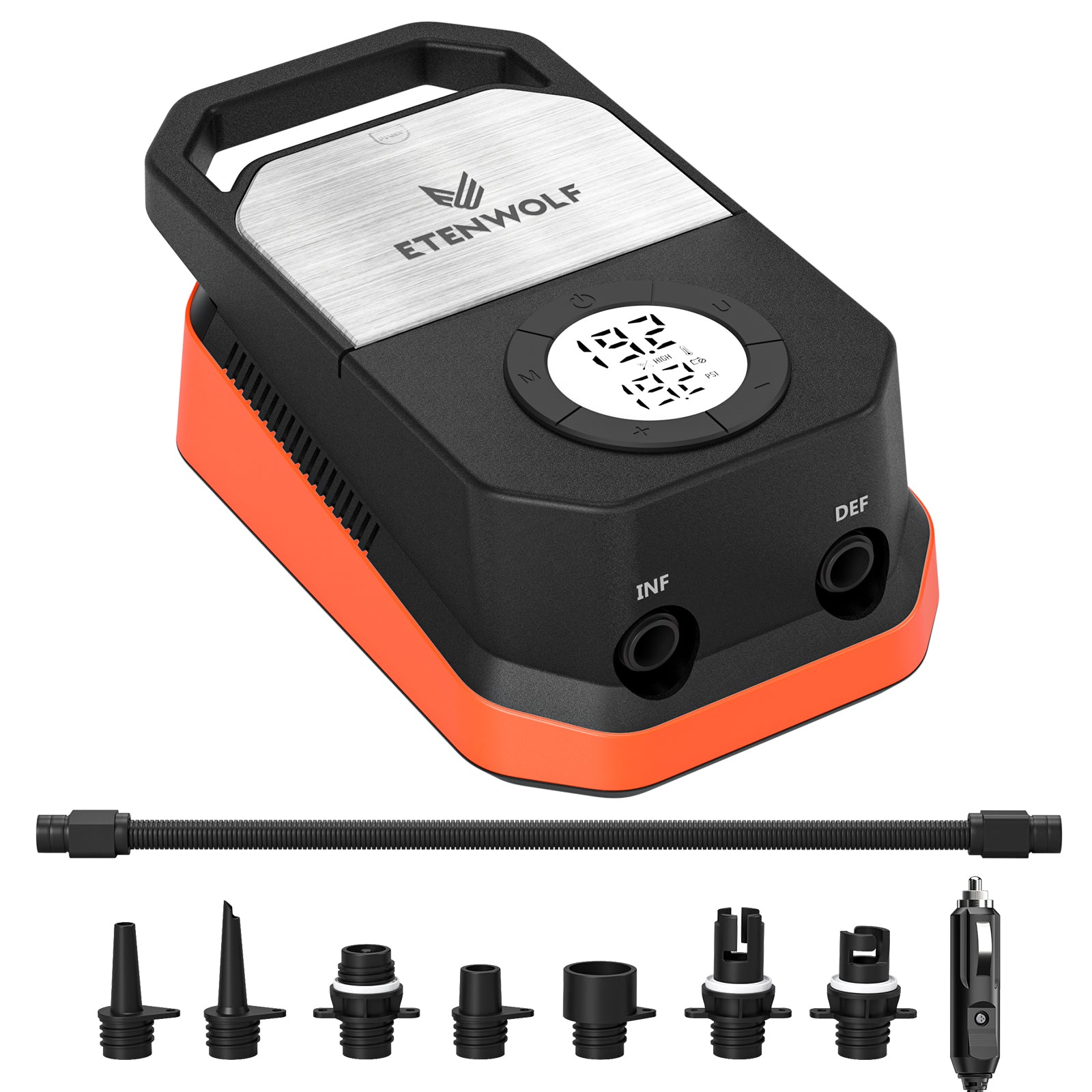
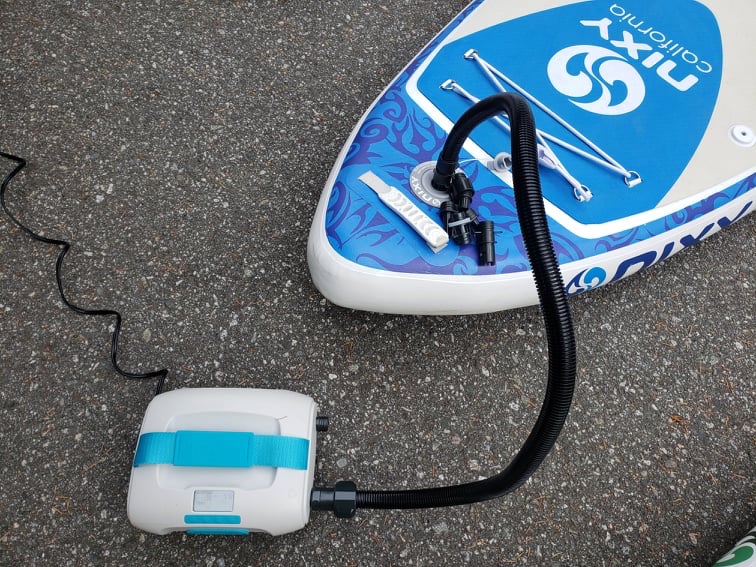
Electric paddle board pumps run from a car’s 12V outlet or a battery. You set the pressure, and the pump stops when it reaches the correct PSI. These are perfect for people who want to save energy or inflate several boards in one day. Electric pumps are heavier and cost more, but they are very convenient.
High-volume Vs. High-pressure Pumps
Some pumps move a lot of air quickly but cannot reach high pressure. Others reach high pressure but move less air with each stroke. High-pressure paddle board pumps are made to do both: fill the board quickly and reach the 15–20 PSI most boards need.
Why Does High Pressure Matter For Paddle Boards?
It’s not just about getting air in the board. The correct pressure makes a big difference:
- Performance: At low pressure, a SUP bends and feels unstable. At high pressure, it’s stiff, moves faster, and handles better.
- Safety: Boards that are not fully inflated can bend in the middle, which can cause you to fall or even damage the board.
- Durability: Proper pressure helps the board last longer. Under-inflation can lead to weak spots and leaks over time.
Key Features Of High-pressure Paddle Board Pumps
Not all pumps are equal. Here are features that make a high-pressure pump stand out:
- Pressure Gauge: Shows the PSI, so you know when to stop.
- Sturdy Hose and Valve: Must fit tightly to prevent leaks.
- Switchable Action: Lets you change from double to single action for easier final pumping.
- Compact Design: Easier to carry and store.
- Durable Materials: Good pumps use strong plastics or metals to handle high pressure.
- Ergonomic Handles: For comfort, especially when pumping to higher PSI.
- Compatibility: The pump’s nozzle must match your board’s valve (most use a Halkey-Roberts or “HR” valve).

Manual Vs. Electric Pumps: What’s Best For You?
Choosing between manual and electric pumps depends on your needs. Here’s a side-by-side look:
| Feature | Manual Pump | Electric Pump |
|---|---|---|
| Cost | Lower | Higher |
| Weight | Light | Heavier |
| Portability | Easy to carry | Bulky |
| Effort | High (manual labor) | Low (automatic) |
| Inflation Speed | Moderate | Fast |
| Best For | Single boards, fitness, remote spots | Multiple boards, convenience |
If you paddle alone and like some exercise, manual pumps are fine. If you paddle with family or friends and need to inflate several boards, or you don’t want to get tired before paddling, electric pumps are a smart choice.
How To Use A High-pressure Paddle Board Pump
Many paddlers struggle with getting the board to the right PSI. Here’s a clear step-by-step guide:
- Lay out your board: Flat, with the valve accessible.
- Attach the hose: Make sure it connects tightly to the valve.
- Check the pump setting: Start with double-action if your pump allows.
- Start pumping: Use your legs and keep your back straight.
- Watch the gauge: PSI will rise slowly at first, then faster.
- Switch to single-action: When pumping gets harder (usually above 7–10 PSI), switch if possible.
- Finish at the right PSI: Most SUPs need 12–20 PSI (check your board’s instructions).
- Remove the hose quickly: Some air may escape but should stop immediately.
- Close the valve cap: To seal the board.
Pro Tip: Don’t worry if the gauge doesn’t move at first. It often starts reading above 5 PSI.
Common Mistakes When Inflating Paddle Boards
Beginners often make a few errors:
- Stopping too soon: Boards feel stiff at 7–10 PSI but still need more air.
- Not using the gauge: Guessing can lead to under-inflation.
- Valve leaks: Not connecting the hose tightly enough.
- Over-inflation: Rare, but can damage the board if you go above the maximum PSI.
Always check your board’s recommended PSI before inflating.
The Science Behind High-pressure Pumps
High-pressure SUP pumps are designed for efficiency and safety. They use clever engineering to move a lot of air while making it possible for you to reach 15–20 PSI. Here’s how:
- Piston and cylinder: The pump uses a piston inside a strong cylinder. The tighter the seal, the higher the pressure you can reach.
- Double-action: By pushing and pulling air, you double the output.
- Pressure relief valves: Some electric pumps have these to prevent over-inflation.
Non-obvious insight: The last few PSI take the most effort, not because you’re doing it wrong, but because air compresses more as pressure rises. That’s why a double/single-action switch is so useful.
Comparing Popular High-pressure Paddle Board Pumps
Here’s a quick look at how some popular models compare:
| Pump Model | Max PSI | Type | Gauge | Weight |
|---|---|---|---|---|
| Red Paddle Co Titan II | 27 PSI | Manual Double-action | Yes | 2.5 kg |
| iRocker Electric Pump | 20 PSI | Electric | Yes | 1.7 kg |
| OutdoorMaster Shark II | 20 PSI | Electric | Yes | 1.2 kg |
| Thurso Surf Pump | 29 PSI | Manual Double-action | Yes | 2.2 kg |
This comparison shows that both manual and electric pumps can reach high pressures, but weights and features differ. Always pick a pump that matches your needs and your board’s requirements.
How To Choose The Right High-pressure Pump
Here’s what you should consider:
- Board Specs: Check your board’s PSI range and valve type.
- Usage: How often and how many boards will you inflate?
- Portability: Will you carry the pump long distances?
- Budget: Manual pumps are cheaper, electric pumps are more expensive.
- Durability: Look for strong materials and good reviews.
- Ease of Use: Electric pumps are best for ease, but manual pumps offer more control.
Insight: Some paddlers bring both a manual and an electric pump. The electric pump does the hard work, and the manual pump is backup in case of power failure.
Maintenance And Storage Tips
A high-pressure pump will last longer with proper care:
- Rinse after use: Saltwater can damage the pump.
- Store dry: Avoid leaving the pump in wet places.
- Lubricate moving parts: Some pumps need a little silicone grease.
- Check seals and hoses: Replace if they show cracks or leaks.
- Protect the gauge: Don’t drop the pump, as the gauge can break.
Regular care means your pump will be ready when you need it.
Environmental Impact
Manual pumps use only human energy, so they have no direct emissions. Electric pumps use electricity, but modern ones are very efficient. Some electric pumps even have auto-off features to save power. Remember to dispose of old pumps and batteries responsibly to protect the environment.
High-pressure Paddle Board Pumps Vs. Other Pumps
You might wonder if you can use a bike pump or air mattress pump for your SUP. The answer is usually no. Here’s why:
- Bike pumps: These can reach high pressure, but they move very little air with each stroke, so inflating a board would take hours.
- Air mattress pumps: They move a lot of air quickly but cannot reach the pressure a SUP needs.
- SUP pumps: Designed specifically to move enough air and reach high PSI.
Where To Find More Information
If you want to learn more about paddle boarding gear, check out Wikipedia’s Standup Paddleboarding page for a broad overview.
Frequently Asked Questions
What Psi Should I Inflate My Paddle Board To?
Most inflatable SUPs need 12–20 PSI. Always check your board’s manual or the label near the valve for the recommended pressure.
Can I Use An Electric Pump For All Paddle Boards?
Most electric pumps work with standard valves like the Halkey-Roberts valve. Still, check your board’s valve type and the pump’s compatibility before buying.
How Long Does It Take To Inflate A Paddle Board?
Manual pumps can take 5–10 minutes depending on your speed and the board size. Electric pumps often take about the same time but require less effort.
Why Is My Pump Gauge Not Moving?
Pump gauges usually start to show pressure only above 5 PSI. Keep pumping until the gauge needle starts moving. If it still doesn’t move, check for leaks or a faulty gauge.
How Do I Know If My Pump Is High-pressure?
A high-pressure pump will list its max PSI (often 20 or more) on the label or in the manual. It should also have a pressure gauge that measures up to at least 20 PSI.
In summary, a high-pressure paddle board pump is a key tool for inflatable SUP owners. It ensures your board is safe, stiff, and ready for adventure. With the right pump and a little practice, you’ll spend more time paddling and less time preparing.