If you love paddle boarding, you already know how important a good pump is. But what happens if you’re not sure your paddle board pump is working right? An unreliable pump can ruin your day before you even get on the water. Maybe your board takes forever to inflate, or it feels soft after pumping. Sometimes, new board owners even blame their inflatable SUP when the real problem is the pump.
Figuring out if your pump is working isn’t always simple. There are manual pumps, electric pumps, single-action, double-action, and even high-pressure pumps. Each works a bit differently. This guide will help you check any paddle board pump, understand the signs of a faulty one, and avoid common mistakes.
Today's Exclusive Deals
Limited-time Exclusive Deals. Check current discount on Amazon.
Check Price on Amazon As an Amazon Associate I earn from qualifying purchases.With a few simple steps, you can make sure your board gets firm, safe, and ready for adventure.
Understanding Paddle Board Pumps
Before you check your pump, it helps to know what type you have. Most inflatable paddle boards come with either a manual hand pump or an electric pump. Each has its own strengths and weaknesses.
| Type of Pump | How It Works | Best For |
|---|---|---|
| Single-Action Manual Pump | Pushes air in only on the down stroke | Small boards, lighter use |
| Double-Action Manual Pump | Pushes air in on both up and down strokes | Faster inflation, larger boards |
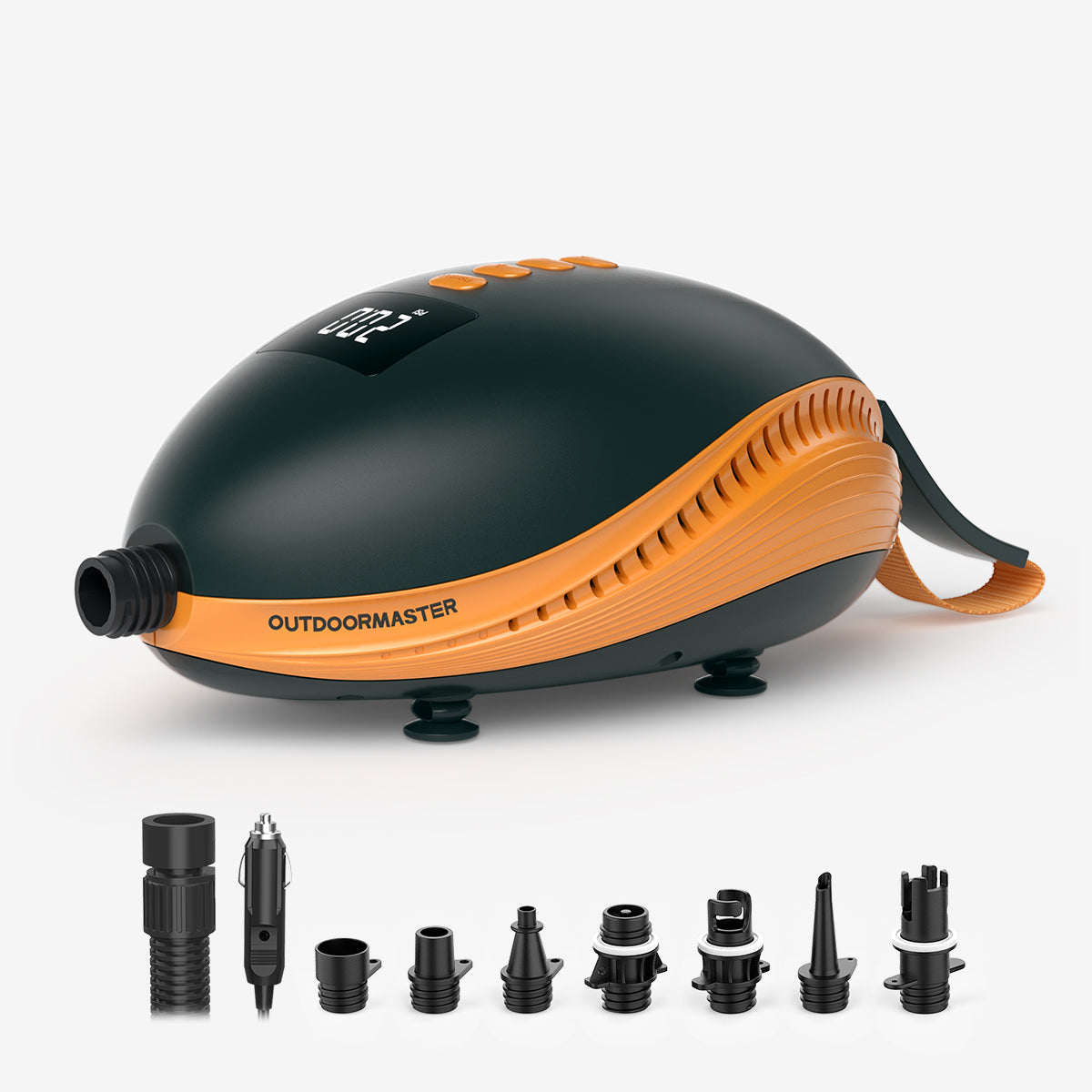
| Electric Pump | Uses a motor, connects to car or battery | Convenience, multiple boards |
| High-Pressure Pump | Designed for boards needing >15 PSI | Race boards, touring boards |
Knowing your pump type helps you spot problems. For example, a double-action pump should feel smooth both up and down, while a single-action may feel harder only on the down stroke.
Basic Signs Your Pump Is Working
Let’s start with a few simple checks. These signs can tell you quickly if your pump is at least functioning at a basic level:
- Air Movement: When you pump, you should feel and hear air moving into the board. With manual pumps, you often hear a “whoosh” sound.
- Resistance: As your board inflates, pumping should get harder. This is normal because you’re pushing against more pressure.
- Pressure Gauge Response: Most SUP pumps have a built-in gauge. The needle should move as you pump, especially after the first few minutes.
- Firm Board: After finishing, your board should feel solid and not sag under your weight.
If any of these are missing, your pump might have a problem.
Common Problems With Paddle Board Pumps
Even a new pump can have issues. Here are the most frequent problems and what they look like:
1. The Pump Moves Air, But Board Stays Soft
If you pump for 10–15 minutes and your board is still floppy, there are usually two suspects: a leaky hose connection or a faulty pump valve. Try tightening the hose and making sure the pump nozzle fits snugly into the board’s valve.
2. Gauge Doesn’t Move
A stuck or non-moving gauge is often caused by a faulty gauge or a blockage inside the pump. Sometimes, the gauge only starts to move after reaching 5–7 PSI, so give it a few minutes before you worry.
3. Air Leaks From The Pump
If you hear hissing from the hose or around the pump’s base, check for cracks or worn-out seals. Small leaks can waste your effort and make proper inflation impossible.
4. Pump Handle Feels “loose” Or Wobbly
This often means an internal piston or seal is worn out. Pumps rely on tight seals to push air efficiently. If it feels sloppy, the pump may need repair or replacement.
5. Electric Pump Stops Early Or Overheats
Electric pumps have automatic shut-off for safety. If yours stops before reaching the right pressure, check the settings or let it cool down. Overheating is common if inflating several boards in a row.
Step-by-step: Testing If Your Paddle Board Pump Works
Sometimes, you need a more careful approach. Here’s a step-by-step guide to test your pump and find problems you might miss.
Step 1: Inspect Your Equipment
- Check the hose for cracks or splits.
- Look at the valve connection for dirt, sand, or damage.
- Make sure the pump handle and shaft move smoothly.
Step 2: Attach Pump And Listen
Connect the pump to your board. Pump slowly at first and listen for air leaks at both the hose and the board valve. If you hear hissing, tighten connections.
Step 3: Watch The Pressure Gauge
Begin pumping at a steady pace. Most gauges don’t move until you reach 5–7 PSI, so don’t worry if it stays at zero early on. Once you get close to the right pressure (often 12–15 PSI), the needle should rise.
If it never moves, the gauge or pump may be faulty.
Step 4: Feel Board Firmness
After reaching the recommended PSI, press down on the board with your hand or knee. It should feel very firm, with little give. If it’s soft, but the gauge says you’re at full pressure, the gauge might be broken.
Step 5: Try The Pump With No Board
Take the hose off the board but leave it attached to the pump. Pump a few times with your hand over the end of the hose. You should feel strong air pressure. If not, the pump may have an internal leak.
Comparing Manual Vs. Electric Pumps
Choosing the right pump is key to easy and quick setup. Let’s compare manual and electric pumps side by side:
| Feature | Manual Pump | Electric Pump |
|---|---|---|
| Setup Time | 5–10 minutes | 3–8 minutes |
| Effort Needed | High (physical work) | Low (just attach and wait) |
| Risk of Over-Inflation | Low (you control pressure) | Medium (if no auto-shutoff) |
| Portability | Very portable | Needs power source |
| Maintenance | Less frequent | Needs occasional checks |
Manual pumps are simple and reliable, but electric pumps save your strength for paddling. If you use your board often, an electric pump can be a smart investment.
Advanced Tips: What Most Beginners Miss
Many new paddle boarders overlook small details that make a big difference. Here are two insights that can save you time and trouble:
- Valve Pin Position Matters: On most SUPs, the valve pin should be up before you connect the pump. If it’s down, air escapes as soon as you finish pumping, making you think the pump is broken.
- Pumping Technique Affects Results: Short, fast pumps can trap air and make inflation harder. Use long, steady strokes for better airflow and easier pumping.
Another beginner mistake is ignoring the pump filter (if yours has one). Dust and sand can clog the pump, making it less effective. Clean the filter every few uses.

Troubleshooting: When Your Pump Still Doesn’t Work
If you’ve checked everything above and your pump still isn’t working, try these steps:
- Test With a Friend’s Pump: If possible, use another pump on your board. If their pump works, the problem is with your pump, not the board.
- Swap the Hose: Sometimes the hose alone is cracked or leaking. If you can, borrow a hose and see if that fixes the issue.
- Check the O-Rings: Manual pumps have rubber O-rings inside. If these wear out or dry up, the pump loses pressure. You can buy replacement kits for most brands.
- Consult the Manufacturer: Some brands have specific instructions or troubleshooting guides. Check the website or customer support.
If your pump is under warranty, don’t try to open it yourself—this can void the guarantee.
How To Maintain Your Paddle Board Pump
Keeping your pump in good condition will make it last longer and work better. Here’s how:
- Rinse Off Sand and Dirt: After every trip, wipe down the pump and hose.
- Store in a Cool, Dry Place: Sun and moisture can crack plastic parts.
- Lubricate Moving Parts: A little silicone spray keeps the piston and seals working smoothly.
- Avoid Over-Pumping: Pumping past the recommended PSI can damage both the pump and the board.
- Check for Wear: Inspect hoses, connections, and the pressure gauge regularly.
If you paddle board in saltwater, rinse the pump with fresh water to prevent corrosion.
When To Replace Your Pump
Even the best pump won’t last forever. If you notice these issues, it might be time for a new one:
- The handle moves easily, but no air comes out.
- The pressure gauge never moves, even with another board.
- Air constantly leaks from the base, hose, or connections.
- You see visible cracks or broken parts.
- Your pump takes twice as long as before to inflate the same board.
On average, a well-cared-for manual pump lasts 2–4 years, while electric pumps may last up to 5 years with light use.
Paddle Board Valve Vs. Pump Problems
Sometimes, the board valve is the real problem, not the pump. Here’s how to tell:
- If air leaks out as soon as you disconnect the pump, the valve pin is likely down or the valve itself is faulty.
- If you hear bubbling when the board is in water, the valve may not be sealed.
Most SUP valves can be tightened with a special wrench (often included with the board). If that doesn’t help, a replacement valve might be needed. For more on valve care, see the Inflatable Boat Wikipedia page.

Frequently Asked Questions
How Can I Tell If My Sup Pump Gauge Is Accurate?
If your board feels soft at the recommended PSI, or if you can easily press down with your hand, the gauge may be off. Compare your pump’s gauge with another pump, or use a separate pressure tester for accuracy.
What Psi Should My Paddle Board Be?
Most inflatable SUPs need 12–15 PSI for general use. Racing or touring boards may require up to 20 PSI. Always check your manufacturer’s guide.
Why Does My Board Lose Air After Pumping?
This can be caused by a leaky valve, a damaged board, or a faulty pump connection. Make sure the valve pin is up and the pump fits tightly.
Can I Use My Paddle Board Pump For Other Inflatables?
Most SUP pumps work for kayaks, boats, or air mattresses, but you may need a different adapter. Manual SUP pumps can inflate most items, but electric pumps may have pressure limits.
How Often Should I Replace My Paddle Board Pump?
With good care, manual pumps last 2–4 years. Electric pumps can last longer if not overheated. Replace your pump if it shows signs of damage or poor performance.
A working paddle board pump is essential for safe, enjoyable SUP adventures. By checking your pump regularly and following these tips, you can spot problems early and keep your board ready for action. Small details—like valve position, hose condition, and pumping technique—make a big difference.
If you’re ever unsure, don’t hesitate to ask for help from your local SUP shop or fellow paddlers. With a reliable pump, you’ll spend more time on the water and less time on the beach.