Snowboarding Vs Skiing: The Ultimate Comparison
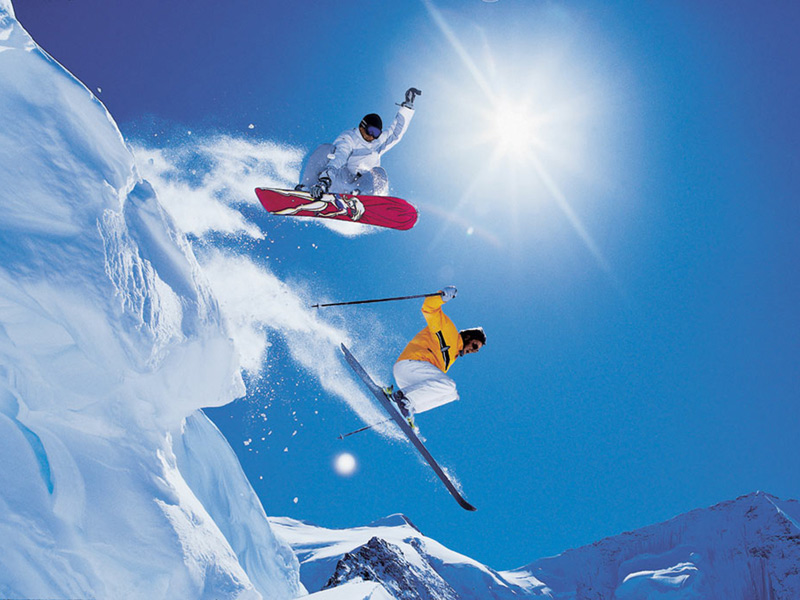
The snowy mountains call to adventurers each winter, but a question often divides them: snowboarding or skiing? Both sports offer speed, freedom, and a rush of adrenaline, yet they are far from the same. Choosing between them isn’t just about picking a piece of equipment—it’s about finding a style, a learning curve, and a way to experience the mountain that matches your personality and goals.
Maybe you’re planning your first trip to a ski resort, or perhaps you want to switch from skis to a board, or vice versa. The choice can feel overwhelming because both sports have passionate fans and long traditions. From the way you stand on the snow, to the skills you’ll build, to how your body feels after a day on the slopes—there are clear differences.
Today's Exclusive Deals
Limited-time Exclusive Deals. Check current discount on Amazon.
Check Price on Amazon As an Amazon Associate I earn from qualifying purchases.Let’s dive deep and uncover what makes each sport unique, what they share, and which one might be right for you.
The Basics: What Are Snowboarding And Skiing?
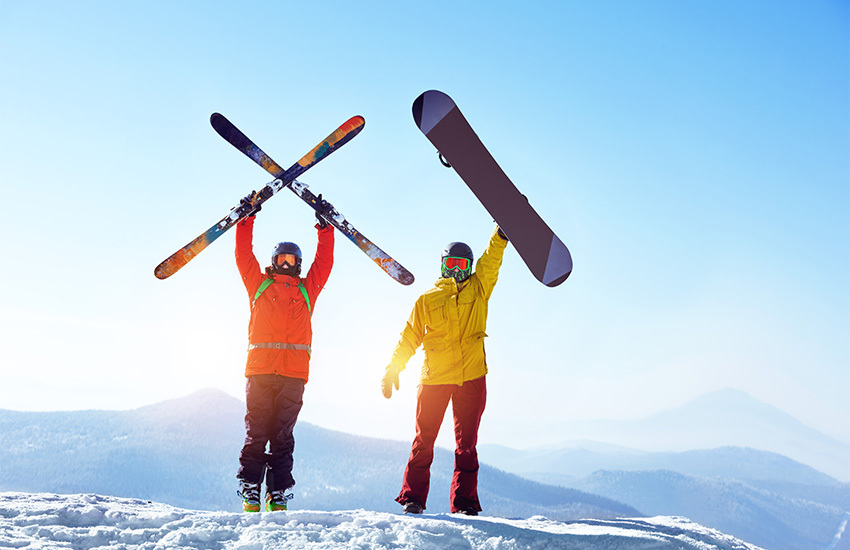
At their core, both sports are about gliding down snow-covered hills. The main difference is how you stand and what equipment you use.
Skiing uses two separate skis, one on each foot. You face forward, with your feet pointed straight ahead and your weight divided evenly. Ski poles are often used for balance and speed.
Snowboarding uses a single board. Both feet are strapped in, side by side, facing across the hill (not straight down). You use your body to steer, with no poles.
Both sports take you down the same slopes, but the movements, techniques, and even culture can feel quite different.
Equipment Differences
Understanding the gear is the first practical step. Here’s a closer look at what you’ll use for each sport.
Skis And Bindings
Skiers wear ski boots that click into bindings on each ski. The skis are long, narrow, and usually have a curved shape (sidecut) to help with turning. Bindings are designed to release your boot in a fall, reducing injury risk.
Snowboards And Bindings
Snowboarders use a single board with two bindings fixed at angles. Both feet stay attached at all times. Snowboard boots are softer and more flexible than ski boots, offering comfort but less precision.
Poles
Skiers use poles for pushing, balance, and timing turns. Snowboarders don’t use poles at all—they rely on body movement.
Helmets And Protective Gear
Both sports require helmets for safety. Many riders use wrist guards (especially snowboarders), knee pads, or padded shorts for extra protection.
Clothing
Layered, waterproof, and insulated clothing is important for both. However, snowboarders often wear slightly looser clothes for flexibility and style.
Learning Curve: Which Is Easier To Learn?
One of the biggest questions beginners ask: “Which is easier to learn—skiing or snowboarding?”
First Days On The Snow
- Skiing is often easier to stand up and start moving. Most beginners can slide a bit and stop with a “pizza” (wedge) technique.
- Snowboarding feels awkward at first. Getting up, standing, and balancing are tough. Many beginners spend more time falling.
Progression
- Skiers usually pick up the basics faster. Turning and stopping can feel more natural early on.
- Snowboarders often struggle more at first, but after a few days, progress speeds up. Linking turns and controlling speed become easier.
Mastery
- Both sports become more challenging as you advance. Skiing offers more control on steep and icy slopes, while snowboarding demands finesse in powder and park terrain.
Non-obvious insight: The biggest difference is in the first week. After that, the difficulty levels become similar for most people. Physical fitness, balance, and attitude matter more than the sport itself.
Physical Demands And Muscle Use
Both sports are great workouts, but they use the body in different ways.
Skiing
- Works the quadriceps, hamstrings, and calves. The knees do a lot of work, especially on tough slopes.
- Poles engage the arms, shoulders, and core.
- Movements are often symmetrical, which can be easier for some beginners.
Snowboarding
- Heavy focus on the core, glutes, and obliques (side muscles).
- Lower body, especially the calves and thighs, work hard to shift the board.
- Frequent falls can bruise wrists and tailbone. Many beginners feel sore in new places.
Non-obvious insight: If you have knee issues, snowboarding may be less stressful, while people with ankle or back problems might find skiing easier.
Injury Risks And Safety
Every sport carries some risk, but the types of injuries are different.
| Sport | Common Injuries | Injury Prevention Tips |
|---|---|---|
| Skiing | Knee ligament tears, thumb sprains, shoulder injuries | Proper binding settings, knee braces, lessons |
| Snowboarding | Wrist fractures, tailbone bruises, shoulder dislocations | Wrist guards, padded shorts, learning to fall correctly |
Key point: Snowboarders fall more often, but usually at lower speeds. Skiers crash less but may have higher-speed falls.
Terrain And Style
Both sports let you explore the mountains, but some types of terrain suit one better than the other.
Groomed Runs
- Skiers and snowboarders both enjoy wide, smooth slopes.
- Skiers find it easier to control speed and direction on icy or very steep runs.
Powder
- Snowboarding shines in deep powder. The board floats, and the ride feels smooth.
- Skiers need special fat skis for best results in deep snow.
Terrain Parks
- Snowboarders often dominate terrain parks with jumps, rails, and tricks.
- Skiers also perform well in parks, but snowboarding’s style and stance make tricks feel more natural.
Off-piste And Backcountry
- Both sports can go off-trail, but skiers have an advantage in rough, variable terrain and uphill travel (with special equipment).
- Splitboards let snowboarders climb, but it’s more complex.
Real-world example: In the Alps, you’ll see both groups on the same mountain, but off-piste skiers often outnumber snowboarders.
Learning Costs And Accessibility
How easy is it to get started, and what does it cost?
Lessons
- Both sports benefit from professional lessons, especially at first.
- Private lessons can cost $60–$120 per hour; group lessons are cheaper.
Equipment Rental
- Renting skis, boots, and poles usually costs $40–$60 per day.
- Snowboard rental is similar, but sometimes a bit cheaper due to fewer items.
Lift Tickets
- The price is the same for both sports—expect $60 to $200 per day depending on the resort.
Used Vs. New Gear
- New gear is expensive ($500+ for everything), but used equipment can save a lot.
- Buying used is safer in skiing, since boots and bindings are more standardized.
Practical tip: Don’t buy new equipment for your first trip. Rent, learn what you like, then invest.
Weather And Conditions
How Do Snowboarding And Skiing Perform In Different Weather?
Ice
- Skiers have more edges in contact with the snow, making ice easier to handle.
- Snowboarders find ice slippery and tricky to control.
Powder
- Snowboards float naturally, especially wide boards.
- Skiers need wider skis or advanced technique.
Slush And Spring Snow
- Both sports can struggle, but snowboarders often find wet snow more tiring.
Flat Sections
- Skiers use poles to push across flat spots.
- Snowboarders often have to unclip and walk or “skate” with one foot.
Beginner mistake: Not checking the weather and snow report before choosing your gear for the day.
Progression And Skill Development
Where Can You Go Once You’ve Mastered The Basics?
Advanced Skiing
- Mastering moguls, carving fast turns, racing, and backcountry touring.
- Skiers often specialize: Alpine, freestyle, telemark, or cross-country.
Advanced Snowboarding
- Freestyle tricks, halfpipe, big mountain riding, splitboarding for backcountry.
- Style and creativity are a big part of progression.
Cross-training
- Many athletes learn both sports. Switching improves balance, awareness, and overall skill.
Non-obvious insight: The mental approach matters. Skiers often focus on technical precision, while snowboarders focus on flow and creativity.
Culture And Community
The “feel” of each sport is shaped by its history and community.
Skiing
- Older, with roots in European tradition.
- Seen as classic, sometimes formal, with a focus on technique.
- Resorts often have a mix of families, racers, and casual skiers.
Snowboarding
- Grew out of skateboarding and surfing culture in the 1960s–80s.
- Seen as youthful, creative, and sometimes rebellious.
- Parks and freestyle events are more common.
Gender And Age
- Both sports are open to all, but skiing still has more older participants.
- Snowboarding is popular with teens and young adults, but many riders are now in their 40s and beyond.
Interesting fact: Many resorts once banned snowboarding, but now almost all welcome both sports.
Weather And Gear Maintenance
Keeping your gear in good shape affects your experience.
Ski Maintenance
- Skis need regular waxing, edge sharpening, and binding checks.
- Boots should fit snugly, with no pressure points.
Snowboard Maintenance
- Boards need waxing and edge sharpening, but less often.
- Bindings and boots are simpler, but check screws and straps.
Storage
- Dry everything after use to prevent rust and odor.
- Store in a cool, dry place away from sunlight.
Pro tip: Many shops offer overnight tuning. A freshly tuned board or skis make a huge difference, especially on hard snow.
Travel And Resort Experience
How Does Each Sport Affect Your Day At The Resort?
Getting Around
- Skiers can move easily between lifts, across flat ground, and even up short hills.
- Snowboarders sometimes struggle on long, flat traverses and need to unstrap.
Lifts
- Chairlifts are similar for both, but snowboarders must unstrap one foot.
- Drag lifts (T-bars, rope tows) are easier for skiers.
Resort Policies
- Most resorts are fully open to both sports, but a few (like Alta in Utah) still ban snowboarding.
Apres-ski Culture
- Both sports share the same social scene: Hot chocolate, fireside chats, and music at the lodge.
Common mistake: Not checking lift systems before choosing a mountain—some older resorts have more drag lifts, which can be tricky for snowboarders.
Environmental Impact
Both sports depend on healthy mountains, but their impact differs.
Equipment Production
- Ski and snowboard manufacturing uses similar materials: Wood, plastic, metal.
- Some brands now use recycled materials and eco-friendly processes.
Slope Maintenance
- Ski slopes need grooming, which uses fuel and electricity.
- Snowboarders don’t require special terrain, but parks use extra resources for jumps and rails.
Travel
- Getting to resorts (driving or flying) is the biggest environmental factor for both.
Sustainable tip: Support resorts and brands that invest in renewable energy and mountain conservation.
Cost Over Time
Let’s compare the long-term expenses of both sports.
| Expense Type | Skiing (Annual) | Snowboarding (Annual) |
|---|---|---|
| Gear Maintenance | $80-$150 | $60-$120 |
| Lift Pass | $600-$2,000 | $600-$2,000 |
| Lessons | $200-$400 | $200-$400 |
| Replacement Gear | $250-$700 | $200-$600 |
Observation: The costs are similar, though snowboarding can be slightly cheaper due to fewer parts and less frequent maintenance.
Progression Chart: How Fast Do People Improve?
Learning rates differ for each sport. Here’s a rough comparison:
| Day | Skiing (Typical Skills) | Snowboarding (Typical Skills) |
|---|---|---|
| 1 | Slide, stop, turn wedge | Stand up, slide, fall often |
| 3 | Link turns, handle small slopes | Link turns, control speed |
| 7 | Explore blue runs, basic parallel turns | Confident on blue runs, start trying tricks |
| 30+ | Advanced terrain, moguls, off-piste | Advanced terrain, tricks, powder riding |
Key takeaway: Skiers improve fast in the first days; snowboarders catch up quickly after the basics.
Which One Should You Choose?
You’ve seen the facts, but how do you decide what’s right for you? Consider these points:
- Personal Preference: Do you like facing forward (skiing) or sideways (snowboarding)?
- Learning Style: Do you want quick early progress (skiing) or are you okay with a tough start for fast progression later (snowboarding)?
- Body Type and Health: Knee issues? Consider snowboarding. Wrist or back problems? Try skiing.
- Terrain Goals: Dream of deep powder and park tricks? Snowboarding might win. Want to ski off-piste or uphill? Skiing leads.
- Friends and Family: If your group is mostly skiers or snowboarders, starting with them helps.
- Style and Culture: Prefer classic tradition or modern creativity?
Experience-based guidance: Don’t overthink it. Try both if you can—many people switch or learn both over time.
Common Myths And Misconceptions
Let’s clear up a few misunderstandings:
- “Snowboarding is only for young people.” Not true—riders of all ages enjoy it.
- “Skiing is only for the rich.” While skiing can be expensive, many resorts offer deals and used gear.
- “You must pick one and stick with it.” Many advanced riders switch between sports based on mood, weather, or terrain.
- “Skiing is safer.” Both sports have risks; the most important thing is to learn and progress safely.
Real Experiences And Stories
Many people have tried both sports and found different joys in each. For example, a skier who tries snowboarding might struggle at first, but later enjoy the feeling of “surfing” powder. A snowboarder who learns to ski may discover the thrill of racing down steep, icy slopes.
If you’re still unsure, watch videos of both sports, talk to instructors, or visit a local resort just to observe. The mountain is big enough for everyone.
For more detailed background on the history and development of both sports, you can check the Wikipedia page on skiing.

Frequently Asked Questions
What Is Easier For Beginners, Skiing Or Snowboarding?
Skiing is often easier to start because you can balance and stop more easily. Snowboarding has a tougher first day or two, but many riders progress quickly after learning the basics.
Which Sport Is More Dangerous, Skiing Or Snowboarding?
Both sports have risks, but the types of injuries differ. Skiers often hurt their knees, while snowboarders injure wrists. Safety gear and lessons reduce risks in both.
Can You Switch From Skiing To Snowboarding Easily?
Yes, many people learn both. Your balance, snow awareness, and fitness help, but each sport has a unique feel and learning curve.
Is Snowboarding Or Skiing Better For Kids?
Both are good for kids. Skiing might be easier for very young children because of the stance and ability to walk. Snowboarding is often recommended from age 6 or 7 and up.
Do All Ski Resorts Allow Snowboarding?
Almost all resorts welcome both sports. A few, like Alta in Utah, still ban snowboarding, but they are rare.
Making your choice between snowboarding and skiing can shape your winter adventures for years to come. Remember, the best sport is the one that makes you excited to get outside, learn, and enjoy the snow. Both have unique challenges and rewards—so get out there and see which one feels like yours.