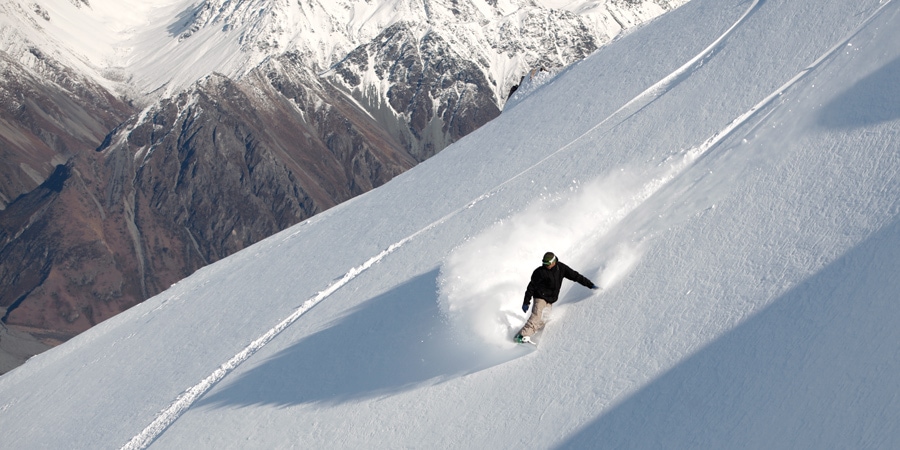
Riding powder on a snowboard is a dream for many riders. There’s nothing like the feeling of floating through deep, untouched snow. But powder riding is very different from regular groomed runs. If you want to enjoy these magical days and avoid getting stuck or tired, you need to know a few key techniques.
Whether you’re new to snowboarding or already comfortable on the slopes, learning how to ride powder will open up a whole new world. This guide will give you all the advice, tips, and steps you need to master powder riding.
What Makes Powder Riding Different?
Powder is fresh, soft snow. Unlike icy or packed trails, powder is loose and deep. This means your snowboard acts differently. You will feel more resistance, your board may sink, and turning becomes harder. But with the right skills and mindset, powder can feel like surfing on snow.
Here’s what changes in powder:
- Slower speed: You’ll move slower because the snow is soft.
- Less edge control: Your edges grip less, so you must steer with your whole body.
- More float: Good technique can make you feel weightless over the snow.
Powder riding is all about flow and balance, not speed or sharp turns.
Choosing The Right Snowboard And Gear
Your board and gear make a big difference in powder. The wrong equipment can make riding much harder.
Snowboard Shape And Size
A powder board is usually:
- Longer: More surface area helps you float.
- Wider: Prevents you from sinking.
- Directional shape: The nose is bigger than the tail for better glide.
Some all-mountain boards work, but true powder boards make it much easier. If you’re using a regular board, choose one with a rocker profile (upturned nose).
Stance Setup
Adjusting your stance helps you ride powder:
- Set back your bindings: Move them closer to the tail. This shifts your weight back, making the nose float.
- Lower your stance angle: Helps you stay relaxed and balanced.
Other Gear Tips
- Wear powder-specific goggles: Snow can fly up and block your view.
- Use a powder leash: Makes it easier to find your board if you fall deep.
- Dress in layers: You may fall and get wet, so waterproof outerwear matters.
Here’s a quick comparison of typical board setups:
| Feature | All-Mountain Board | Powder Board |
|---|---|---|
| Length | Short to medium | Medium to long |
| Width | Standard | Wider nose |
| Shape | Twin or directional twin | Directional |
| Profile | Camber/flat/rocker mix | Rocker (nose up) |
Getting Ready: Mindset And Preparation
Powder days can be the best or the most frustrating, depending on your mindset.
- Be patient: Powder is harder at first. Don’t expect to master it in one day.
- Warm up: Deep snow tires your muscles. Stretch and do a few easy runs.
- Check avalanche safety: If you ride off-piste, always check avalanche warnings and carry safety gear.
One mistake beginners often make is getting too excited and rushing in. Take a moment to plan your line and watch other riders.
How To Ride Powder: Key Techniques
Learning to ride powder is a mix of skill and feel. Here are the most important techniques:
1. Stay Relaxed And Centered
Your body should be loose, not stiff. Bend your knees and ankles. This helps you react to bumps and keep your balance.
- Do not lean too far back: Leaning back helps float, but too much makes you lose control.
- Float, don’t fight: Let the board do the work. Avoid sudden movements.
2. Shift Your Weight Back (but Not Too Much)
In powder, you want the nose of your board to stay above the snow. Shift your weight slightly back, but not all the way on your tail.
- 60% weight on back foot, 40% front: This is a good starting point.
- Adjust as needed: In deeper snow, shift more weight back, but always keep some on the front to steer.
3. Use Big, Smooth Turns
Sharp turns cause your board to sink. Make wide, arcing turns. Use your whole body to steer, not just your feet.
- Look where you want to go
- Keep your movements round and slow
- Use your shoulders and hips
4. Keep Your Speed
Speed is your friend in powder. If you go too slow, you’ll sink and stop. Start with a little extra speed at the top of a run, and keep moving.
- Do not brake too much
- If you slow down, point your board downhill to pick up speed again
5. Use Your Arms For Balance
Powder is unpredictable. Spread your arms out for balance, especially in deep snow or uneven terrain.
- Imagine you’re balancing on a tightrope
- Keep your hands in front of you
6. Stay High On The Snow
Try to ride on top of the snow, not through it. This is called “planing. ” Use your board’s shape and speed to float.
- Press gently on your back foot
- If you start to sink, shift more weight back and increase your speed
7. Get Up After A Fall
Falling in powder is common, even for experts. But getting up can be hard because the snow is soft. Here’s how:
- Roll onto your back or side.
- Move your board underneath you.
- Use your hands to push yourself up—sometimes you need to dig a little shelf in the snow.
- Try to stand up facing across the slope, not straight up or down.
8. Avoid Flat Spots
If you stop on a flat area, you might get stuck. Always keep some speed through flats, and choose lines with a gentle slope.
9. Read The Terrain
Powder hides rocks, tree stumps, and other obstacles. Watch for changes in the snow’s texture or color. Ride with a buddy if you’re exploring new terrain.
- Look ahead, not just down
- Avoid tree wells and sudden drops
10. Practice, Practice, Practice
Powder riding feels strange at first. It takes time to learn how much weight to use and how to turn. The more you practice, the more natural it becomes.
Common Mistakes Beginners Make
Even advanced riders make mistakes in powder. Here are some to avoid:
- Leaning too far back: Makes it hard to turn or control your board.
- Trying to turn sharply: Causes you to sink or flip.
- Stopping on flat areas: You’ll get stuck and need to hike out.
- Wearing the wrong gear: Wet clothes or the wrong board make riding miserable.
A quick comparison of what works and what doesn’t:
| Good Habit | Bad Habit |
|---|---|
| Smooth, wide turns | Sharp, quick turns |
| Balanced stance | Leaning far back |
| Looking ahead | Staring at your feet |
| Keeping speed | Stopping on flats |
Advanced Powder Riding Tips
Once you’re comfortable, you can start to add style and tackle tougher terrain.
Learn To Ollie And Pop
In deep snow, you can use the snow’s softness to jump off small bumps and rollovers. This helps you clear obstacles and adds fun to your run.
Riding In Trees
Powder in the trees is amazing, but you need to stay alert. Make tight, gentle turns. Always look between the trees, not at them.
Slashes And Sprays
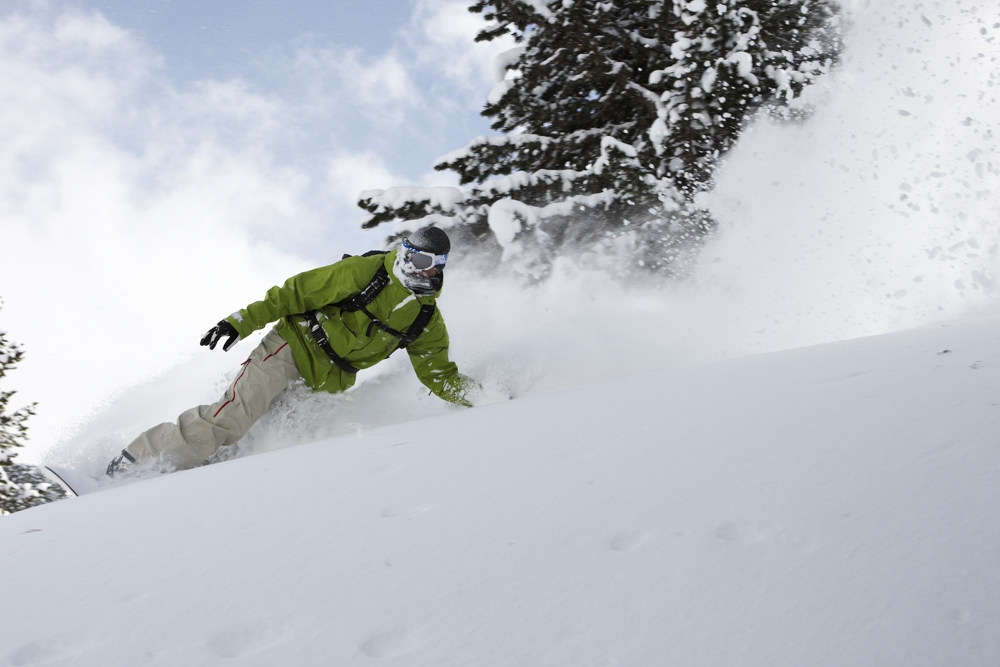
Use your back foot to push the tail of your board out and spray snow. This is called a “slash. ” It’s fun and looks great in photos.
Riding Steep Powder
On steep slopes, you need less weight back. Let gravity help you float. Use small movements to control speed, not big brakes.
Staying Safe In Powder
Powder can hide dangers like rocks, cliffs, and tree wells. Here are some tips to stay safe:
- Ride with a friend: Never go into deep powder alone.
- Carry avalanche gear: Beacon, probe, and shovel if you’re off-piste.
- Check weather and snow reports: Powder often comes with avalanche risk.
For more about avalanche safety, check the American Avalanche Association.
Building Strength And Stamina
Powder riding is hard on your legs and core. If you want to ride all day, do some basic exercises before your trip:
- Squats
- Lunges
- Core planks
- Balance drills
Warming up helps you avoid cramps and fatigue. Take breaks and drink water, even in cold weather.
Two Non-obvious Insights
- Your board’s wax matters more in powder. If your base is dry or sticky, you’ll slow down and sink. Wax your board before a powder day, focusing on a cold-weather wax.
- Vision is critical. Snow can fall into your goggles and freeze, or sun can blind you on a powder day. Bring an extra lens or anti-fog wipes.
Powder Riding By Skill Level
Here’s how powder riding changes as you improve:
| Skill Level | Focus | Common Challenge |
|---|---|---|
| Beginner | Staying upright, not sinking | Getting stuck |
| Intermediate | Smoother turns, more speed | Leaning back too much |
| Advanced | Style, jumps, steep lines | Hidden obstacles |

Frequently Asked Questions
How Do I Stop Sinking In Powder?
Keep your weight slightly back and use a board with a large nose. Maintain enough speed, and avoid sudden stops. If you start to sink, shift more weight to your back foot and look for a steeper line.
What Should I Do If I Get Stuck In Deep Snow?
Stay calm. Roll onto your back and bring your board under you. Use your hands to push up. If you can’t get up, unstrap one foot and step out, then dig your board free.
Can I Ride Powder With A Regular Snowboard?
Yes, but it’s harder. Set your bindings back and use a board with a rocker nose if possible. A true powder board makes it much easier, especially in deep snow.
Is Riding Powder Dangerous?
It can be, especially off-piste. Powder can hide rocks, tree wells, and cliffs. Always ride with a friend and check avalanche conditions before heading out.
How Do I Turn In Powder?
Use big, smooth turns and steer with your whole body, not just your feet. Look where you want to go and keep your movements relaxed. Avoid sharp or sudden turns that can make you sink.
Riding powder on a snowboard takes practice, but it’s one of the most rewarding skills you can learn. With the right gear, good technique, and a little patience, you’ll soon be floating through deep snow with a huge smile. Remember to stay safe, respect the mountain, and enjoy every turn.
