Freestyle snowboarding is more than just a sport—it’s a creative way to move on snow that mixes skill, style, and personal expression. Unlike racing or alpine snowboarding, which focus on speed and following a set course, freestyle snowboarding gives riders the freedom to invent their own moves and lines. From the first time you strap on a snowboard, you can sense the difference: freestyle is about having fun, trying new tricks, and pushing your limits in a safe way.
The roots of freestyle snowboarding go back to the 1970s and 80s, when early riders started building small jumps and rails at ski resorts. Today, it is one of the most popular parts of snowboarding, with its own competitions, parks, and even Olympic events.
Today's Exclusive Deals
Limited-time Exclusive Deals. Check current discount on Amazon.
Check Price on Amazon As an Amazon Associate I earn from qualifying purchases.If you’ve seen snowboarders spinning through the air or sliding down a rail, you have seen freestyle in action. But there’s much more to learn if you want to understand what makes this style so exciting.
Defining Freestyle Snowboarding
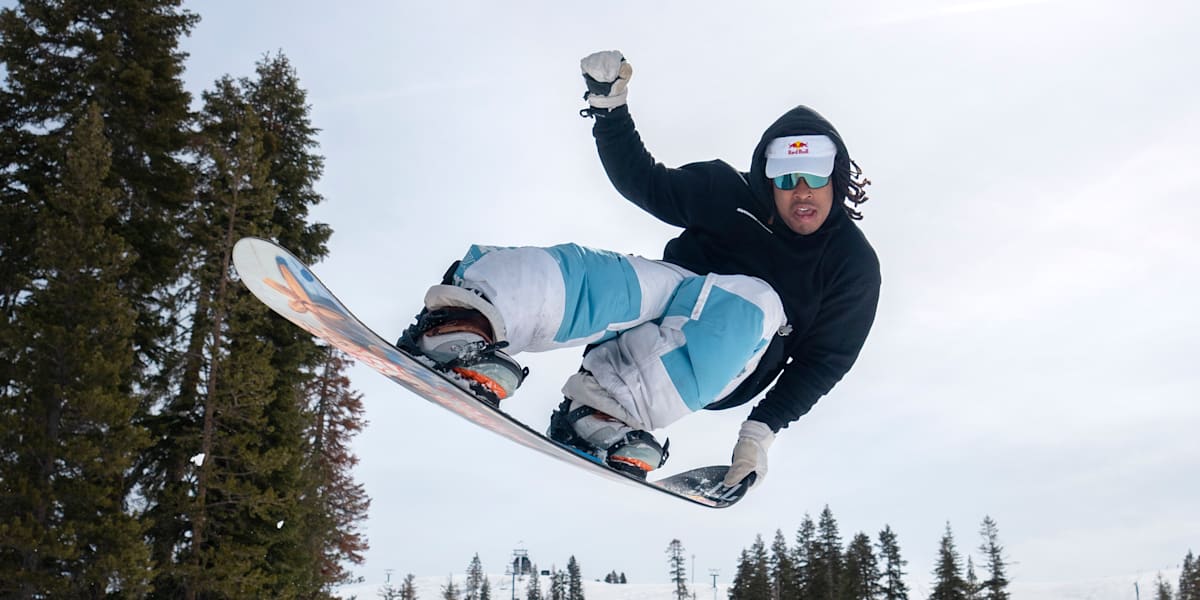
Freestyle snowboarding is a type of snowboarding focused on tricks, jumps, and creative moves. Instead of racing down a hill, riders use features like rails, boxes, jumps, and halfpipes to show their skills. The main goal is not speed, but how well and stylishly you can perform tricks.
You will often see freestyle snowboarders in terrain parks, but they also use natural features like logs, rocks, and powder pillows. This flexibility makes freestyle snowboarding more creative than other styles. Riders invent new tricks every year, and style is often as important as difficulty.
Key Elements Of Freestyle Snowboarding
Several features set freestyle snowboarding apart from other disciplines:
- Tricks: Spins, flips, grabs, and slides are central. Each trick has its own name and difficulty.
- Terrain Parks: Special areas with jumps, rails, boxes, and halfpipes.
- Style: How a trick looks, including body position, flow, and creativity.
- Progression: Riders constantly push themselves to learn new moves.
- Self-Expression: Each rider adds their own twist to tricks.
Freestyle snowboarding is about more than just technical skill. Judges in competitions look at how smooth, original, and stylish a rider is—not just how many tricks they land.
Types Of Freestyle Snowboarding
Freestyle is a big category with several sub-styles. Each has its own focus and challenges:
Park Riding
This is the most common type. Riders use man-made jumps, rails, and boxes to perform tricks. Many ski resorts have terrain parks designed for this style.
Halfpipe
Halfpipe snowboarding happens in a U-shaped channel made of snow. Riders go from side to side, performing tricks off the walls. Olympic halfpipes are 22 feet (6. 7 meters) high.
Big Air
In big air, riders launch off a huge jump and perform one trick in the air. They are judged on height, rotation, difficulty, and landing.
Street Or Urban
Some freestyle snowboarders use city features like stairs, rails, and ledges. This style is popular in snowboard videos and requires a different set of skills.
Backcountry Freestyle
Instead of parks, these riders use natural terrain—like cliffs, powder pillows, and tree runs—to do tricks. It requires strong mountain skills and avalanche knowledge.
Essential Gear For Freestyle Snowboarding
Freestyle snowboarding uses special equipment, designed for tricks and park riding. Here’s what you need:
Snowboard
A freestyle snowboard is lighter, shorter, and more flexible than other boards. This makes it easier to spin, jump, and control.
Bindings
Freestyle bindings are soft and flexible to allow more movement and easier landings.
Boots
You want soft, comfortable boots for flexibility and cushion on hard landings.
Helmet
Safety comes first. Terrain parks have hard features, so a helmet is a must.
Protective Gear
Many riders wear wrist guards, impact shorts, and back protectors, especially when learning new tricks.
Clothing
Baggy pants and jackets are common. They let you move freely and add some style.
Example Gear Comparison
Here’s a quick look at the differences between freestyle and all-mountain snowboard gear:
| Feature | Freestyle | All-Mountain |
|---|---|---|
| Board Length | Shorter | Medium/Long |
| Board Flex | Softer | Stiffer |
| Boot Flex | Soft | Medium |
| Bindings | Flexible | Medium/Stiff |
Common Freestyle Snowboarding Tricks
Mastering tricks is at the heart of freestyle. Here are some of the most important:
Basic Tricks
- Ollie: Jumping with the board by pressing the tail down and popping up.
- Nollie: Like an ollie, but popping off the nose instead of the tail.
- 180/360/540: Spinning the body and board 180, 360, or 540 degrees in the air.
- Grab: Holding the board with one hand while jumping.
- Slide: Riding along a rail or box, either straight or sideways.
Advanced Tricks
- Backflip/Frontflip: Flipping head over heels in the air.
- Cork: An off-axis spin that is not a full flip.
- Double Cork: Two off-axis flips with spins.
- Boardslide: Sliding sideways down a rail or box.
- Bluntslide: Similar to a boardslide, but with the tail or nose leading.
Trick Difficulty Comparison
| Trick | Difficulty Level | Common Location |
|---|---|---|
| Ollie | Beginner | Everywhere |
| 360 Spin | Intermediate | Small Jumps |
| Cork 720 | Advanced | Big Air |
| Double Backflip | Expert | Big Jumps |
Safety Tips And Common Mistakes
Freestyle snowboarding is high-energy and can be risky, especially if you’re new. Here’s how to stay safe:
- Start Small: Begin with small jumps and boxes. Don’t rush to big tricks.
- Wear Protective Gear: A helmet and pads can prevent serious injuries.
- Check the Park: Walk through the terrain park before riding. Look for icy patches, broken features, or closed jumps.
- Warm Up: Stretch before riding to avoid muscle injuries.
- Don’t Ride Alone: If you fall, you want someone nearby for help.
Common Mistakes
- Overconfidence: Trying tricks beyond your skill level leads to falls.
- Ignoring Snow Conditions: Icy, slushy, or crowded parks are dangerous.
- Poor Landing: Landing flat or backseat can cause injuries.
- Not Looking Ahead: Always keep your head up and watch for other riders.
A non-obvious insight: many beginners forget to wax their boards, but a well-waxed board slides better on rails and boxes, making tricks safer and easier. Also, learning to fall correctly—by rolling and not putting your hands out straight—can prevent wrist injuries.
Freestyle Snowboarding Competitions
Freestyle snowboarding has a strong competition scene. Some of the most famous events include:
- Winter X Games: Known for big air and slopestyle events.
- Olympics: Halfpipe and slopestyle are now Olympic sports.
- Dew Tour: A traveling competition with top riders.
- Local Rail Jams: Smaller events at local resorts for all skill levels.
These competitions judge riders on trick difficulty, execution, amplitude (height), and style. It’s not just about landing tricks, but making them look good.
Freestyle Vs. Other Snowboarding Disciplines
Freestyle snowboarding is just one part of the snowboard world. Here’s how it compares to other styles:
| Aspect | Freestyle | Freeride | Alpine |
|---|---|---|---|
| Main Focus | Tricks & Jumps | Natural Terrain | Speed & Turns |
| Common Terrain | Terrain Parks | Powder, Trees | Groomed Runs |
| Board Type | Short, Flexible | Long, Directional | Stiff, Narrow |
| Competitions | X Games, Olympics | Freeride World Tour | Alpine Races |

How To Get Started With Freestyle Snowboarding
If you’re excited to try freestyle snowboarding, here’s how to begin:
- Take a Lesson: Many resorts offer park and freestyle lessons.
- Start Small: Begin on small jumps and ride-on boxes.
- Watch and Learn: Study videos of pro snowboarders.
- Ride with Friends: Learn from others and stay motivated.
- Set Goals: Try to master one new trick at a time.
- Film Yourself: Watching your runs can show mistakes and help you improve.
A less-known tip: practicing basic tricks on flat ground before hitting the park builds confidence and muscle memory. For example, you can practice ollies and spins in your backyard or a snowy field.
The Culture Of Freestyle Snowboarding
Freestyle snowboarding has a unique culture. It’s less about competition and more about having fun, exploring new moves, and sharing ideas. Many riders film their sessions, create edits, and post online. There’s a strong sense of community—riders cheer each other on, offer tips, and celebrate new tricks.
Another insight: style is personal. Some riders are smooth and slow; others are fast and wild. There’s no “right” way to do freestyle—creativity is valued.
Growth And Popularity
Freestyle snowboarding’s popularity has grown quickly. According to the SnowSports Industries America, terrain park visits have increased by over 30% in the past decade. The 2022 Winter Olympics saw over 50 countries compete in freestyle events, showing its global appeal.
Freestyle has also influenced snowboard design, clothing, and even music. Many snowboard brands started by sponsoring park riders and making gear just for freestyle.
For more on snowboarding’s history and culture, see this Wikipedia article.
Frequently Asked Questions
What Is The Best Age To Start Freestyle Snowboarding?
There is no perfect age to start. Kids as young as six can learn the basics, but many riders begin as teens or adults. The key is to build strong basic skills before trying tricks.
Is Freestyle Snowboarding Dangerous?
It can be risky because of jumps and rails. However, with the right gear, training, and smart choices, you can reduce injuries. Always wear a helmet and start small.
Do I Need A Special Board For Freestyle?
Yes, freestyle boards are lighter, shorter, and more flexible. This makes them better for tricks and landings. Using an all-mountain board in the park is harder and less safe.
How Do I Get Better At Freestyle Snowboarding?
Practice is key. Take lessons, ride with friends, and film yourself to spot mistakes. Work on one new trick at a time and don’t rush.
What Is The Difference Between Slopestyle And Halfpipe?
Slopestyle uses a course with jumps, rails, and boxes. Riders do a series of tricks. Halfpipe is a U-shaped snow channel where riders go back and forth, doing tricks off the walls.
Freestyle snowboarding is about enjoying the snow in your own way, progressing at your pace, and expressing yourself through movement. Whether you dream of landing big tricks or just want to have fun in the park, there’s a place for you in freestyle.
The only real rule is to stay safe, keep learning, and enjoy the ride.