
Powder skiing is more than just a winter sport; for many, it’s the ultimate dream of freedom on snow. When skiers talk about “powder days,” their eyes light up with excitement. But what is powder skiing, and why do so many chase after it?
If you’ve ever seen photos of skiers floating through deep, soft snow with big smiles, you’ve already glimpsed powder skiing’s magic. This unique style of skiing feels different from anything else on the mountain. It’s not just about skill—it’s about the joy of moving through untouched snow, the challenge of adapting your technique, and the thrill of finding nature at its most beautiful.

Today's Exclusive Deals
Limited-time Exclusive Deals. Check current discount on Amazon.
Check Price on Amazon As an Amazon Associate I earn from qualifying purchases.Whether you’re new to skiing or have spent years on groomed runs, understanding powder skiing opens a new world. This article will explain what powder skiing is, why it’s special, and how it compares to other types of skiing. You’ll learn about the gear, the technique, the risks, and the pure fun that comes with skiing in powder.
By the end, you’ll know what makes powder skiing so addictive—and how to get started safely if you’re tempted to try.
What Is Powder Skiing?
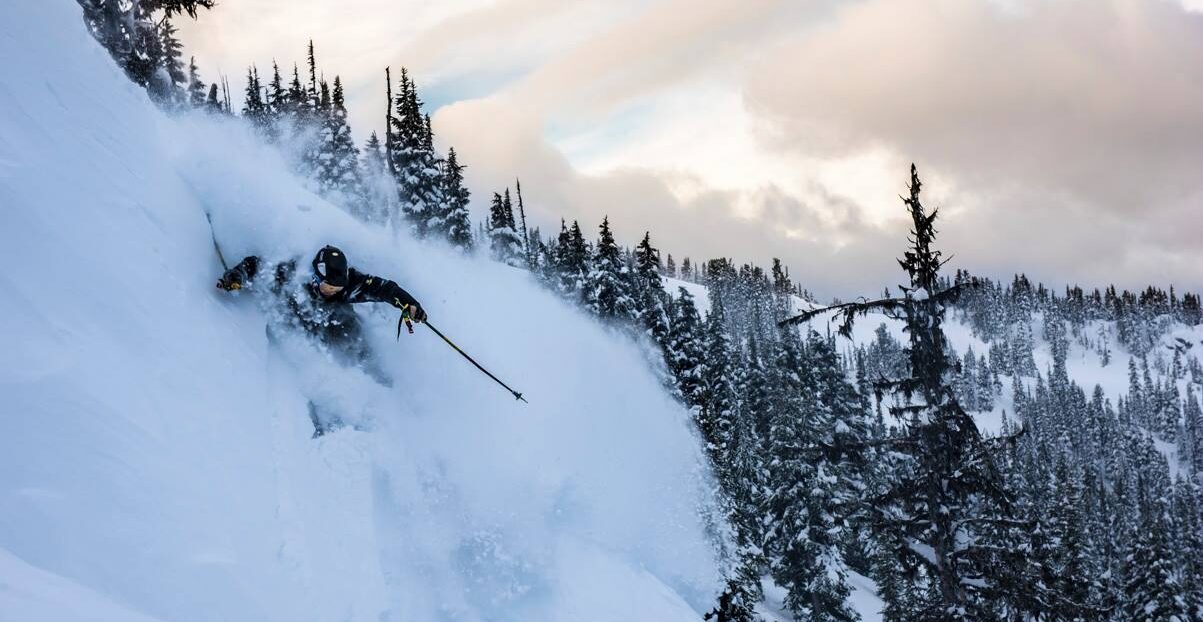
Powder skiing is skiing on deep, soft, and often freshly fallen snow, commonly called “powder.” Unlike groomed slopes, which are packed and smooth, powder is light, fluffy, and sometimes knee-deep or higher. This type of snow is usually found off-piste, away from the main trails, after a recent snowfall. Powder skiing is most popular in regions known for heavy snow, like the Rocky Mountains in North America, the Alps in Europe, and certain areas of Japan.
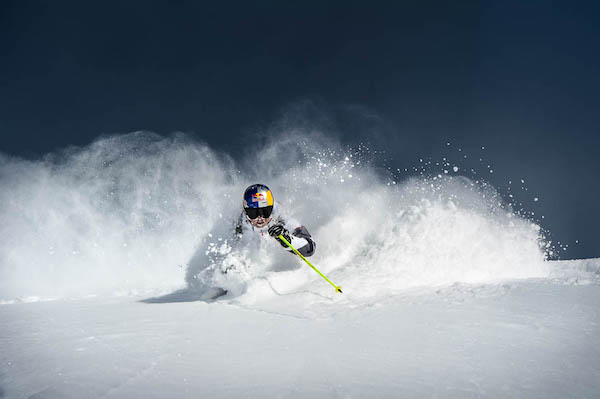
The sensation of skiing powder is unique. Instead of the solid grip you feel on hard-packed snow, your skis float and sink, making you feel almost weightless. Many call it “surfing the snow. ” Turning, stopping, and even standing up can feel very different from regular skiing.
Why Do Skiers Love Powder Skiing?
Powder skiing is special for several reasons:
- Floating Sensation: In deep powder, you glide above the snow, almost like flying. This feeling is both relaxing and exciting—a combination rarely found in other sports.
- Challenge and Skill: Skiing powder well requires new techniques and practice. Many enjoy the extra challenge compared to skiing on groomed runs.
- Peace and Solitude: Powder is usually found away from busy trails, in quiet, natural settings. Skiers often enjoy the sense of adventure and escape.
- Fresh Tracks: Leaving the first marks on untouched snow is exciting and visually beautiful.
- Connection with Nature: Powder skiing often takes you into wild, less-visited parts of the mountain, bringing a sense of exploration.

What Makes Powder Snow Different?
Powder snow stands out because of its texture and structure. Freshly fallen powder is made of individual, uncompressed snowflakes. This gives it a light, airy feel—sometimes called “champagne powder. ” As snow sits and is compressed by skiers or weather, it becomes denser and less floaty.
True powder is only found soon after a snowfall, before it’s packed down.
Several factors affect powder quality:
- Temperature: Colder temperatures produce lighter, drier powder. Warmer snow can be heavier and harder to ski.
- Humidity: Low humidity creates the lightest powder. High humidity makes snow sticky and dense.
- Wind: Wind can blow powder away or compact it into slabs, making it less pleasant and more dangerous.
Powder Skiing Vs. Other Types Of Skiing
How does powder skiing compare to other common skiing experiences? Here’s a quick look:
| Type | Surface | Sensation | Skill Level Needed |
|---|---|---|---|
| Powder Skiing | Deep, soft, fresh snow | Floating, surfing | Intermediate to Advanced |
| Groomed Skiing | Packed, smooth trails | Controlled, fast | Beginner to Advanced |
| Mogul Skiing | Bumpy, formed by repeated turns | Quick, rhythmic | Advanced |
| Icy Skiing | Hard, slick surface | Slippery, challenging | Advanced |
Skiing powder is often less predictable than groomed runs. You can sink suddenly, find hidden obstacles, or get stuck. But for many, that’s part of the fun.
Essential Gear For Powder Skiing
Skiing in powder is easier—and safer—with the right gear. Here’s what matters most:
Skis
Powder skis are wider than standard skis. This extra width helps you “float” on top of the snow instead of sinking. Most powder skis are at least 100mm wide underfoot, compared to 70-85mm for regular skis.
- Shape: Many powder skis have a “rocker” shape—the tips and tails curve upward more than usual. This helps with floatation and turning.
- Length: Slightly longer skis can help, but width is more important.
Bindings
Bindings for powder should be reliable and set correctly. Some skiers prefer bindings that release easily, in case you fall and your ski gets stuck under deep snow.
Boots
Warm, comfortable boots are essential. Powder skiing often means longer days and colder conditions. Proper fit matters more than stiffness for powder.
Poles
Longer poles can help you push through deep snow, but many skiers stick with their usual length. Powder baskets (the round part near the tip) should be wide to avoid sinking too deep.
Clothing
Layering is key. Powder days can be cold, and you’ll get wet if you fall. Waterproof outer layers, good gloves, and a helmet are musts.
Safety Gear
Backcountry powder skiing requires extra equipment:
- Avalanche transceiver (beacon)
- Probe
- Shovel
- Backpack
These items help in case of an avalanche, which is a real risk in deep, untouched snow.
Powder Skiing Technique
Skiing powder demands a different approach than hard-packed snow. Here’s what you need to know:
Stance
- Stay centered over your skis. Leaning back too much can tire your legs and make it hard to control your turns.
- Keep your knees slightly bent and your weight evenly distributed.
Turns
- Use gentle, rounded turns rather than sharp, quick ones.
- Let your skis float and steer with your whole body, not just your legs.
- In deep powder, you may need to “bounce” or use a gentle up-and-down motion to help your skis rise.
Speed
- Maintaining some speed helps you stay on top of the snow. Going too slow can cause you to sink and get stuck.
- Don’t be afraid to let your skis run a bit faster than usual.
Poles
- Use your poles for balance and rhythm. Wide swings can help you stay upright in deep snow.
Getting Up After A Fall
- Falling in powder is common and usually soft, but getting up can be tricky.
- Roll onto your back, bring your skis underneath you, and push up with your poles.
Common Mistakes In Powder Skiing
Many beginners make the same errors when first skiing powder:
- Leaning Back Too Much: It feels natural to lean back, but this tires your legs and reduces control.
- Turning Too Aggressively: Hard, fast turns dig your skis in and can stop your motion.
- Going Too Slow: Without enough speed, you’ll sink and struggle to move.
- Poor Gear Choice: Using narrow skis or lacking powder baskets makes skiing much harder.
- Ignoring Safety: Powder often means backcountry skiing, where avalanches and hidden obstacles are real dangers.
One non-obvious tip: When you fall, keep your skis close together. This makes it easier to stand up and prevents twisting injuries.
Where To Find The Best Powder Skiing
Not all ski resorts offer great powder. The best places often have:
- High snowfall: More storms mean more powder days.
- Cold temperatures: Keeps the snow light and fluffy.
- Less wind: Preserves powder quality.
Famous powder destinations include:
- Japan’s Hokkaido: Renowned for light, deep snow.
- Utah (USA): Known for “The Greatest Snow on Earth.”
- Canada’s British Columbia: Home to famous heli-skiing.
- The French and Swiss Alps: Large off-piste areas.
Many resorts now offer guided powder tours, cat-skiing, and heli-skiing for those seeking untouched snow.
Avalanche Risk And Safety
Skiing in deep powder, especially off-piste, comes with avalanche risk. Avalanches are sudden slides of snow that can bury skiers in seconds. Every year, experienced and new skiers alike are caught in avalanches.
How To Stay Safe
- Take an avalanche safety course before skiing in backcountry powder.
- Always check the avalanche forecast for your area.
- Ski with a group and never alone in dangerous terrain.
- Carry proper safety gear: Beacon, probe, shovel.
- Learn how to use your equipment and practice regularly.
It’s important to remember: no ski run is worth risking your life.
For up-to-date avalanche forecasts, you can check official resources like Avalanche.org.
Powder Skiing: Myths Vs. Reality
Many beginners believe powder skiing is easy because the snow is soft. The truth is, powder skiing is physically demanding and can be frustrating at first. Even skilled skiers need practice to master it.
Let’s clear up some myths:
| Myth | Reality |
|---|---|
| Powder is always easy to ski. | It’s often challenging, especially for beginners. |
| Any skis will work in powder. | Wider skis make a big difference. |
| Falling in powder is always soft. | It’s usually soft, but you can hit buried obstacles. |
| You don’t need safety gear in powder. | Backcountry powder skiing requires avalanche gear. |
A helpful insight: Learning to read the snow is as important as perfecting your turns. Fresh powder can hide rocks, tree stumps, and sudden drops.
How To Prepare For Your First Powder Day
If you want to try powder skiing, preparation is key:
- Take a powder lesson: Many ski schools offer special powder clinics.
- Rent or demo powder skis: Don’t struggle with narrow skis on your first day.
- Start small: Practice on easy, safe powder runs before heading into the backcountry.
- Strengthen your legs: Powder skiing is hard work. Squats, lunges, and core exercises help.
- Go with friends: Skiing with experienced friends makes learning safer and more fun.
One important tip: Before your powder day, watch videos of expert powder skiers. Notice how smoothly they move and how balanced they stay.
Frequently Asked Questions
What Is The Ideal Ski Width For Powder Skiing?
For most skiers, a width of 100-120mm underfoot is best for powder skiing. This gives enough surface area to float on soft snow. Beginners should lean toward the wider end for easier balance.
Is Powder Skiing Dangerous?
It can be, especially in the backcountry. Avalanches, hidden obstacles, and getting lost are risks. Always check avalanche conditions, use proper gear, and never ski alone in risky areas.
Can Beginners Try Powder Skiing?
Yes, but it’s challenging. Beginners should start on gentle, safe powder slopes with a qualified instructor. Using proper skis and learning the basic technique is important.
How Is Powder Skiing Different From Regular Skiing?
Powder skiing happens on deep, soft snow, requiring different skills. You need to stay balanced, use smooth turns, and keep some speed to avoid sinking. Regular skiing happens on groomed or hard-packed runs with more predictable conditions.
Do I Need Special Equipment For Powder Skiing?
Wider skis are highly recommended. For backcountry powder, you also need avalanche safety gear: a beacon, probe, and shovel. Proper clothing, boots, and wide powder baskets on your poles also help.
Powder skiing is one of the most thrilling experiences on snow. It challenges your skills, tests your fitness, and rewards you with moments of pure freedom. If you respect the risks, invest in good gear, and take time to learn, you’ll discover why so many skiers call powder “the best snow on earth.
”

