
Are you wondering what can you use to lubricate your treadmill belt? Keeping your treadmill running smoothly is key to getting the best workout and avoiding costly repairs.
But choosing the right lubricant can be confusing. Using the wrong product might damage your machine, while the right one can extend its life and improve performance. You’ll discover simple, effective options to keep your treadmill belt in top shape.

Today's Exclusive Deals
Limited-time Exclusive Deals. Check current discount on Amazon.
Check Price on Amazon As an Amazon Associate I earn from qualifying purchases.Keep reading to learn exactly what you need to protect your investment and enjoy a safer, smoother run every time.
Types Of Treadmill Lubricants
Treadmill belts need the right lubricant to work well. Choosing the correct type helps your treadmill last longer. It also keeps the belt running smooth and quiet. Different lubricants suit different treadmill models and uses. Knowing the options helps you pick the best one for your machine.
Silicone-based Lubricants
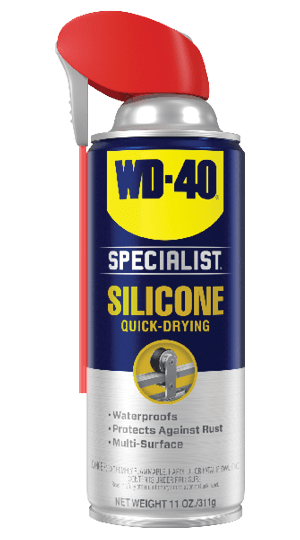
Silicone lubricants are the most common choice for treadmills. They reduce friction and heat effectively. Silicone is safe for most belts and decks. It stays stable over time and does not dry out quickly. Applying silicone lubricant keeps the belt moving smoothly and quietly.
Wax-based Lubricants
Wax lubricants form a thin protective layer on the belt. They reduce wear by preventing direct contact with the deck. Wax types last longer than silicone but need proper application. Some treadmills require waxing instead of liquid lubricants. Wax keeps the belt slick and protects against damage.
Teflon-based Lubricants
Teflon lubricants create a slippery surface that lowers friction. They help the belt glide with less effort. Teflon is durable and resists heat well. It works best on high-use treadmills or commercial machines. These lubricants can extend treadmill belt life significantly.
Avoiding Household Oils
Household oils like cooking or machine oil harm treadmills. They can cause belt slipping or damage the deck material. These oils attract dust and dirt, increasing wear. Avoid any lubricant not made for treadmills. Using the wrong oil may void your warranty.
How To Choose The Right Lubricant
Choosing the right lubricant for your treadmill belt is important. The right lubricant keeps your treadmill running smoothly and lasts longer. You need to pick a lubricant that fits your treadmill’s needs. Consider a few key points before buying one.
Compatibility With Your Treadmill Model
Not all lubricants work with every treadmill model. Check your treadmill manual for recommended lubricants. Some machines need silicone-based lubricants. Others may require a special formula. Using the wrong lubricant can cause damage. Always match the lubricant with your treadmill type.
Durability And Longevity
Choose a lubricant that lasts a long time. A durable lubricant means less frequent reapplication. This saves time and effort. Look for lubricants that resist drying out or wearing off quickly. A good lubricant protects the belt and motor for many uses.
Ease Of Application
Pick a lubricant that is easy to apply. Some come with spray bottles or applicator tips. These help spread the lubricant evenly. Avoid messy or complicated products. Easy application means you can maintain your treadmill regularly. This keeps it in good shape without hassle.
Step-by-step Lubrication Process
Lubricating your treadmill belt helps it run smoothly and lasts longer. Follow these clear steps to do it right. Regular lubrication reduces friction and wear. It keeps your treadmill working well for your workouts.
Preparing The Treadmill
Turn off the treadmill and unplug it from the power source. Make sure the belt is clean and dry. Use a soft cloth to wipe away dirt and dust. Lift the belt gently to access the underside. Read your treadmill manual for any model-specific instructions. Gather the right lubricant before starting.
Applying The Lubricant Correctly
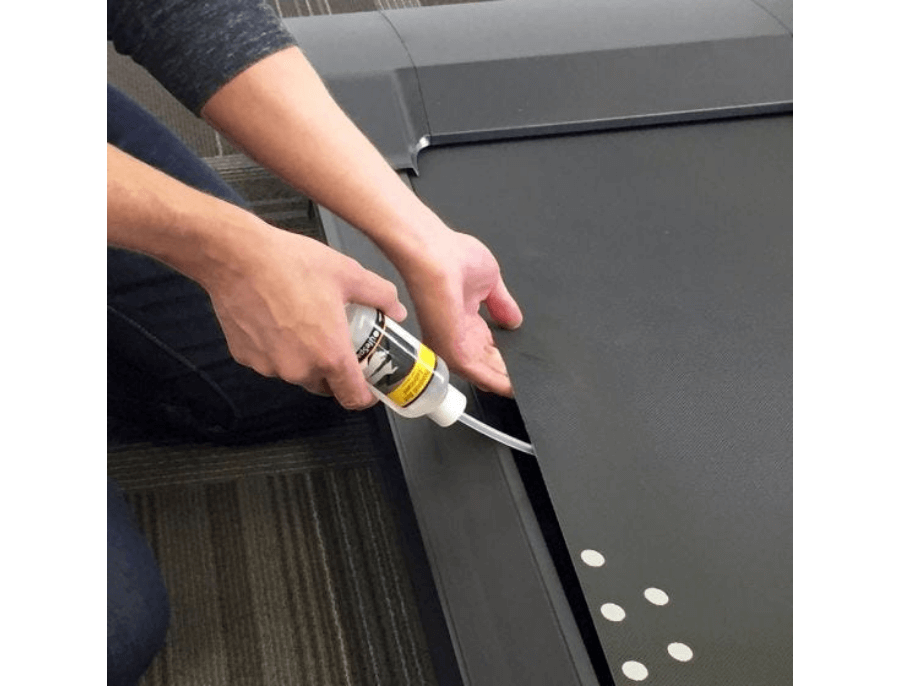
Apply the lubricant under the belt, not on top. Use a silicone-based lubricant made for treadmills. Place a small amount along the edges and center under the belt. Spread it evenly by hand or with a soft cloth. Avoid using too much to prevent slipping or damage. Slowly move the belt by hand to distribute the lubricant.
Testing After Lubrication
Plug the treadmill back in and turn it on. Start at a slow speed to test the belt. Listen for any unusual noises or slipping. If the belt moves smoothly and quietly, lubrication worked. Stop the treadmill and wipe away any excess lubricant. Regular checks keep the treadmill in good shape.

Signs Your Treadmill Needs Lubrication
Knowing when your treadmill needs lubrication can save you time and money. Lack of lubrication causes problems that affect your workout and the machine’s life. Watch for clear signs that tell you it is time to lubricate the belt.
Unusual Noises
Listen closely during your workout. Strange sounds like squeaking, grinding, or scraping mean the belt is dry. These noises show the belt and deck rub without enough lubrication. Fixing this early avoids bigger damage.
Increased Belt Friction
Notice if the belt feels harder to move. More friction means the belt is not sliding smoothly. This extra resistance makes your exercise tougher and stresses the motor. Lubrication reduces friction and keeps the belt moving freely.
Motor Overheating
The motor may get hot quickly if the belt lacks lubrication. Dry belts force the motor to work harder. Overheating can cause the motor to fail or stop working. Lubricating the belt helps the motor stay cool and run longer.
Maintenance Tips For Treadmill Longevity
Maintaining a treadmill well helps it last longer and work better. Regular care saves money and avoids repairs. Simple steps keep the belt smooth and the machine quiet. Follow these tips to keep your treadmill in top shape.
Regular Cleaning
Dust and dirt build up on the treadmill over time. Clean the belt and deck often to stop wear. Use a soft cloth and mild cleaner. Avoid water getting inside the motor area. Clean under the belt to remove trapped debris.
Belt Alignment Checks
A belt that shifts can cause damage and uneven wear. Check the belt position weekly. Adjust the tension if the belt moves to one side. Use the treadmill manual to find the right steps. A centered belt runs smoothly and lasts longer.
Scheduled Lubrication Intervals
Lubricate the belt regularly to reduce friction. Silicone-based lubricants work best for most treadmills. Apply the lubricant under the belt as per the manual. Do this every three to six months, depending on use. Proper lubrication keeps the belt moving quietly and extends its life.
Frequently Asked Questions
What Type Of Lubricant Is Best For Treadmill Belts?
Silicone-based lubricants are ideal for treadmill belts. They reduce friction and wear effectively. Avoid oil-based lubricants as they can damage the belt. Always choose a lubricant recommended by your treadmill’s manufacturer for optimal performance and longevity.
Can I Use Wd-40 To Lubricate My Treadmill Belt?
No, WD-40 is not suitable for treadmill belts. It is a solvent and can damage the belt material. Use a silicone-based lubricant specifically designed for treadmills to ensure smooth operation and prevent damage.
How Often Should I Lubricate My Treadmill Belt?
Lubricate your treadmill belt every three to six months. Frequency depends on usage and treadmill model. Regular lubrication reduces friction, prevents overheating, and extends the belt’s life. Check the manufacturer’s manual for specific maintenance schedules.
Is It Safe To Lubricate The Treadmill Belt Myself?
Yes, you can safely lubricate the treadmill belt yourself. Ensure the treadmill is unplugged before starting. Apply lubricant evenly under the belt according to the manual. Follow instructions carefully to avoid damage and maintain warranty.
Conclusion
Choosing the right lubricant keeps your treadmill running smooth. Silicone-based lubricants work best for most belts. Avoid oil or grease that can damage the machine. Regular lubrication reduces friction and extends belt life. Apply it carefully to avoid mess and wear.
Check your treadmill’s manual for specific instructions. Simple care makes a big difference in performance. Keep your treadmill ready for every workout session. A little effort now saves you time and cost later.

